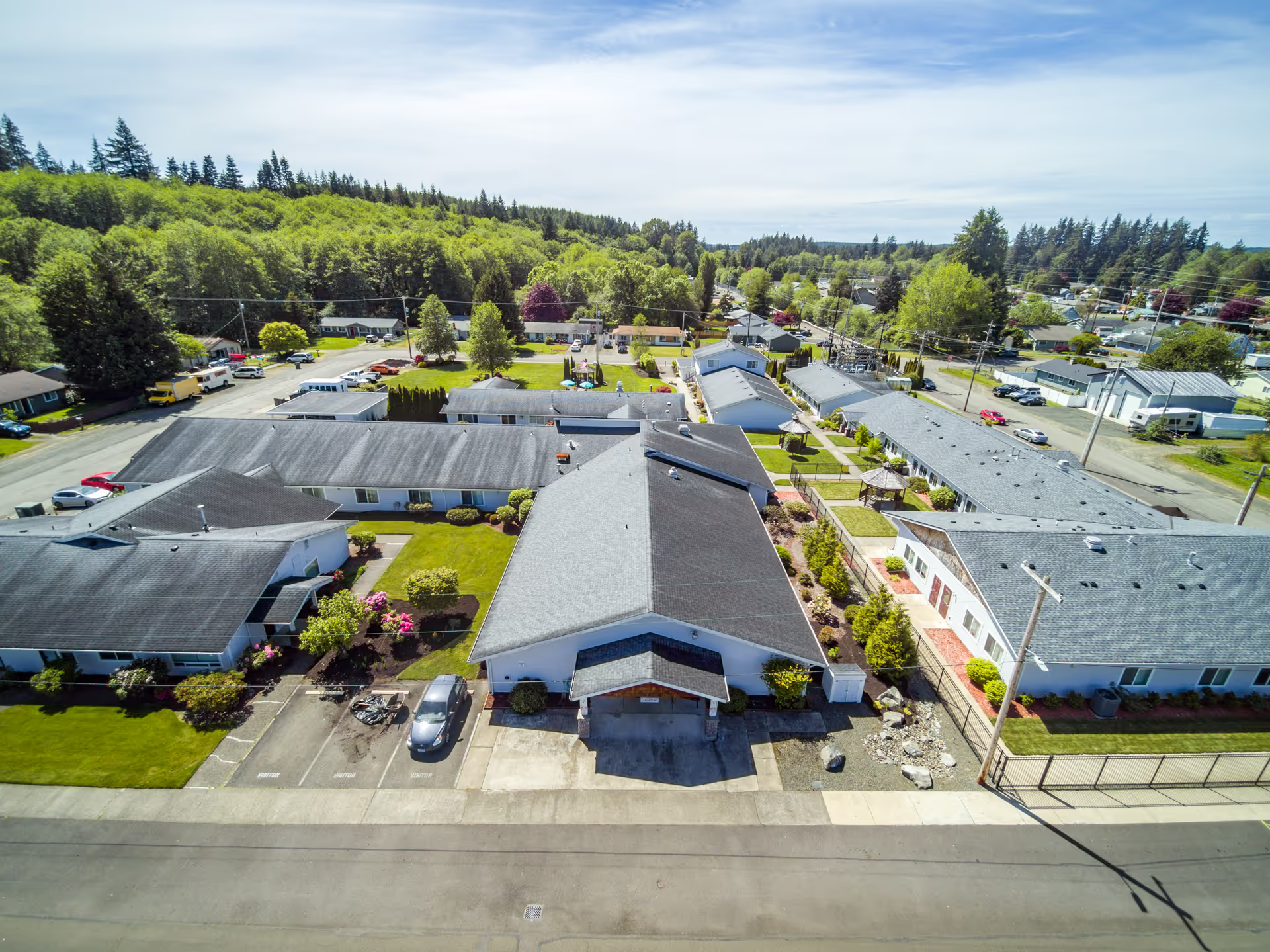
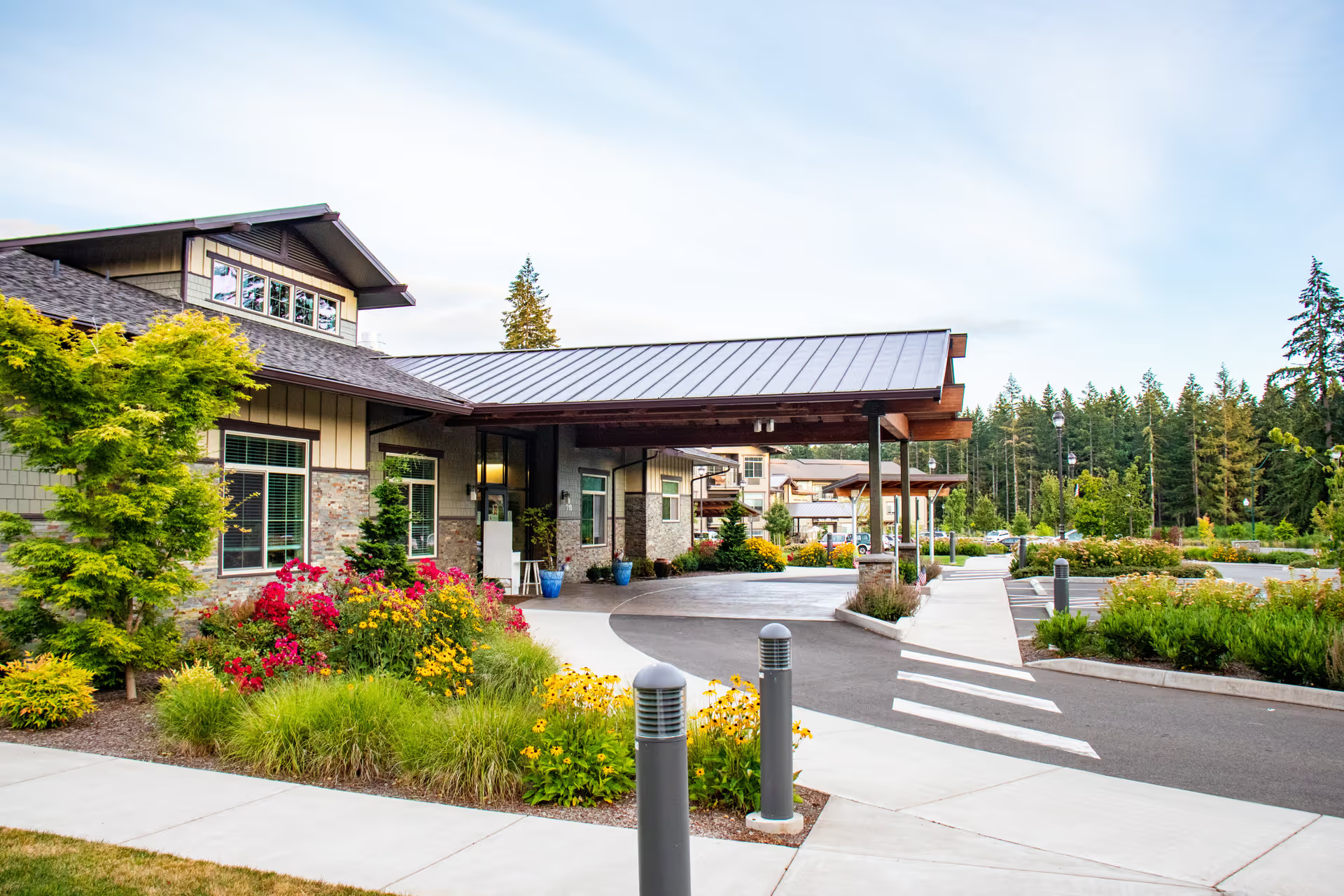
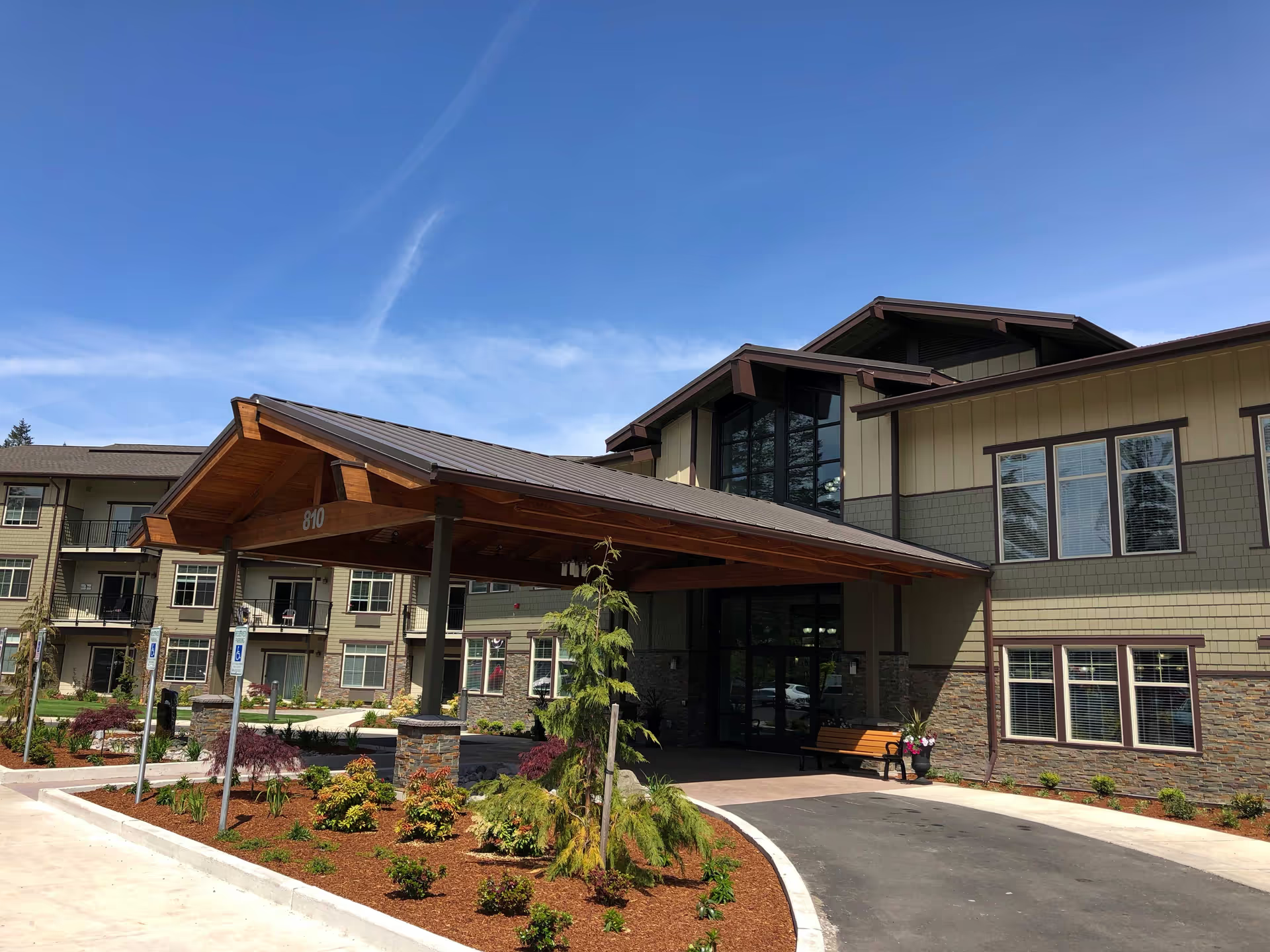
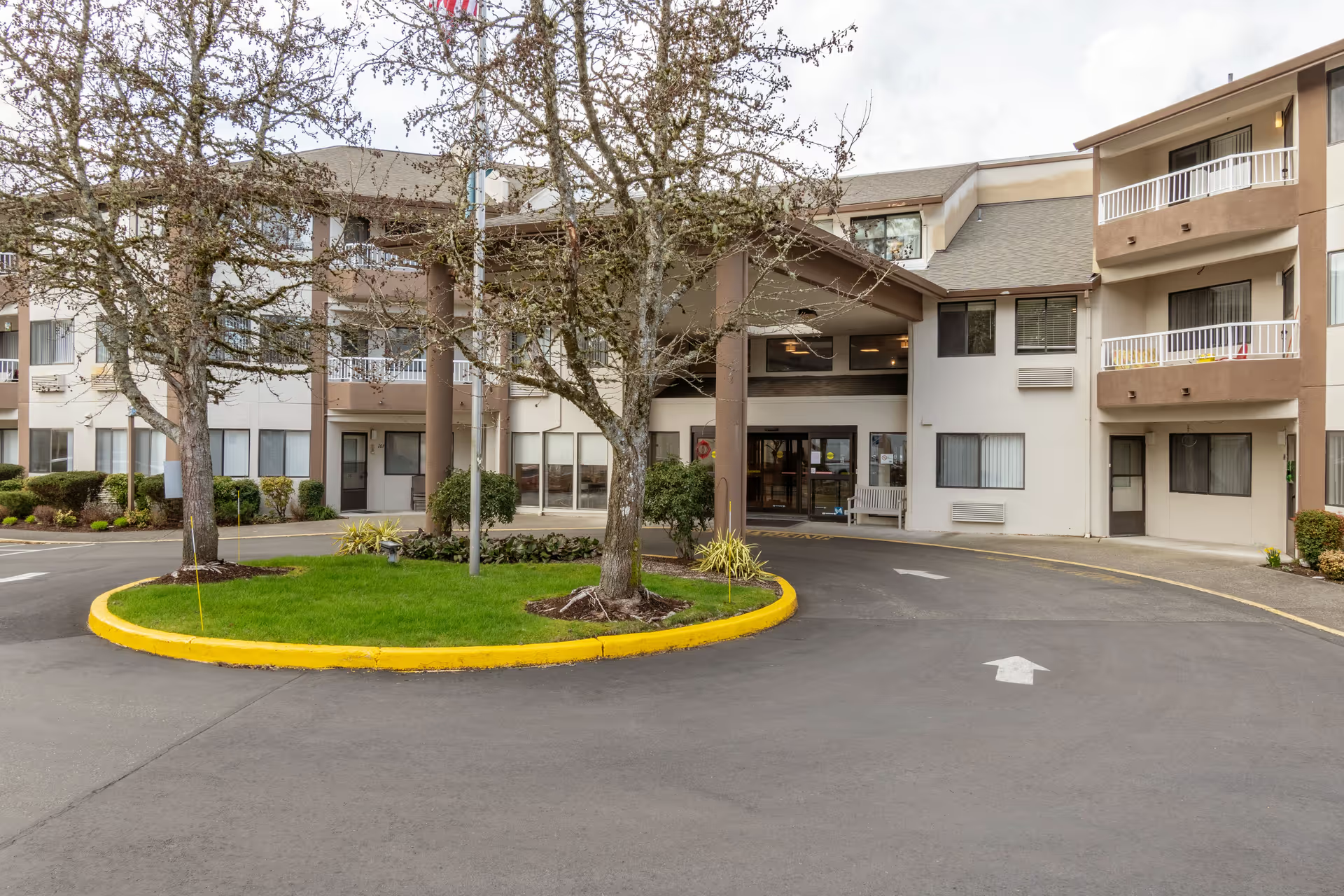
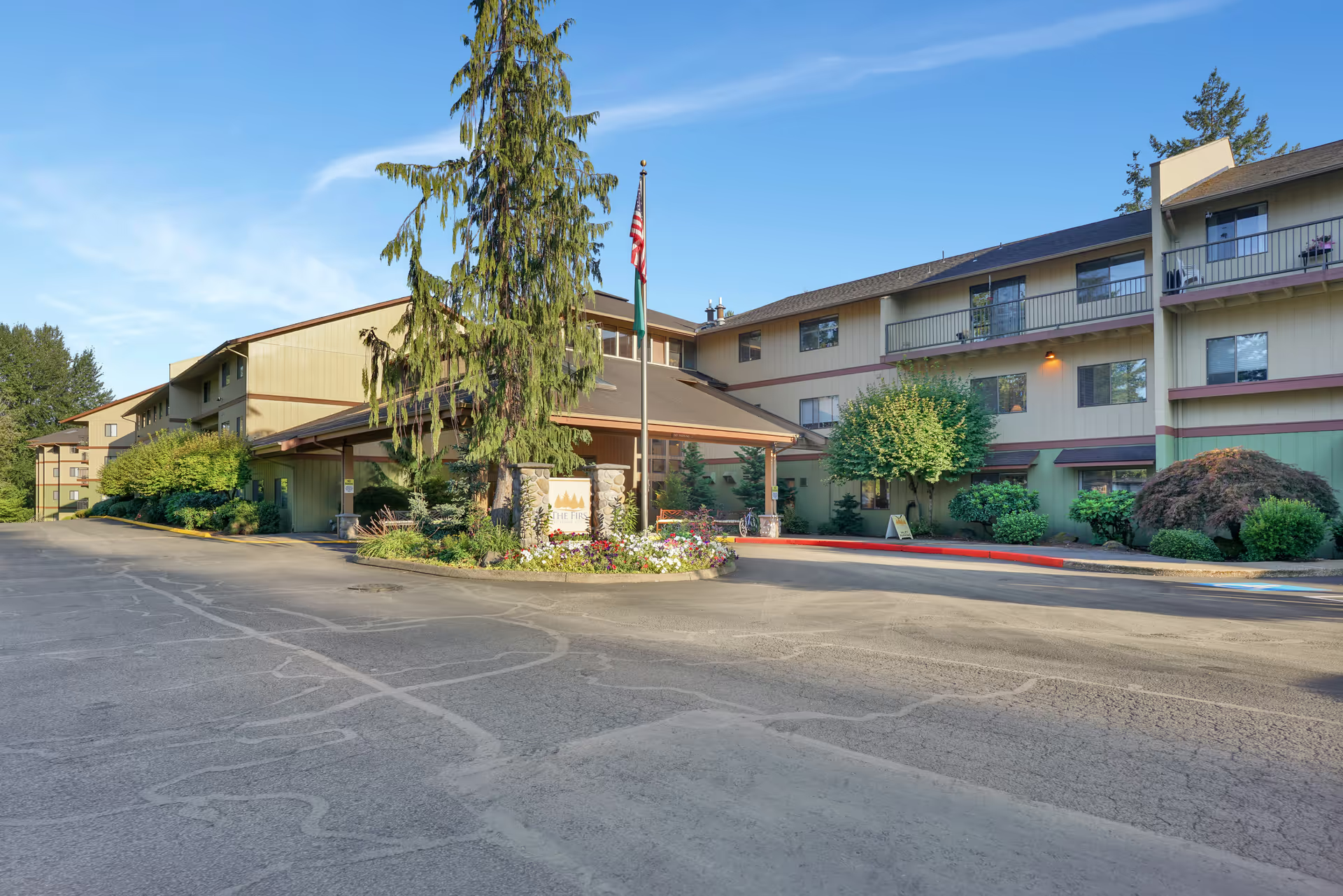
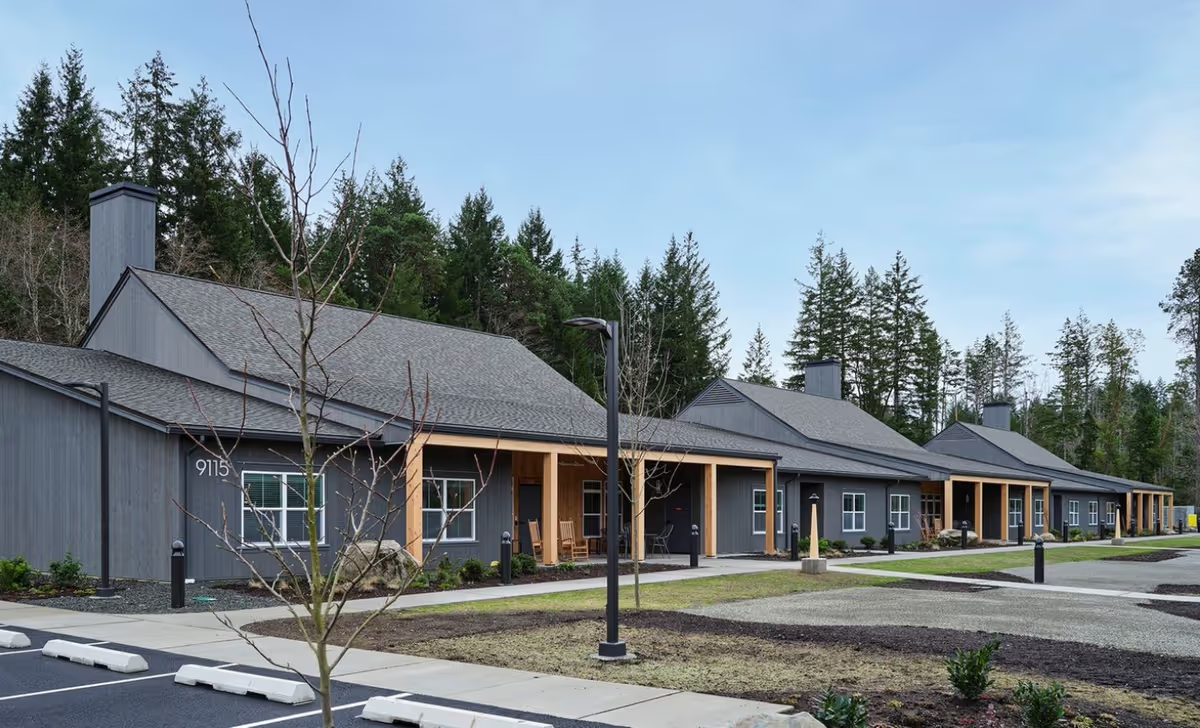
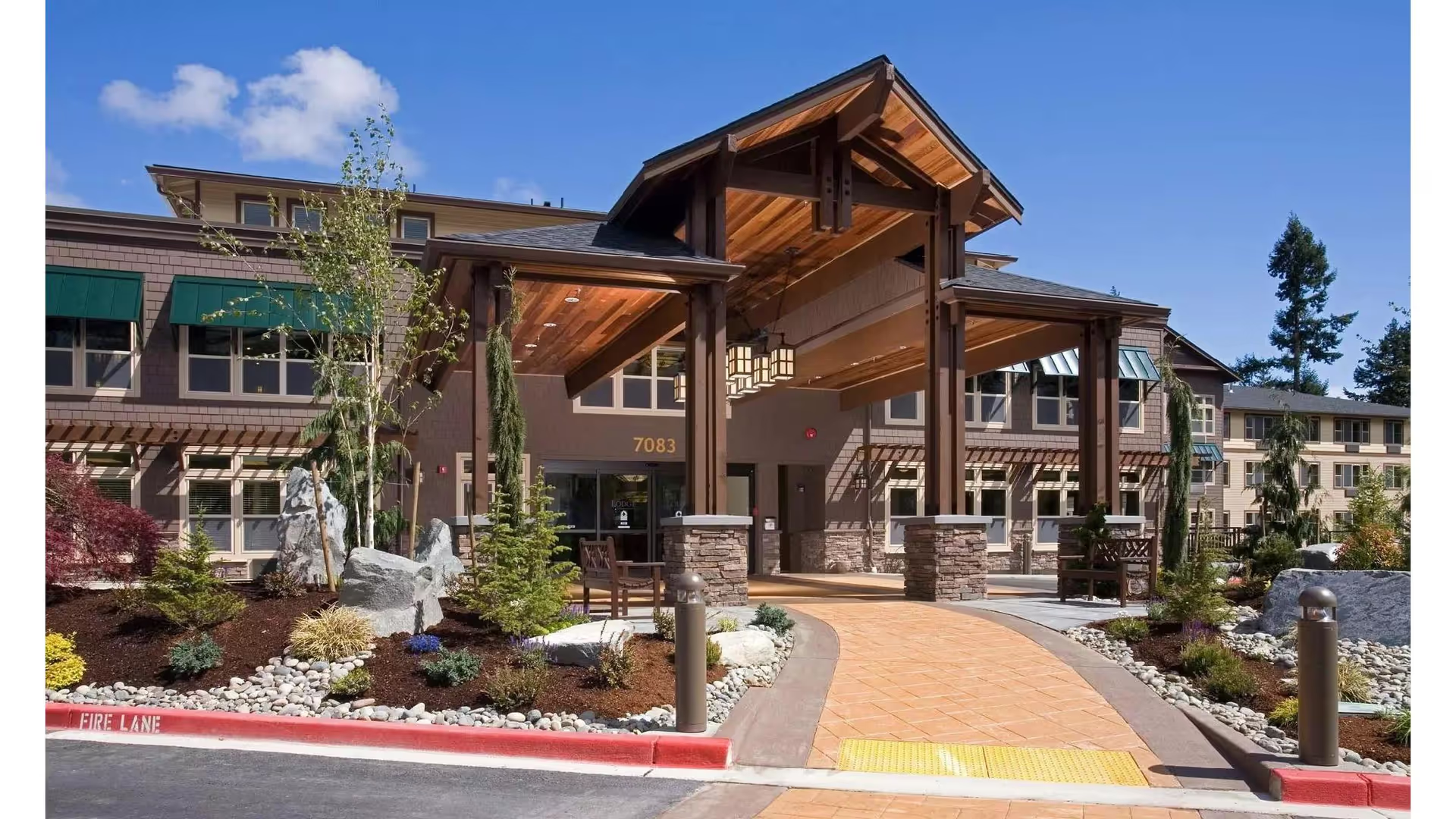
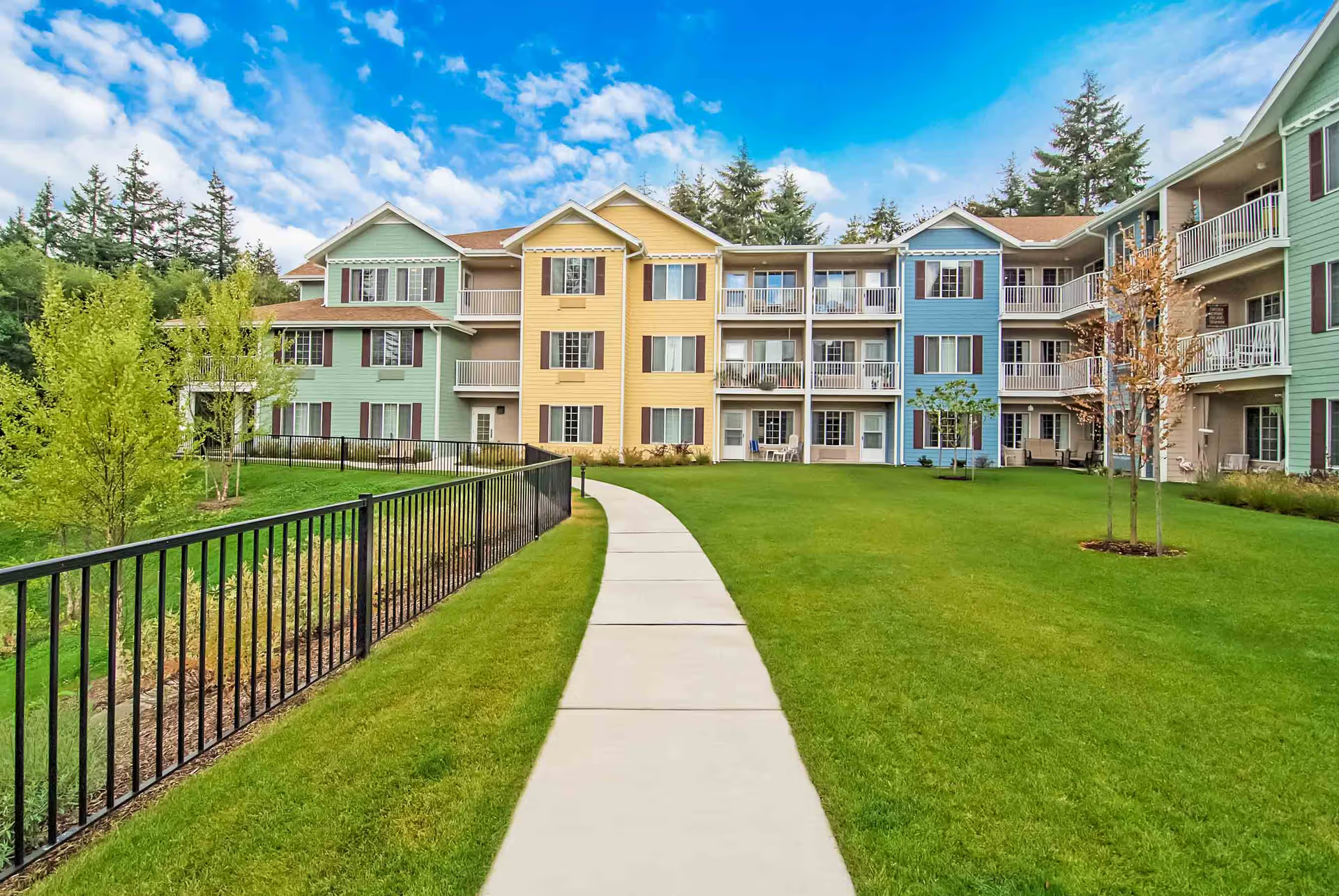
Alpine Way Continuing Care Community presents a mixed but informative picture for prospective residents and families. Strengths that recur across feedback include compassionate, attentive caregiving staff, a generally clean and comfortable physical environment, and a variety of apartment layouts with a single-story, easily navigable design. Families and residents frequently highlight proactive communication, responsive move-in assistance, available transportation, proximity to shopping, and strong coordination with hospice and palliative services. Many reviewers praised individual staff members and cited a family-like community atmosphere with multiple activity options, on-site worship, and pet-friendly policies.
Care quality is uneven. Numerous accounts describe excellent bedside care, particularly from direct caregivers and hospice teams, but there are also recurring operational concerns: understaffing, delayed buzzer responses, and inconsistent follow-through on documented care plans. Several comments raise concern about medication management practices, including serious medication-administration issues; these describe variability across shifts and underscore the importance of confirmed protocols and oversight. Families should request detailed information about staffing ratios, medication procedures, and contingency plans during tours.
Dining and food service receive mixed reviews. The community offers multiple dining rooms and meal choices with some residents reporting varied and appealing menus, while others cite frequent cold or bland meals, limited selection at certain times, and inconsistent meal service. Housekeeping and cleanliness are generally praised, but there are isolated sanitation and maintenance lapses noted in common areas and specific apartments. Bathroom layouts and shower designs in some units lack accessible features (small tubs, no shower seats, improvised supports), which suggests prospective residents with mobility aids should evaluate unit accessibility in person.
Management and administration emerge as an important area for due diligence. Positive examples of effective, family-focused managers are present, yet a number of reviews describe billing opacity, invoice adjustments, late fees, and concerns about transparency in charges. A subset of comments includes allegations of aggressive marketing or deceptive financial practices; while these are not systemic proof, they indicate the value of reviewing contracts carefully, confirming what is included in care fees, and clarifying pharmacy and testing charges upfront. Communication tone and responsiveness from business-office staff vary; families may wish to identify a consistent point of contact and document key conversations.
Activities and social engagement are available and appreciated, but engagement levels vary by resident cognitive and physical status. The community offers outings, on-site programming, and opportunities for residents to participate; however, some residents—particularly those with dementia or mobility limitations—may require more one-to-one facilitation to benefit. Maintenance of grounds and some building details received mixed feedback, with requests for more landscaping and attention to aging fixtures.
Bottom line: Alpine Way shows clear strengths in compassionate caregiving, cleanliness in many areas, convenient location, and end-of-life coordination, making it a good fit for families seeking a community-oriented setting with hospice support. At the same time, prospective residents should investigate operational details in person: verify staffing patterns and care-plan enforcement, review medication administration policies, inspect apartment bathroom accessibility, sample meal service at different times, and obtain a written, itemized understanding of billing practices before committing. These steps will help families align expectations with the variability noted across experiences.