The reviews present a polarized picture of Fir Lane Care. Many accounts emphasize strong interpersonal strengths — staff members, especially CNAs and therapists, are frequently described as caring, attentive, and effective in helping residents progress in rehabilitation. The therapy and physical-rehabilitation program is repeatedly praised for skill, engagement, and measurable outcomes. Housekeeping and front-desk processes are noted as positive in multiple accounts, and the facility runs visible social programming such as seasonal activities and pet therapy that residents and families appreciate.
At the same time, recurring operational weaknesses emerge. Chronic understaffing and high resident-to-staff ratios are the most consistent theme: families report long waits for assistance, delayed bathing or toileting support, and frequent difficulty locating nursing staff on the unit. Associated with staffing constraints are reports of slow response times to call bells and delays in attending to routine needs. Several reviews point to inconsistent clinical oversight on the floor, including limited on-unit RN coverage and uneven follow-through for wound, edema, and infection monitoring. These clinical gaps have led reviewers to express concerns about the facility's ability to manage complex medical issues reliably.
Medication administration and consent processes appear inconsistent across accounts. Examples include medication changes and timing that families considered inappropriate or not fully communicated, creating concerns about informed-consent practices and medication timing relative to meals. There are also recurring sanitation and incontinence-care concerns, intermittent odor concerns in parts of the building, and reports suggesting weaknesses in belongings management — including allegations of missing personal items — which families view as a significant operational issue.
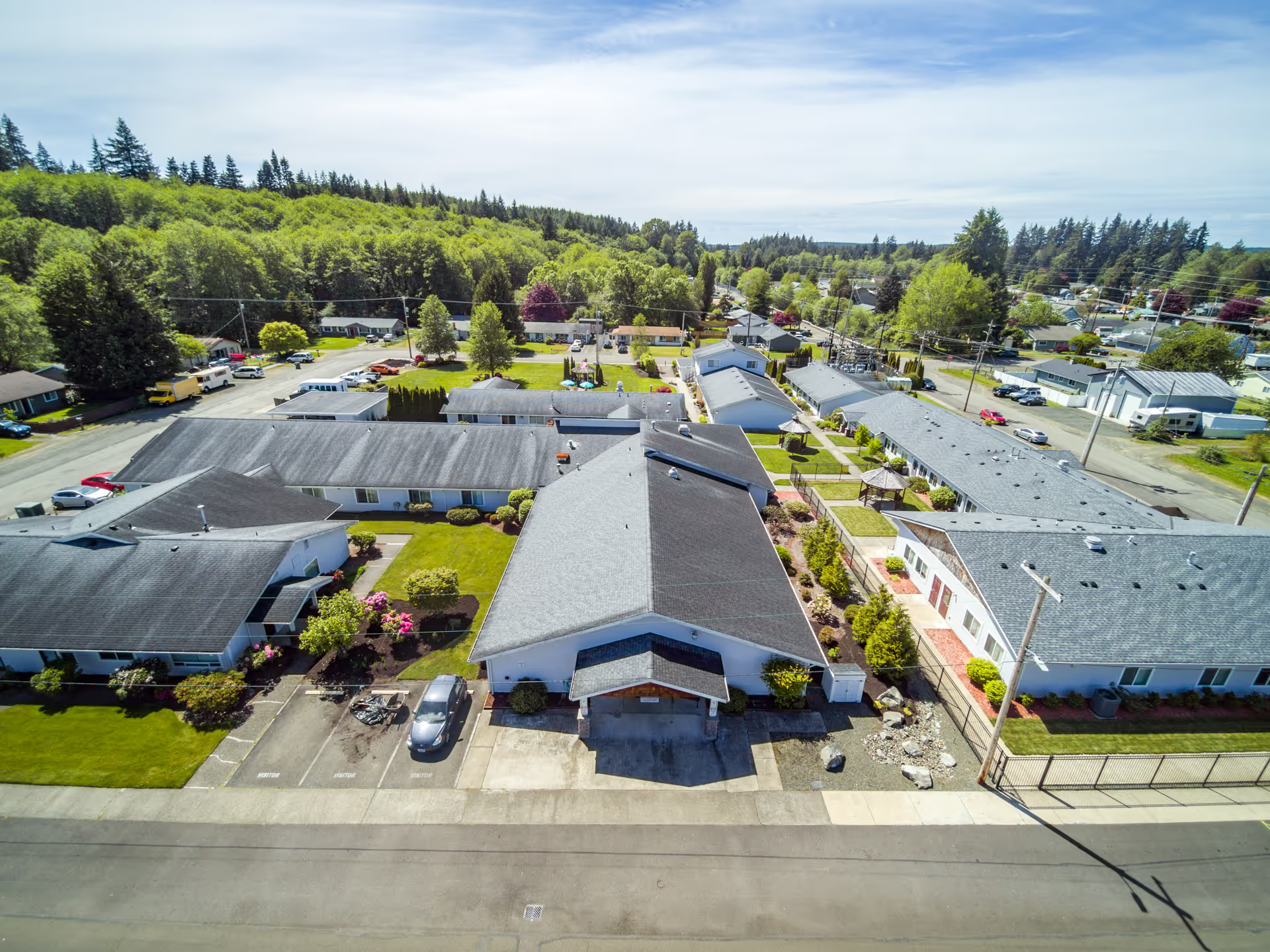
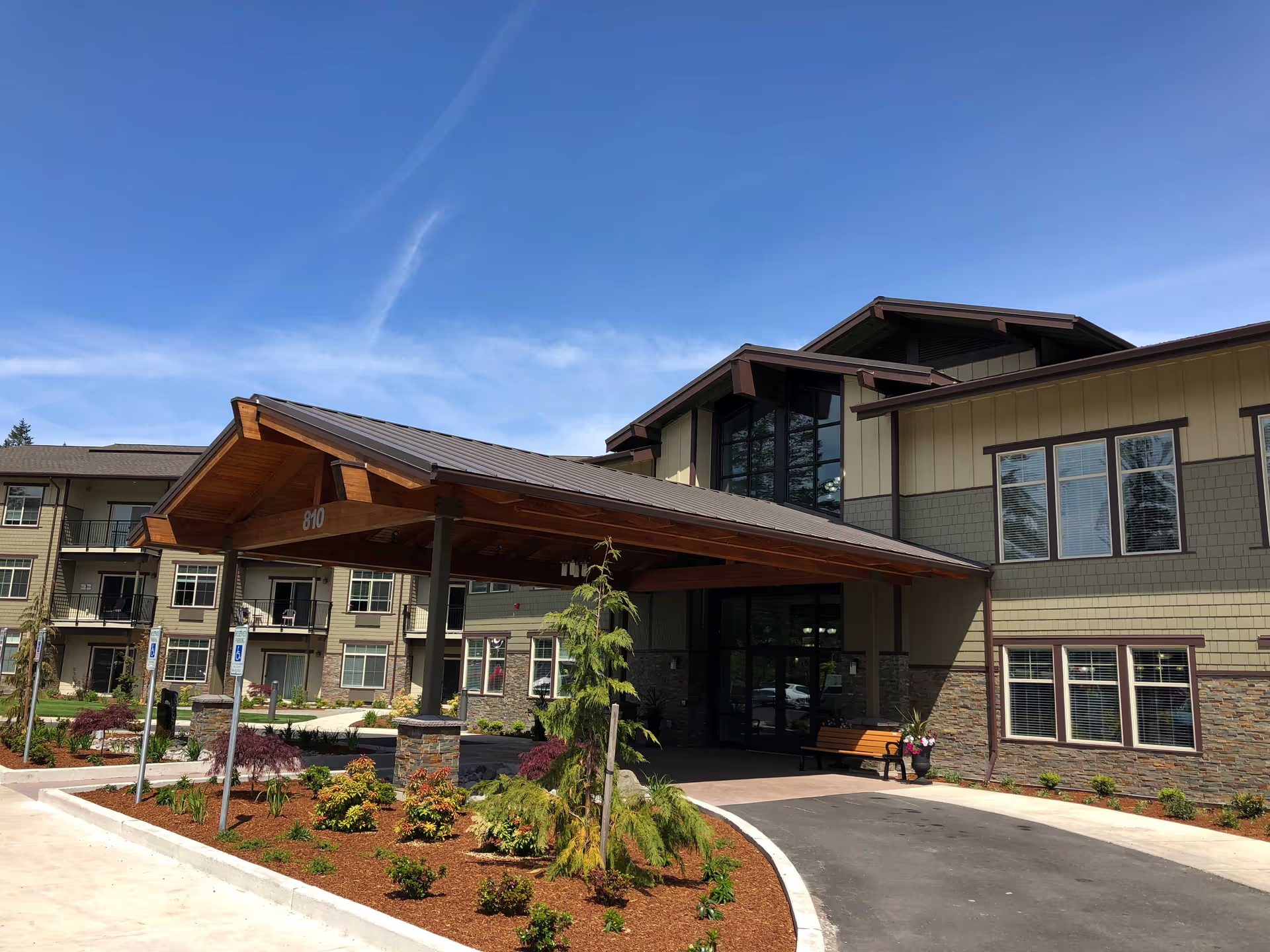
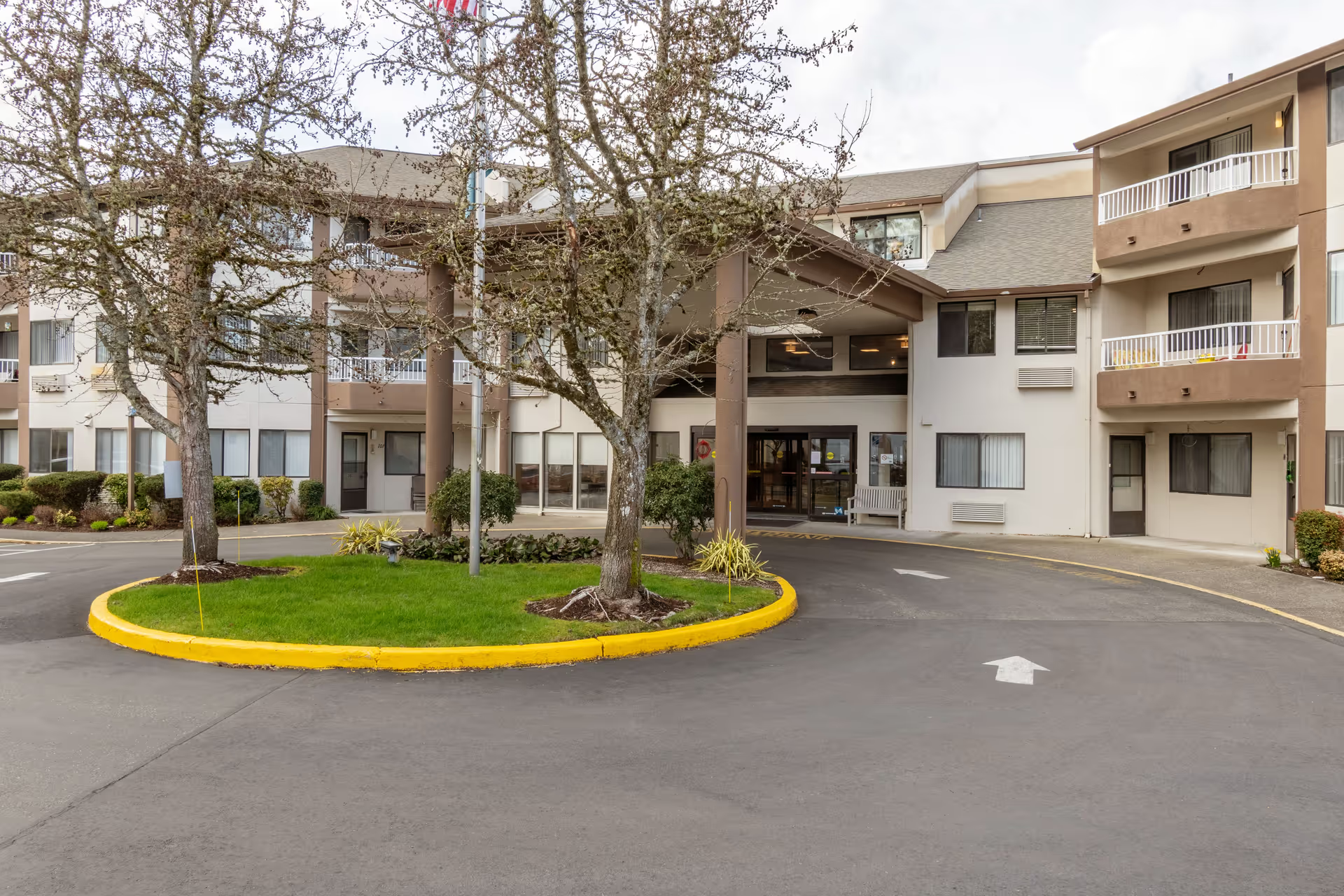
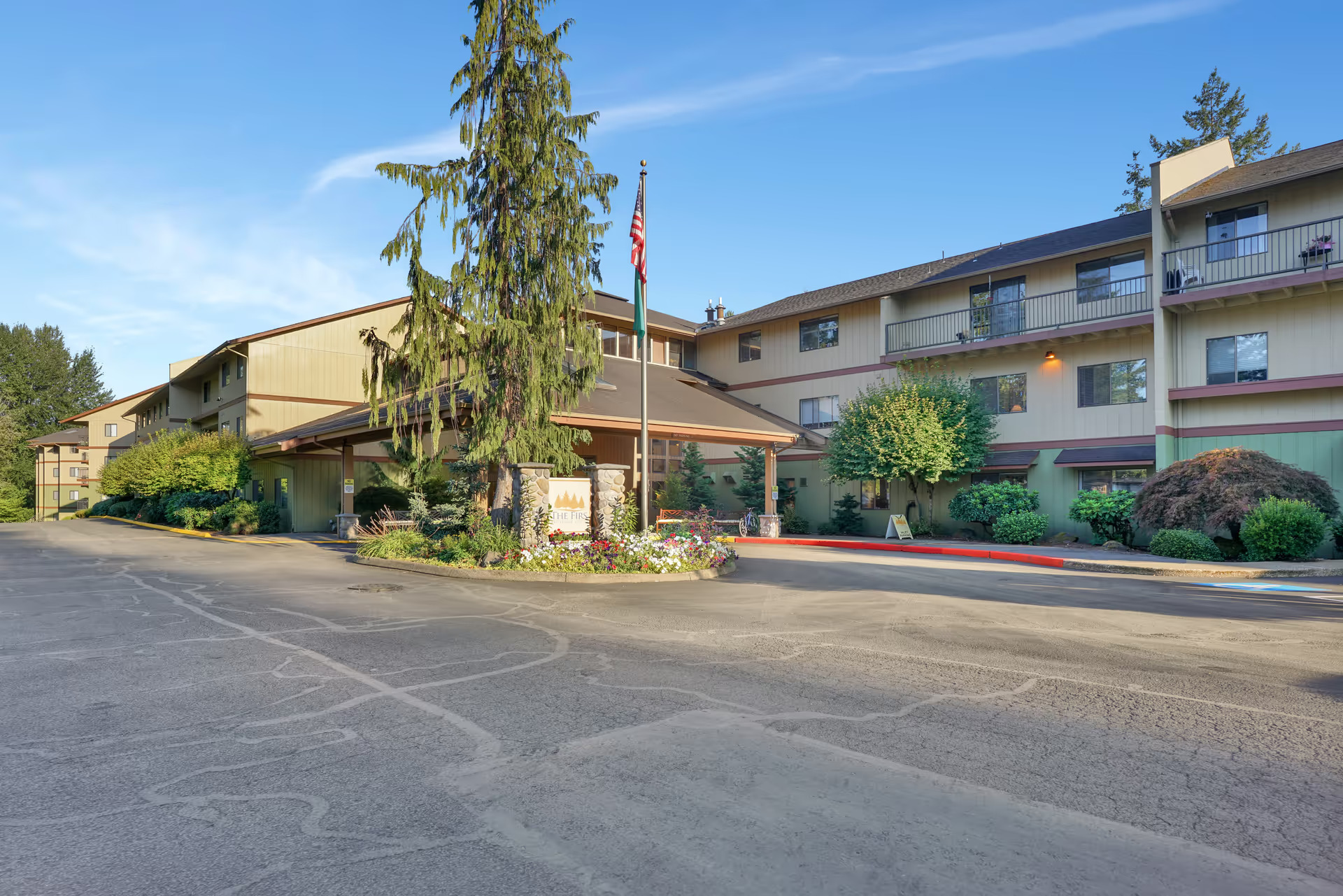
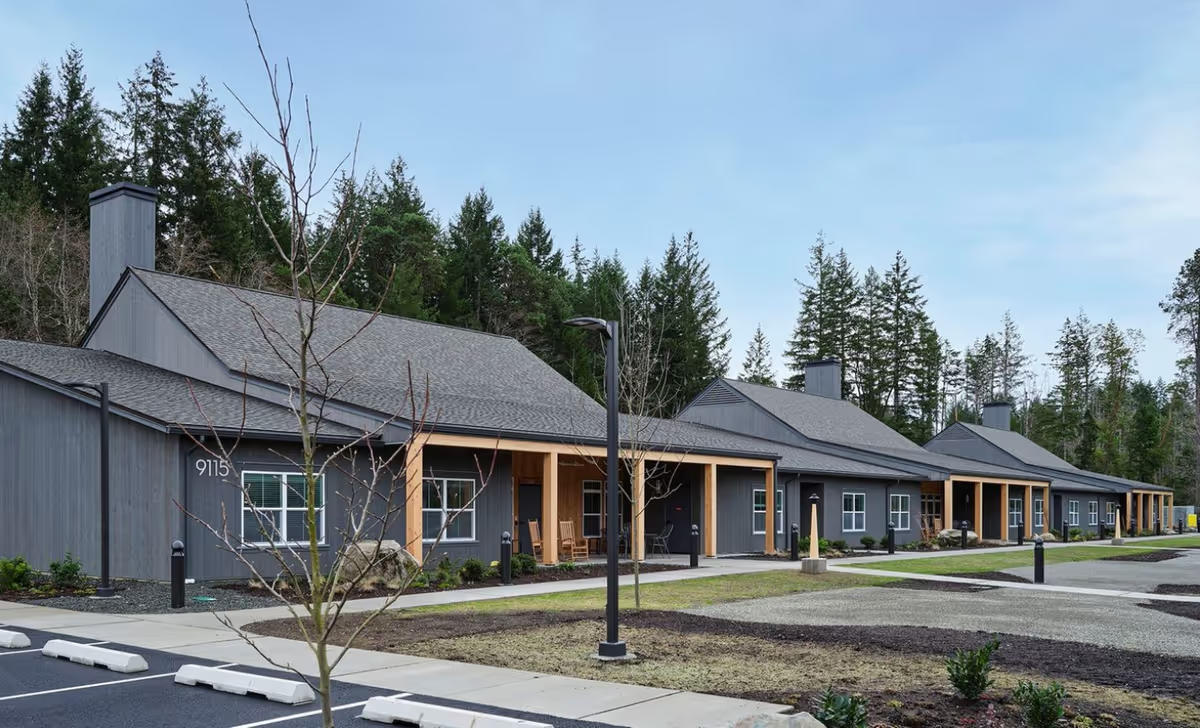
Facilities and environment receive mixed commentary. Some visitors describe clean, welcoming, updated areas and well-kept exterior grounds, while others describe worn interior finishes and a gloomy, institutional feel in certain units. Fall-prevention and safe-transfer practices are flagged as areas needing attention; multiple accounts cite incidents involving falls or injuries and suggest the facility would benefit from stronger transfer-safety protocols and oversight.
Management and administrative performance are described inconsistently. Some families praise proactive and compassionate administrators who supported transitions to other settings and followed up after moves; others describe leadership turnover, delays in discharge paperwork, billing and therapy-referral pressure, and gaps in operational follow-through. A small number of reports reference regulatory attention or Adult Protective Services involvement; coupled with the other operational concerns, these accounts indicate that management stability and process adherence are important areas for oversight.
For prospective residents and families, the pattern is clear: Fir Lane Care appears to offer strong rehabilitative services and many staff who provide compassionate day-to-day care, but it also demonstrates persistent operational and clinical consistency issues that can materially affect resident experience. If considering this facility, families should ask specific questions about current staffing levels and RN coverage, wound and infection monitoring protocols, medication-consent procedures, belongings safeguards, fall-prevention strategies, and recent regulatory or quality-review findings. An in-person tour that includes conversations with therapy staff, nursing leadership, and the administrator — along with reviewing the most recent staffing and inspection records — will help determine whether the facility’s strengths align with a prospective resident’s clinical and personal needs.