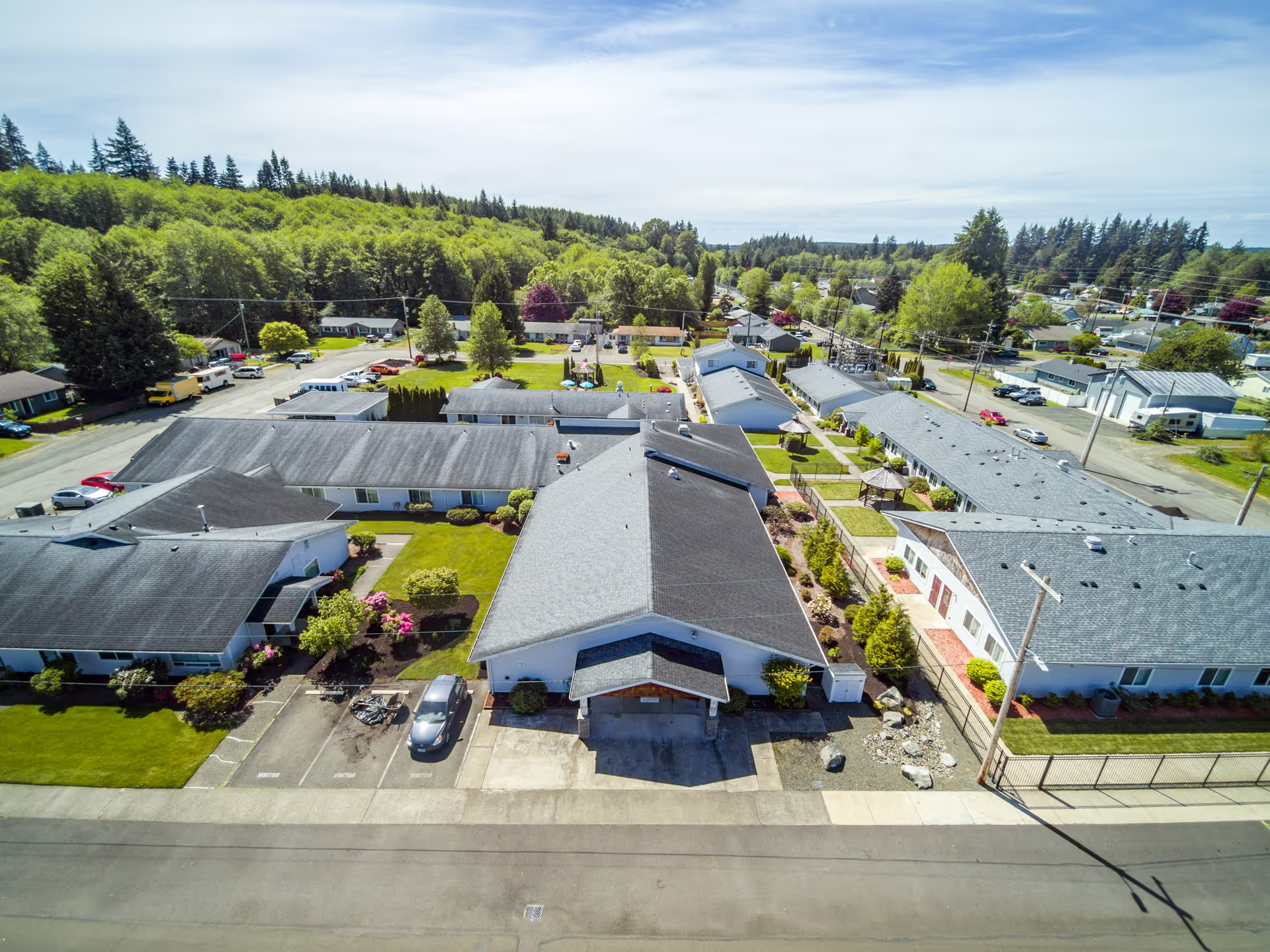
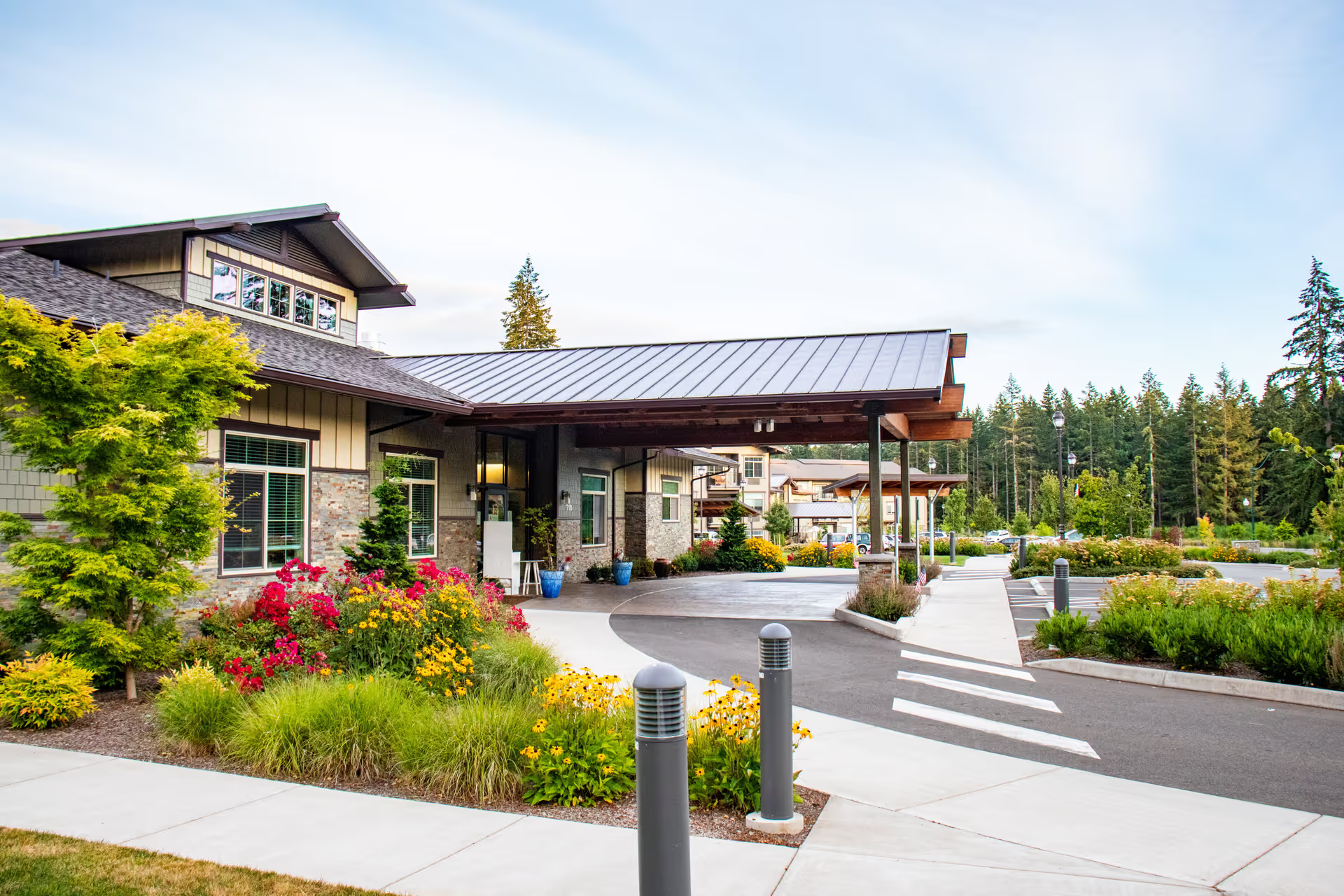
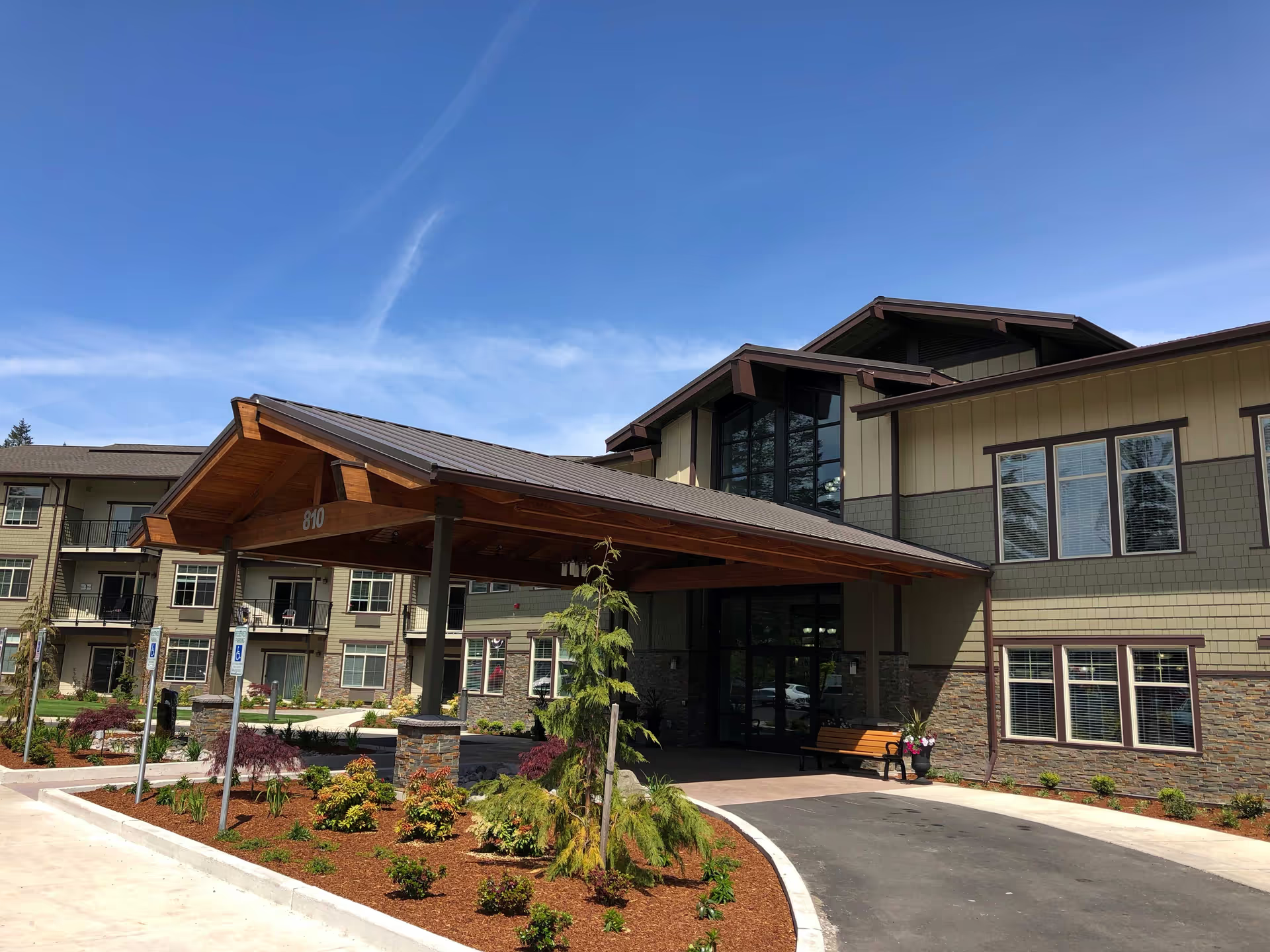
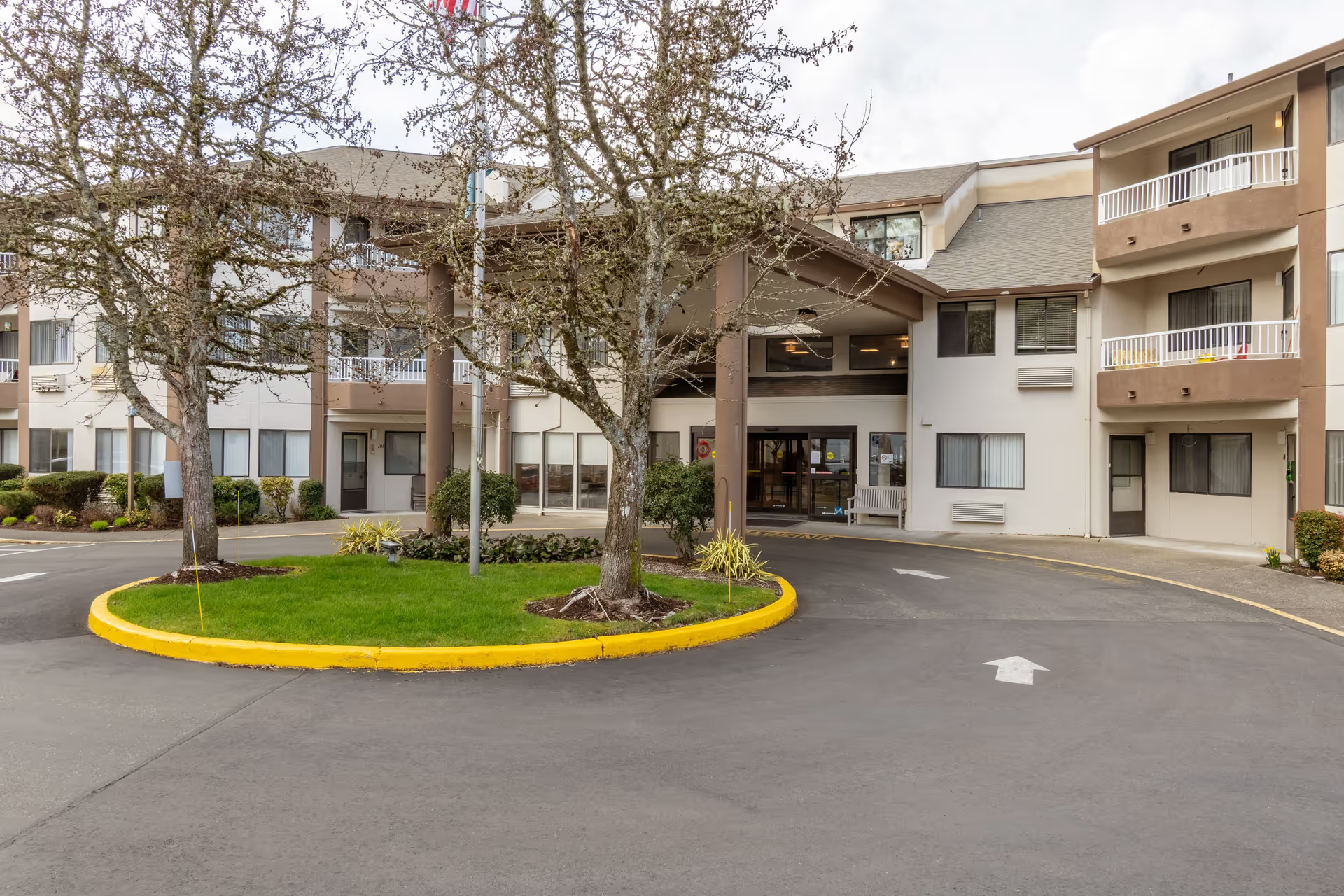
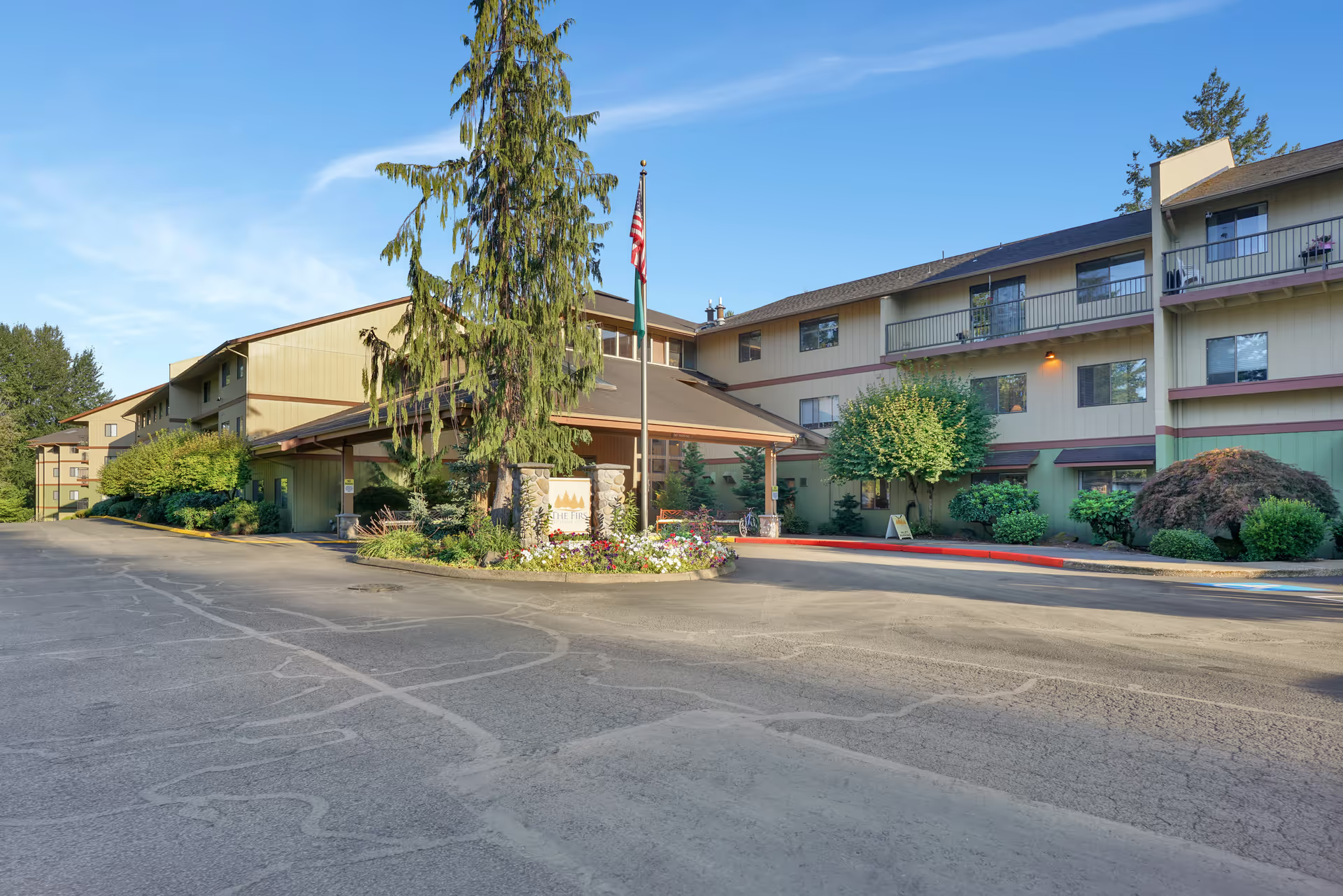
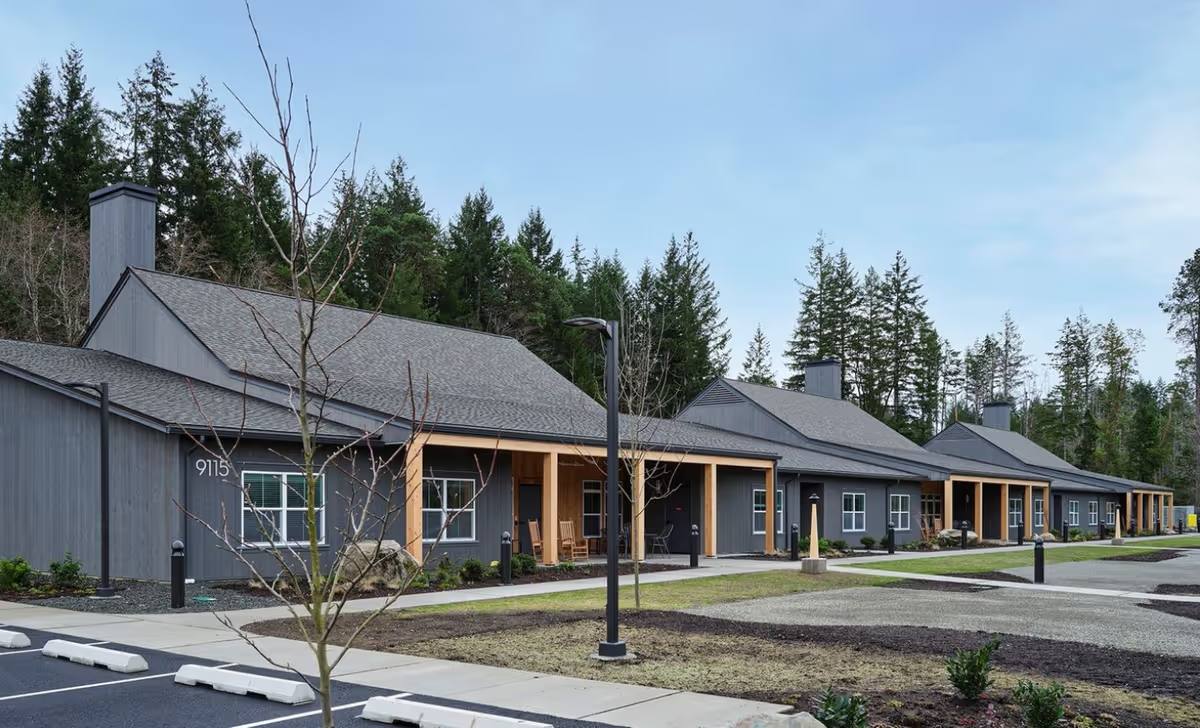
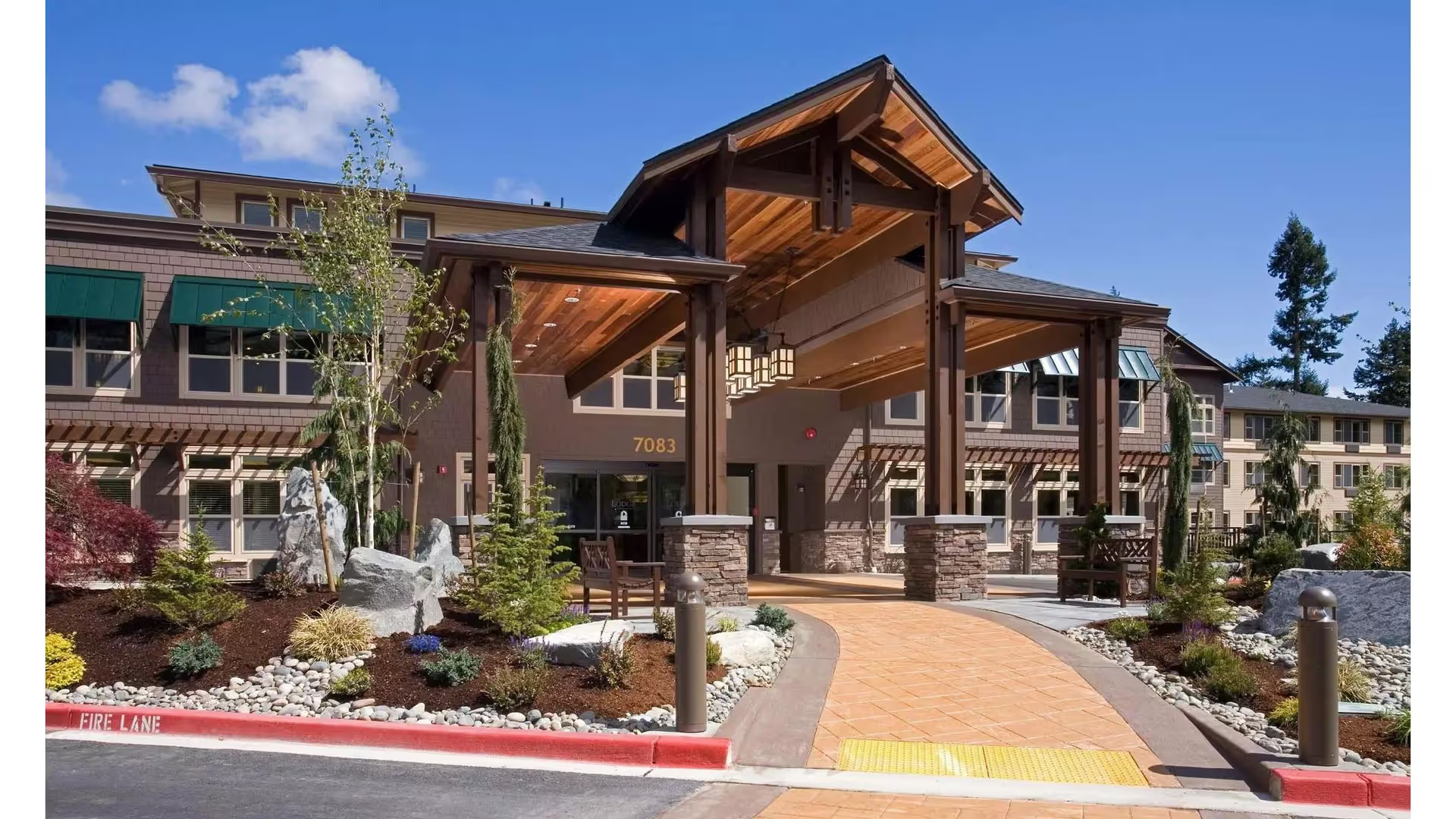
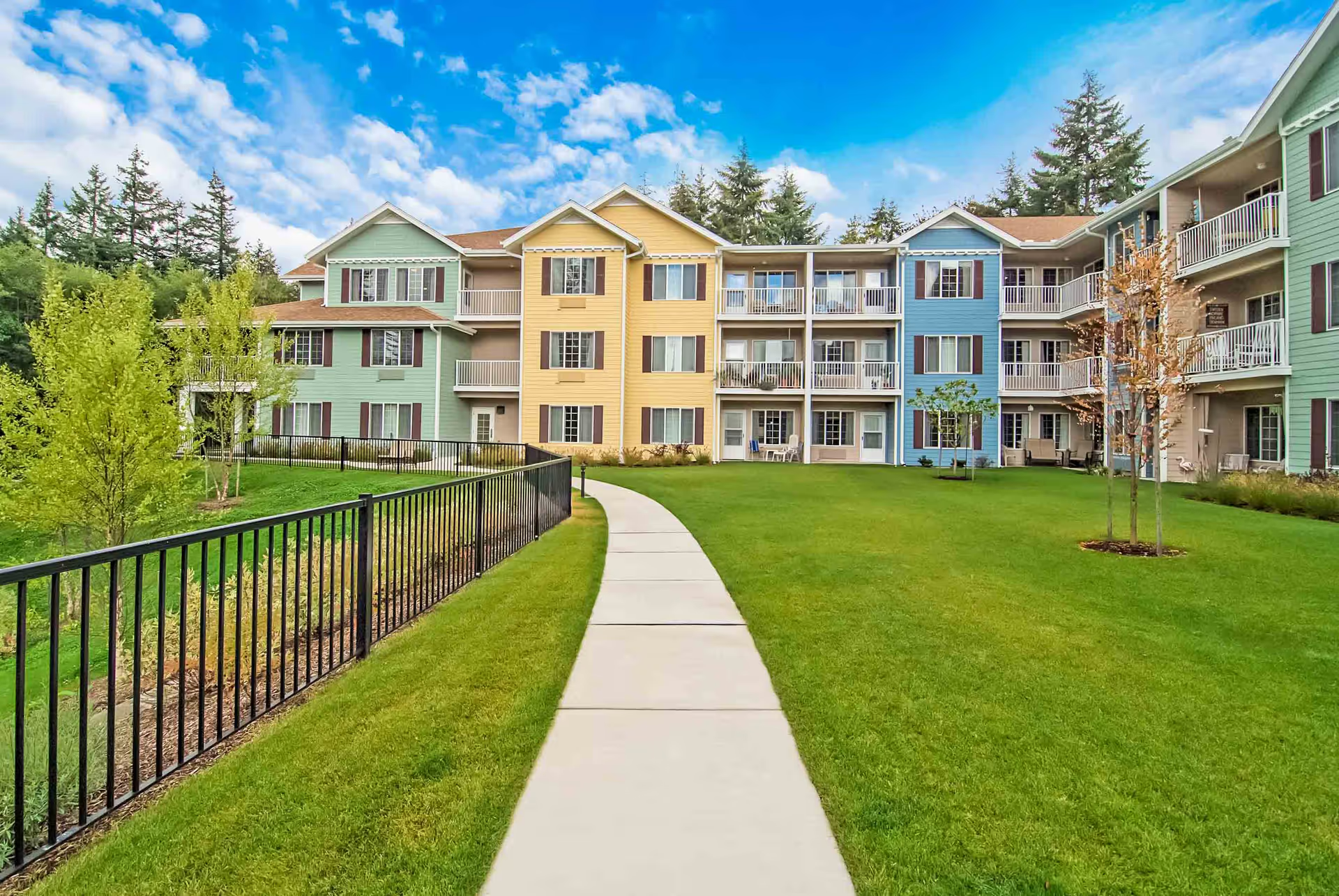
Maple Glen Assisted Living presents a generally positive picture in several operational areas while exhibiting a notable degree of variability across families' experiences. Strengths cited consistently include compassionate, attentive staff and an organized administrative team. Many families highlighted clean, pleasant apartments and common areas, a good facility layout, and communal amenities such as a rec room and walking trail. The location is described as quiet and scenic, with the practical benefit of proximity to a hospital and local services.
Care quality and staff behavior are described in mixed terms. A substantial number of accounts praise caregiving as respectful, resident-focused, and beneficial to quality of life; reviewers mention helpful staff who go above and beyond, resulting in improved family peace of mind. At the same time, other accounts raise concerns about inconsistent care quality, staff turnover, and occasional lapses in visible staffing (particularly at the front desk). These patterns suggest that while the baseline of care can be strong, staffing stability and consistent front-line presence are operational areas that may affect day-to-day experience.
Dining and activities are among the facility's more consistently positive features. Dining is characterized as very good, with three daily meals and flexible/customizable options rather than a rigid set menu. The activities program is described as engaging and reliably scheduled — examples include exercise classes, domino games, and organized recreational events — and contributes to residents’ social connection and satisfaction.
Facility maintenance and environment are generally praised: clean common areas, comfortable apartments, and a pleasant layout that supports resident interaction. Families also note the facility offers different unit types (apartments and studios) and is viewed by many as providing reasonable value for monthly fees.
Management and operational patterns show divergence in experience. Some families describe helpful, professional administration and constructive problem resolution; others describe slower or inconsistent management responsiveness and concerns about favoritism or unequal treatment. Safety-related operational issues are raised in multiple accounts, primarily around front-desk visibility, visitor greeting, and the adequacy of intake/safety-assessment procedures on move-in. These are procedural gaps rather than documented clinical incidents, but they are relevant to prospective families who prioritize visible supervision and consistent communication.
Overall, Maple Glen appears to deliver strong social programming, a well-kept physical environment, and many examples of compassionate caregiving. Prospective residents and families should weigh these strengths against indications of variability in staffing stability, front-desk presence, and management follow-through. If considering Maple Glen, visitors may want to observe front-desk staffing during different times of day, ask about staff turnover and safety-assessment procedures at move-in, and discuss management communication practices to gauge fit with their priorities.