Overview: Reviews of Shelton Health and Rehabilitation Center present a mixed picture. Many families and former residents praise the personal commitment of direct-care staff, the strength of the therapy team, and the facility’s recently refreshed physical environment; however, other accounts raise persistent operational concerns that affect clinical reliability, communication, and administrative trust. Prospective residents should weigh the facility’s rehabilitative strengths and warm-staff descriptions against recurring service-delivery and management issues described below.
Care and clinical safety: Several reviewers highlighted strong rehabilitation outcomes and attentive therapists, but there are repeated concerns about clinical reliability. Common operational themes include understaffing, delayed responses to call lights and clinical requests, and inconsistent nursing quality. Multiple comments point to lapses in medication-administration processes and delays in medication review or physician oversight; a few accounts described medication errors and subsequent hospital transfers, which suggest gaps in clinical-safety protocols that warrant verification during a tour or preadmission review. There are also mentions of skin-integrity and wound-monitoring concerns; families should confirm wound-care procedures and monitoring schedules when evaluating placement.
Staff and conduct: Direct-care staff, CNAs, and some unit nurses receive frequent praise for compassion and dedication, and several reviews describe a family-like atmosphere driven by long-term core staff. At the same time, reviewers describe uneven staff performance, turnover, and incidents reflecting poor tone or disrespectful communication. These comments indicate variability in interpersonal conduct and staff consistency across shifts; assessing shift coverage and meeting frontline staff during a visit is advisable.
Dining and activities: Feedback on dining is mixed. Some reviewers describe timely service, pleasant dining staff, and enjoyable meals, while others note inconsistent food quality and dissatisfaction with menu options. The facility’s activity program and community partnerships receive positive remarks for resident engagement, and therapy programs are repeatedly noted as a strength for post-operative and short-term rehabilitation.
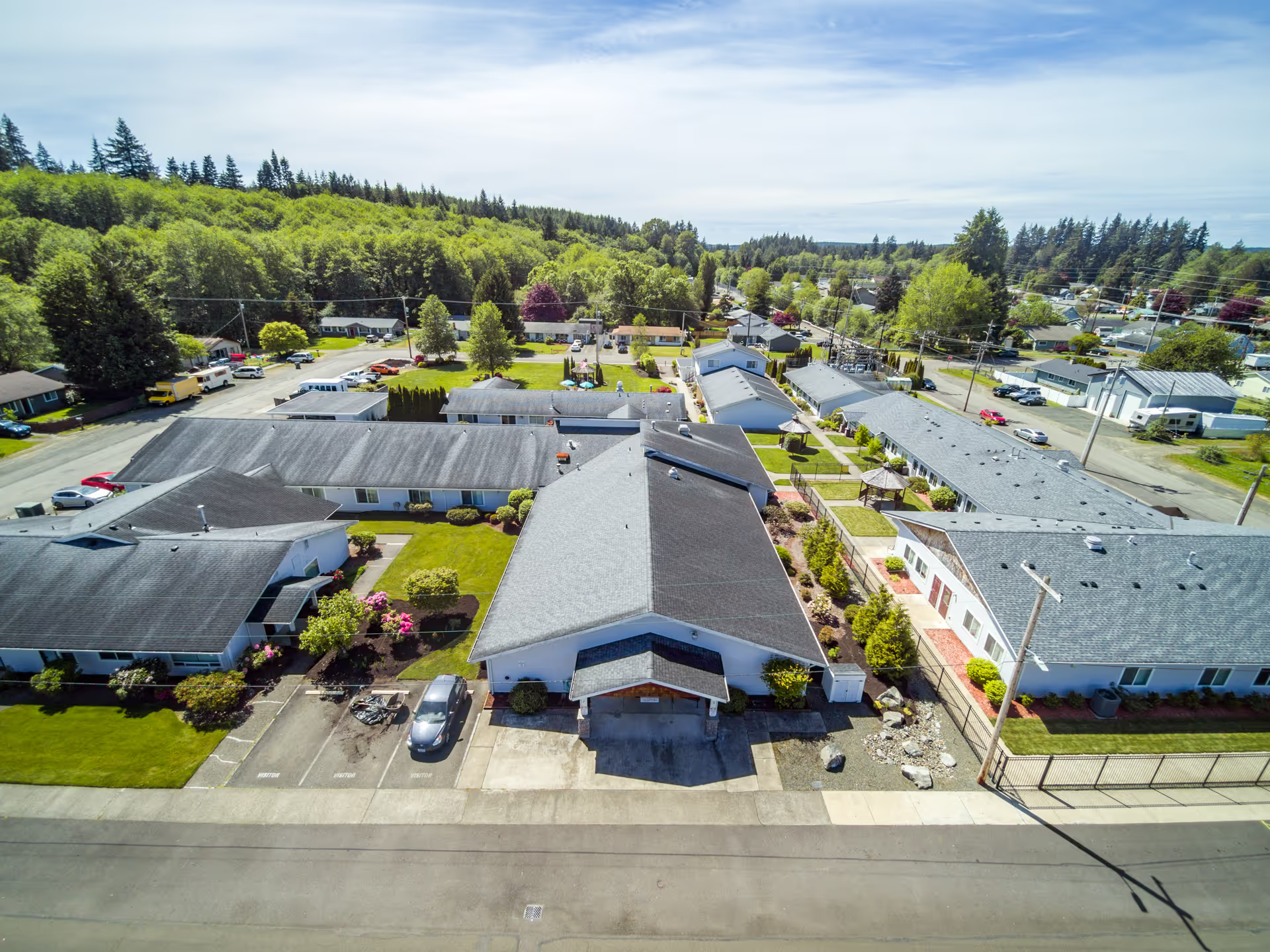
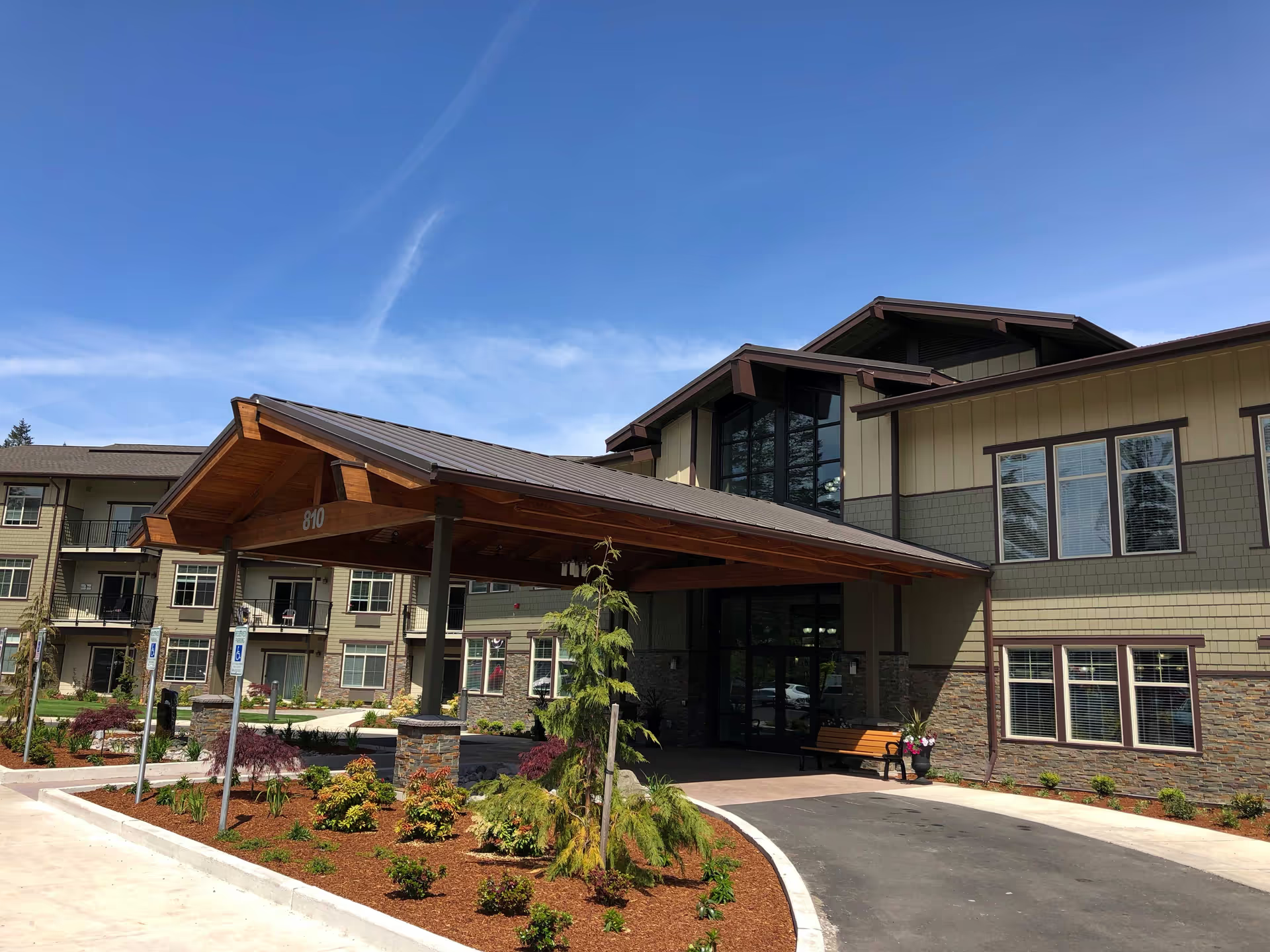
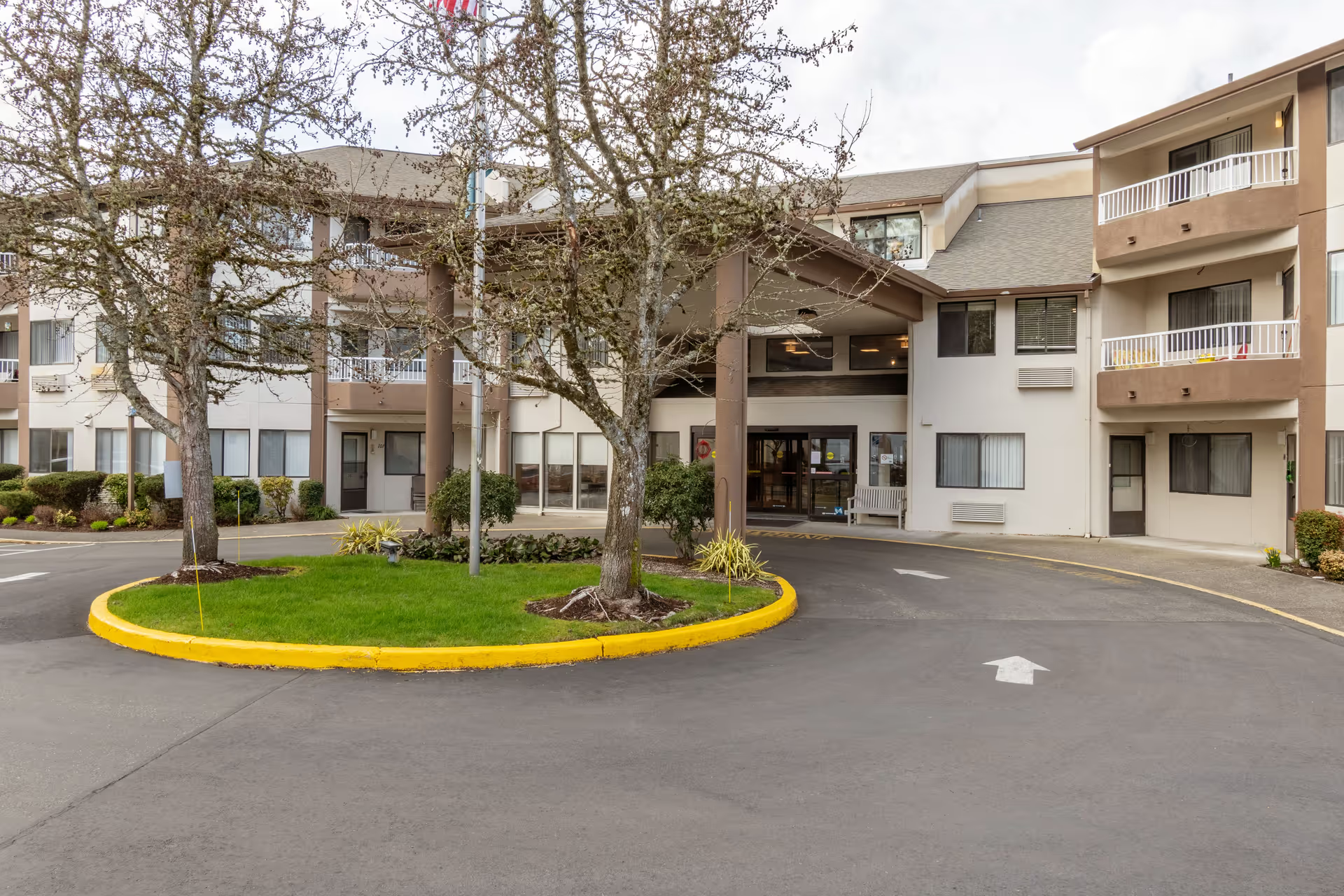
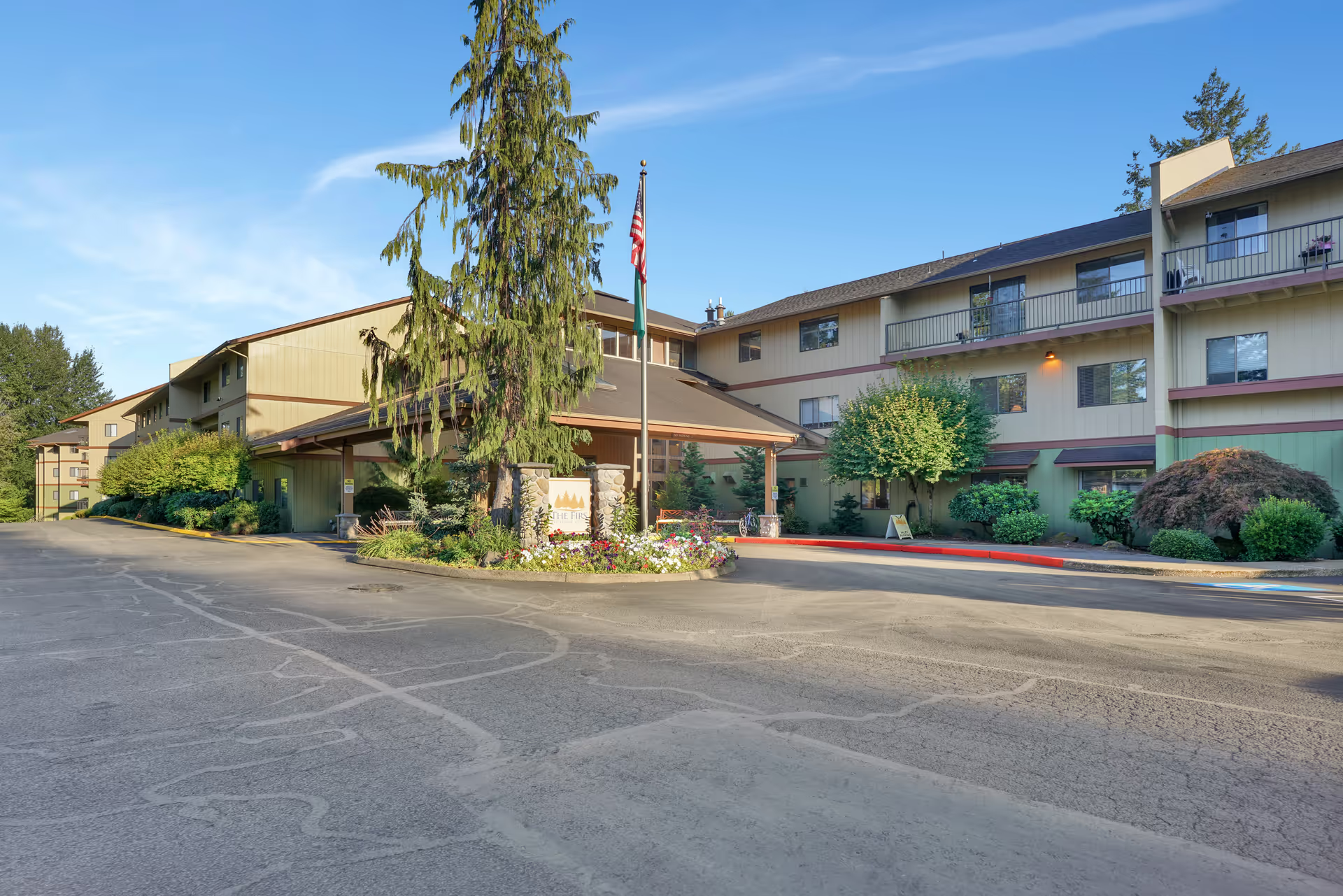
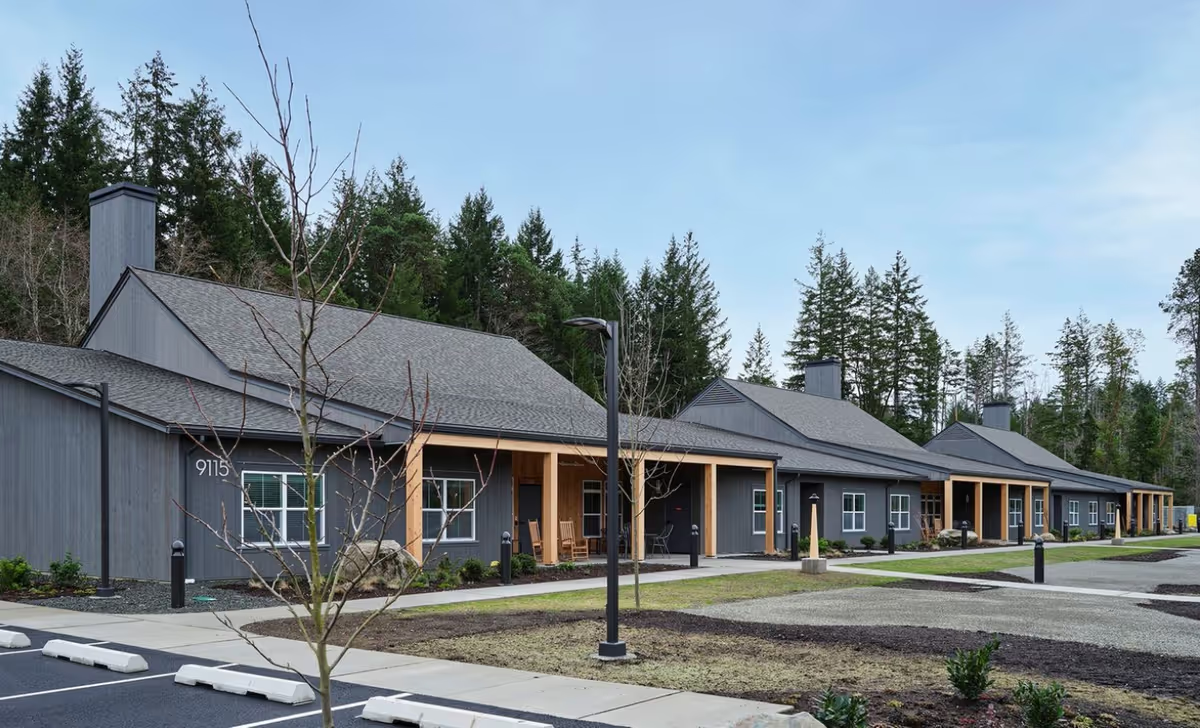
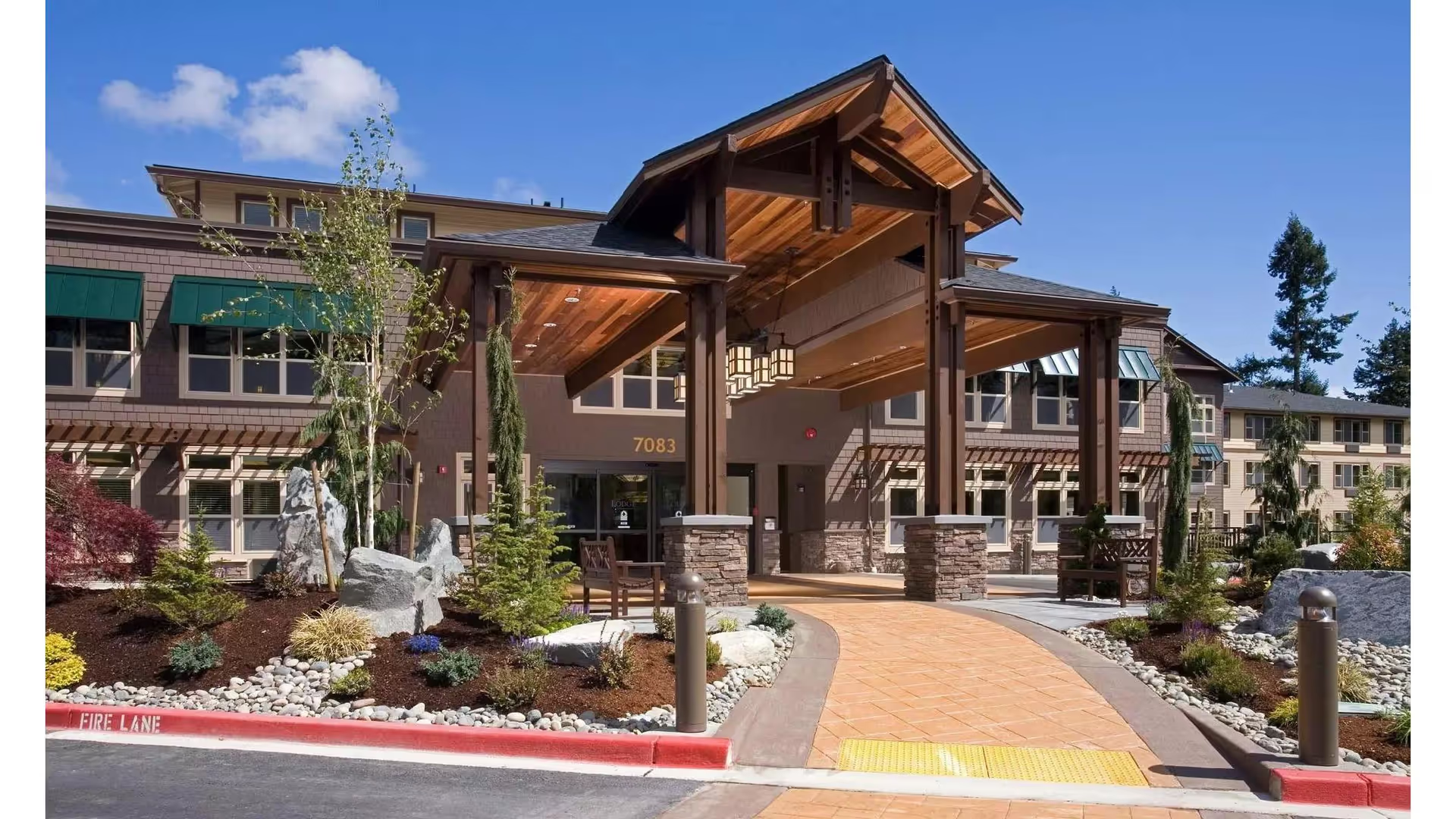
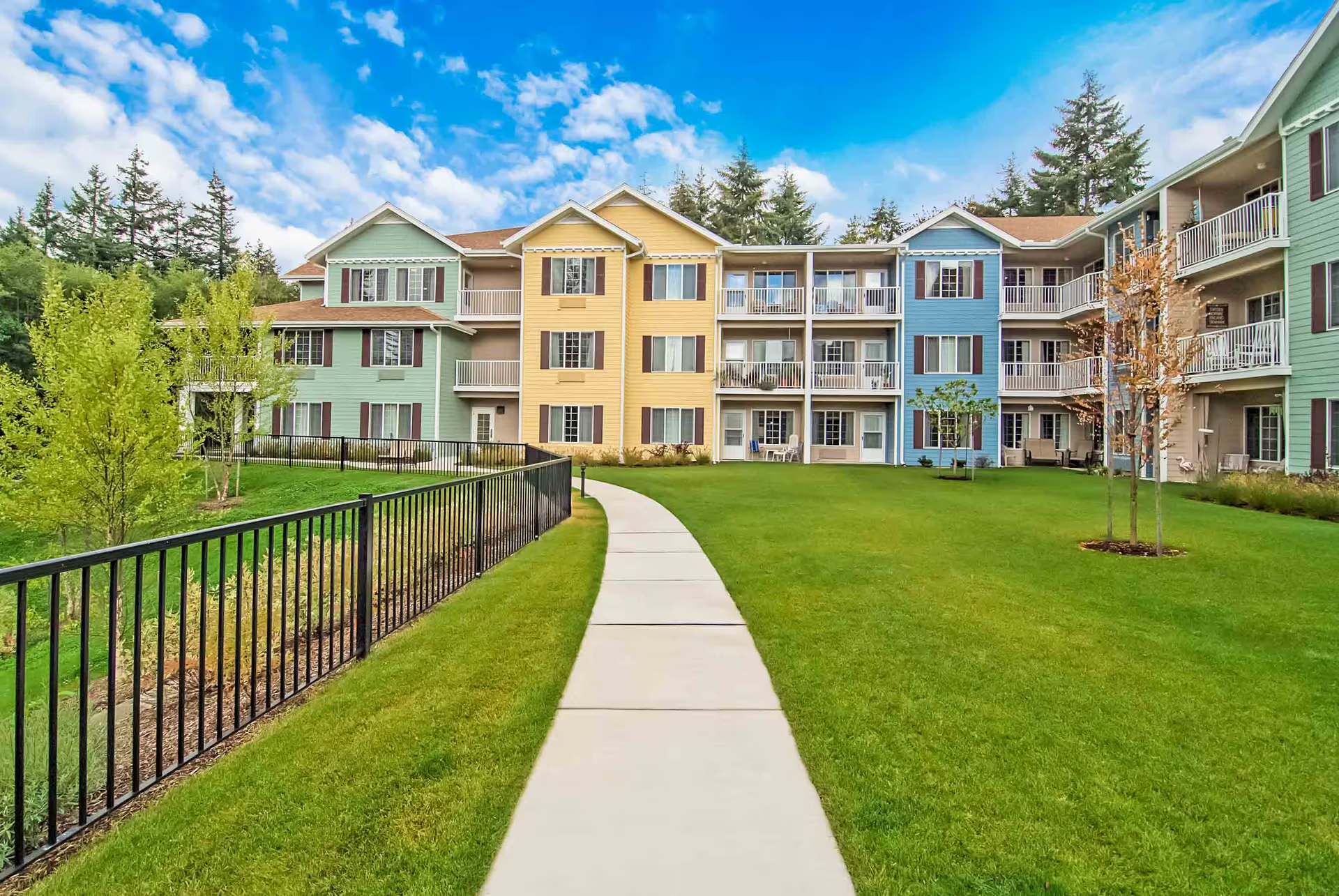
Facilities and accommodations: The physical plant is frequently described as clean and recently remodeled, with a friendly atmosphere in common areas. However, there are isolated sanitation concerns in specific areas and complaints about shared-room assignments and temporary placements that reduce privacy and continuity of care. Prospective residents should clarify rooming options and visitation/access policies before admission.
Management, administration, and billing: Leadership and social services staff are praised by some families for clear communication and support; conversely, other reviewers describe administrative failures including billing disputes, trust-account management issues, and problems with discharge coordination. At least one review alleges missing personal items and financial mishandling, which raises concern about asset-management practices. Families should request written billing procedures, visitation/contact protocols, and a clear discharge plan to mitigate those risks.
Notable patterns and recommendations: The overall pattern is one of strong interpersonal caregiving and effective therapy set against inconsistent operational execution. Strengths center on compassionate frontline staff, effective therapy services, and a pleasant facility environment. Weaknesses are concentrated in staffing consistency, timely clinical response, medication and physician oversight, communication at discharge, and some administrative/billing processes. Before deciding, families should (1) observe multiple shifts to assess staffing and responsiveness; (2) ask for specific medication‑management and incident-communication protocols; (3) review billing and trust-account procedures in writing; and (4) confirm rooming options and dementia-care resources if relevant. These steps will help determine whether the facility’s rehabilitative strengths and caring staff align with an individual resident’s clinical and administrative needs.