Overall impression: Reviews of Avamere Rehabilitation of Shoreline describe a facility with notable strengths in therapy, dining, and individual caregiver dedication, alongside recurring operational weaknesses that affect clinical reliability and family communication. Positive accounts emphasize compassionate staff, strong rehabilitation programming, and a generally well-maintained environment; negative accounts outline delays in care, inconsistent clinical oversight, and lapses in administrative follow-through.
Care quality and clinical oversight: Several reviewers praised the therapy and rehabilitation teams as skilled and responsive, noting successful mobility and functional gains. At the same time, a substantial theme across reviews is variability in clinical oversight — examples include delayed medication administration, abrupt medication changes, missed or delayed vital-sign checks, and concerns about how transfers or discharges were handled. These patterns suggest inconsistent adherence to clinical protocols across shifts and situations rather than uniformly poor or uniformly excellent clinical performance.
Staff behavior and staffing patterns: Many families described individual staff members as compassionate, patient-focused, and attentive; these staff members are frequently credited with positive resident experiences and good end-of-life support. Contrastingly, reviewers also described unresponsive or brusque interactions, particularly at night or at the front desk/phone lines. This creates a pattern of strong day-shift caregiving presence paired with uneven night coverage and customer-service consistency. Language barriers among staff were mentioned as an occasional impediment to clear communication.
Dining and activities: Dining receives mixed-to-positive feedback. Several reviewers complimented diverse menus, accommodating approaches for dietary restrictions (allergies, diabetes), and consistently good cooks. There are also comments about variable meal quality and limited rehab therapy time for some residents. Activity programming, including musical events and social gatherings, was noted positively and contributes to resident engagement in many accounts.
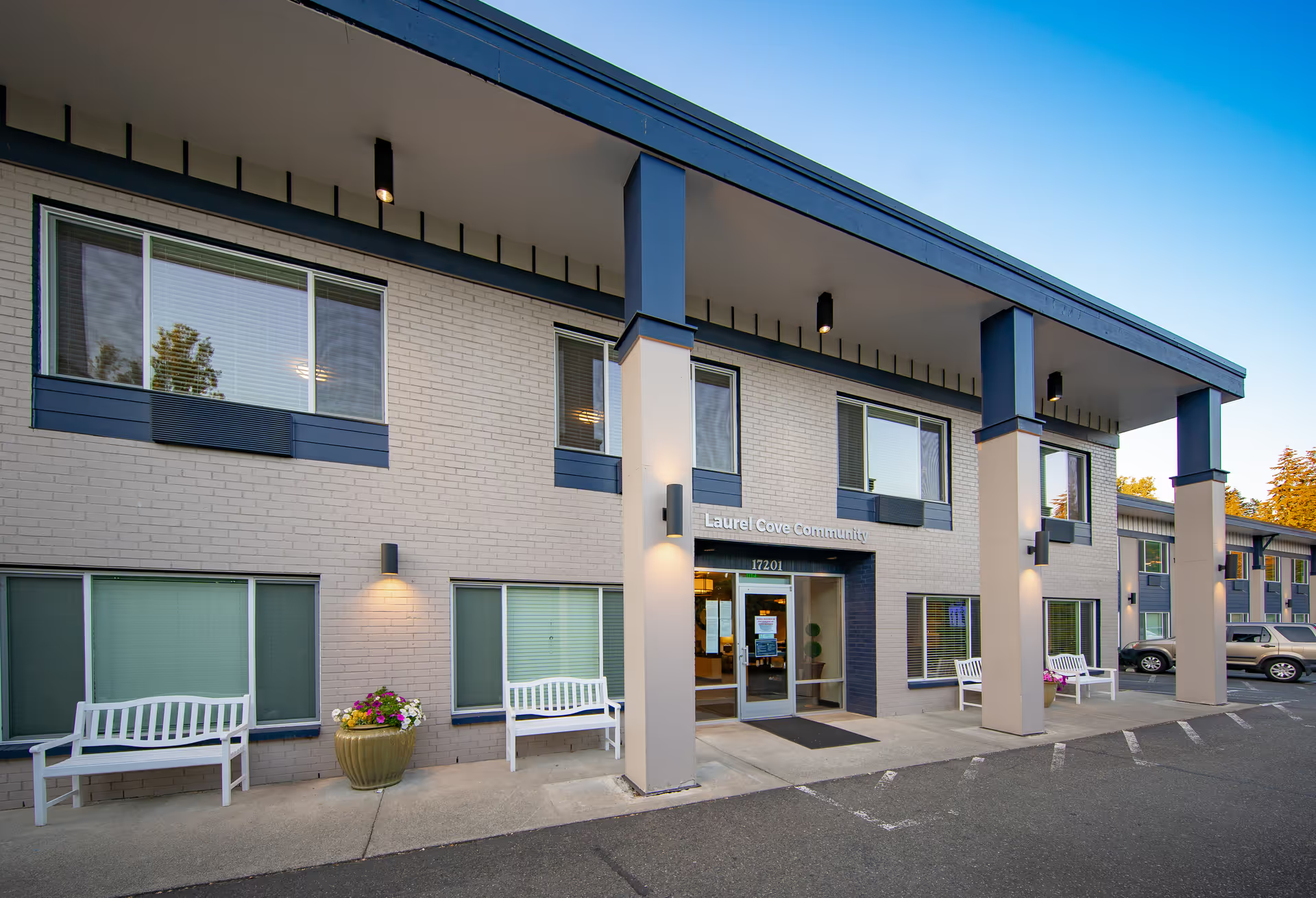
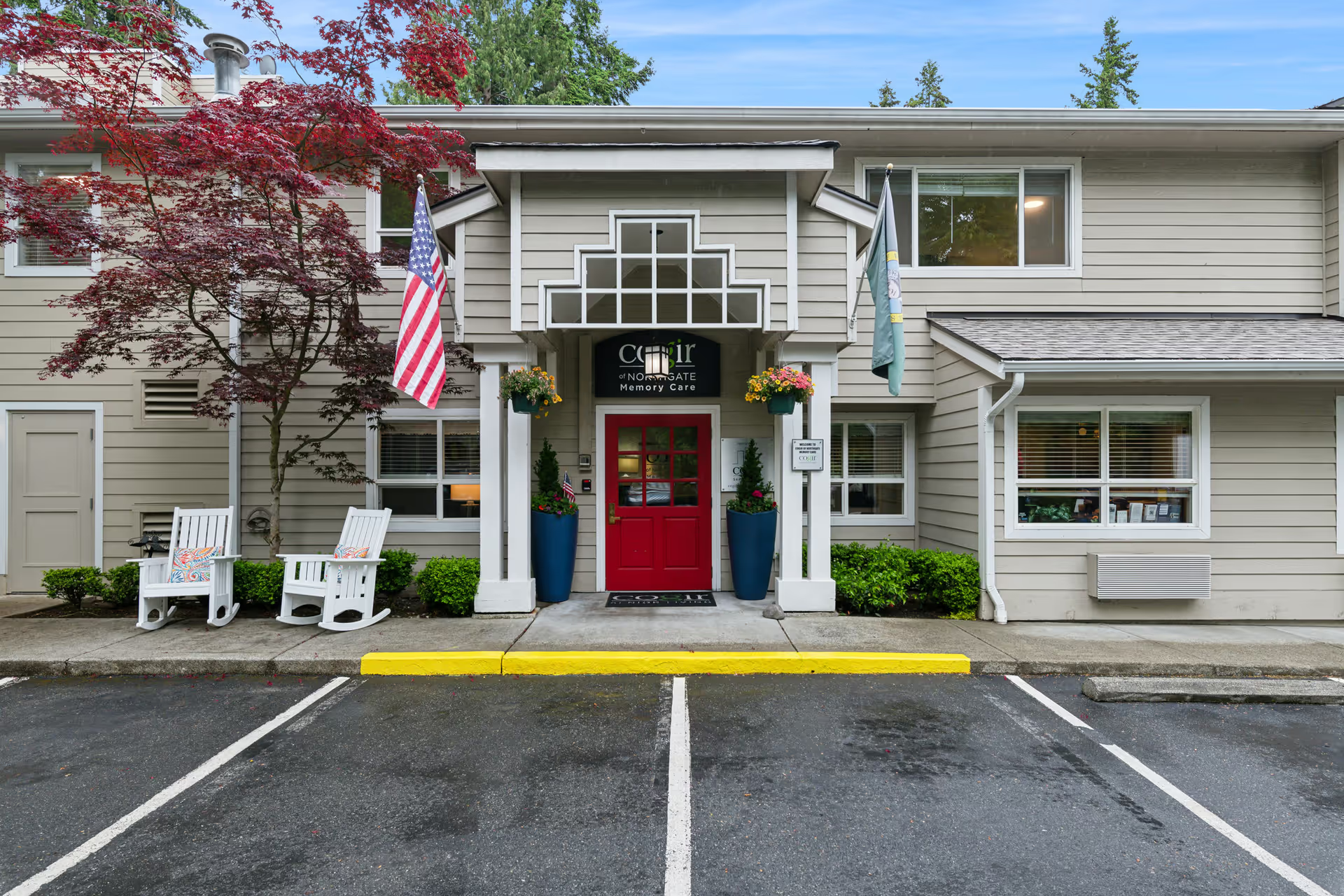
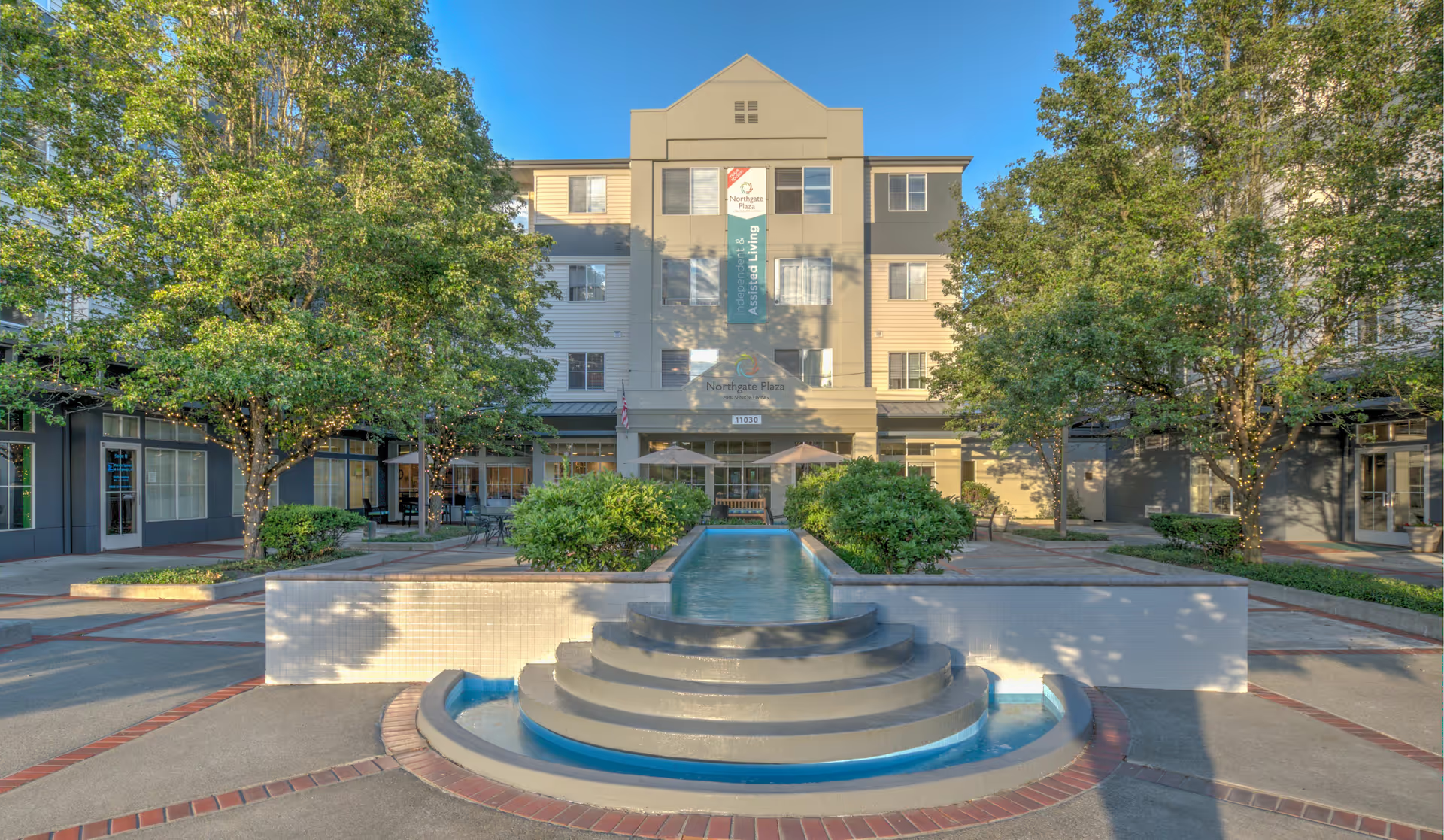
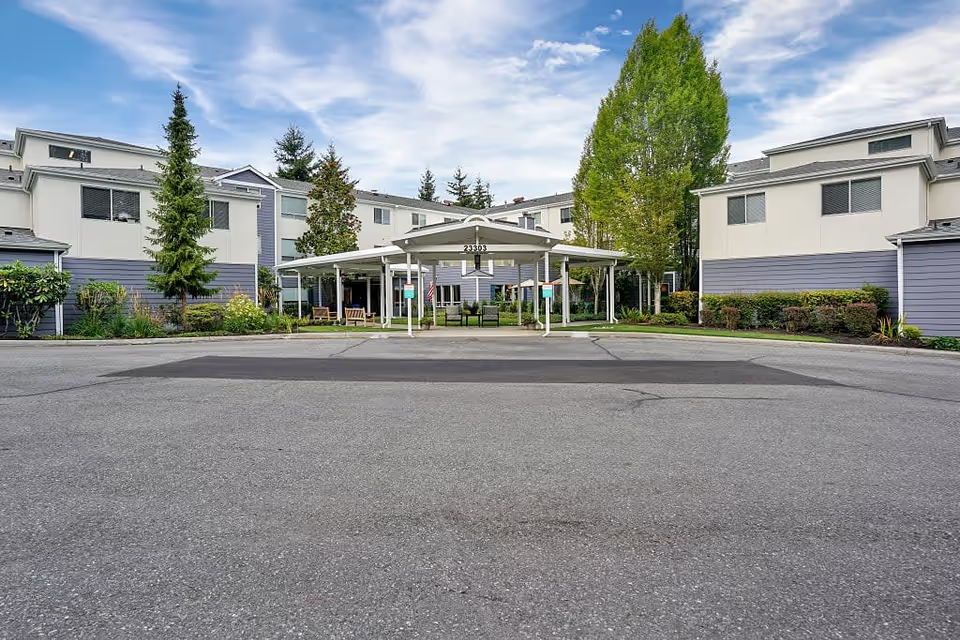
Facilities, belongings, and sanitation: Many comments reflect a physically well-maintained facility and attractive grounds. However, there are recurring sanitation and odor concerns in some areas, as well as multiple accounts of lost clothing, personal items, and family photos. These issues point to weaknesses in property control and inventory procedures rather than construction or housekeeping standards alone.
Management and communication: Reviews show a split experience with leadership and management. Some families reported responsive, friendly managers who worked well with them; others described poor communication, unreturned calls, hung-up phone interactions, and lack of transparency around critical events, including concerns following a resident's death. There are a few serious allegations that financial incentives influenced care-transition decisions; those are presented as allegations and indicate a need for clearer discharge/retention policies and stronger oversight.
Notable patterns and guidance for families: The overall pattern is one of high variability — strong rehabilitation services and committed individual caregivers can coexist with operational gaps in responsiveness, documentation, and escalation procedures. Prospective residents and families should consider in-person observations of staffing levels during both day and night, clarify medication-management and emergency-transfer protocols, verify inventory procedures for personal items, and establish clear communication channels with unit leadership before admission. For those prioritizing robust therapy and compassionate individual caregivers, the facility may offer meaningful benefits; for families prioritizing consistent 24/7 responsiveness and near-perfect administrative reliability, the variability described in reviews suggests careful, targeted inquiry is advisable.