Overall impression: Cogir of Northgate is described primarily as a small, home-like memory-care community with a strong emphasis on personal attention and compassionate caregiving. Reviewers consistently cite a warm atmosphere, inviting apartments, and a program of services oriented to residents with cognitive impairment. The facility is generally characterized as clean and well maintained, with on-site clinical supports and an admissions team that many families found helpful during transition.
Care and staff: Care quality is frequently praised. Caregivers are described as patient, dignified, and affectionate; nursing and medication-technical support are noted as attentive, and there are on-site geriatrics, podiatry, and salon services that families found convenient. Low staff turnover and visible staff commitment are recurring positives. At the same time, there are operational concerns around management responsiveness: families noted inconsistent follow-up on complaints, occasional front-desk professionalism gaps, and more serious allegations about waste-handling and staff conduct that indicate gaps in accountability. These management and accountability issues appear to be intermittent but consequential when they arise.
Dining and fees: Dining receives mixed but generally positive commentary — meals are described as satisfactory and community events include thoughtful food and beverage options. However, several reviewers raised concerns about meal quantity or portioning. Financially, the facility is positioned at a premium level: reviewers repeatedly mention high fees, substantial price increases, and opaque billing or refund processes (including delayed or disputed refunds). Billing and fee transparency are a clear area of dissatisfaction and a common source of lost trust for families.
Activities and social life: The community offers a wide range of programming — watercolors, crafts, music and sing-alongs, animal visits, chair yoga, gardening, movie nights, and off-site outings — and seasonal or annual events that generate strong engagement and social benefit. Staff are commended for creative adaptation of activities to different dementia levels. That said, activity engagement is uneven: some residents participate enthusiastically while others observe or spend time watching television. Prospective families should assess how programming is individualized to a given resident’s interests and abilities.
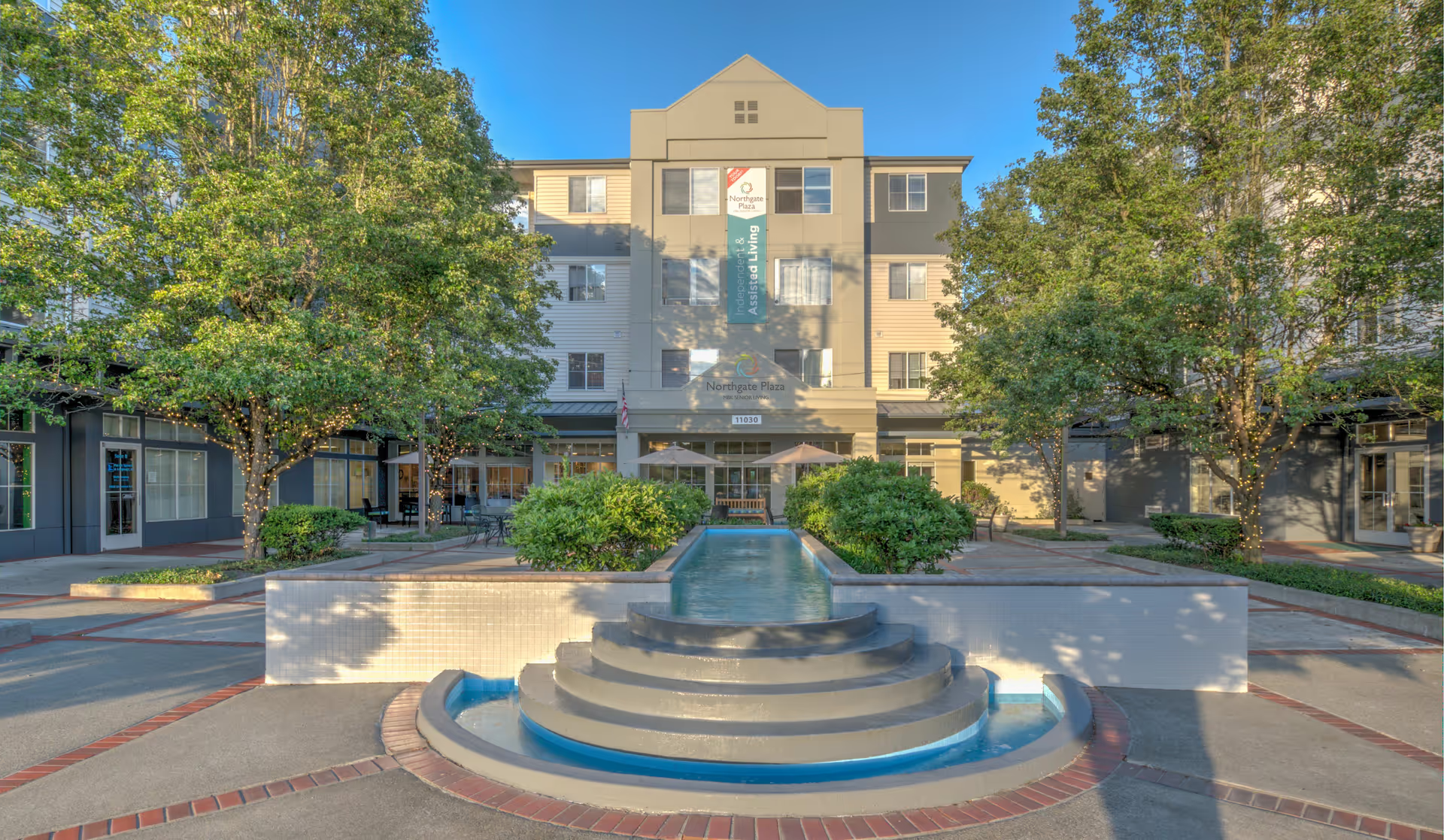
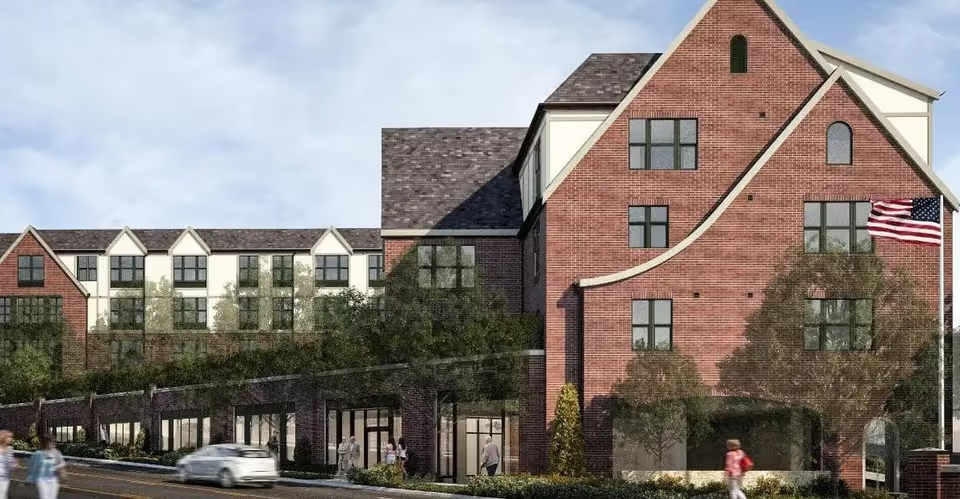
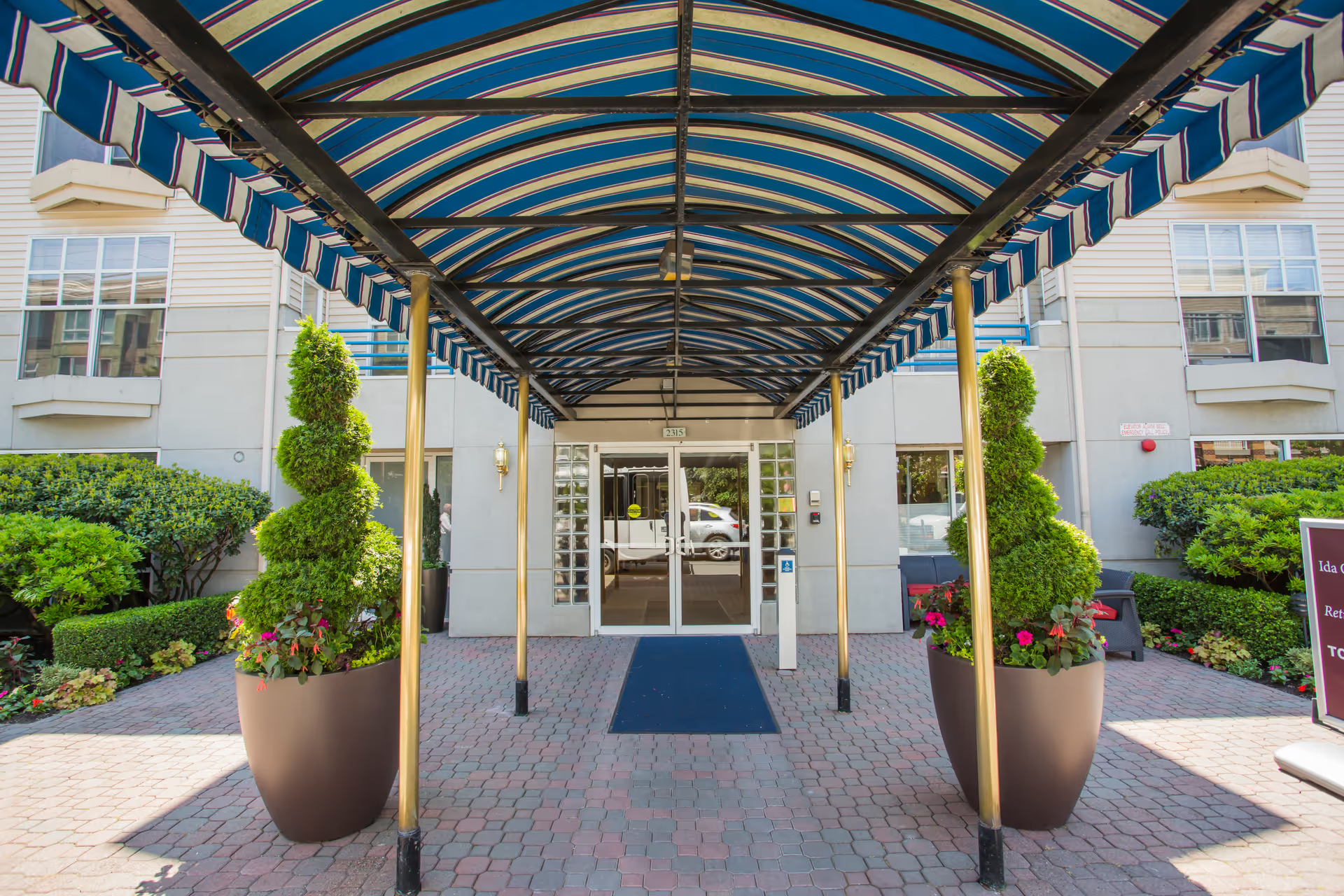
Facilities and environment: Physical spaces are generally praised — bright, inviting rooms, well-kept grounds, and a comfortable back patio — contributing to a walkable, homey feel. Some reviewers suggested additions such as carpeting in common areas or more comfortable community seating. A subset of visitors found the busy-street location and limited outdoor space less desirable. Operational issues such as driveway obstruction and visitor-access management were mentioned and may affect day-to-day convenience.
Notable patterns and considerations: The dominant pattern is a strong caregiving culture and meaningful programming balanced against operational weaknesses in management communication, billing transparency, and a few procedural lapses (waste handling, visitor access). Many families felt their loved ones thrived socially and medically, while others were dissatisfied primarily because of costs and administrative handling of payments or complaints. For prospective residents and families, key topics to clarify during a tour include billing/refund policies, escalation pathways for concerns, sample activity participation for residents with similar needs, outdoor access, and food-portion practices. This community appears well-suited to families prioritizing compassionate, memory-focused care and a small, personal environment, while those sensitive to price increases or administrative responsiveness should investigate contractual and operational details before committing.