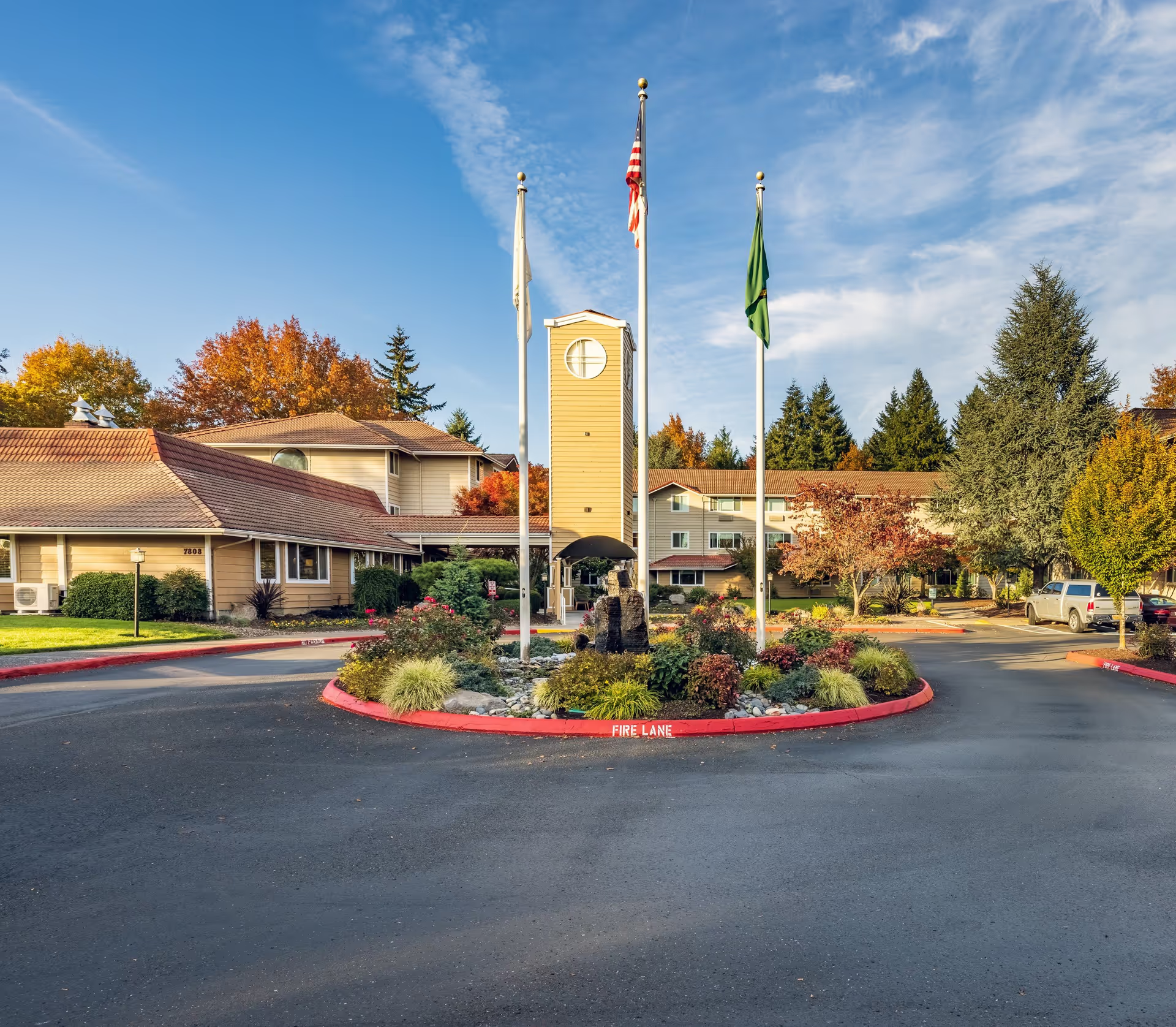
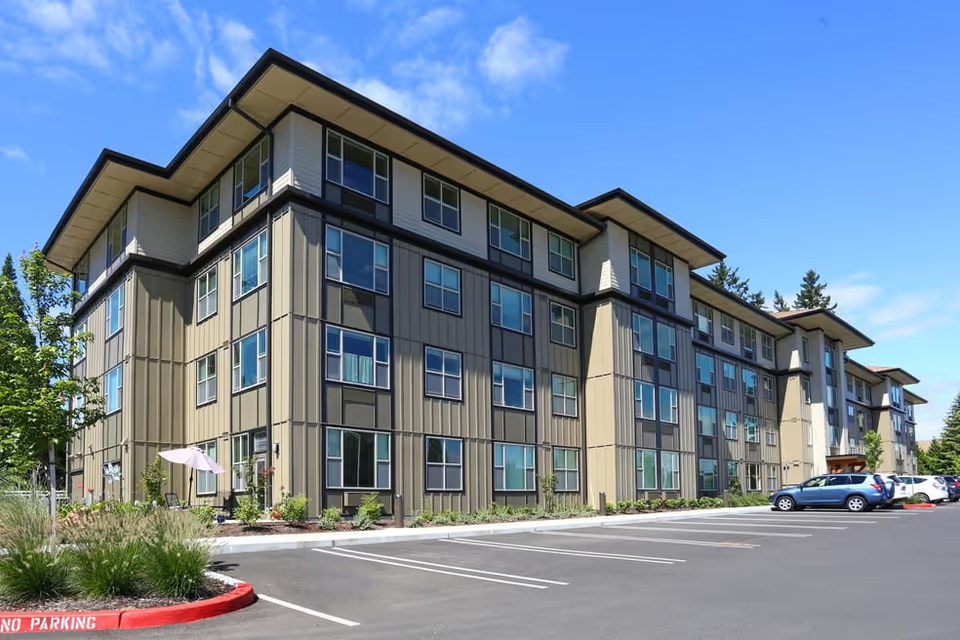
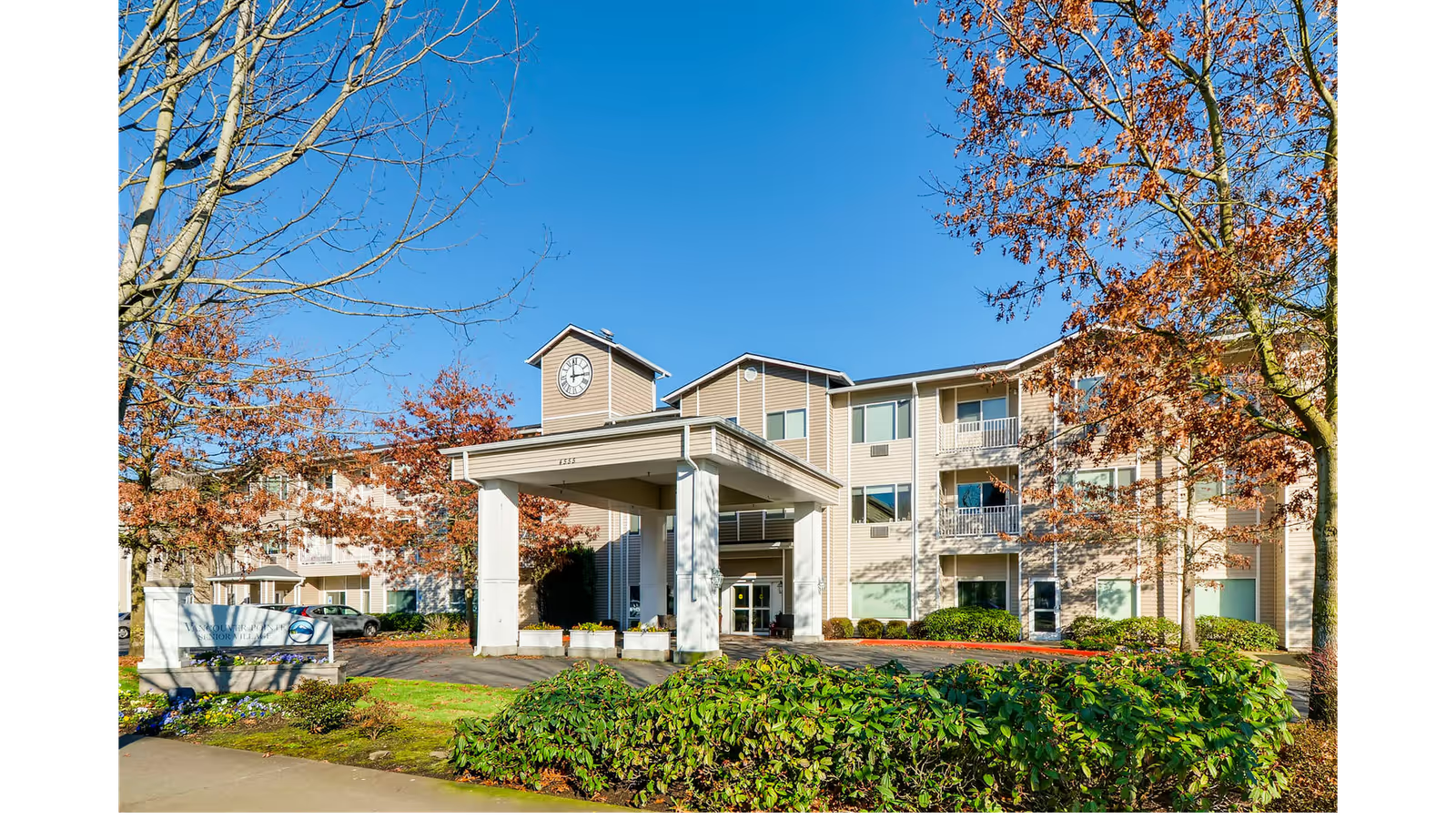
Bonaventure of Salmon Creek presents a split picture: the campus and many frontline staff receive frequent praise for physical amenities, social programming, and individual moments of dedicated service, while recurring operational issues raise concerns about reliable care delivery for higher-need residents.
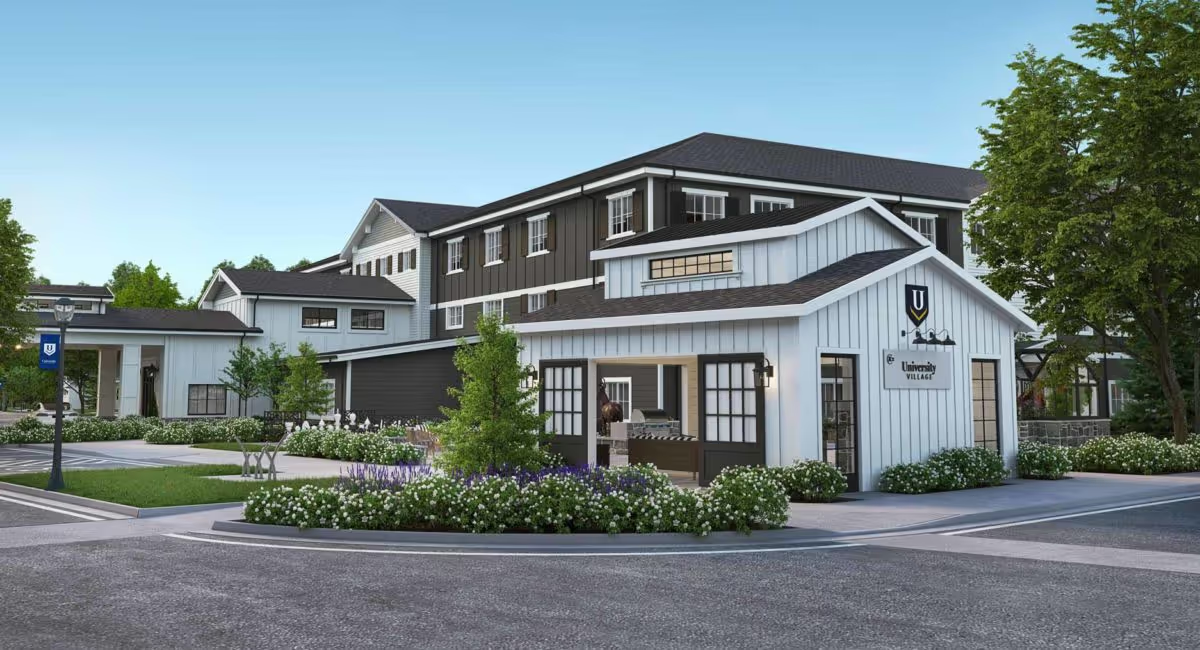
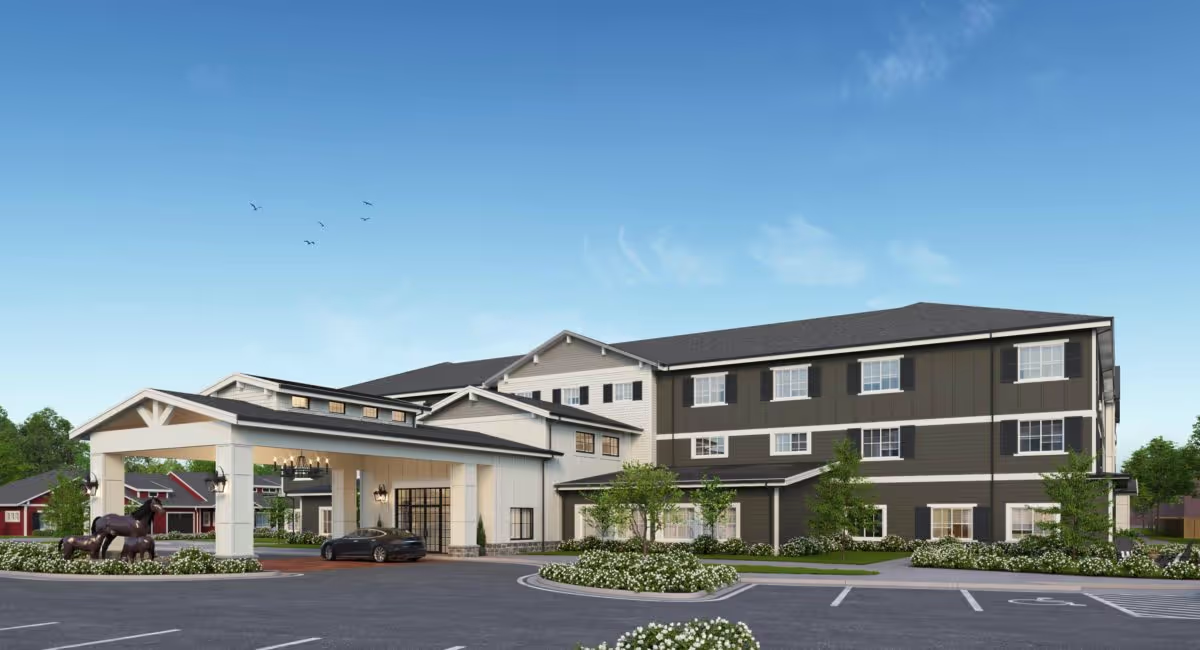
Facilities and lifestyle: The community is widely described as modern, clean on first impression, and resort-like, with spacious apartment layouts, large bathrooms with walk-in showers, and many shared amenities such as a dining room, coffee bar, theater, exercise and craft rooms, and salon services. The activities program is a clear strength — offerings include day trips, themed events, music and baking watch parties, gardening, exercise classes, and frequent social opportunities that contribute to a strong sense of community for many residents.
Care and staffing: Many reviewers praise individual caregivers and clinical staff for compassion, responsiveness, and coordination with hospitals. However, a prominent and repeated concern is chronic understaffing and high staff turnover. That pattern is linked to operational consequences: inconsistent bathing and hygiene schedules, long call-light response times, and limitations in meeting toileting and other hands-on needs. Several accounts describe medication-administration and documentation problems, creating questions about clinical reliability and continuity of care. The memory-care unit, in particular, is described by some as having insufficiently experienced staff and needing more supervision and training to safely support residents with higher-acuity cognitive needs.
Dining and nutrition: Dining receives mixed evaluations. Some families find food appealing and appreciate dining options, while others report variable food quality, meals served at inappropriate temperatures, and failures to adhere to texture-modified (dysphagia) diets. Meal-service continuity and staffing during meal periods are cited as stress points; understaffing at mealtimes can affect assistance for residents who need help eating.
Operations, management, and billing: A consistent theme across reviews is uneven administrative performance. Families commend particular employees and departments for excellent service, yet many note weak communication from management, instances of lost paperwork, and lapses in follow-through on promised services. Billing and invoicing concerns — including unexpected charges, unclear fee policies, and disputed move-out billing — appear often enough to warrant careful review of contract terms. Housekeeping and contracted services are described as inconsistent: some residents experience reliable maid service, while others report weeks without scheduled cleaning or unmet paid services.
Safety and value considerations: The combination of staffing shortages, inconsistent clinical practices, and administrative lapses has led some families to view the community as a poor fit for residents who require reliable toileting, medication oversight, or intensive memory care. There are also isolated but serious accounts that raise concerns about incident notification and property security; prospective residents and families should review state inspection records, ask for staffing ratios and training protocols, and clarify billing and service commitments in writing.
Recommendation for prospective families: Visit in person during peak activity times, request recent staffing ratios and turnover data, ask specific questions about diet-modification procedures and medication administration protocols, and obtain a clear, itemized explanation of fees and housekeeping/laundry services. For residents with moderate-to-high clinical or memory-care needs, seek concrete assurances about staff training, supervision, and contingency staffing. For those prioritizing a lively social environment and modern amenities, the community offers strong lifestyle features, but families should ensure operational reliability aligns with care expectations before committing.