Highgate Senior Living - Vancouver is consistently characterized by reviewers as a small, family-style community with strong emphasis on personalized, compassionate caregiving. Many families and residents praise the memory-care expertise on site, the presence of licensed nursing coverage for extended hours, and a high caregiver-to-resident ratio that supports personalized care plans, medication management, and responsive call-button responses. Move-ins, transitions, hospice coordination, and end-of-life support are frequently described as well managed and humane. The culture of the community is often described as warm and inclusive, with staff-to-resident relationships forming a core strength.
Staff and leadership receive repeated positive mention for approachability, proactive communication, and hands-on involvement. Reviewers cite attentive administrative practices, frequent family nights, and strong coordination between nursing staff and families. At the same time there are operational concerns that prospective families should probe: reviewers note variability in day-to-day staffing levels, occasional distracted staff conduct (for example phone use), and discrete comments suggesting localized workplace-culture issues. These points suggest the importance of asking about current staffing patterns, staff turnover, and supervisory oversight during a tour.
Dining and programming are clear strengths for many residents. Meals are described as nutritious, chef-prepared, and influenced by a nutritionist; reviewers credit the dining team with measurable improvements in resident weight and appetite. Programming is broad — live music, sing-alongs, exercise classes, outings, and specialty events are frequently cited — and the activity team is regularly praised. That said, some reviews describe longer mealtime waits and variability in activity engagement, particularly for some memory-care residents; families should discuss how the activity program is adapted for varying cognitive levels and confirm timing/meal-service logistics.
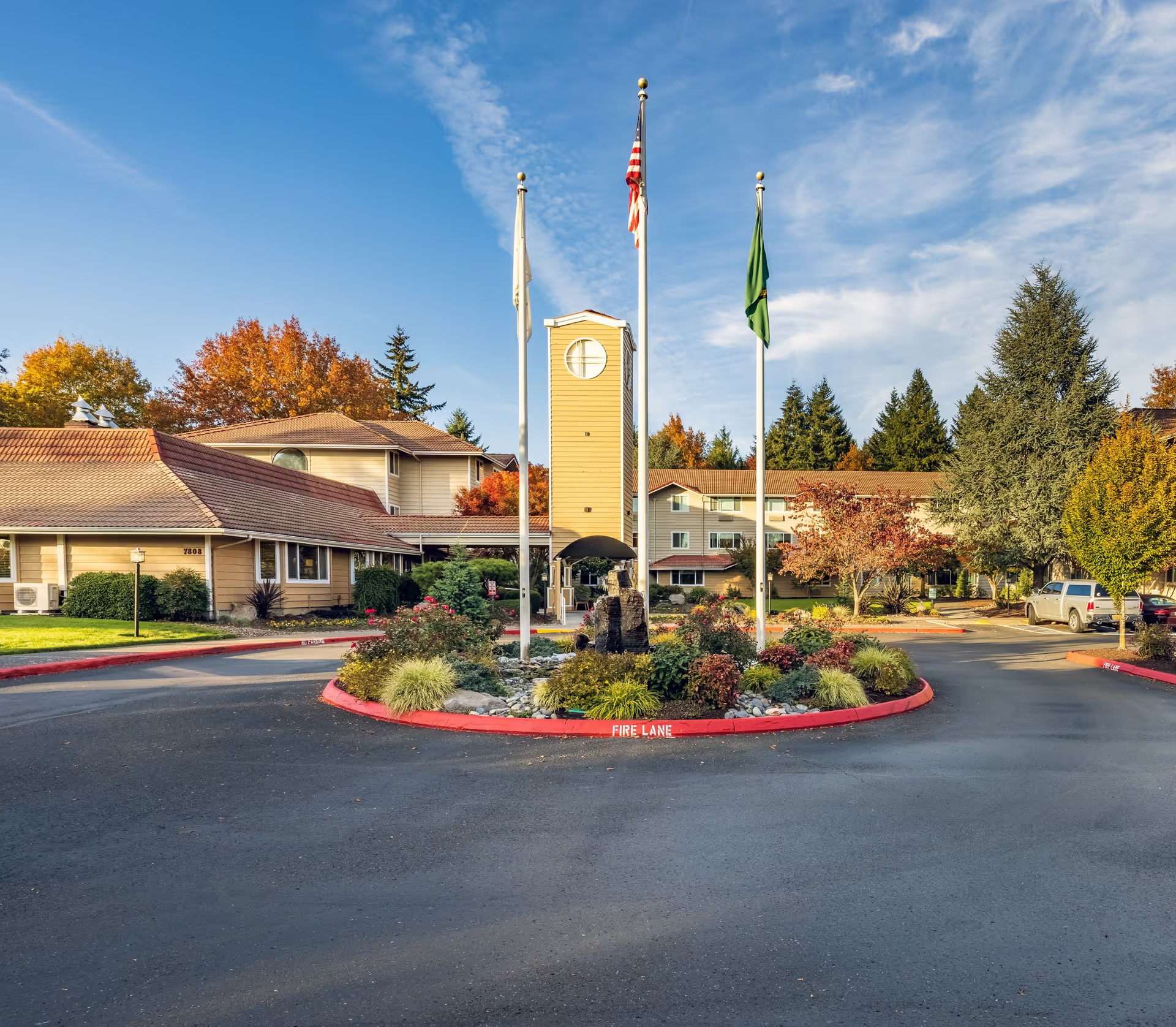
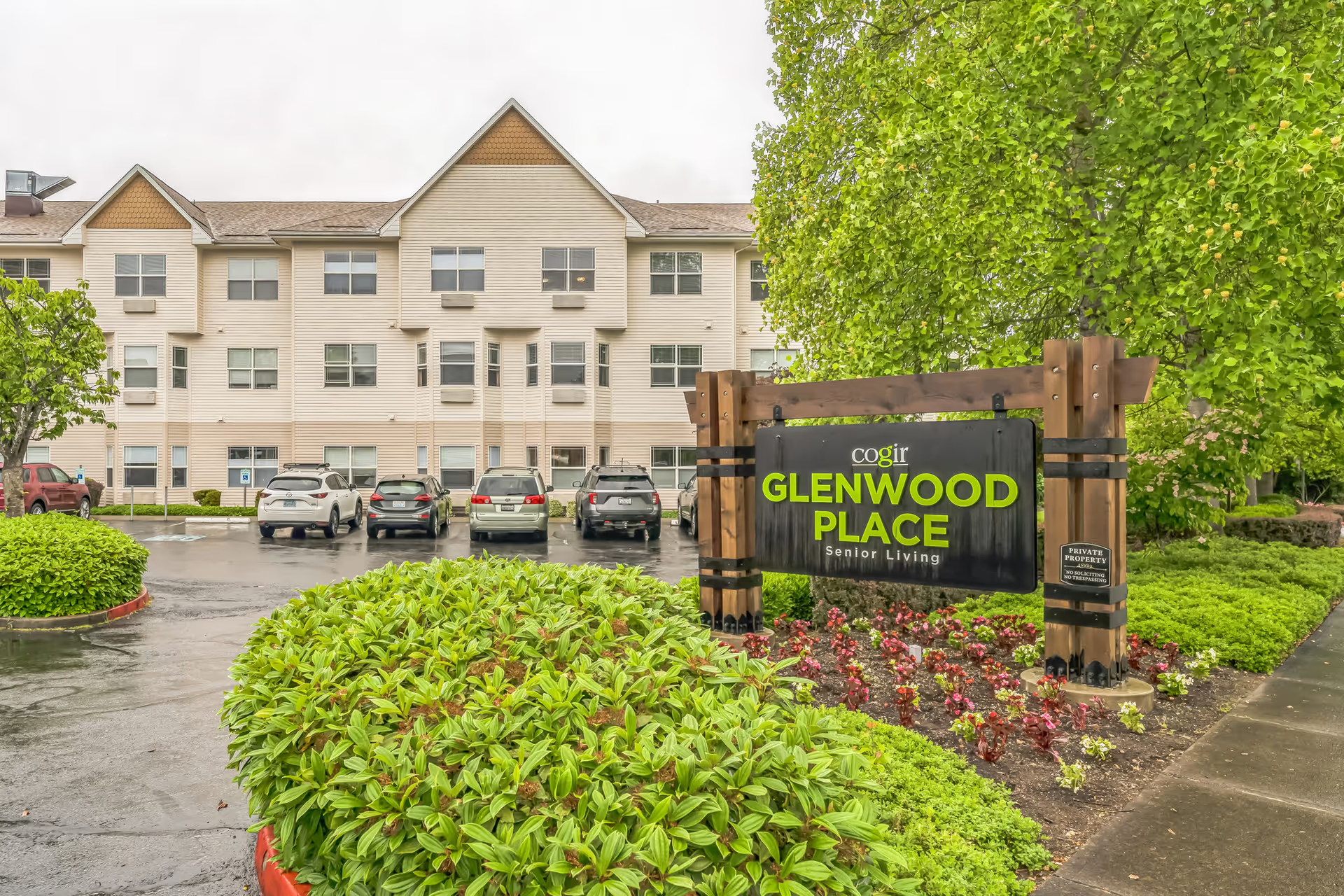
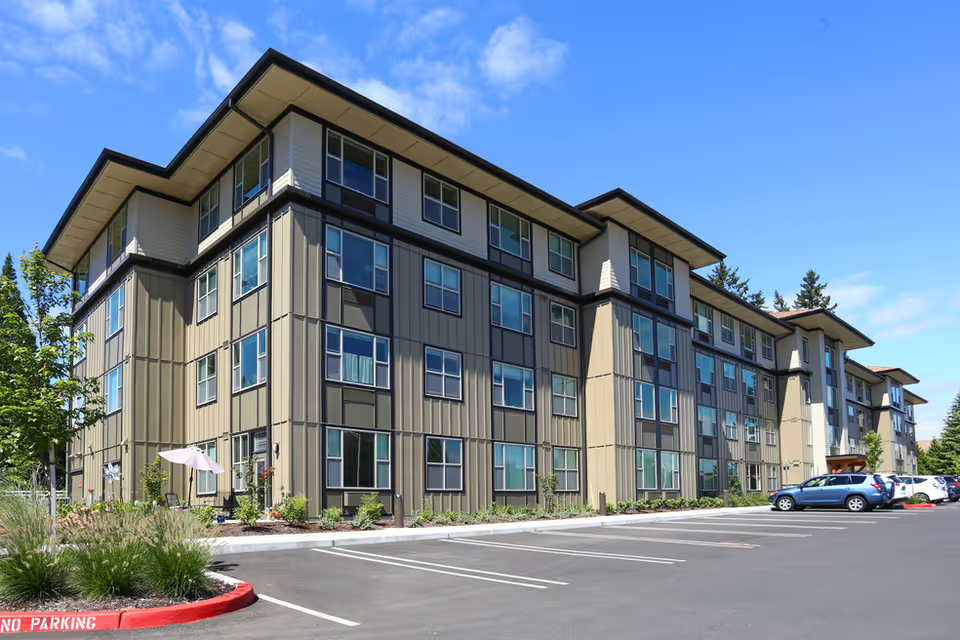
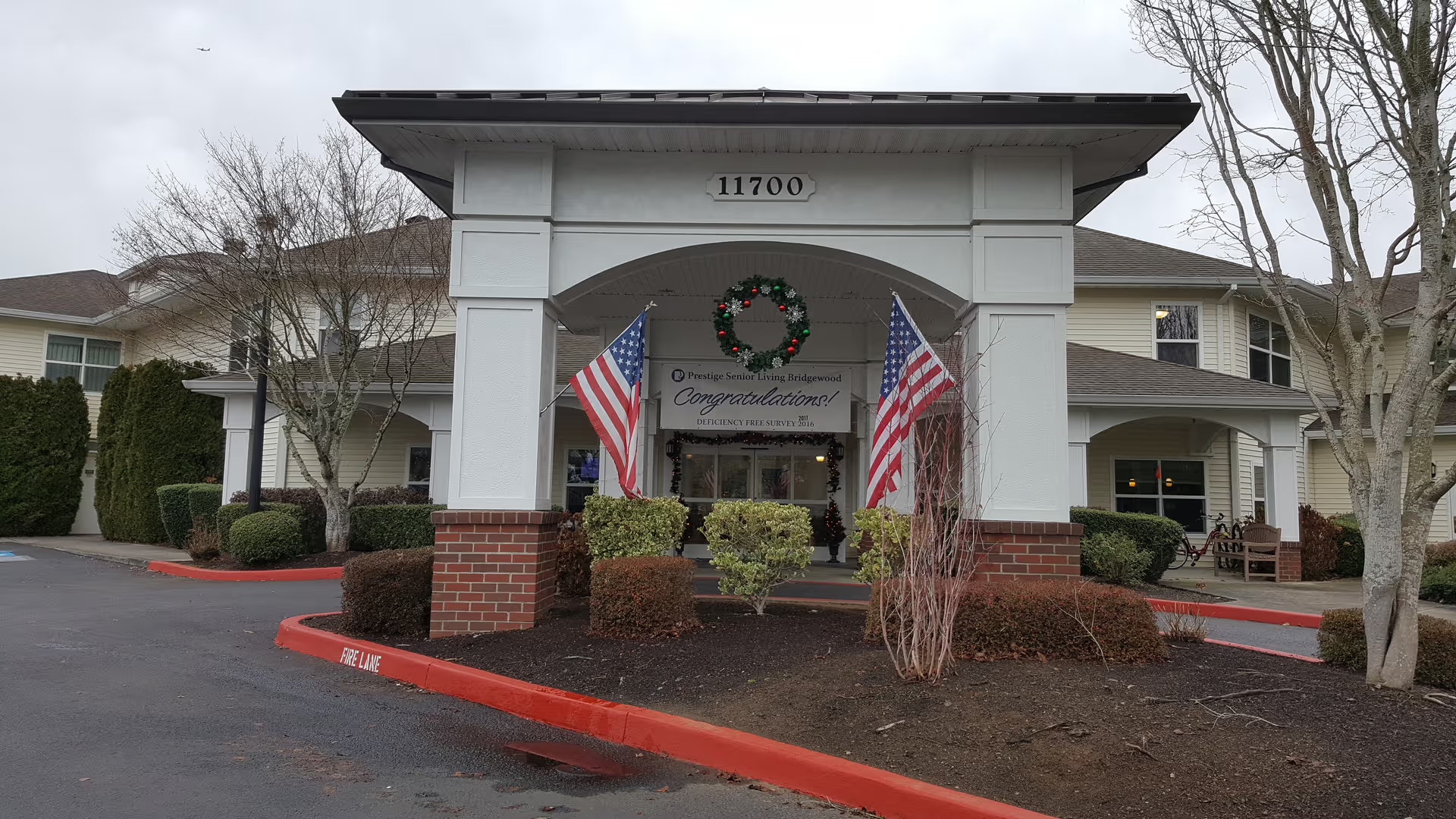
Facilities are generally described as clean, well-kept, and attractively decorated, with secure grounds, villas/two-bedroom options, and bright patios. The small, intimate scale is a selling point for residents seeking a quieter setting. However, reviewers also call out physical-plant limitations: smaller apartment footprints in portions of the building, darker rooms or limited views in some units, and parking or accessibility inconveniences in winter months. A few reviewers flagged specific safety and egress vulnerabilities in building layout that warrant verification during an in-person visit or safety audit.
Notable patterns requiring attention: there are isolated but serious concerns referenced in the review set, including sanitation/cleanliness issues in select areas, an allegation of a hostile work environment, and concerns following a resident's death. These items appear infrequently but are significant; prospective families and regulators may wish to seek documentation of corrective actions, infection-control practices, staffing supervision, and incident follow-up procedures.
Overall, Highgate Vancouver presents as a community with considerable strengths in person-centered care, strong family engagement, varied programming, and attentive nursing oversight. Prospective residents and families will likely appreciate the small-community feel and active social calendar. When evaluating the community, visitors should confirm current staffing consistency, observe a meal period, review memory-care activity adaptations, and inspect unit layouts and safety features to ensure the environment matches their clinical and lifestyle priorities.