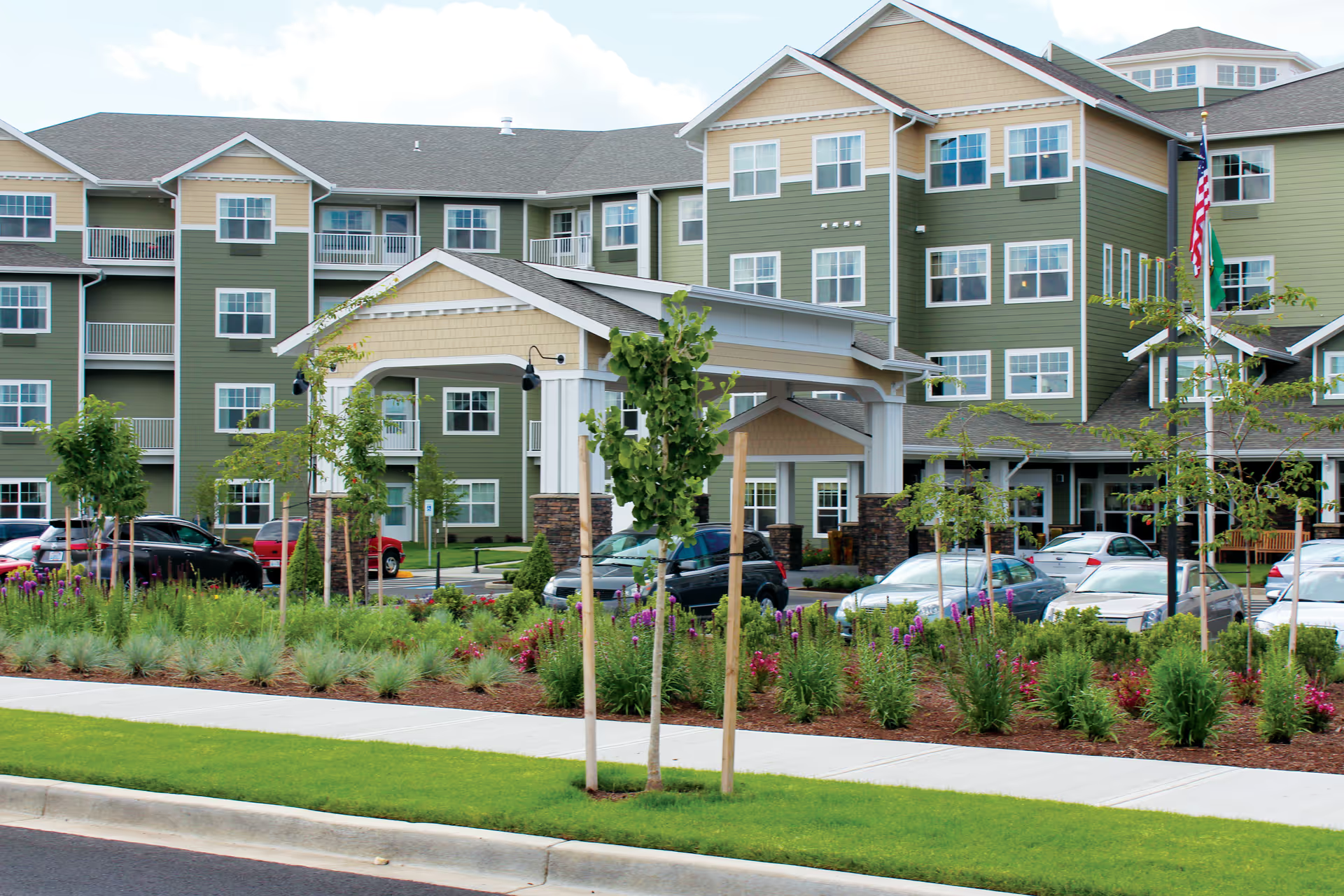
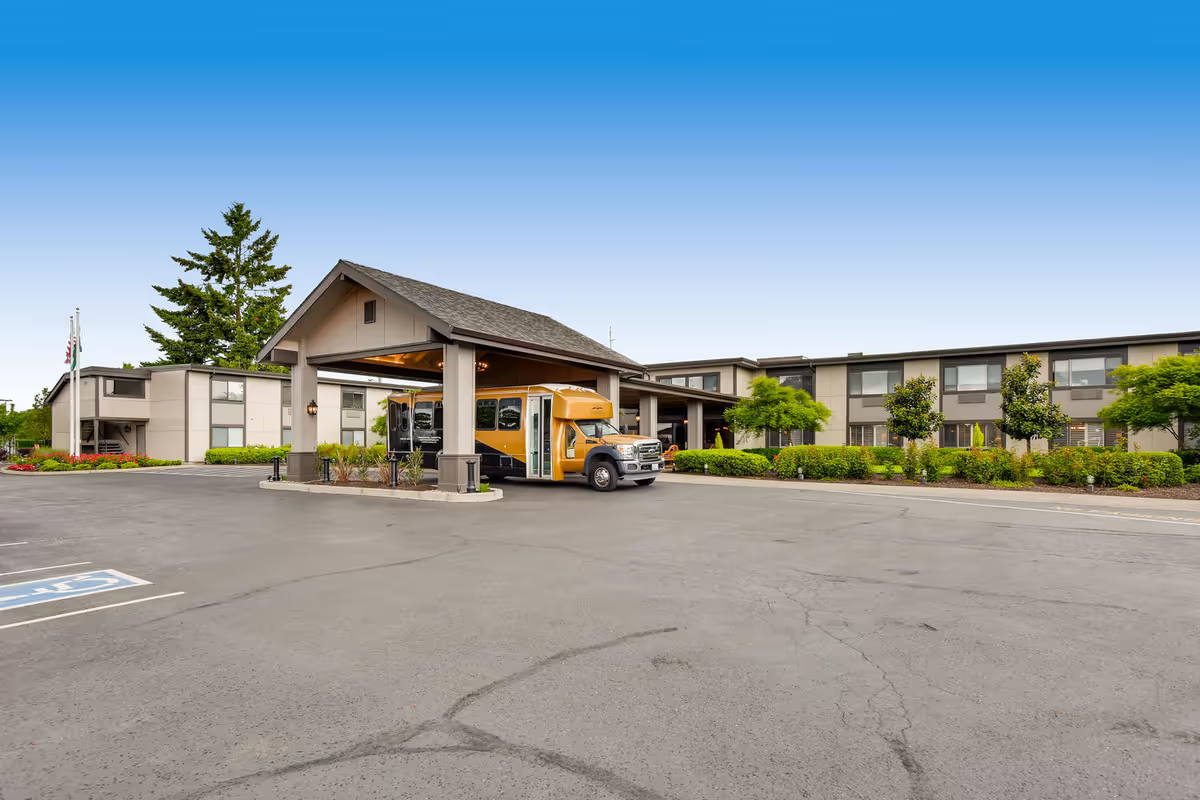
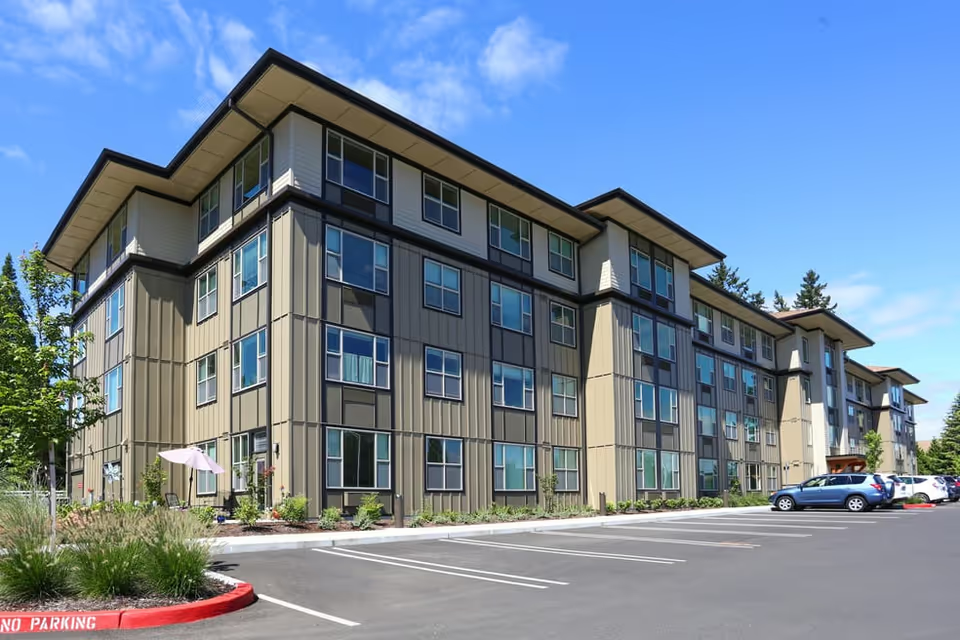
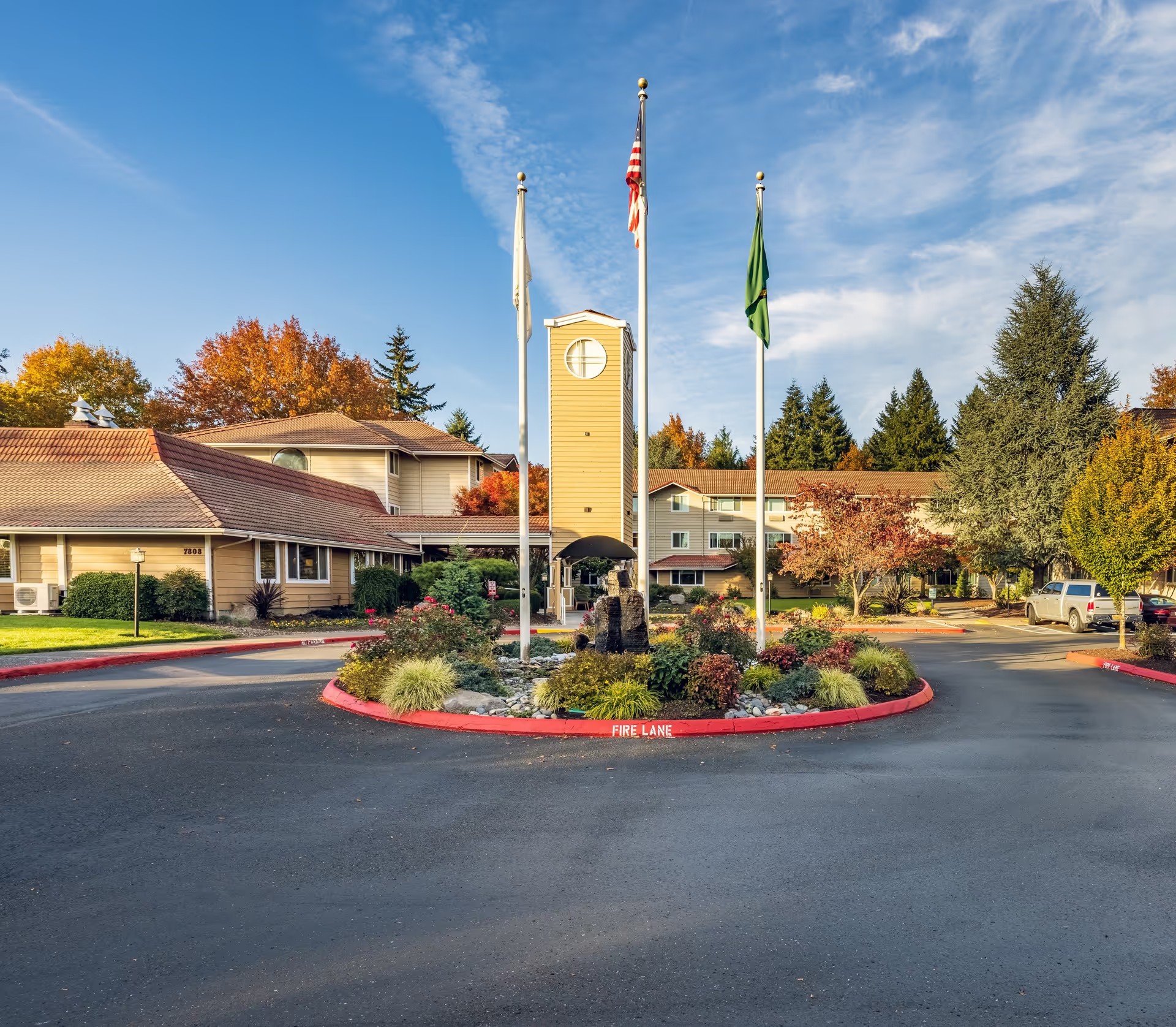
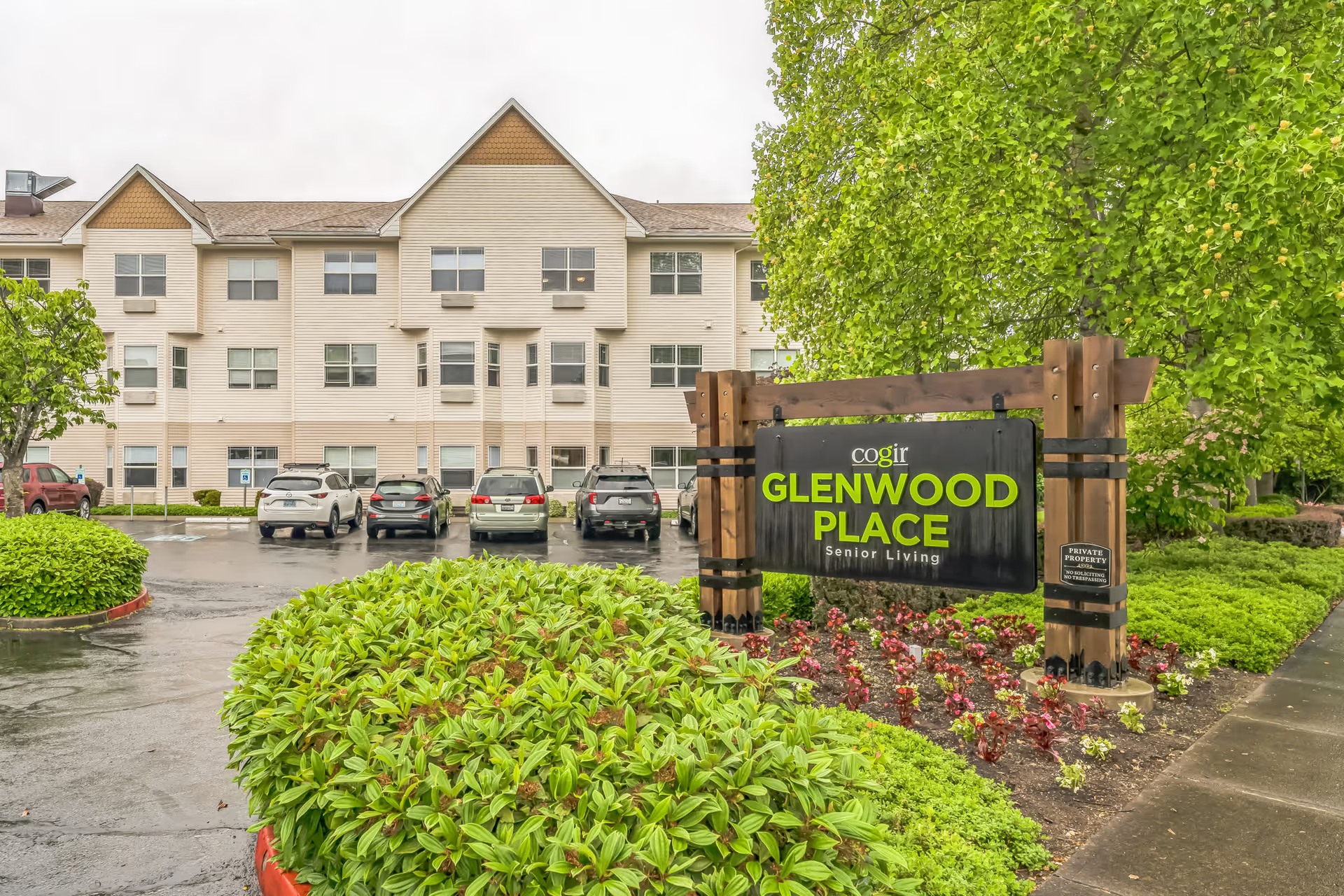
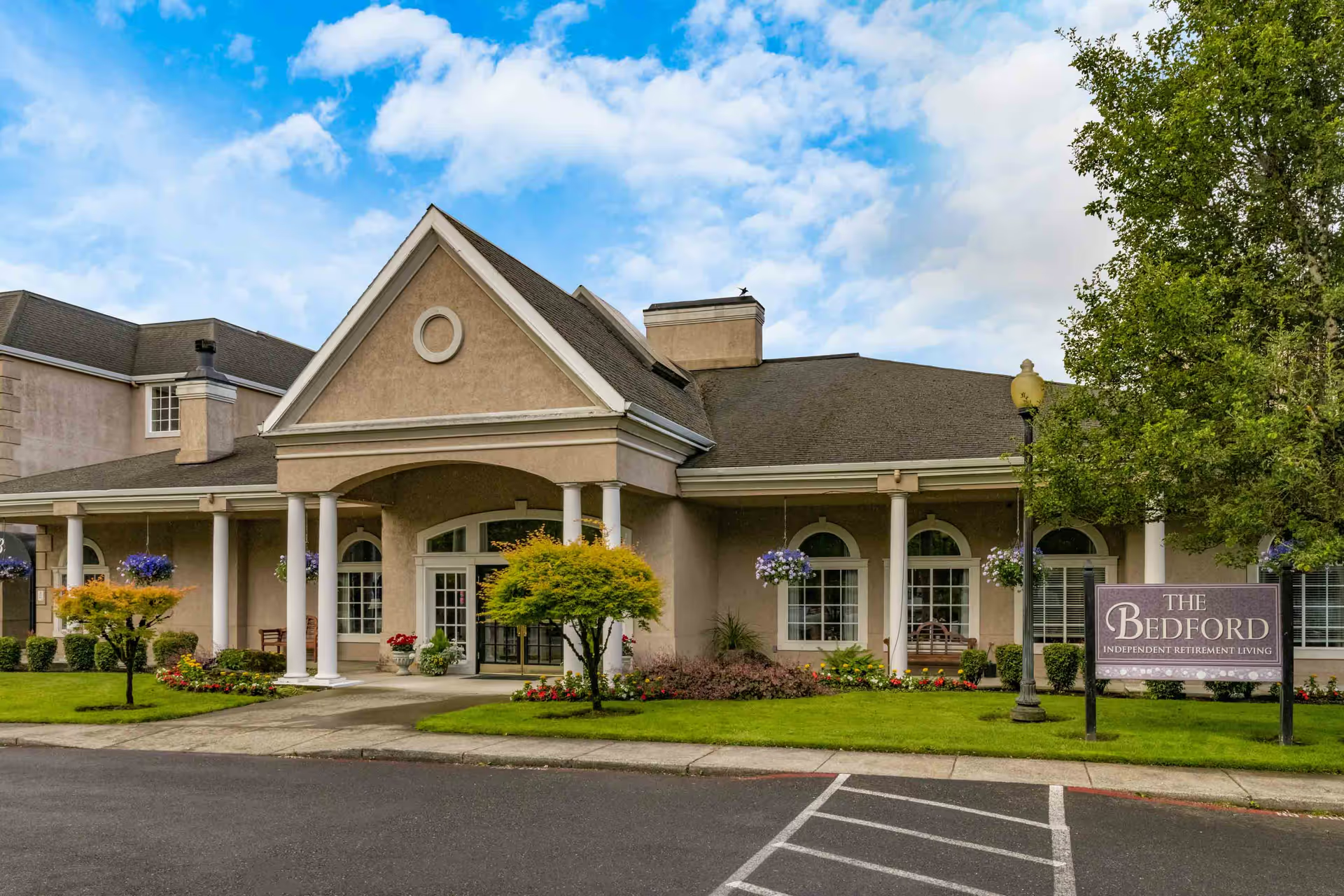
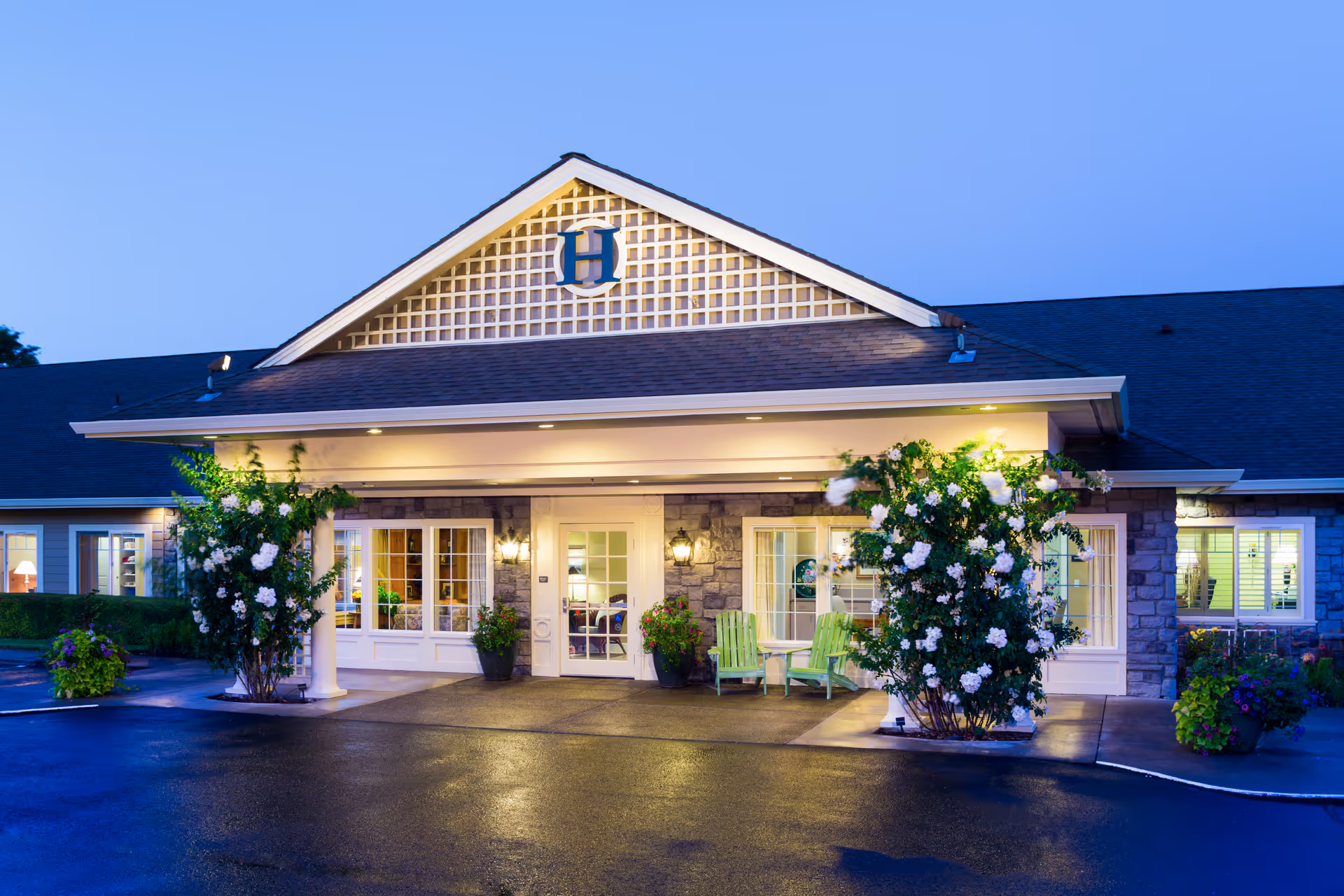
Bridgewood elicits strongly mixed but patterned feedback. Many reviewers describe a warm, caring staff and a well-maintained physical environment: apartments and common areas are frequently called clean, spacious, and attractive, with accessible outdoor courtyard space, a movie theater, salon services, and a robust calendar of activities and outings. The community’s activity coordination, transportation program, and social programming (live music, games, classes, excursions) are consistently cited as strengths that support resident engagement and quality of life.
Direct caregiving and facilities support receive generally positive marks: nursing, med-tech and aide interactions are often described as attentive and compassionate, and maintenance staff are repeatedly praised for responsiveness. At the same time, there are recurring operational concerns that prospective residents and families should weigh. Staffing levels and turnover are commonly noted as a source of inconsistent service quality — this affects dining service, housekeeping thoroughness, and the availability of assistance during some shifts or weekends. Reviewers describe variability in front-desk/reception performance and occasional internal staff-culture issues that appear to influence day-to-day resident experience.
Dining is a polarizing area. Many residents enjoy the restaurant-style dining room, bistro options, and some menu items prepared by an on-site chef. Conversely, other families report inconsistent meal quality, slow service, and issues with meal delivery and leftovers; the standard meal plan typically includes a limited number of meals and additional meals may incur extra cost. Kitchen staffing and management turnover are identified as contributors to uneven dining outcomes.
Clinical and safety-related patterns merit careful inquiry. While many families praise medication monitoring and attentive nursing, others raised serious concerns about medication-dispensing practices, informed-consent processes, and communication after clinical incidents. There are also multiple notes about inconsistent responsiveness of call-button or emergency-alert systems in specific instances. Additionally, at least one reviewer described a security/financial exploitation concern; prospective families should ask about security protocols, valuables policies, and incident reporting.
Management and administrative themes include both flexibility and friction. The community offers flexible lease options and occasional price negotiation, which some families appreciate. At the same time, reviewers mention aggressive move-in sales tactics, yearly price increases, and uneven administrative follow-through on requests or reimbursements. Building condition is uneven in places: some units and common areas are recently renovated and modern, while others reflect an older layout and planned remodeling.
Overall, Bridgewood presents as a community with many substantial strengths in staffing compassion, activity programming, amenities, and maintenance responsiveness, but with notable operational inconsistencies around staffing stability, dining execution, certain housekeeping practices, medication processes, and administrative communication. Families touring the community should verify current staffing ratios and turnover, review meal-plan details and dining policies, ask about medication-administration protocols and emergency response logs, and clarify contract and security policies to align expectations with the variable experiences described.