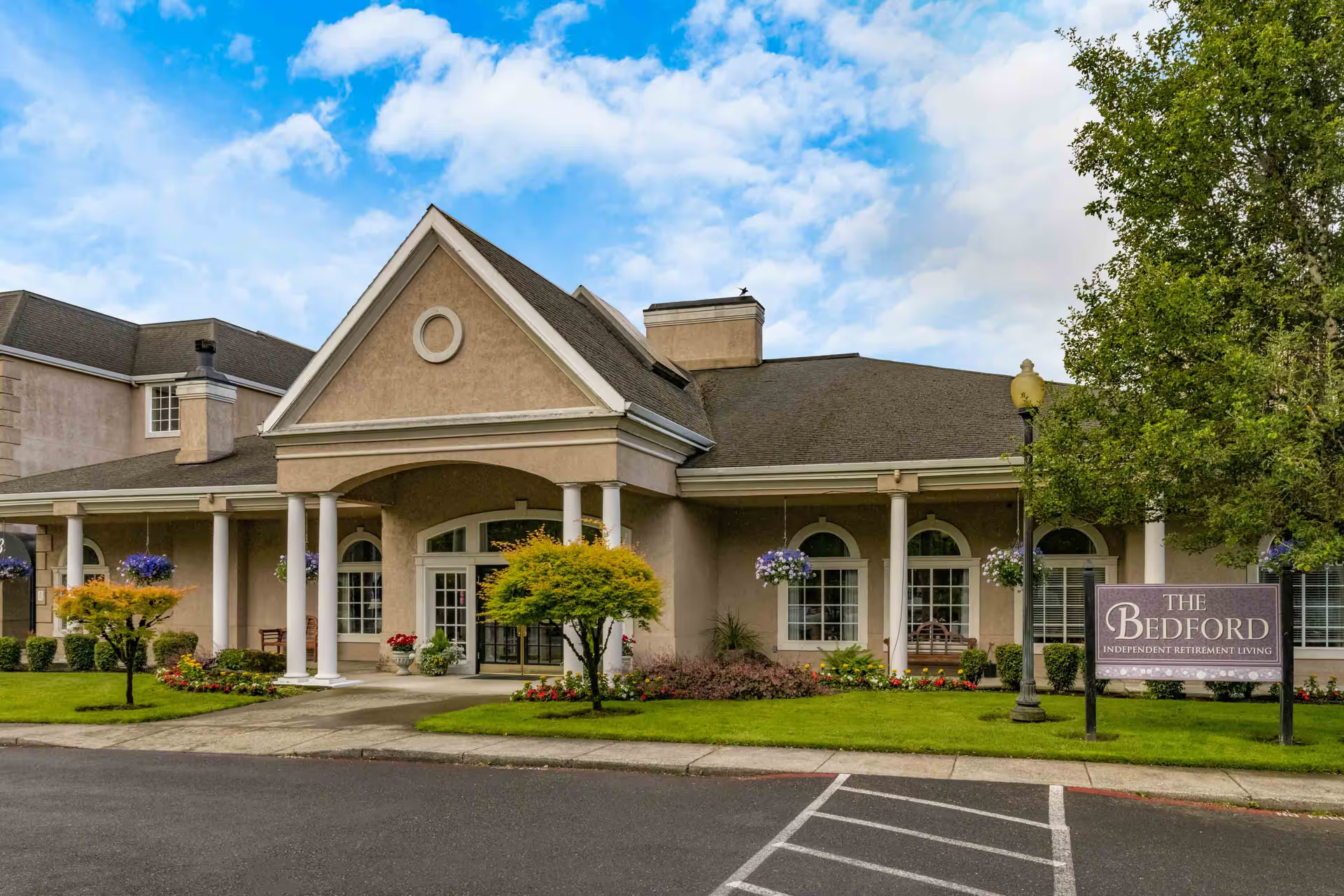
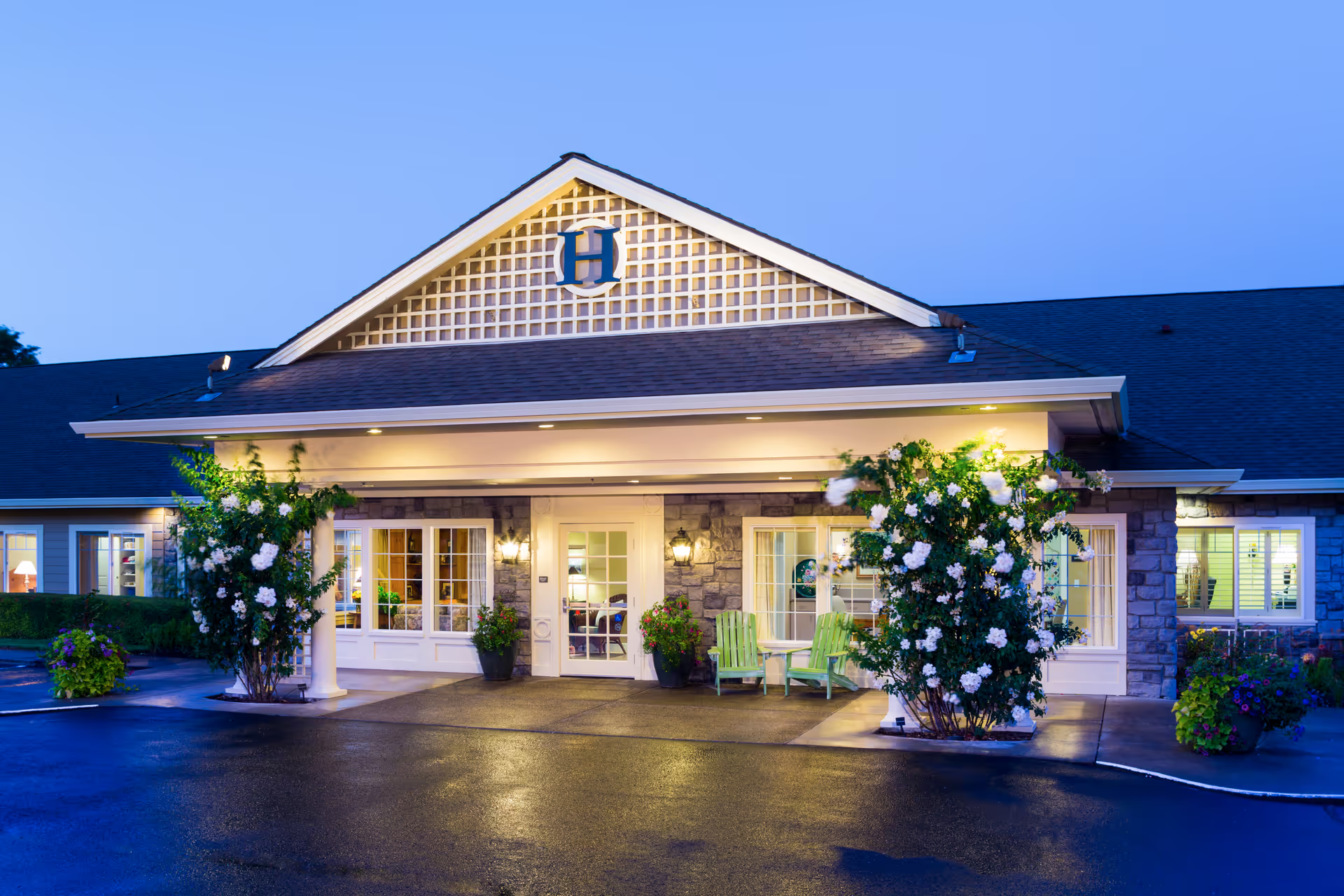
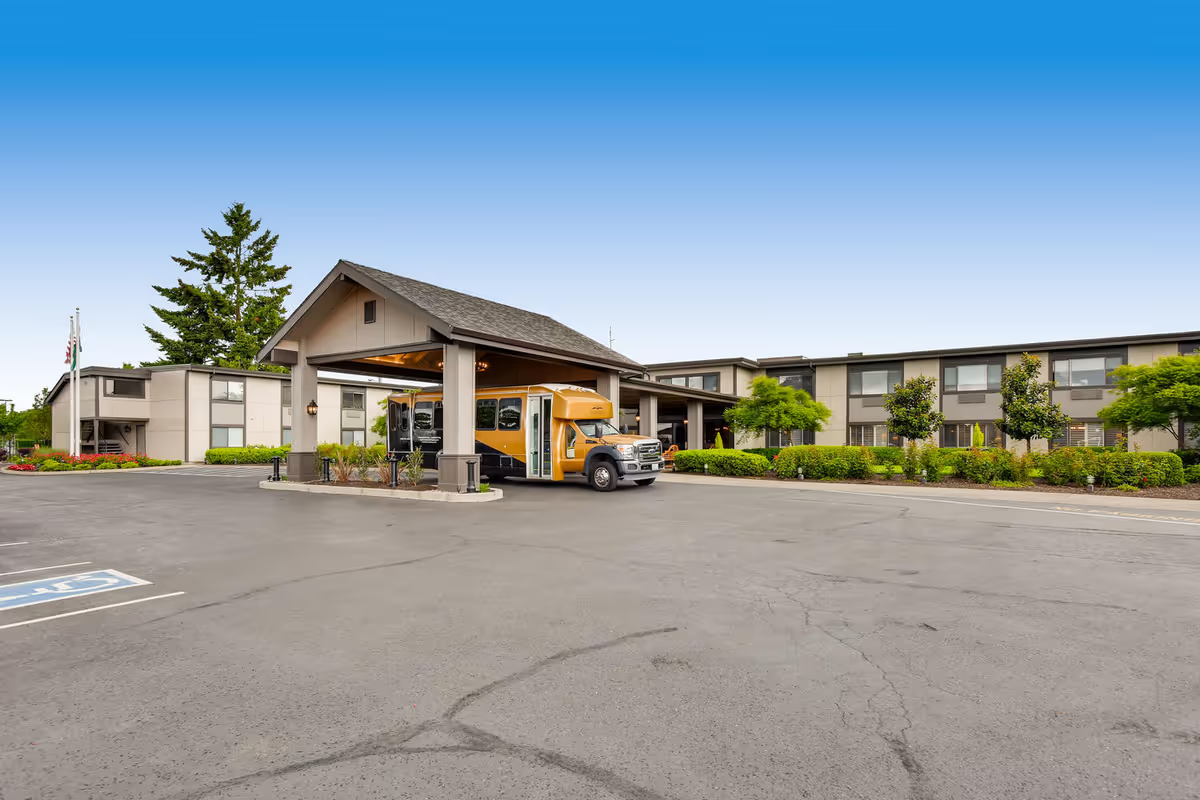
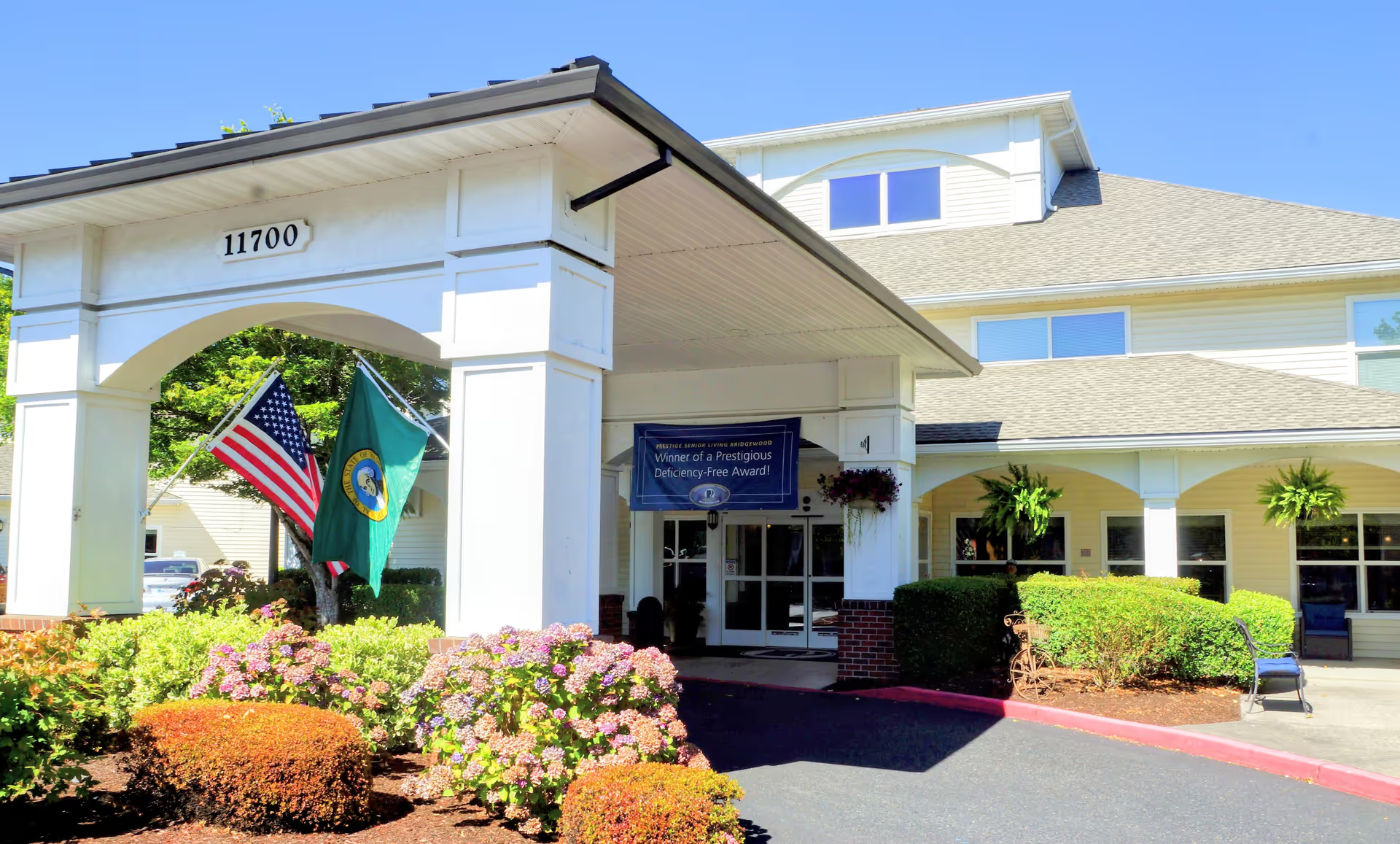
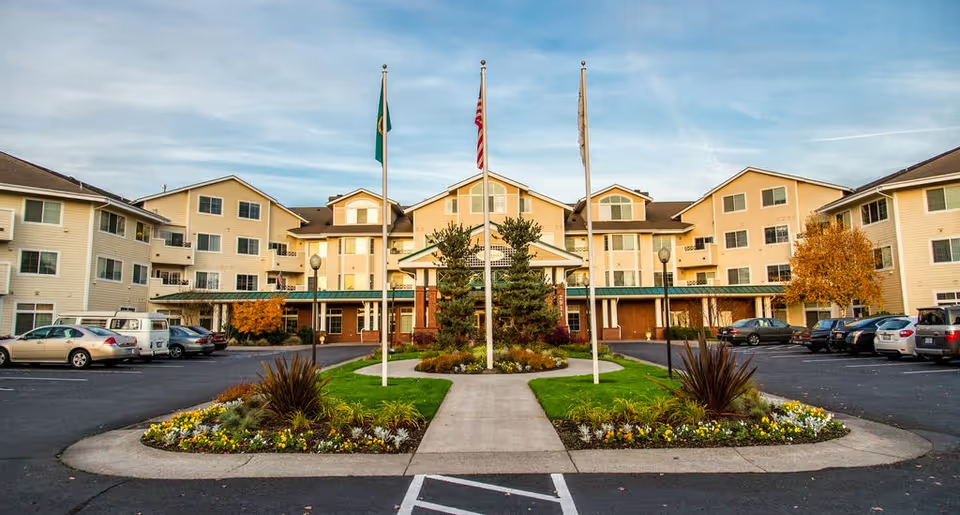
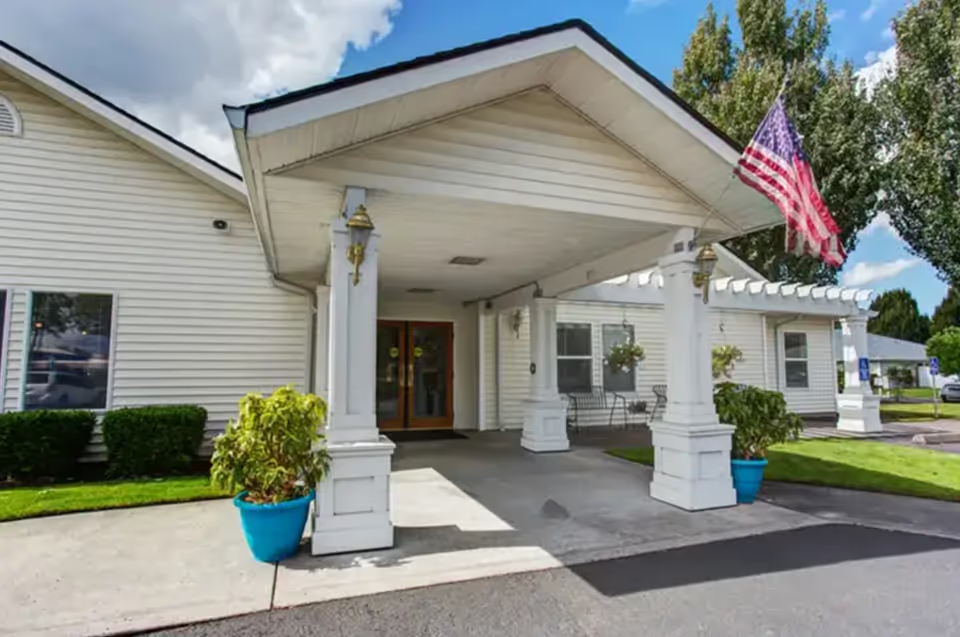
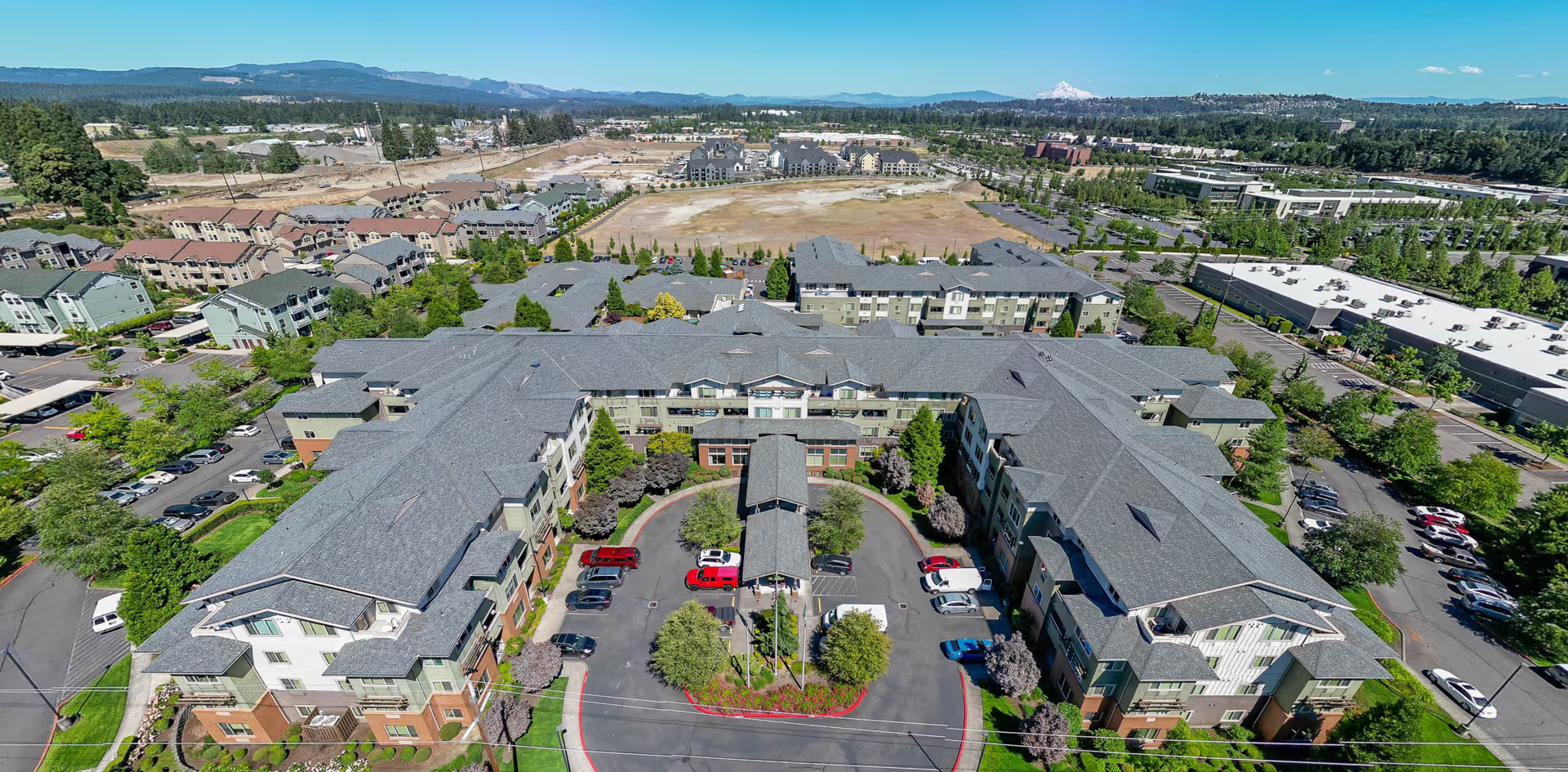
Springwood Landing presents as a well-appointed, recently built independent-living community with a broad set of amenities and generally high resident satisfaction. Physical spaces are consistently described as bright, clean, and spacious; reviewers highlight a cafeteria-style dining room with restaurant-like presentation, an on-site theater, large activity rooms, fitness and craft areas, a salon, library, computer center, and well-kept outdoor gardens. Apartment options include studios, one-bedroom, and two-bedroom layouts, and many residents appreciate sound insulation, kitchenettes or peninsulas, and balcony/deck options. The campus also supports guest stays and has a pet-friendly policy without an extra charge.
Care and staff feedback skews positive: staff are routinely described as welcoming, warm, and proactive in problem-solving. Families and residents note personalized interactions, attentive day-to-day assistance, and an overall atmosphere of hospitality. The community uses outsourced or on-site personal-care support in addition to its independent-living services; reviewers indicate that external medical-agency assistance is available when needed. At the same time, the community’s services are oriented toward self-sufficient residents, and reviewers imply that higher-acuity or institutional nursing care is not the primary focus.
Dining and activities are core strengths. Reviewers repeatedly praise the three-meal schedule, chef engagement, diverse menus, and frequent social programming — from crafts and walking groups to resident-driven games and off-site outings. The facility’s transportation services for appointments and shopping are seen as dependable and well-run. Entertainment options include a 42-seat theater with concessions and many community-driven events that support social connectedness.
Areas of operational weakness that emerge across comments relate mainly to cost, service consistency, and flexibility. Pricing is frequently characterized as premium and can be a barrier for some families. Several reviewers point to meal-plan complexity (including portion/meal inclusions) and occasional inconsistencies in food quality or portioning. Some residents noted mandatory meal times and limited flexibility around dining schedules. A few accounts describe changes in attentiveness and slower fulfillment of requests following leadership transitions, suggesting that service consistency can be affected during management turnover; waitlists or scheduling backlogs for nonurgent requests were also mentioned.
Overall, Springwood Landing is portrayed as an attractive option for independent retirees seeking active programming, high-quality physical facilities, and a social community with reliable transportation and hospitality-oriented staff. Prospective residents and families should weigh the community’s higher cost and meal-plan structure against its strong amenities and social environment, and clarify expectations about care levels and response timelines if greater flexibility or higher-acuity support may be needed in the future.