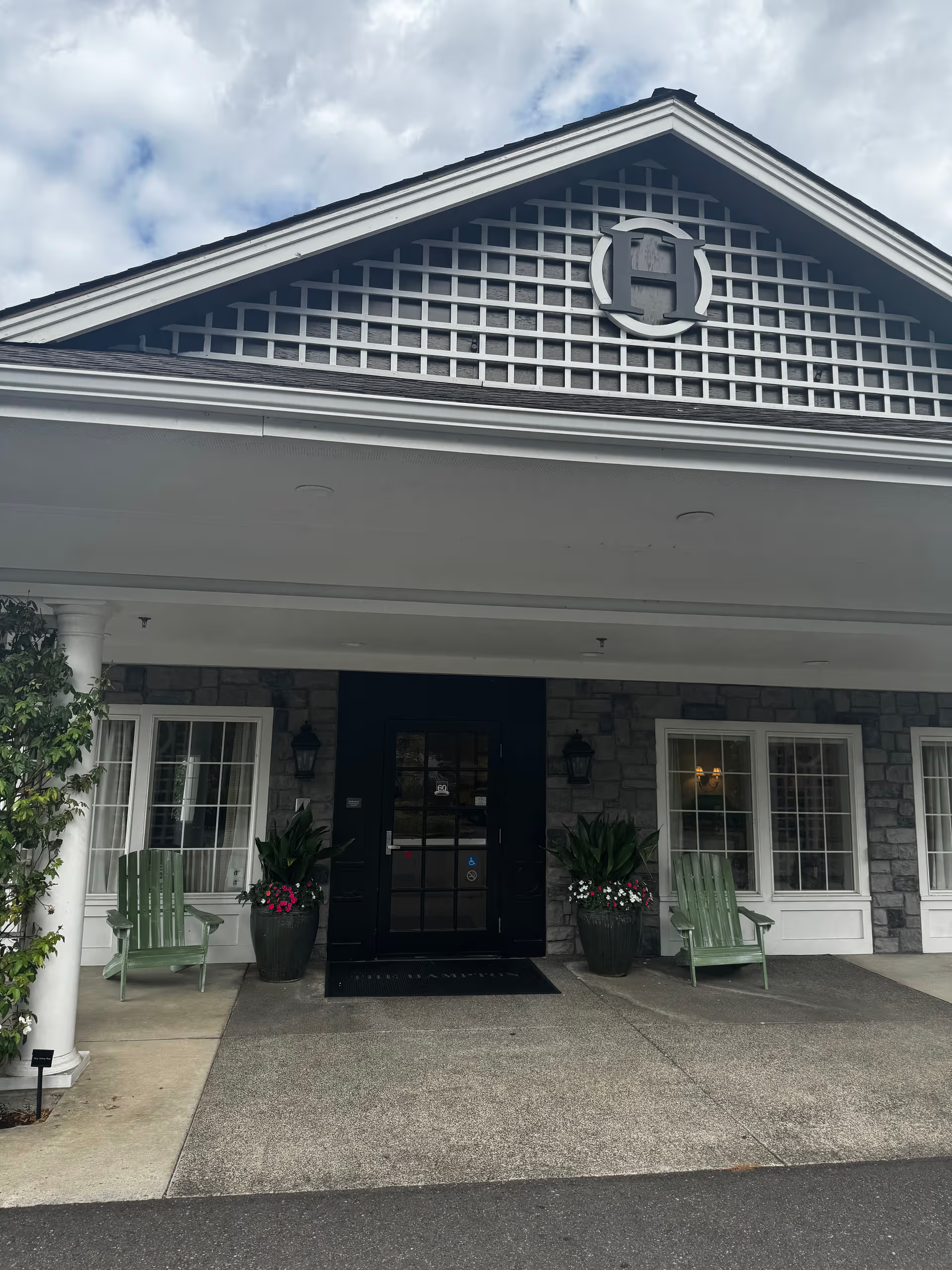
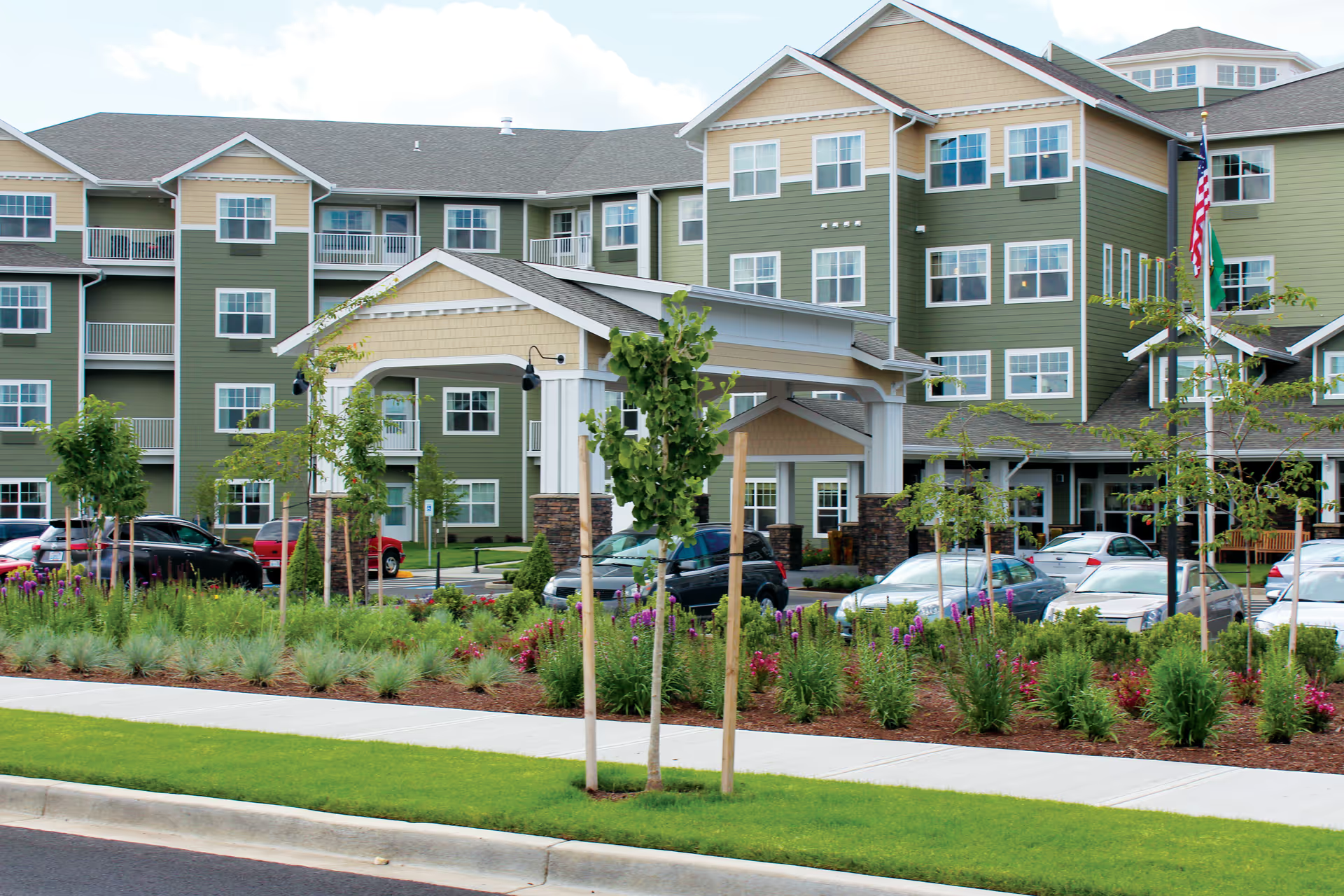
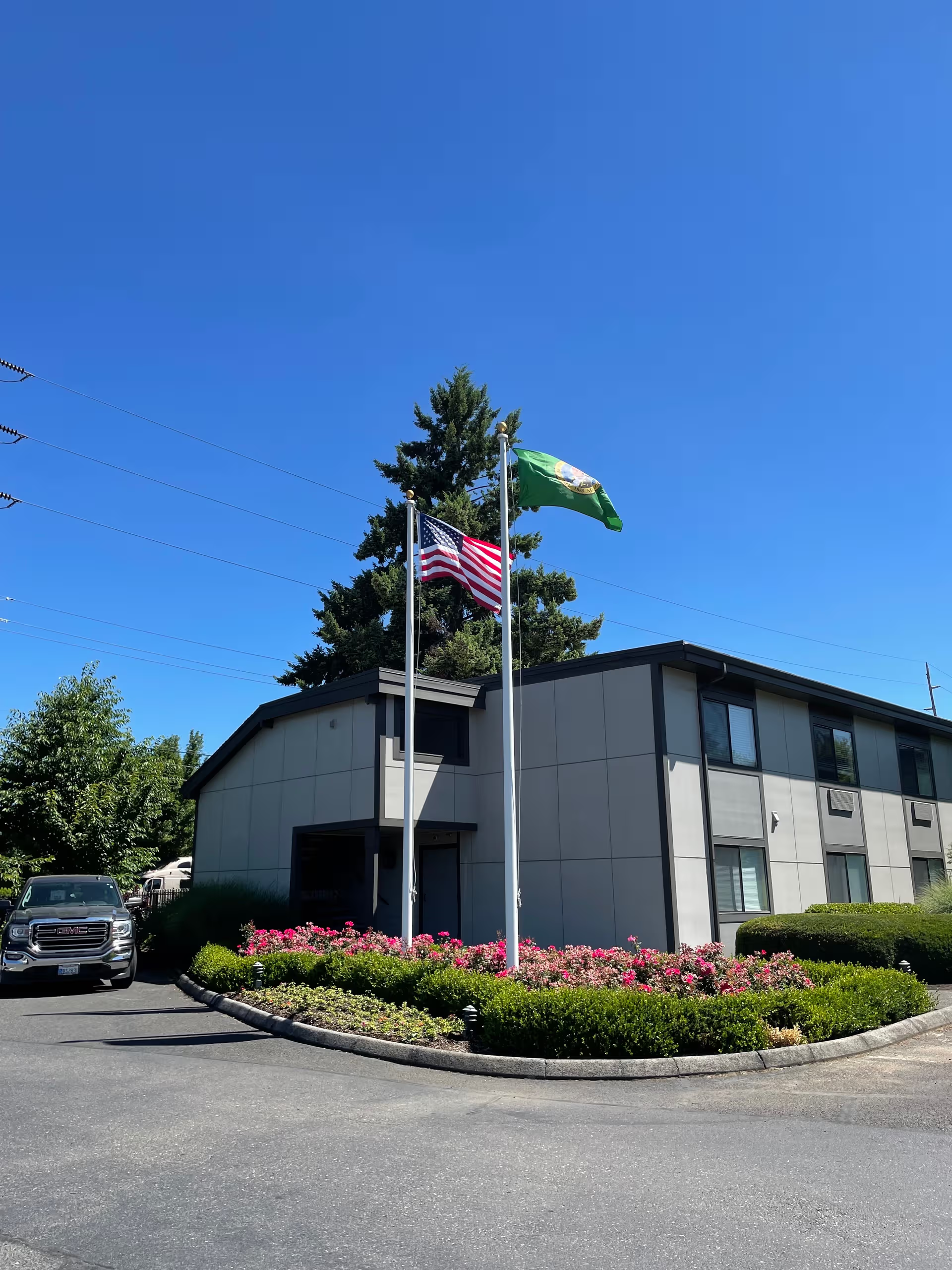
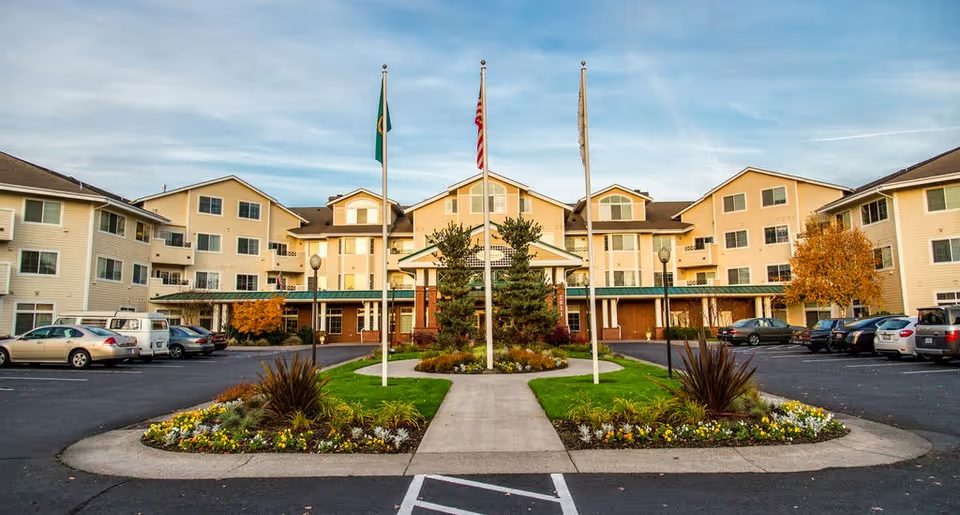
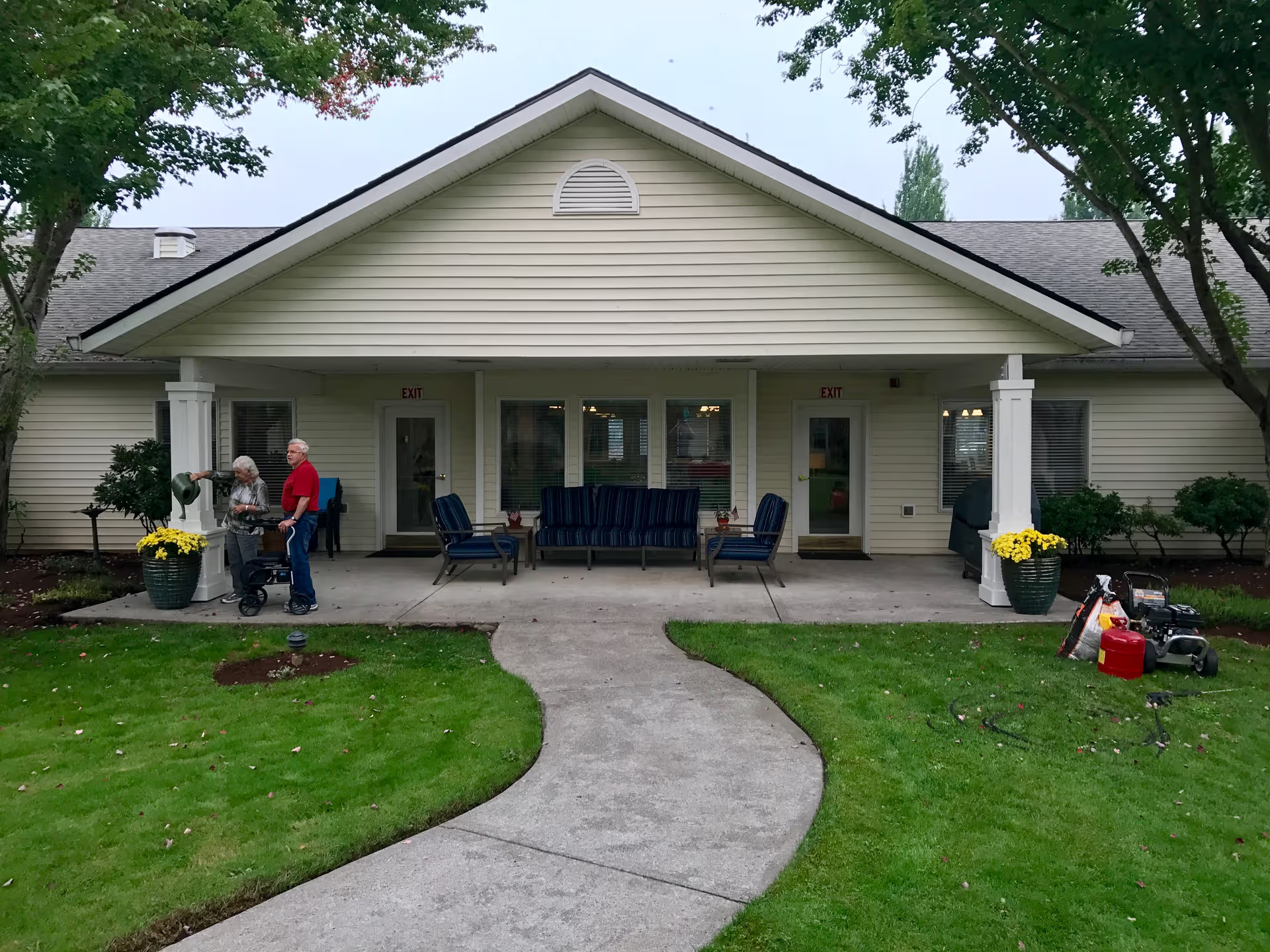
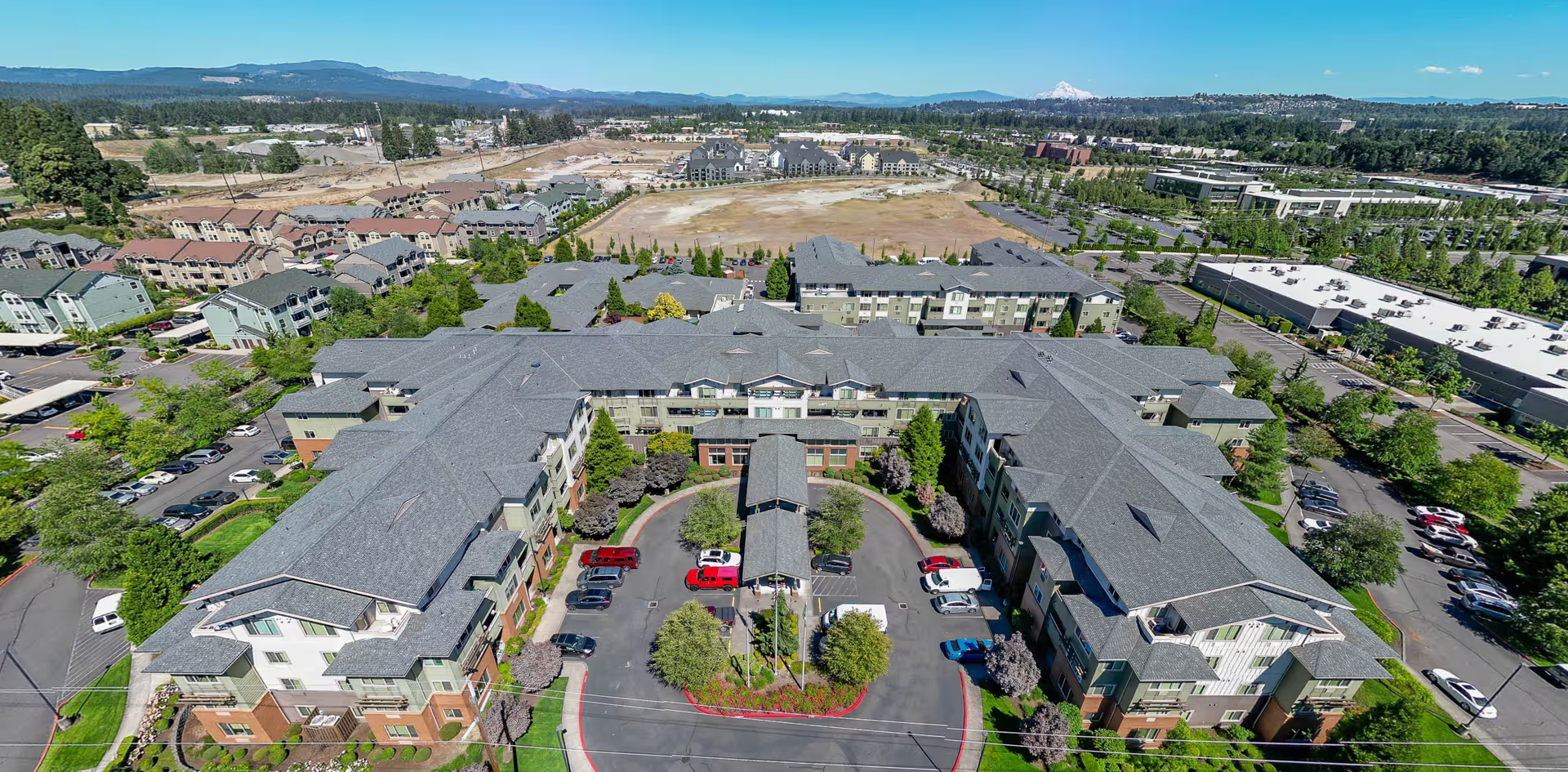
Truewood by Merrill, Vancouver elicits strongly mixed evaluations. Many reviewers praise the community’s physical setting and daily life: tasteful, hotel-like décor, well-kept landscaping, apartment-style units with full kitchens and in-unit laundry, and amenity features such as a pool and spa. The community offers a broad slate of activities — card games, bean bag baseball, arts and crafts, quilting, bus outings, lectures and more — and several accounts highlight a social dining environment and special holiday meals that support resident engagement.
Staff and care impressions are generally positive in a large number of accounts, with frequent mention of friendly, attentive dining and caregiving personnel and staff who know residents by name. Families point to accommodating dining-room staff, timely routine maintenance responses when functioning, and helpful transportation services. At the same time, there are recurring concerns about staffing stability: turnover, inconsistent night/back-shift coverage, and uneven follow-through on requests undermine continuity for some residents. A handful of narratives raise concerns about staff responsiveness and communication tone; these reflect variability rather than a uniform pattern.
Dining is a clear area of divergence. Several reviewers describe high-quality, attractively presented meals and praise particular chefs and servers; others describe declining food quality over time, small portions, reliance on prepared/frozen items, and limited dietary options. Housekeeping and sanitation are similarly inconsistent in reports: some accounts describe clean, well-maintained rooms and common areas, while others cite surface residue, dust buildup, and localized mold issues. These mixed descriptions indicate that cleaning and food-service standards may be uneven across units or subject to change with staffing and management shifts.
Facility maintenance and safety are another prominent pattern. The property’s aesthetics and amenities are frequently praised, but multiple accounts describe repeated infrastructure problems — notably elevator outages, balcony and roof issues, and intermittent safety or access disruptions. Those interruptions have operational impacts (restricted access to meals, appointments, and outdoor space) and suggest a need for improved preventive maintenance and quicker repairs.
Management and operations receive contrasting assessments. Some reviewers commend managers and program staff for being compassionate and organized; others describe a change in ownership/management that coincided with reduced attentiveness, higher-pressure sales tactics, opaque pricing, and weaker follow-up on resident concerns. Several reviews identify gaps in onboarding and tour processes (limited disclosure of pricing or availability, variable move-in coordination) and express frustration with grievance resolution and communication channels.
Taken together, the feedback points to a community with strong assets — appealing accommodations, active programming, and many committed staff — but also to operational vulnerabilities that can materially affect resident experience. Key decision factors for prospective residents and families will likely be current management and staffing stability, recent maintenance records (especially elevator/infrastructure reliability), dining and housekeeping protocols, clarity of contract/pricing, and documented accommodations for higher-care needs. A tour that includes conversations with current residents, recent maintenance logs, sample menus, and clear written explanations of pricing and escalation/complaint procedures would be advisable before committing.