Overall impression The Hampton and Ashley Inn Memory Care Community is described primarily as a warm, professionally staffed memory-care setting with many families highlighting compassionate caregivers, a person-centered approach, and a homelike atmosphere. Multiple reviewers praised the clinical staffing model (including 24-hour nursing, an on-site physician assistant, and visiting specialists), the medication-management system (pharmacy blister packs), and an accessible mix of social spaces and outdoor courtyards. The facility's design offers a range of dining rooms and communal areas intended to support different resident needs and levels of independence.
Care quality and staff Caregivers and nursing staff receive consistently positive comments for compassion, continuity, and dementia-focused skill. Reviewers frequently emphasized staff familiarity with residents, respectful treatment, and continuity of caregivers that supports relationships and individualized care. The director and certain nursing leaders were singled out as accessible and engaged. At the same time, operational weaknesses emerge: staffing levels are described as variable, with occasions of low floor coverage that can delay assistance. Families also noted gaps in communication and care coordination, including inconsistent incident notification and isolated problems with medication or documentation during admissions or transitions.
Dining and activities Dining is often cited as a strong point — appealing menus, multiple dining rooms to match resident needs, and pleasant dining areas. Reviewers also reported regular snacks and flexible meal options. The activities program is broad, with frequent daily programming, live music, singing, exercise, crafts, church services, and social events. Participation appears to vary by resident; some visitors saw robust programming and engagement, while others found lower activity participation in certain areas or during some visits.
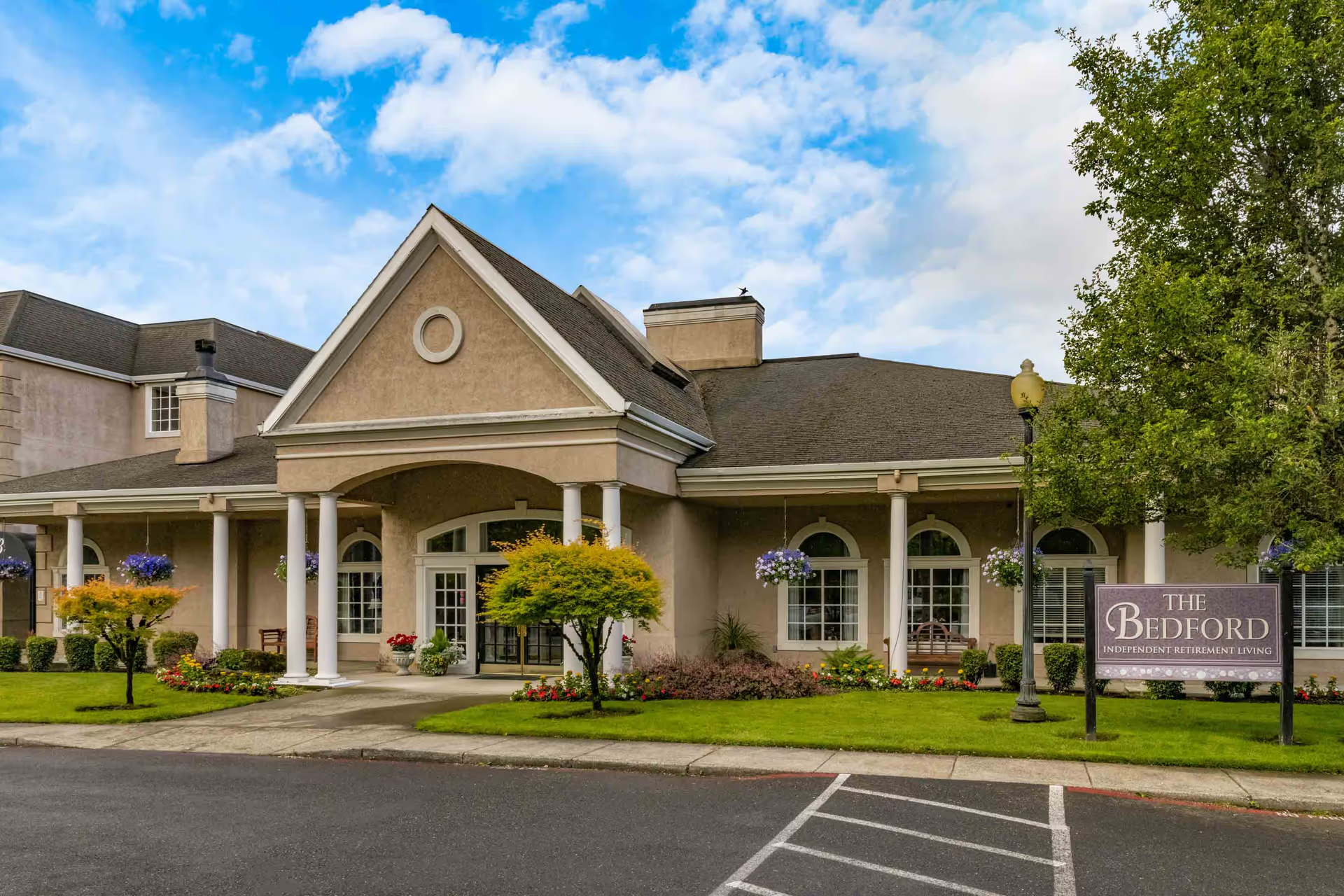
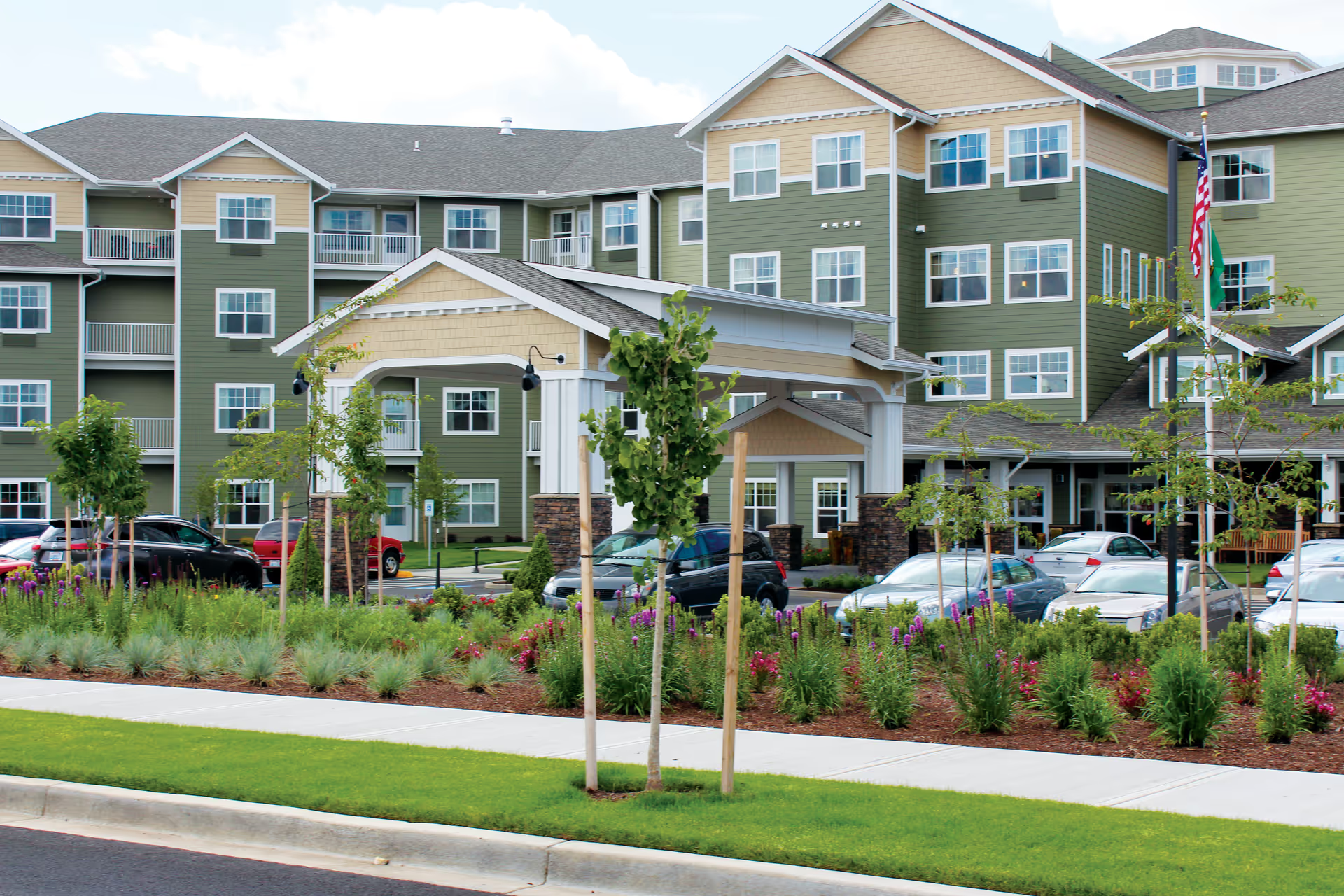
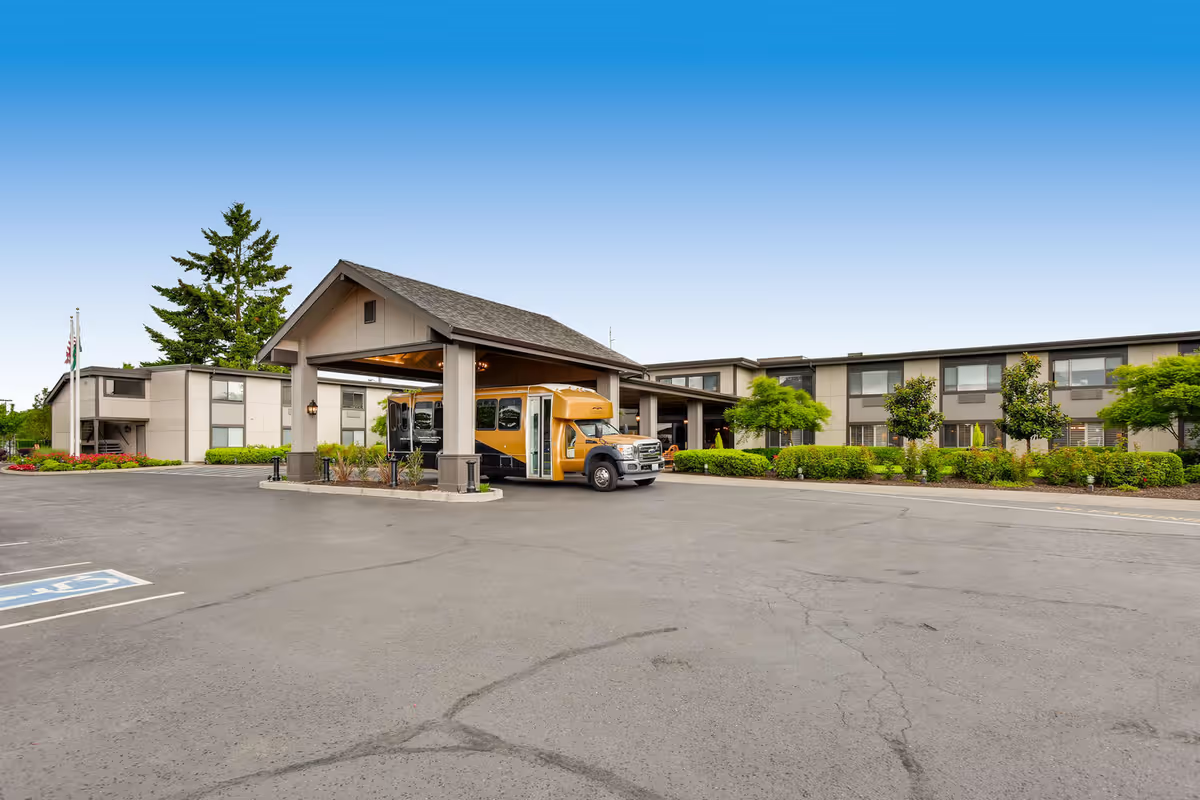
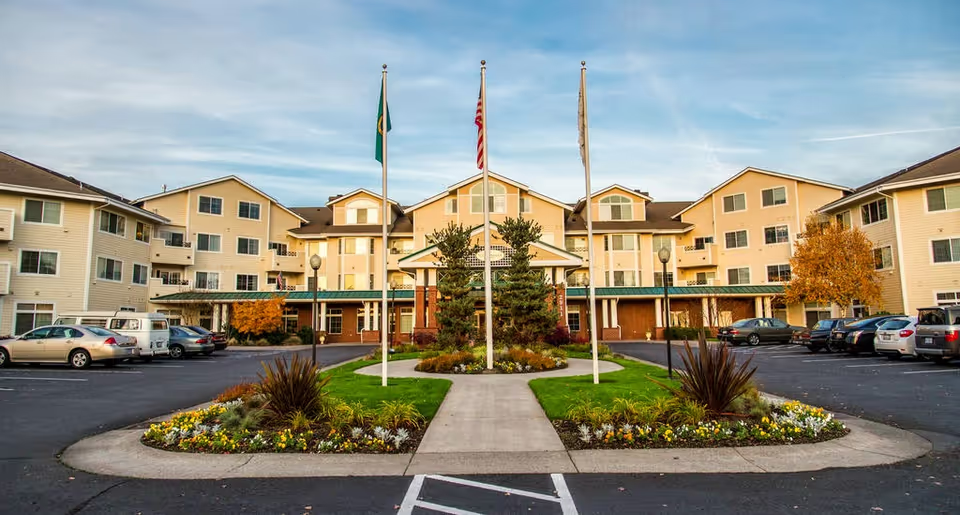
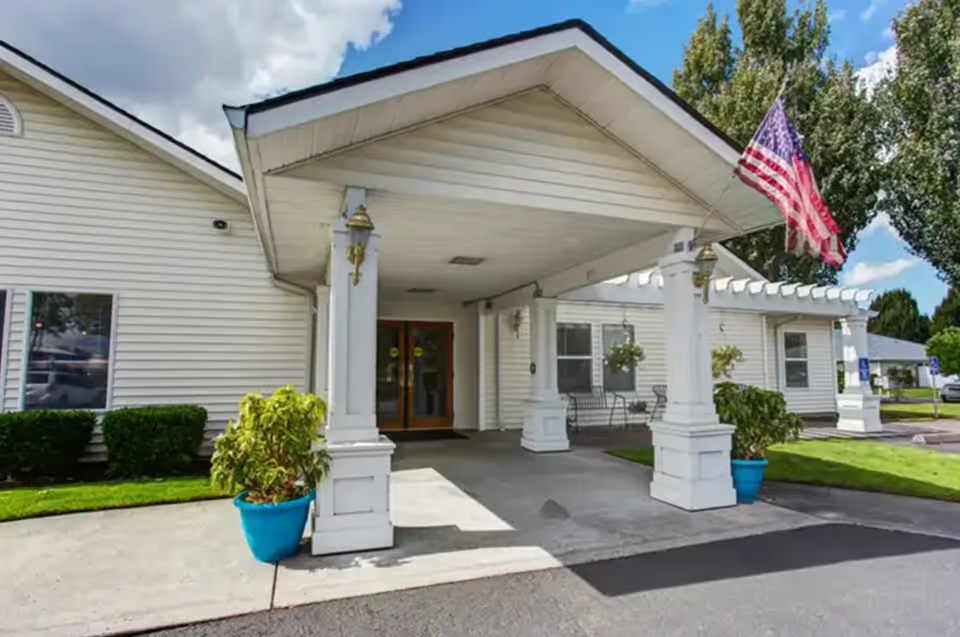
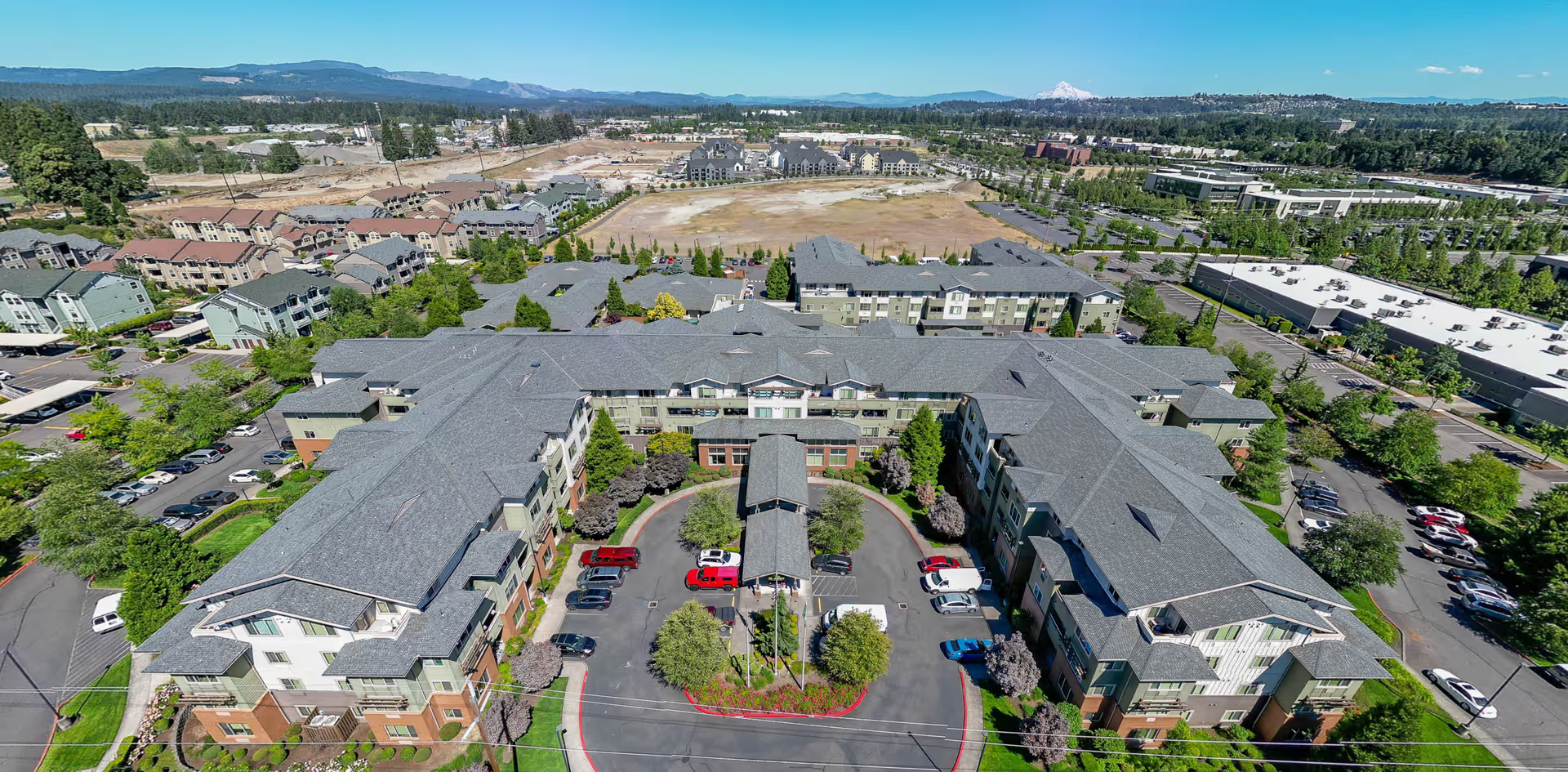
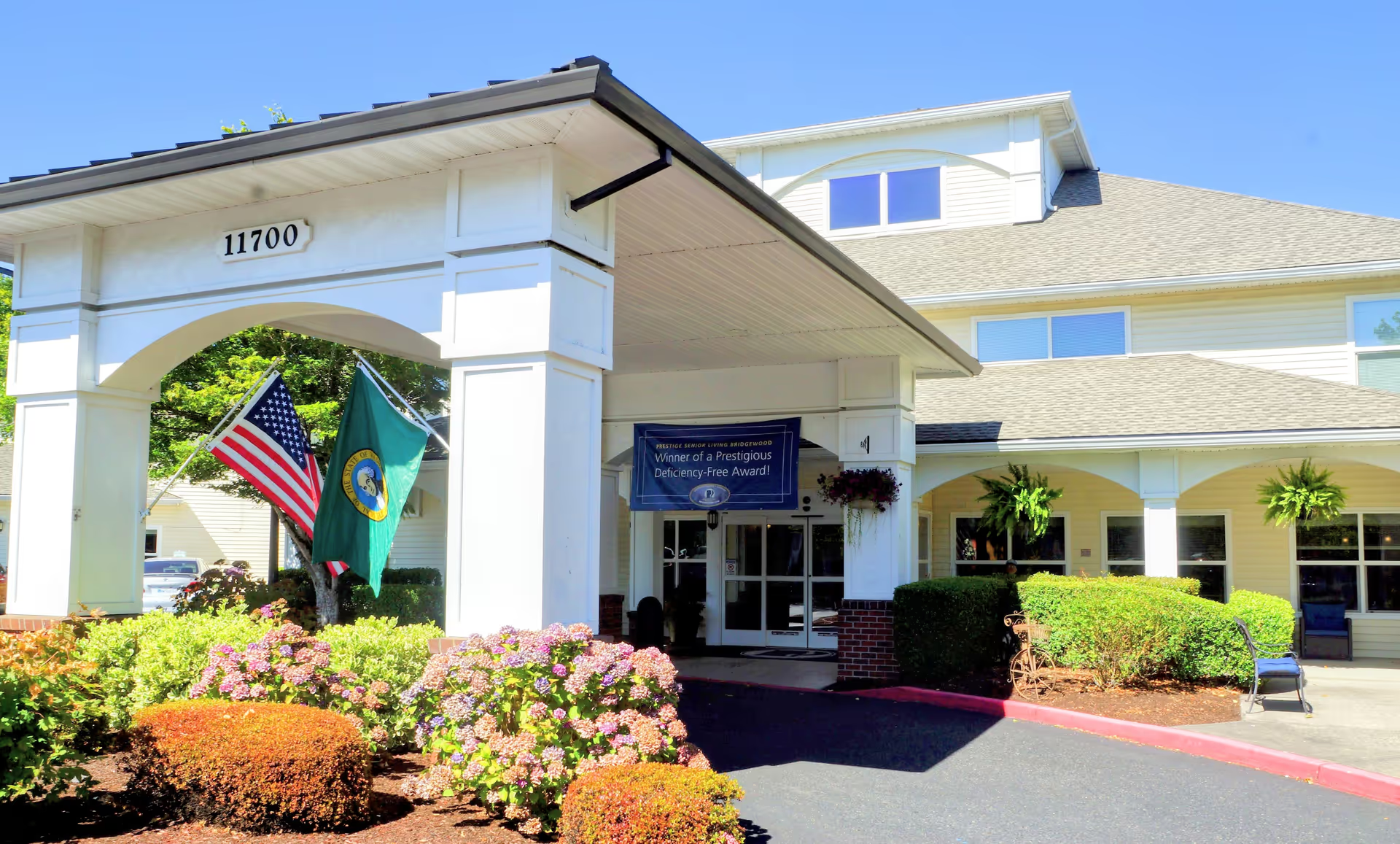
Facilities and amenities The community is described as clean, bright, and well maintained, with pleasant outdoor spaces, gardens, and courtyards that support safe wandering and socialization. On-site amenities such as a salon, visiting podiatrist, and routine maintenance are positives. However, reviewers also raised concerns about inconsistent maintenance follow-through (examples include non-working room items and courtyard upkeep) and a layout that some found large or confusing for residents with memory impairment. Double-occupancy room options are available but raised concerns about privacy and cost for families considering shared accommodations.
Management, billing, and operational patterns Management and front-desk staff were often praised for professionalism and responsiveness; several families described quick, supportive admissions and ongoing accessibility of leadership. Conversely, operational issues appeared in admissions and billing: the move-in process can be uneven, with at least one report of delayed medication administration on arrival. Billing transparency and extra charges were frequent pain points, with accounts of unexpected fees and questions about financial handling; there are also isolated allegations of problematic cash handling. Prospective families should clarify fee structure, included services, and itemized billing during the tour.
Notable patterns and guidance for families Strengths: strong dementia-focused culture, engaged and compassionate staff, robust activities, and a generally clean, secure environment with clinical support on site. Areas to verify: staffing ratios at the unit level and during off-shifts, incident-notification procedures and documentation practices, medication-administration protocols (especially around admissions), maintenance-response timelines, and detailed billing statements that specify which services are included.
In summary, the community offers many features families seek in memory-care — professional clinical coverage, a compassionate workforce, varied activities, and pleasant grounds — but also exhibits operational variability in staffing, communication, maintenance follow-through, and billing transparency. A focused tour during active programming hours and specific questions about staffing, incident reporting, medication policies, and the fee schedule will help prospective families evaluate fit and risk for their particular situation.