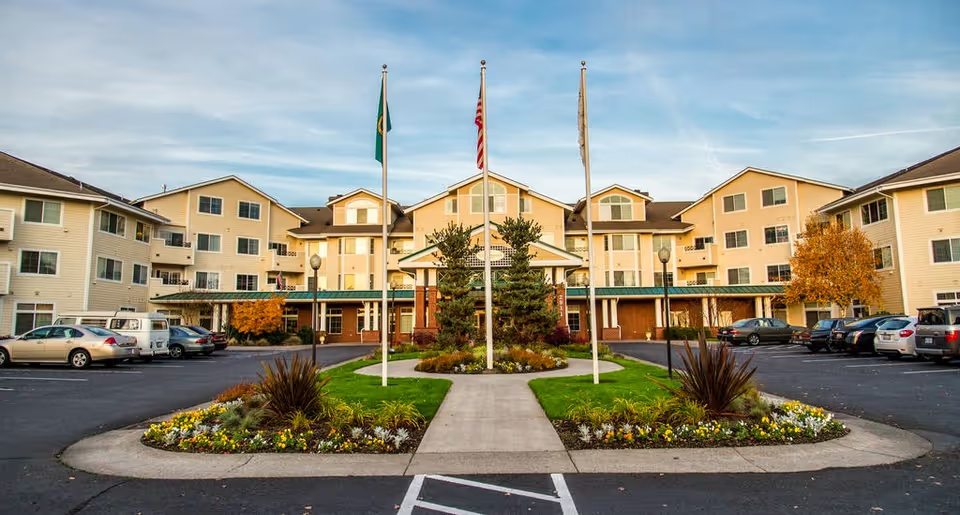
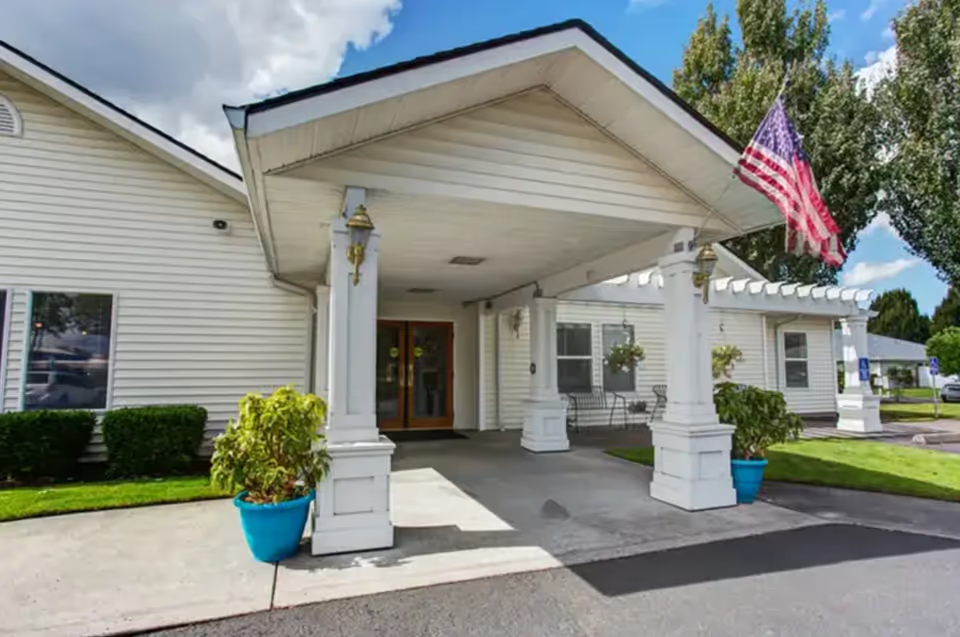
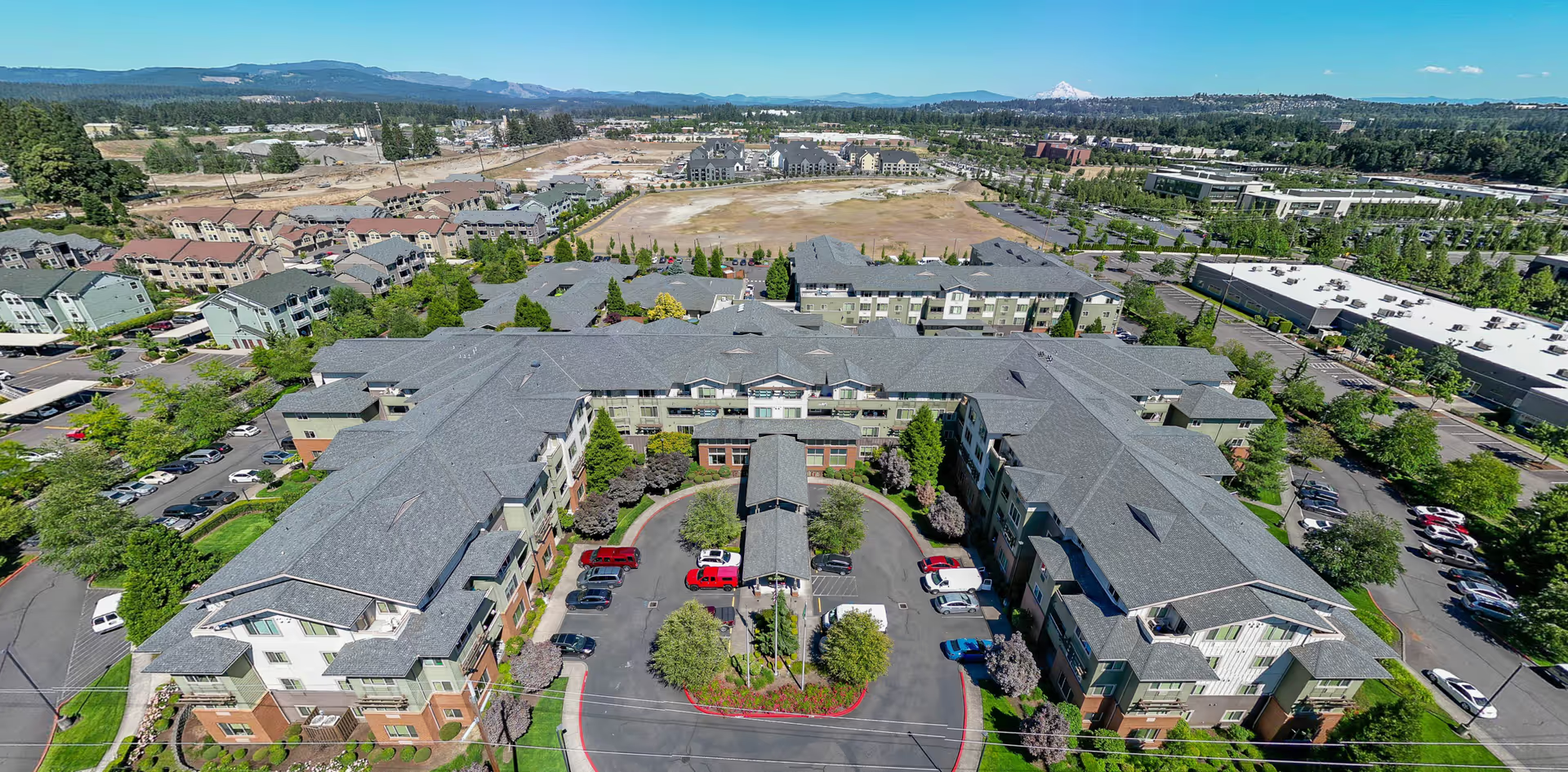
Cascade Inn presents a mixed but clear profile. Many families and residents praise the on-site licensed nursing coverage, 24-hour clinical availability, and a culture of compassionate caregiving. Staff are frequently described as kind, attentive, and relationship-oriented; this underpins a strong sense of community and many long-term residents who value social connections and personalized attention. The maintenance and housekeeping systems are generally functional, and the property offers a number of popular amenities such as a movie theater, salon, cafe, community gardens, and regular transportation for shopping and medical appointments.
Clinical quality and daily care show strengths and weaknesses. The presence of licensed nurses and routine care-review processes is a positive indicator of clinical capability. However, reviewers describe operational gaps that impact safety and consistency: medication-management processes, occasional delays in medication delivery and pill timing, and examples of procedural and training shortfalls. Staffing levels are sometimes characterized as producing rushed interactions, which can exacerbate those procedural weaknesses. Families should consider asking for specific care-plan reviews and medication-administration protocols during tours.
Dining and nutrition are recurring areas of variability. Several accounts describe well-prepared, enjoyable meals and attention to dietary needs (including diabetic options), while other accounts highlight repetitive menus, use of pre-processed or frozen items, inconsistent meal temperature and plating, and isolated food-safety or quality incidents. Menu rotation practices and kitchen staffing appear to influence those differences; prospective residents should request sample menus, observe meal service, and clarify how special diets are accommodated.
Activities and social programming are strong features. Cascade Inn offers a broad calendar of on-site and off-site activities — games, music, field trips, scheduled outings, exercise and pastoral-type events — and many residents report active engagement and daily stimulation. The community layout includes multiple activity spaces and outdoor areas that support social life, though the facility’s size and spread can create distance between some apartments and central activity hubs.
Facility condition and accessibility are mixed. The grounds, gardens, and common areas receive positive remarks for upkeep, but the building contains older wings and some dated rooms. Mobility-access concerns arise from narrow doorways, tall cabinets, and layouts that are not universally walker- or wheelchair-friendly; reviewers also noted shower and flooring trip hazards in some units. Prospective residents with significant mobility needs should have a walk-through with mobility equipment to verify clearances and transfer safety.
Management, admissions, and communication exhibit contrasts. The marketing and admissions teams are often described as helpful and efficient, and the facility provides move-in assistance and respite apartment options. Conversely, post-admission communication, pricing transparency, contract terms, and the handling of family notifications have been described as inconsistent. Some families characterize the experience as sales-focused with weaker post-move follow-up; others praise quick admissions and flexible pricing. It is advisable to discuss contract length, private-pay commitments, point systems for care-level determination, and family-communication protocols before committing.
Overall, Cascade Inn is notable for a caring staff, robust social programming, and clinical staffing presence. Decision-makers should weigh those strengths against variability in dining, occasional sanitation and housekeeping inconsistencies, accessibility limitations for mobility aids, and operational gaps in medication and family communication. A thorough in-person tour that inspects a candidate apartment with mobility equipment, observes mealtime, and clarifies clinical and contractual procedures will help determine fit for a particular resident’s needs.