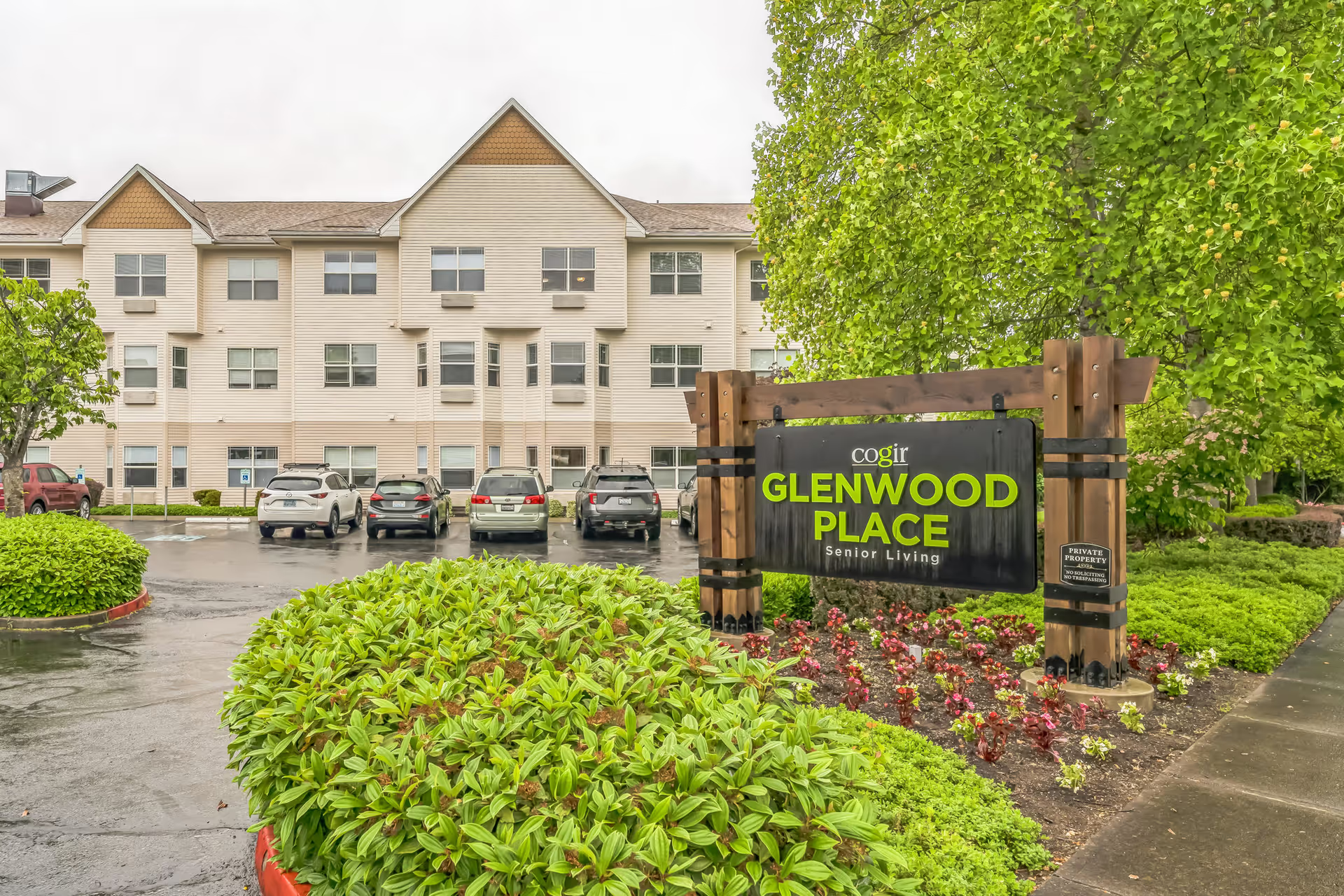
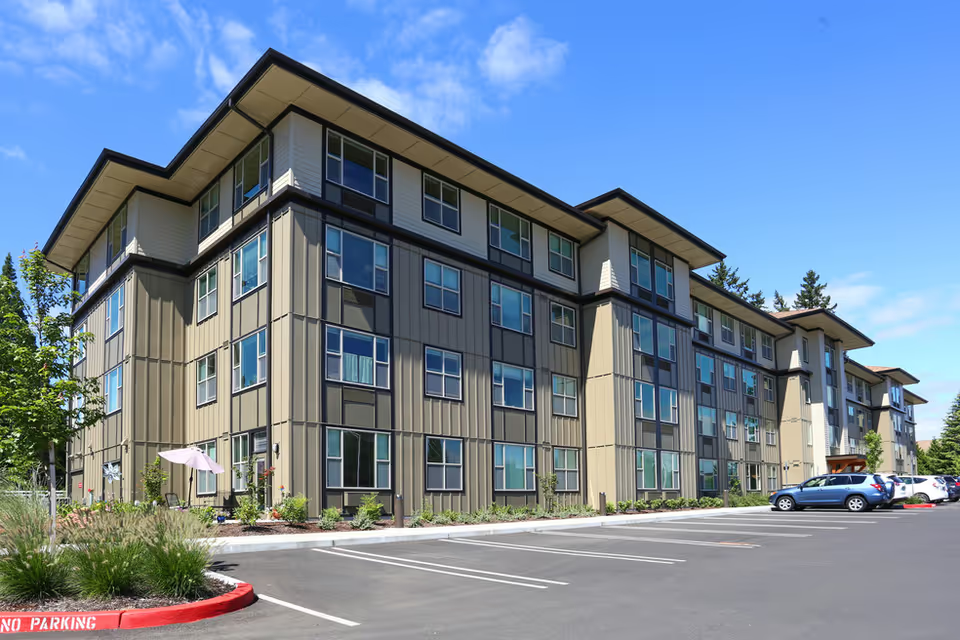
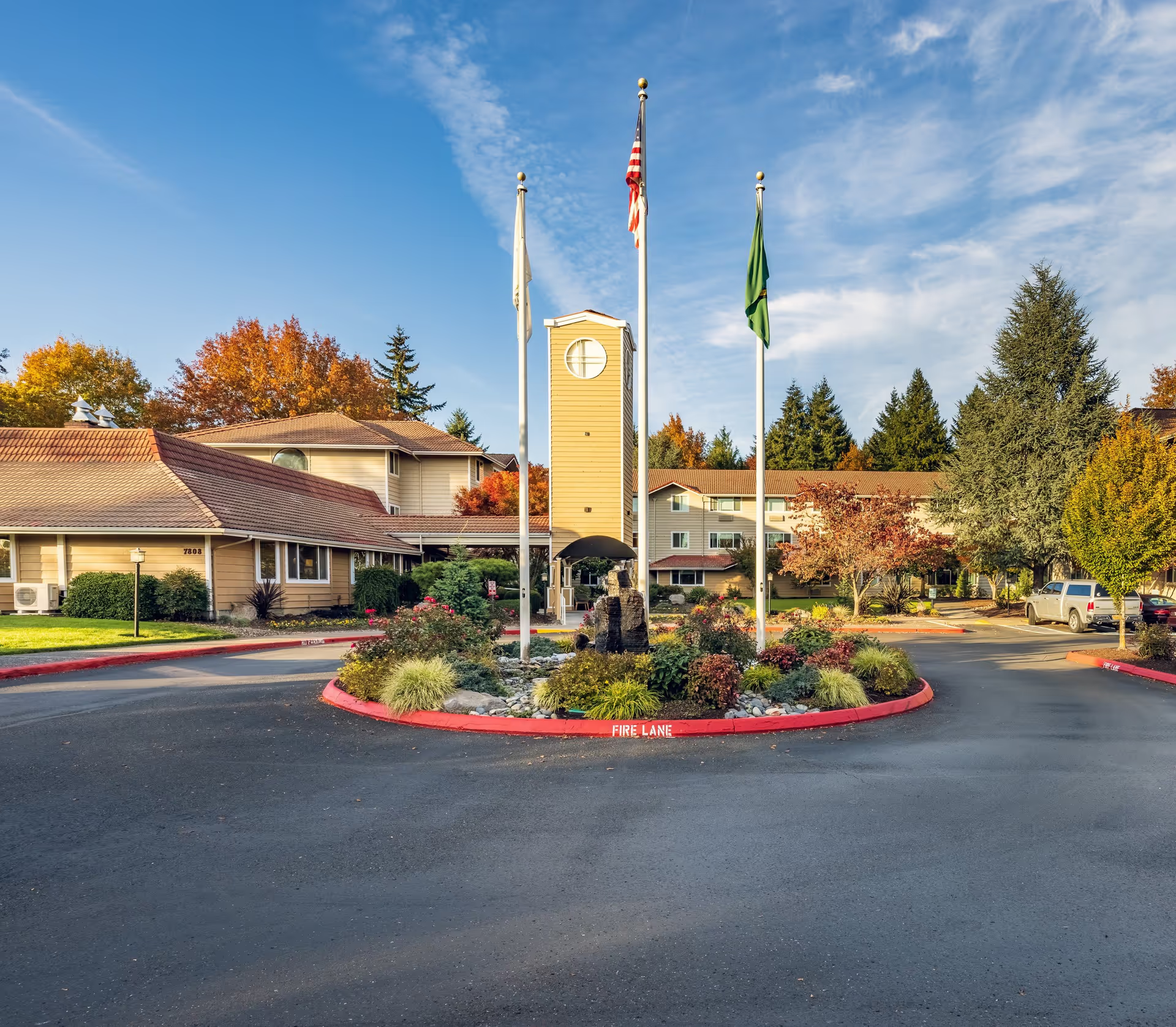
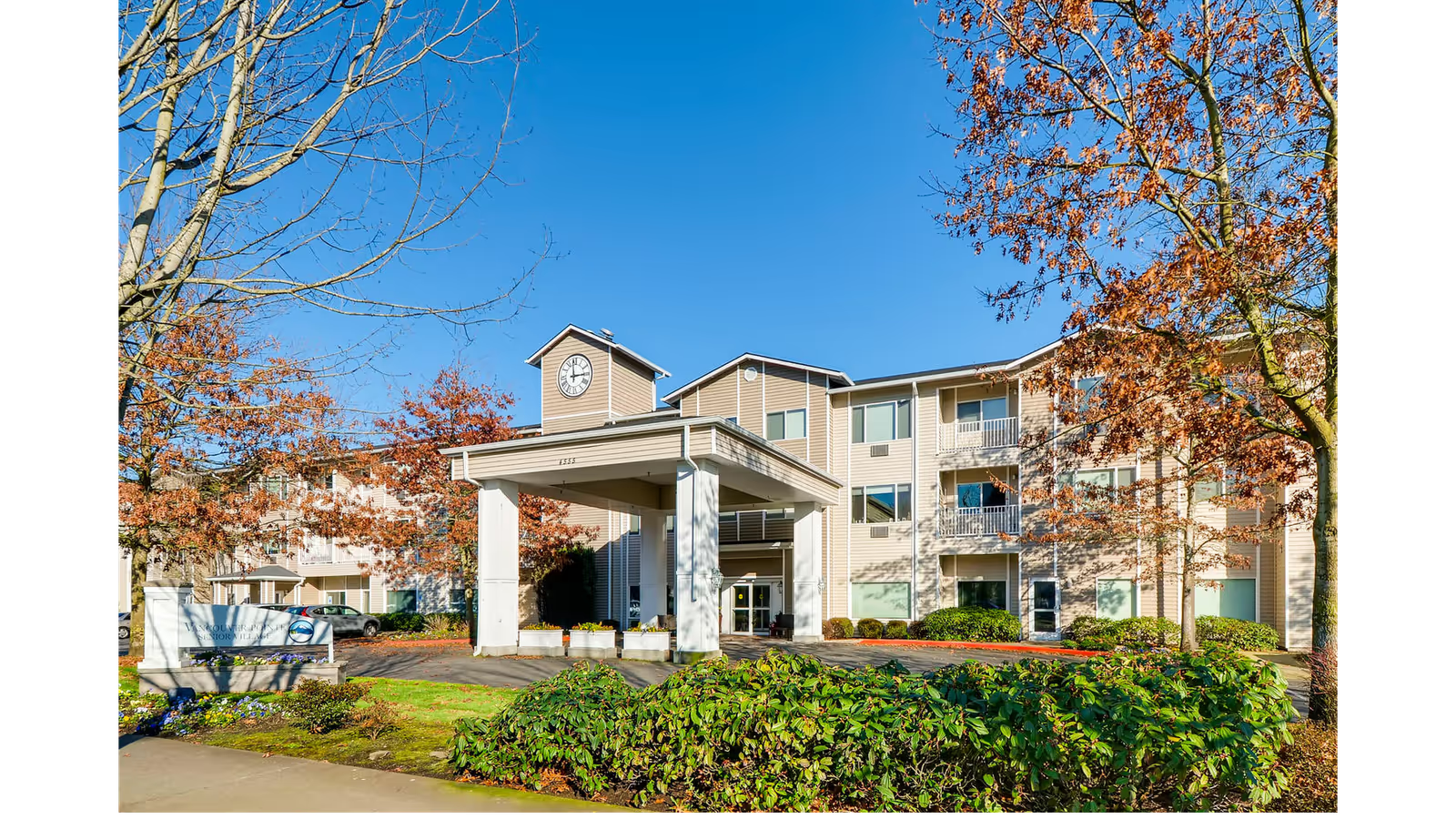
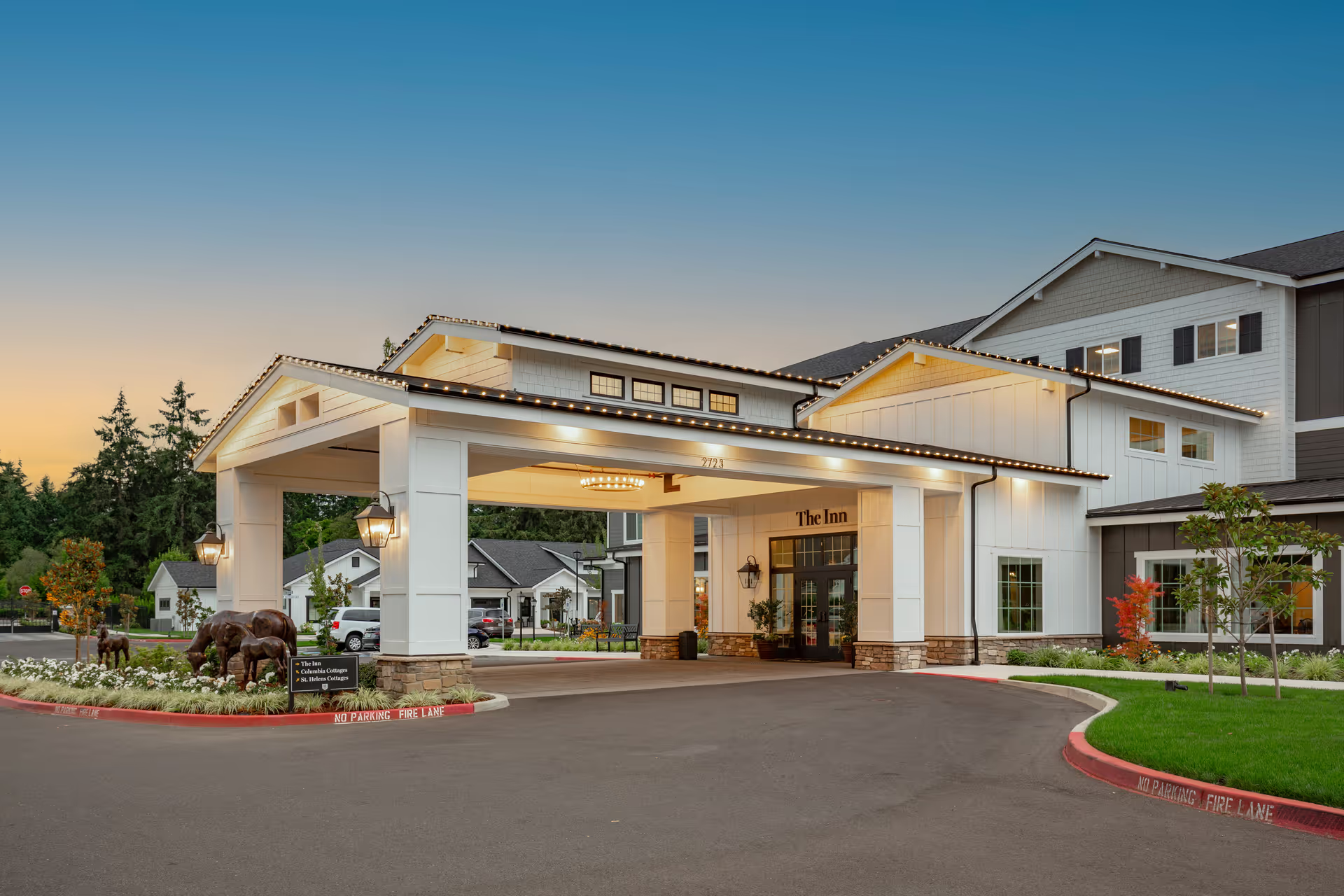
Bonaventure of Vancouver presents as a newer, well-appointed senior living community with a broad array of amenities and active social programming. Many families and residents praise the community for its bright, attractive building, secure outdoor spaces, and apartment features such as roomy closets and functional studio/one‑bed layouts. On-site offerings like a movie theater, gym, salon, bistro/pub, transportation services, and regular outings contribute to an engaging lifestyle for independent and assisted living residents.
Care quality descriptions are mixed. Nursing and clinical oversight appear uneven: certified nursing assistants (CNAs) are frequently described as compassionate and hardworking, but families also cite inconsistent nurse availability, medication-timing problems, and examples where clinical follow‑up did not occur as expected. Memory care receives both positive and critical feedback—some relatives note appropriate staffing and good dementia support, while others raise concerns about inconsistent personal-care routines and hygiene assistance. Several accounts link lapses in clinical processes and personal-care continuity to hospital transfers and placement changes.
Staffing and management are recurring themes. Reviewers consistently note high staff turnover, chronic shortages, and uneven training, which reviewers connect to slower response times and variable service levels. There are clear examples of individual staff members and managers who are highly praised for responsiveness, organization, and compassion, but these positive experiences coexist with accounts of slow or unresponsive administration, broken chains of command, and difficulty getting timely follow-through on requests or escalation.
Dining and housekeeping are areas of divergent experience. The community offers multiple dining venues and meal options, and some residents find the food varied and enjoyable. However, many families describe inconsistent meal quality, limited menu variety (particularly few vegetarian or non‑pork alternatives in some menus), and occasional inventory shortages or missing items. Housekeeping and common-area maintenance are generally noted as strengths in many areas, but sanitation and cleaning lapses in some units and selective common spaces are also documented; these issues are frequently tied back to staffing pressures.
Activities and social life are a strong point: organized daily programming, outings, games, exercise classes, intergenerational visits, and on‑site events are commonly praised for keeping residents engaged. Facility amenities and programming often meet expectations for an active retirement community and are repeatedly highlighted as a reason families selected the community.
Operational and financial transparency are areas for caution. Multiple reviewers express concern about high move‑in fees and monthly costs relative to perceived value, occasional unexplained billing items, and at least one serious financial-transactions concern. Some families also describe recent service reductions and cost‑cutting measures that affected offerings or staffing.
Overall, prospective residents and families should weigh the strong points—modern facility, comprehensive amenities, active programming, and many compassionate frontline staff—against persistent operational weaknesses: staffing instability, inconsistent clinical and personal-care practices, variable dining and sanitation consistency, and mixed management responsiveness. Recommended due diligence before move‑in includes asking for current nurse-to-resident ratios, written medication and care‑plan handling protocols, examples of staff retention initiatives, housekeeping and infection‑prevention procedures, a clear explanation of fees and billing practices, and references from current families in memory care or assisted living as appropriate.