Overall impression: Reviews describe a community with many operational strengths alongside recurring operational weaknesses. Positive feedback centers on friendly, engaged caregiving staff, robust memory-care expertise, restaurant-style dining with extended hours, and a broad set of amenities and activities that promote social engagement. At the same time, reviewers raised repeated operational concerns tied to staffing, communication, dining consistency, maintenance responsiveness, and management changes.
Care and staff: Care quality is frequently praised when staffing is stable — families note attentive, personable aides and knowledgeable memory-care personnel who create individualized, home-like support. The activity directors and many caregivers are singled out for going beyond basic duties and fostering resident engagement. However, a persistent pattern of high staff turnover and periods of understaffing has been reported; that pattern is associated with slower responses to call buttons, longer medication-administration and hospital-wait times, and occasions when nurses are described as too busy to interact with families. Families should expect variability in day-to-day staffing levels and ask about current staffing ratios, retention efforts, and processes for family notification during transfers or hospitalizations.
Dining: Dining is a focal strength for many residents. The community offers restaurant-style service, long dining-room hours, all-day breakfast options, soups, salad bars, desserts, and frequent special meals and Happy Hour events. Servers are often described as personalized and accommodating, and in-room meal service is available. Conversely, there are repeated notes about inconsistent food quality, menu execution, and occasional shortages or substituted items. Several reviews also flagged concerns about added dining or delivery fees and recommended clarifying what is included in basic pricing.
Activities and social life: Activity programming is robust in many accounts, with live music, outings (beach trips, tours), fitness, VR, bowling/games, arts and crafts, and regular social events. Residents and families describe a busy social calendar and engaged participation. That said, some reviewers observed limited exercise variety, lower activity levels in memory-care units, and periodic reductions in programming tied to staffing or budget changes. Prospective residents should review the current weekly activity schedule and ask about staffing dedicated to programming.
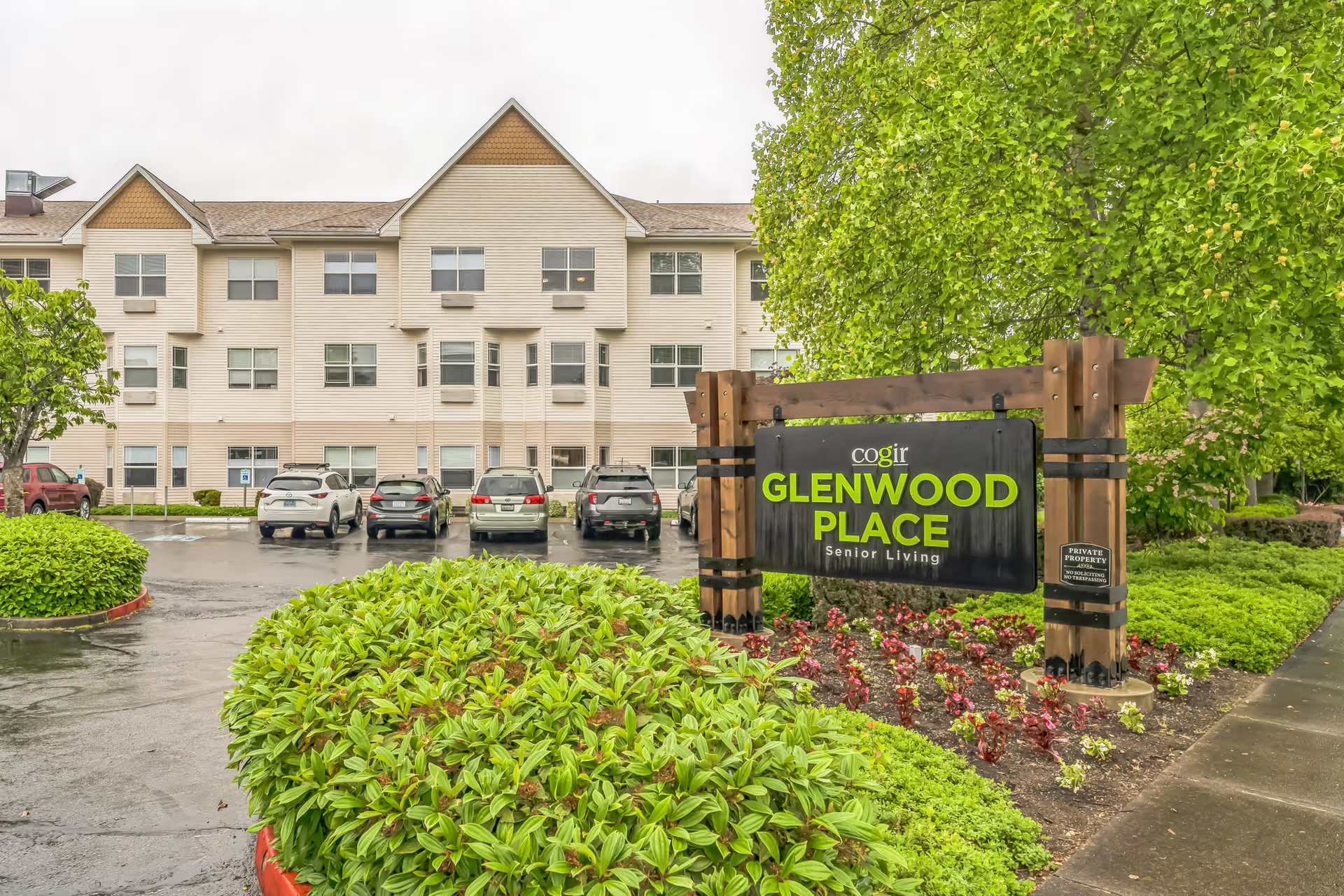
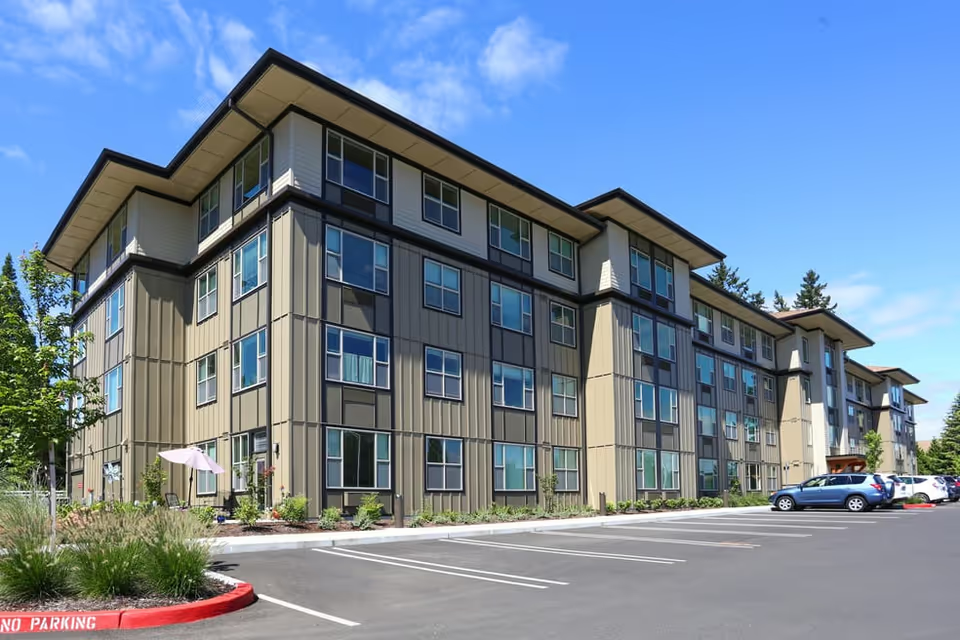
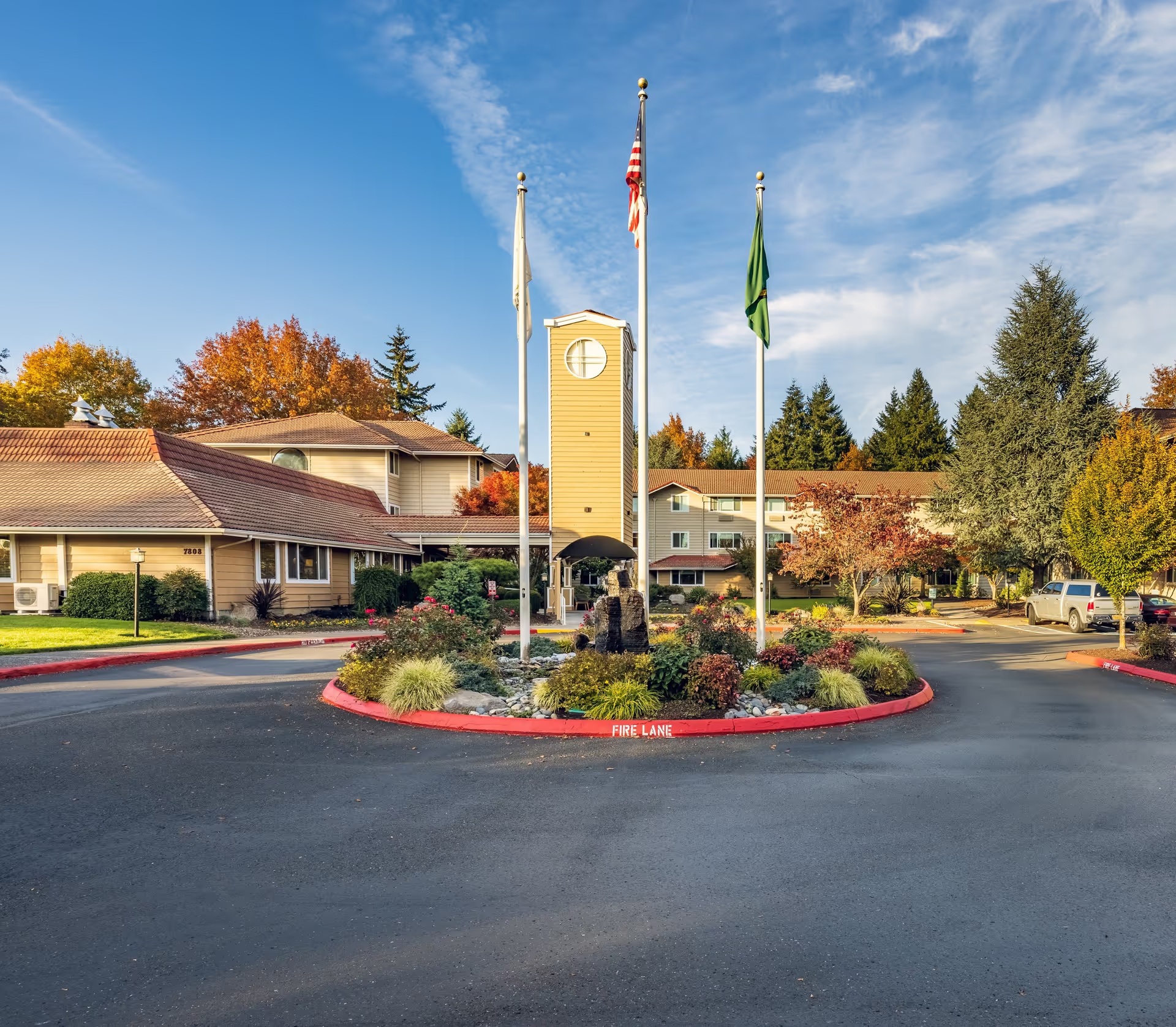
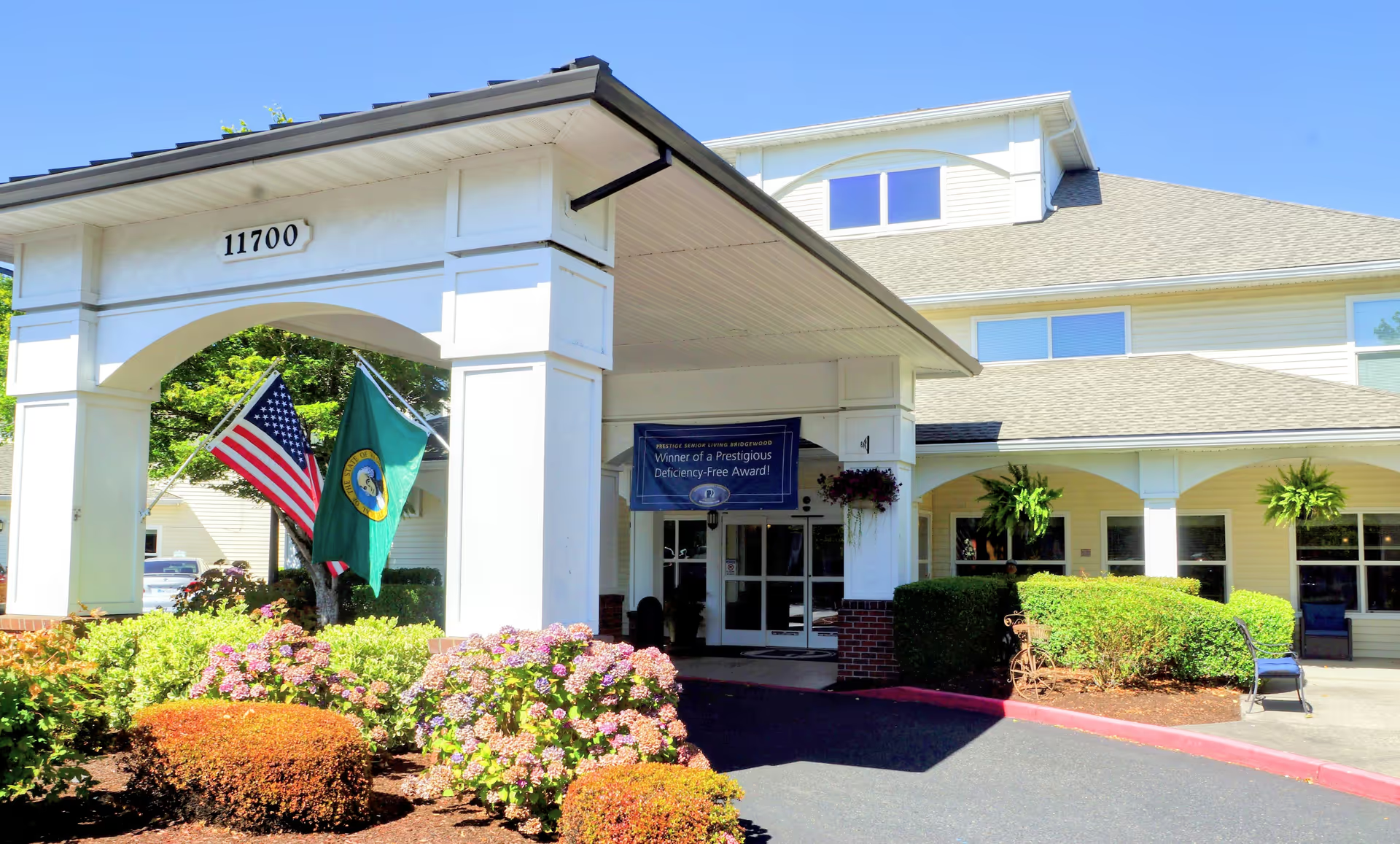
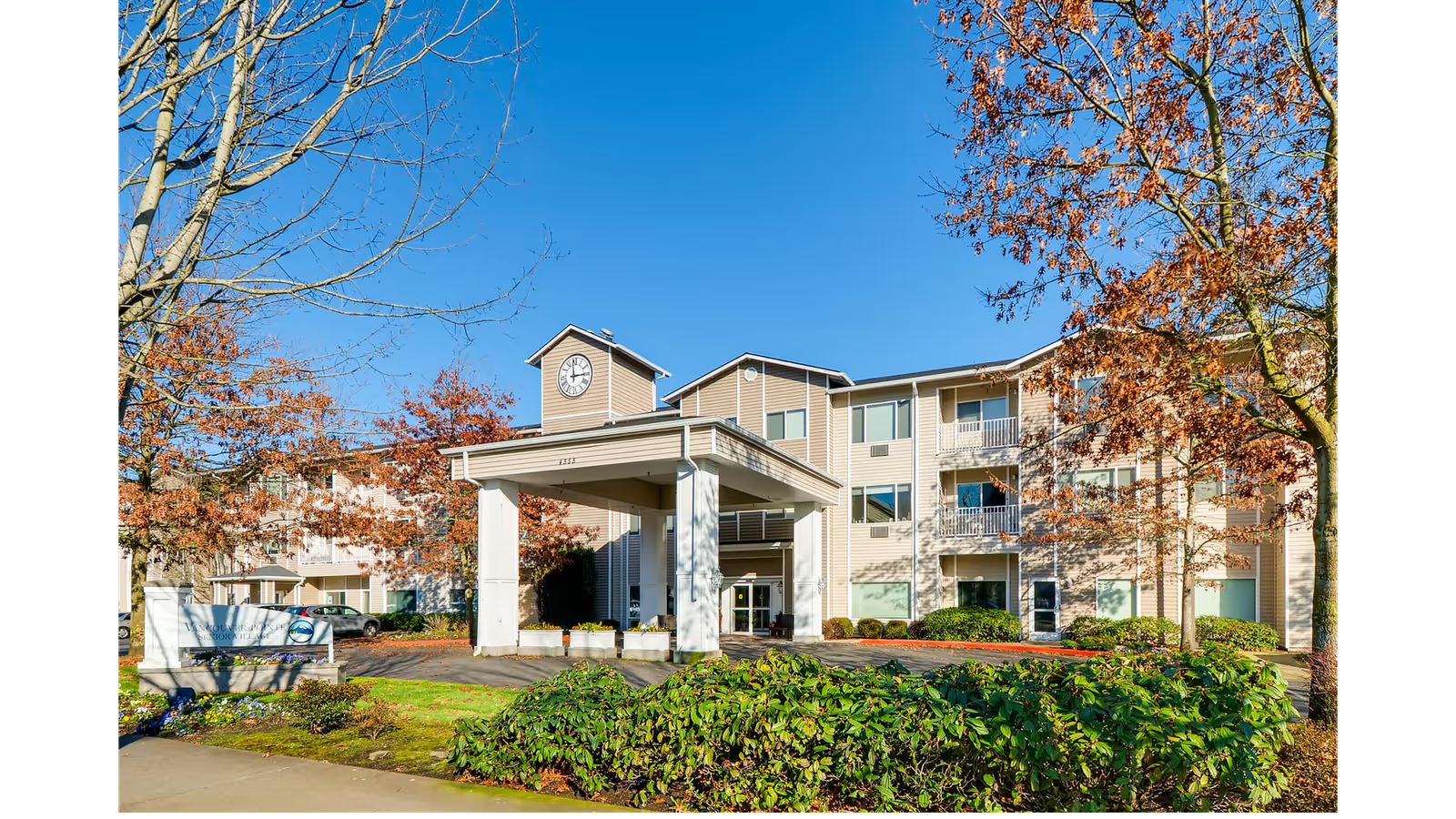
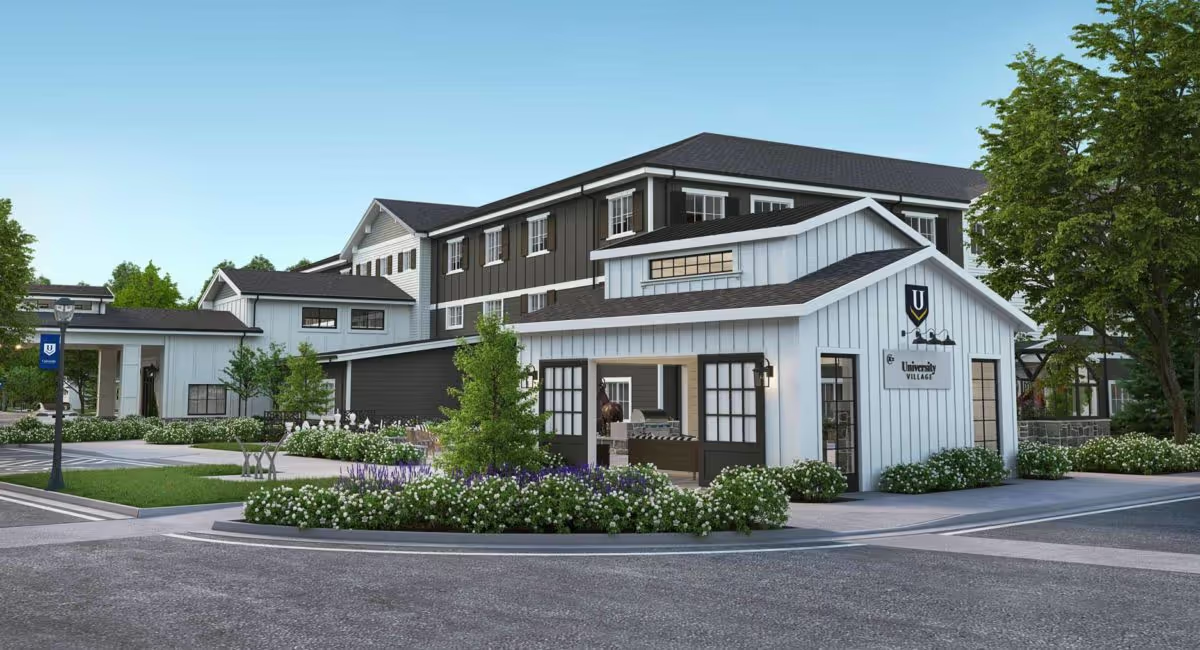
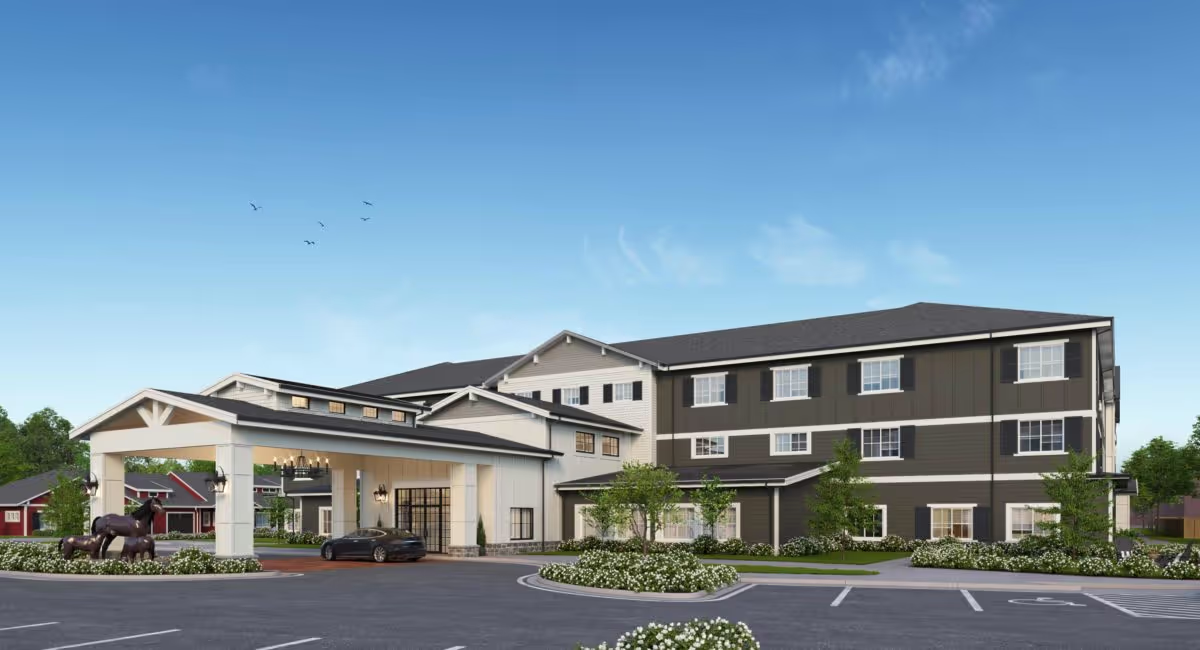
Facilities and apartments: The physical environment is often described as clean, modern, and well-maintained, with tasteful common areas, upgraded flooring, courtyards, private patios or balconies, and unit-level amenities such as full kitchens and in-unit washers/dryers in many units. Cottages and larger apartments offer a homelike feel and private garages in some cases. Conversely, cleanliness and housekeeping consistency were not uniform across reports; a subset of reviews cited missed cleaning or inconsistent attention to detail. Maintenance response times also varied by report, so clarifying turnaround expectations for repairs is advisable.
Management and administration: Several reviews praise proactive directors and good move-in support, transparent pricing, and responsive management in certain periods. However, others document operational instability following ownership or management transitions, with concerns about cost-cutting, reduced services, fee changes, billing/accounting inconsistencies, and weaker communication with families. Safety and supervision practices were questioned in a few accounts (for example, unsecured entry points or supervision gaps), and reviewers recommend confirming security protocols and staffing at entry points.
Notable patterns and recommendations: The dominant themes are a community that can offer high-quality food, meaningful activities, and compassionate caregiving when staffing and management are stable, but that experiences variability tied to turnover, ownership change, and operational decisions. Prospective residents and families should (1) ask for current staffing ratios and retention initiatives, (2) request written details on what dining and ancillary services are included versus billed separately, (3) review recent activity calendars and memory-care programming specifics, (4) tour units at different times of day to observe meal service and staffing patterns, and (5) confirm maintenance and emergency communication processes. These steps will help calibrate expectations to the current operating environment of the community.