Overall impression: Reviews present a mixed but instructive picture. Many families and residents praise the facility for its strong therapy services, engaged caregiving staff, and active social programming; these strengths frequently support functional recovery and successful discharge home. At the same time, a number of operational weaknesses recur across reviews, producing variability in day-to-day experiences.
Care quality and clinical practices: The facility is often recognized for skilled physical and occupational therapy, a motivational therapy approach, and nursing/CNA staff who are attentive and supportive when staffing levels permit. Several accounts describe therapy-driven progress such as improved transfers, independent walker use, and readiness for home return. However, reviewers also describe inconsistent clinical practices: variability in therapy intensity, gaps in wound and infection management, concerns about medication management, and problems with clinical documentation and medication-administration controls. These operational gaps have, in some cases, been associated with rehospitalization or additional clinical follow-up.
Staffing and responsiveness: Staff members are frequently characterized as friendly, caring, and communicative; proactive communication with families and front-desk responsiveness are recurring positives. Yet staffing stability and adequacy appear uneven. Reviewers cite understaffing, slow responses to call bells or care requests, and a need for family advocacy to ensure timely attention. Leadership transitions and perceived management instability are also described as factors that can affect continuity of care.
Dining and housekeeping: Dining receives both praise and criticism. Multiple reviewers report well-prepared, enjoyable meals and accommodating dining staff, while others describe poor palatability and limited nutritional balance. Housekeeping and sanitation perceptions are similarly mixed: some reviews note clean common areas and rooms, whereas others describe sanitation concerns in certain units and inconsistencies in housekeeping standards.
Activities and social environment: The activities program and Activities Director receive consistent positive mention. Organized entertainment, bingo, socials, volunteer opportunities, and garden/walking areas contribute to social connections and resident morale. Reviewers commonly note a family-like atmosphere and opportunities for friendships, which are strengths for resident well-being.
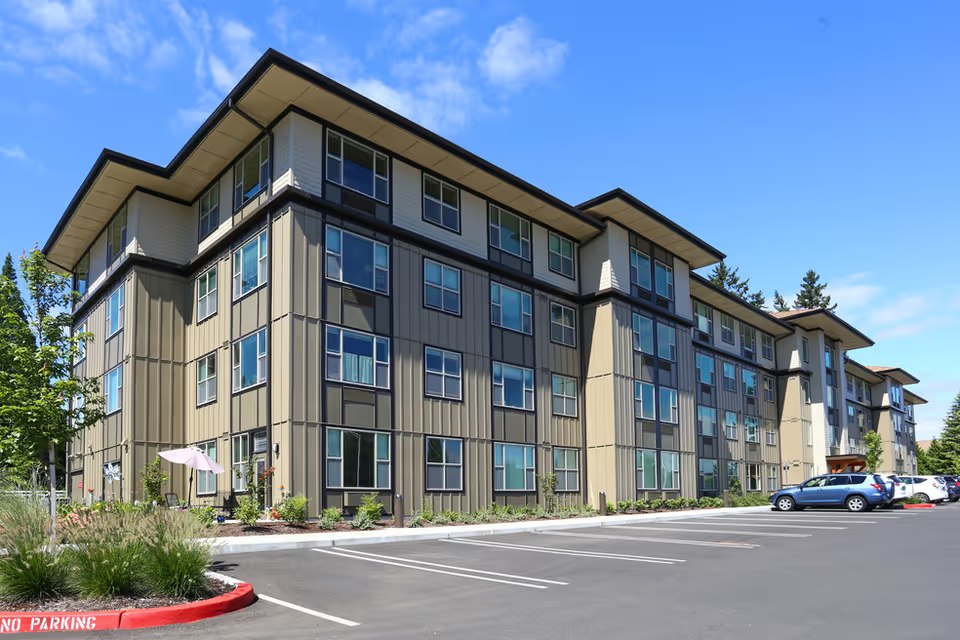
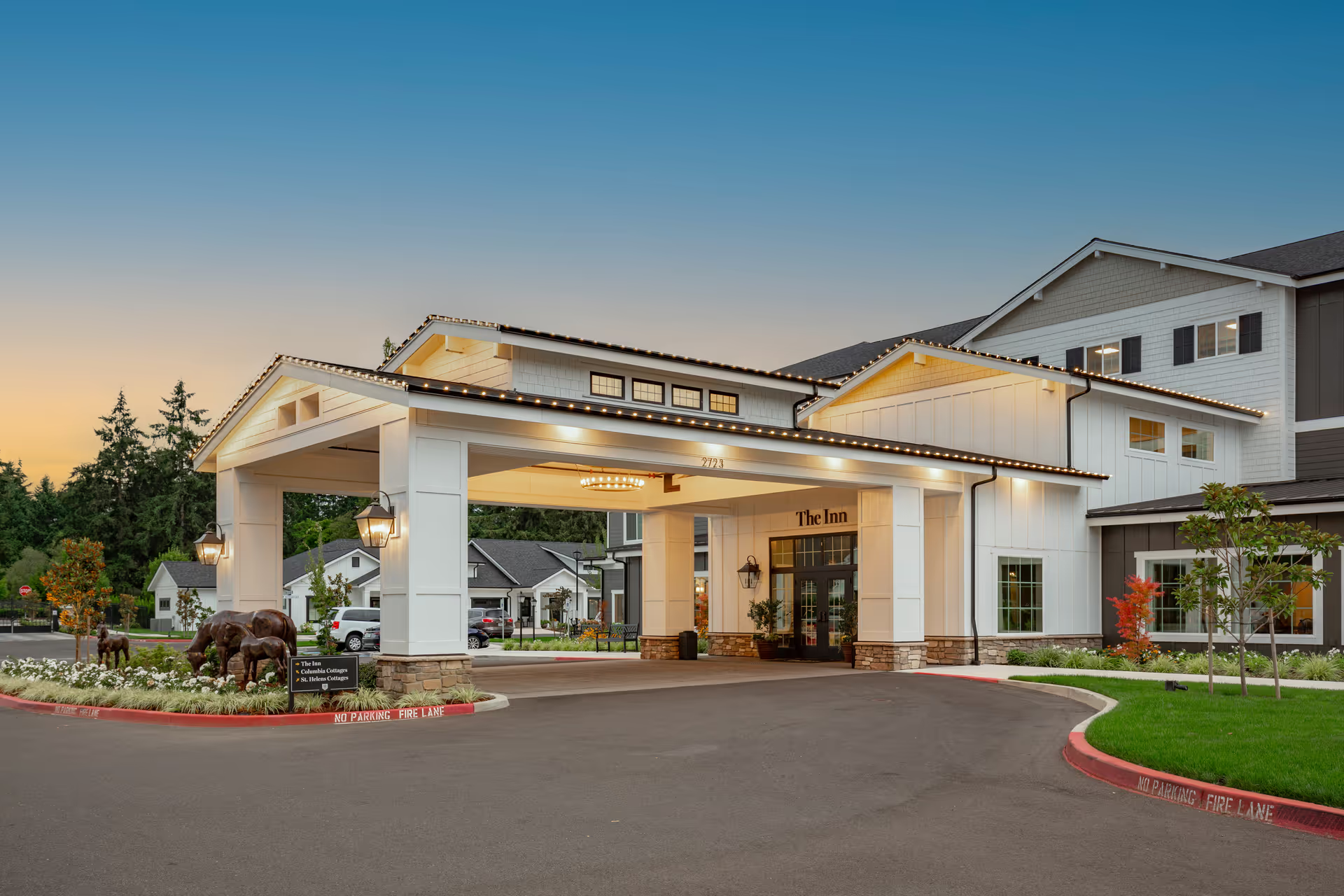
Facilities and logistics: The physical plant is described as comfortable but aging in places; several reviewers note dated infrastructure. Practical supports such as on-time transportation and clear insurance guidance are cited as helpful. Conversely, supply-management issues (for example, ostomy supplies or personal-item control) and occasional clothing loss are raised as operational weaknesses.
Management, transparency, and safety concerns: Administrative strengths include clear insurance explanations and helpful front-desk staff; however, some reviewers indicated concerns about incident follow-up and transparency, including notable concerns following a resident's death. Taken together with other operational issues—documentation gaps, supply controls, and inconsistent wound care—these accounts suggest areas where management oversight and quality assurance could be strengthened.
What this means for prospective families: For those considering this facility for short-term rehabilitation or longer stays, the primary strengths to expect are focused therapy services, an engaging activities program, and generally supportive caregiving staff. Potential risks relate to variability: staffing and responsiveness, inconsistent clinical and housekeeping practices, and supply-management controls. Prospective residents and families may benefit from asking about current staffing ratios, infection-control and wound-care protocols, call-bell response times, therapy intensity and individualized plans, Medicare ratings and inspection history, and procedures for safeguarding personal items and supplies. These targeted questions can help align expectations with the facility’s variable performance across areas described in reviews.