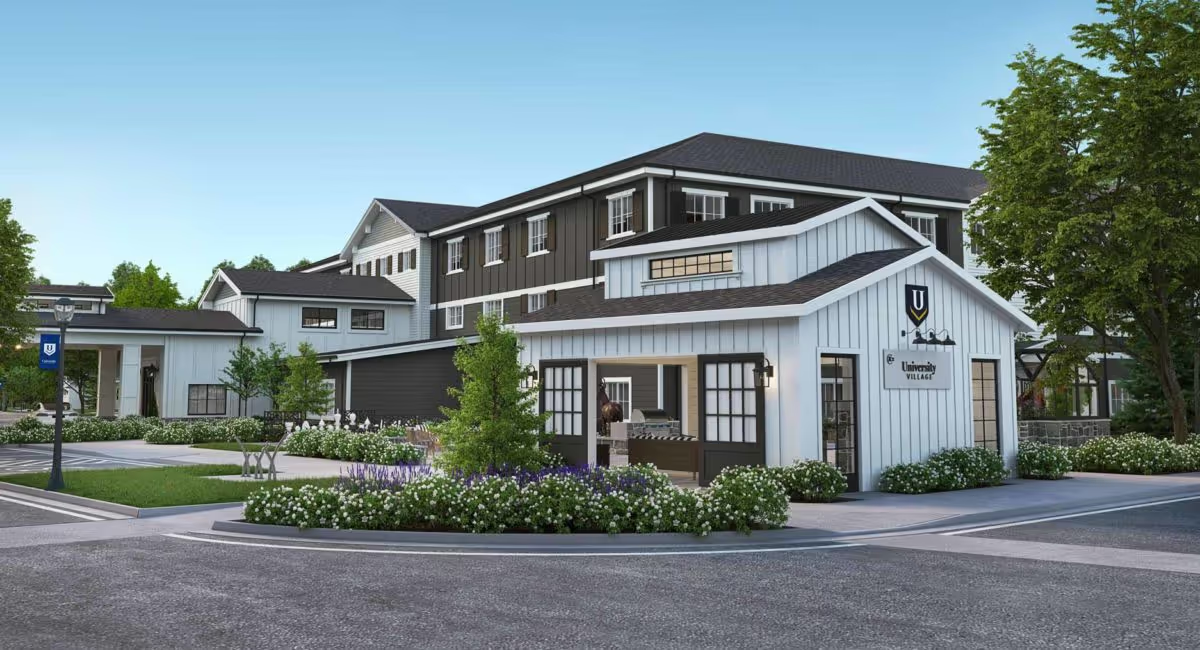
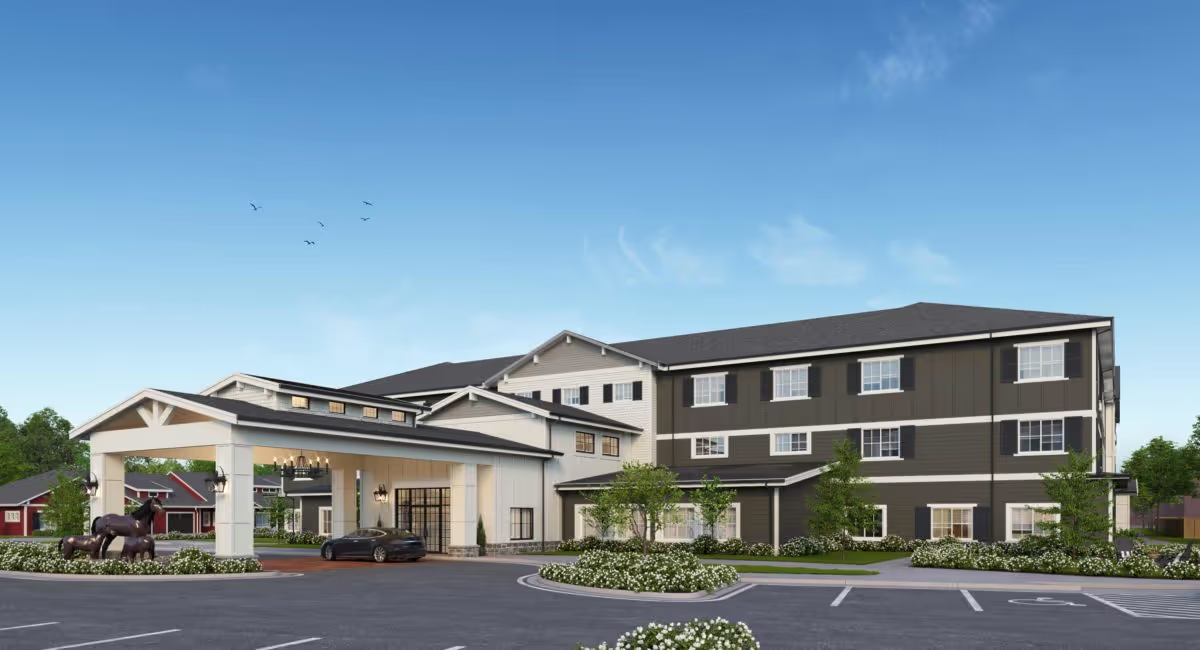
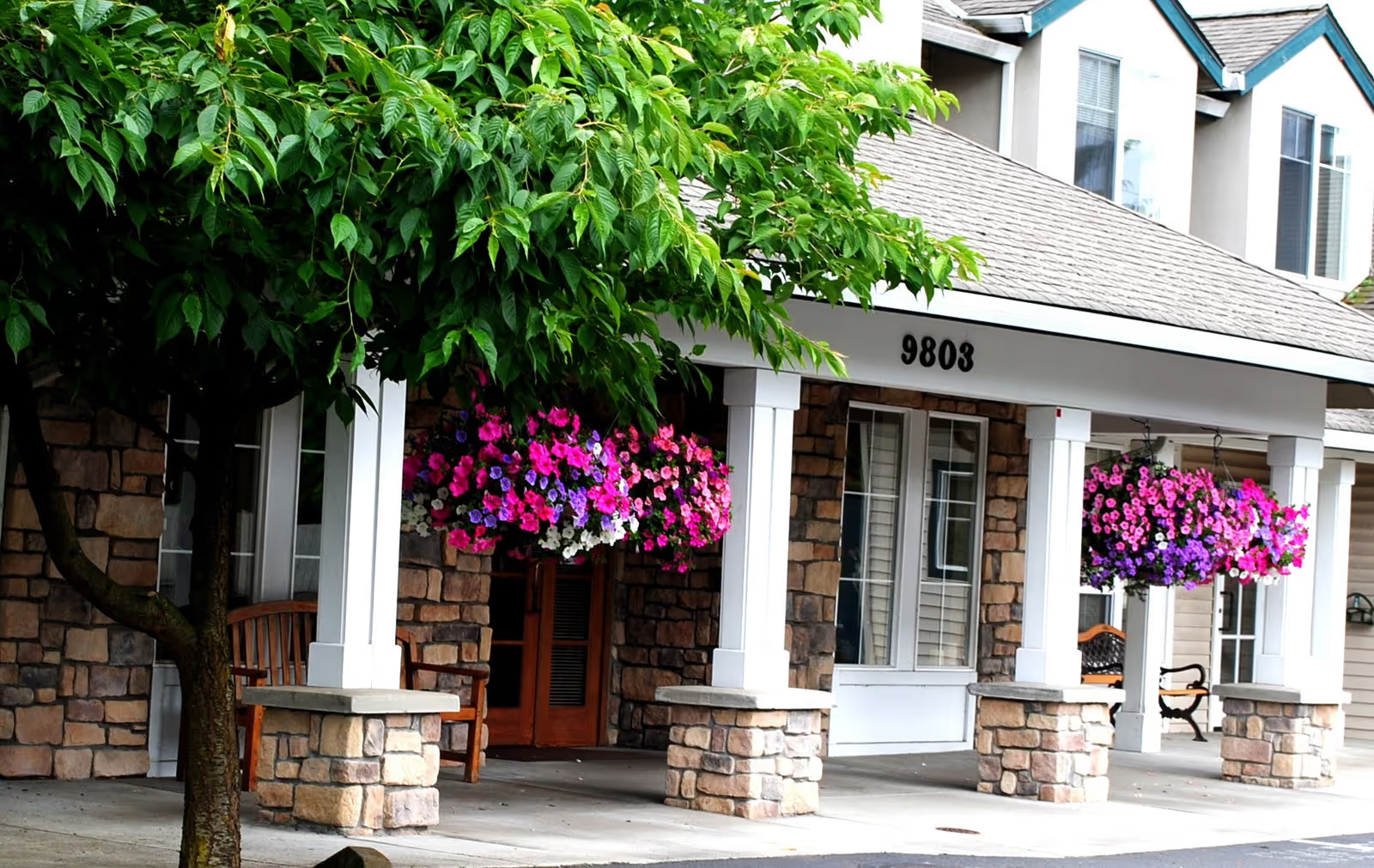
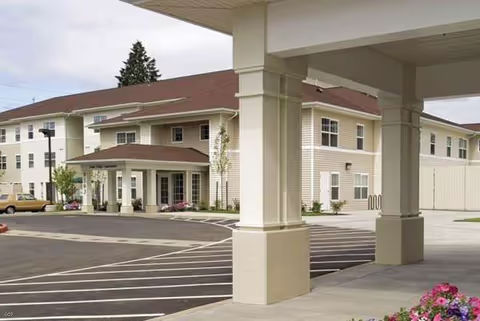
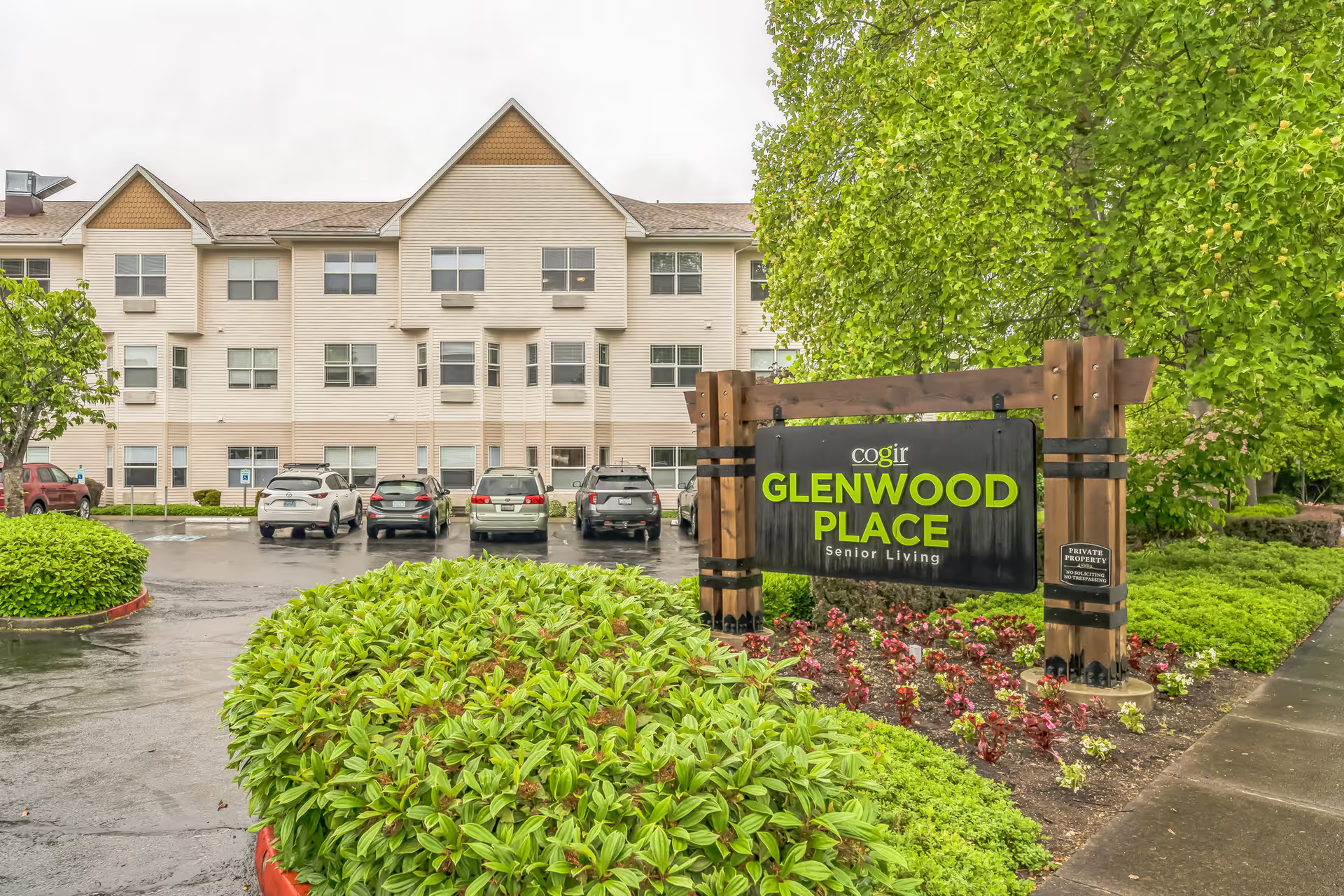
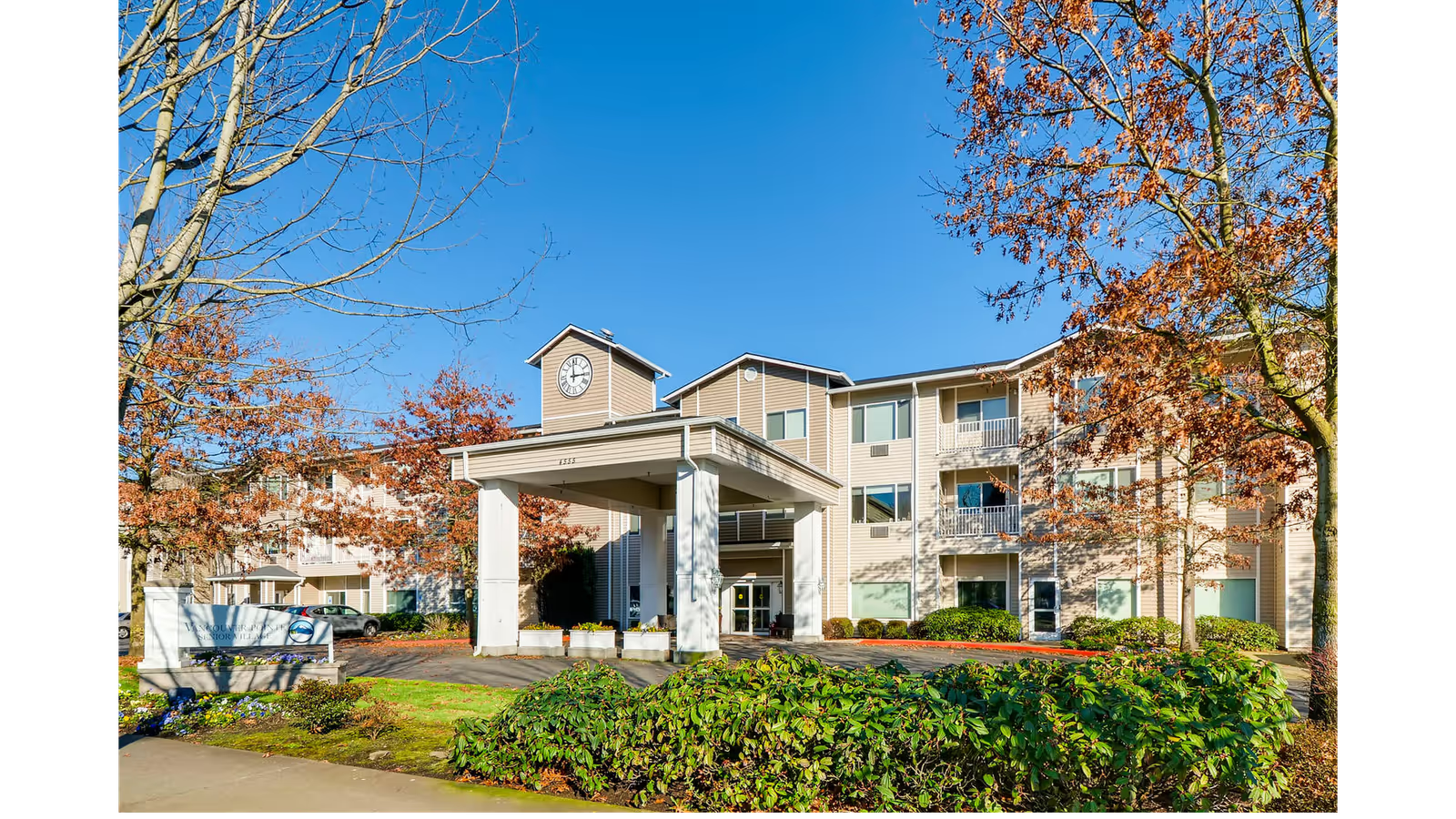
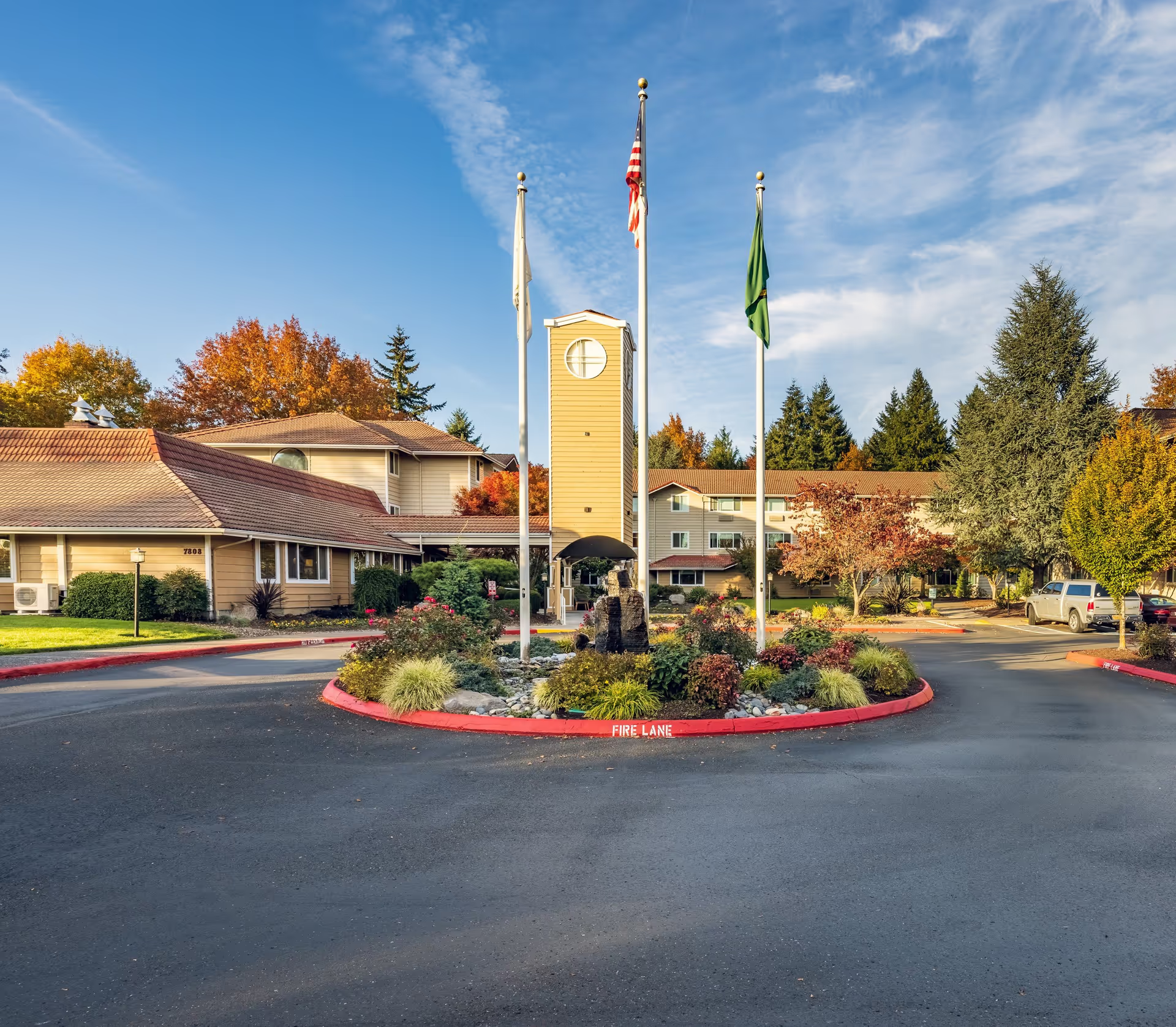
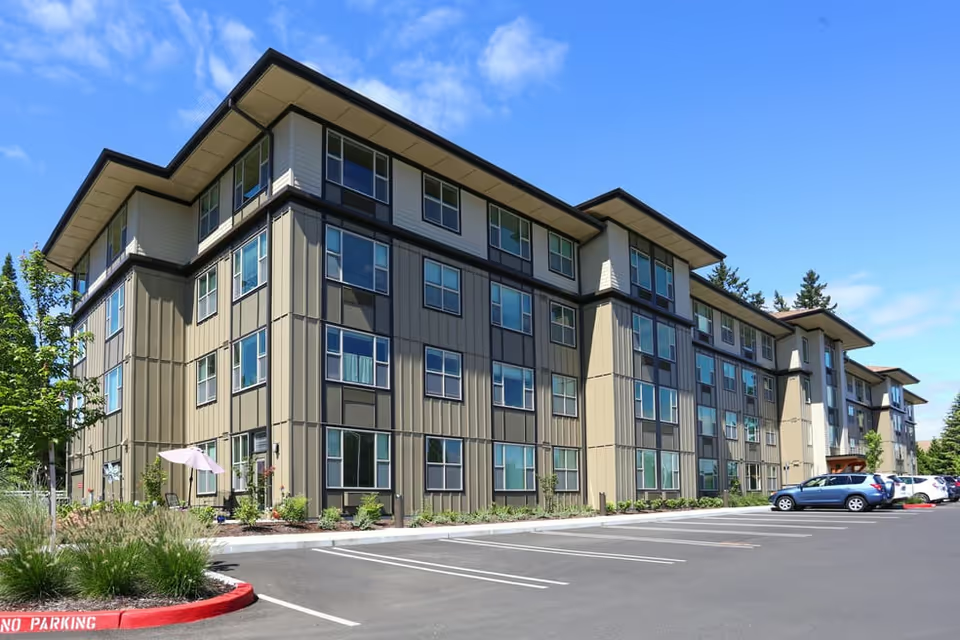
Salmon Creek Post Acute & Rehabilitation presents a mixed picture across reviewers. The facility's physical environment and therapy resources are consistently cited as strengths: reviewers describe a modern, bright building with well-appointed therapy areas, effective PT/OT programs, and supportive common spaces. Many families praised admissions and social-work staff for coordination and discharge planning, and several highlighted attentive housekeeping and laundry services. Single rooms and family-friendly visitation options were noted as helpful for recovery and family involvement.
Clinical care assessments are mixed. Physical and occupational therapy are commonly identified as top-tier and outcomes-focused; numerous accounts credit therapy staff with meaningful functional improvement. Day-shift nurses and many CNAs receive praise for compassion and competence. However, a recurrent operational theme is understaffing, which reviewers link to delays in response to call lights, inconsistent bathing and toileting assistance, missed or delayed medication doses, and uneven wound-care follow-up. These lapses have at times led to hospital transfers and family concerns about clinical oversight. Several reviews also referenced serious adverse events and follow-up investigations; families flagged gaps in medication management, documentation, and post-incident communication.
Dining, housekeeping, and ancillary services show variability. Some reviewers appreciate the meals and kitchen flexibility for restricted diets, while others describe inconsistent food temperature, timing, and overall quality. Cleanliness and sanitation are generally praised for public areas and therapy zones, but there are repeated mentions of inconsistent room-level housekeeping and sanitation tasks. Activity programming and communal areas are frequently described as welcoming and well used.
Organizational and management patterns merit careful attention by prospective residents and families. Multiple reviewers describe strong, hands-on leaders and staff who advocate for residents, yet others report poor follow-through on identified issues, limited accountability, and slower responsiveness on nights and weekends. Communication gaps between clinical staff and families, inconsistent documentation, and variability between day and night teams are recurring themes.
Prospective families should weigh the facility's robust therapy services, modern environment, and many dedicated caregivers against the operational concerns tied to staffing, medication administration, wound care follow-up, and weekend/night variability. Recommended pre-admission questions include staffing levels by shift, medication-administration protocols, wound-care oversight and follow-up processes, bathing and incontinence-care schedules, meal-service timing, and any recent regulatory actions or corrective plans. Visiting during different shifts (including nights and weekends) and speaking directly with social work about care coordination can help set expectations and identify whether the facility’s strengths align with the prospective resident’s clinical needs.