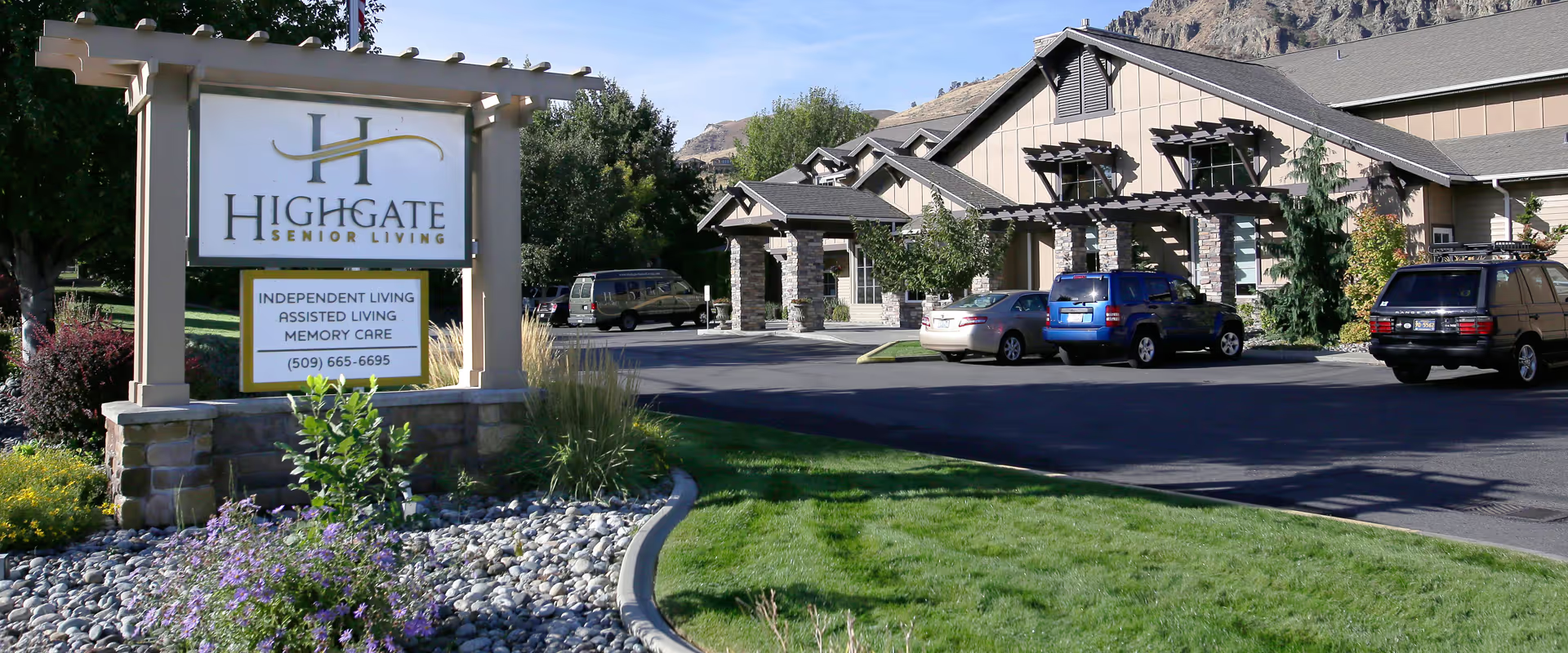
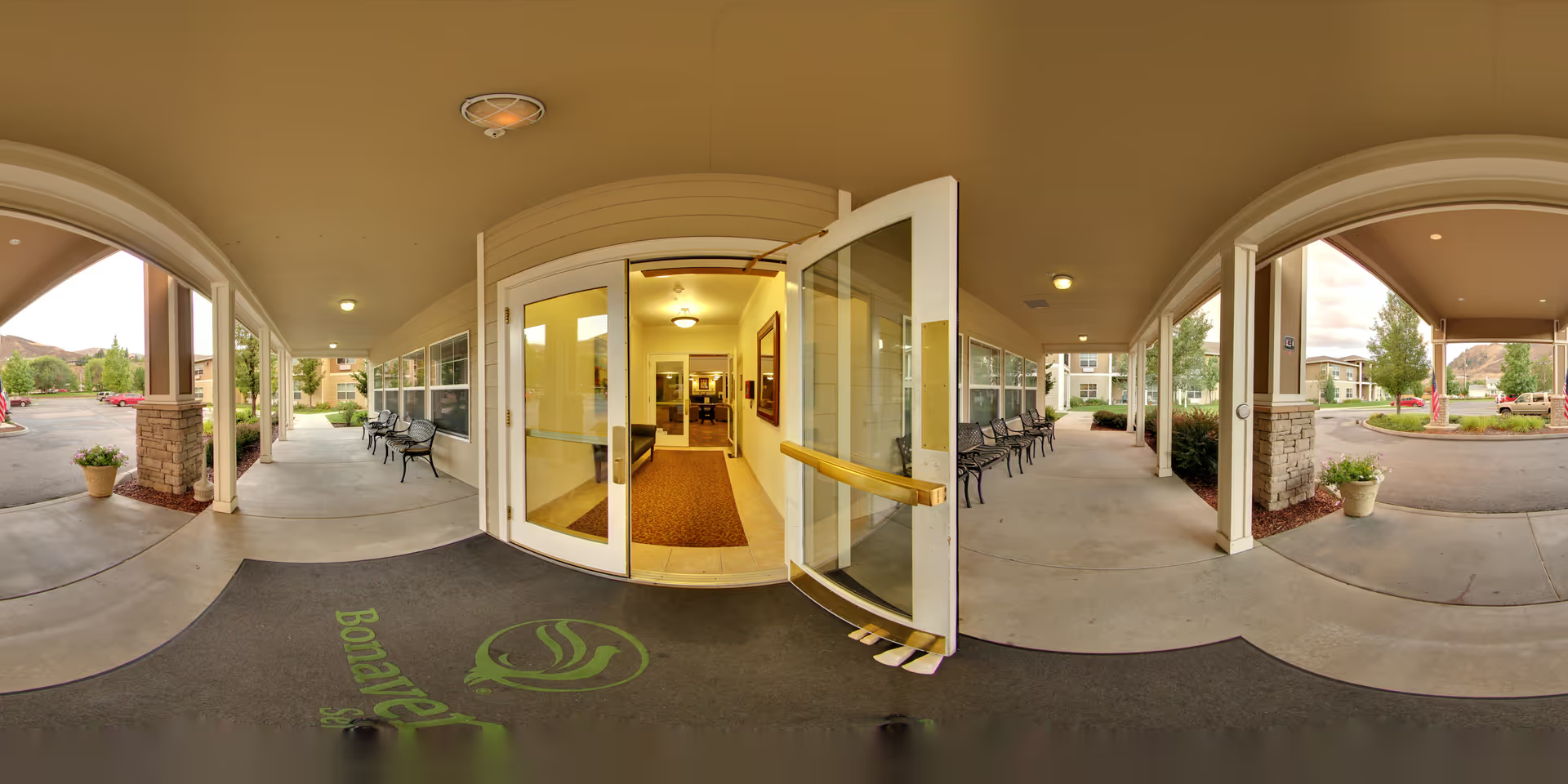
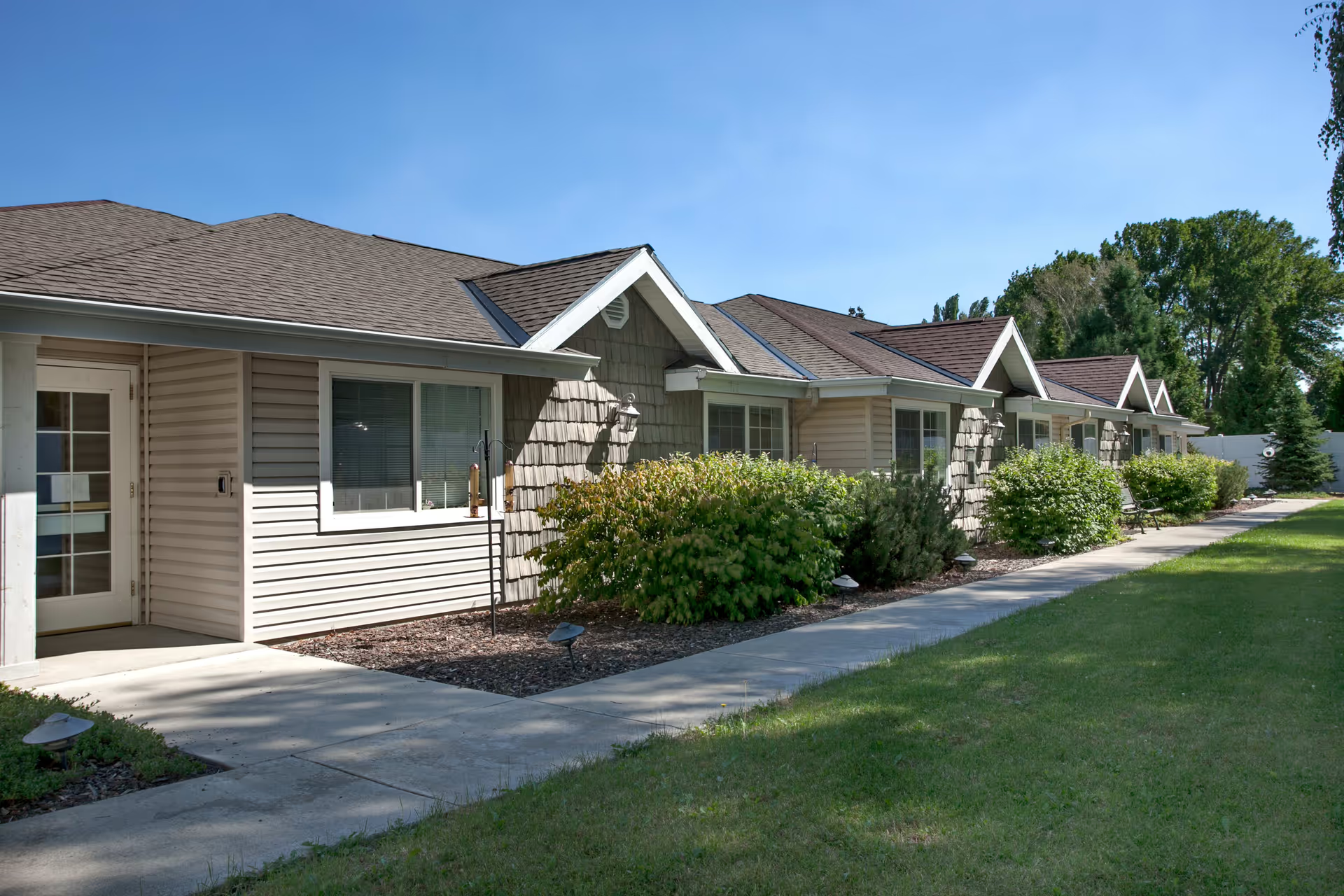
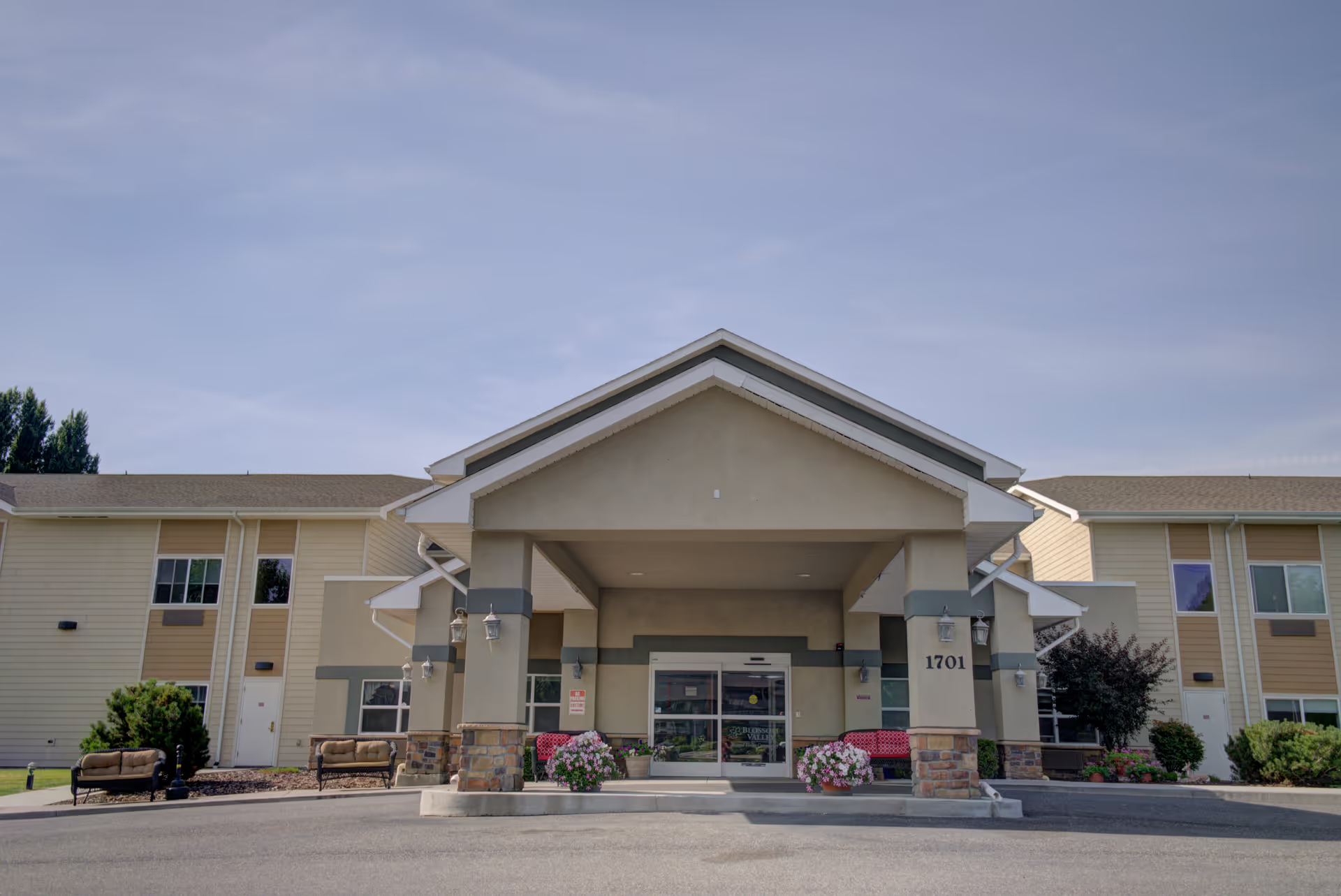
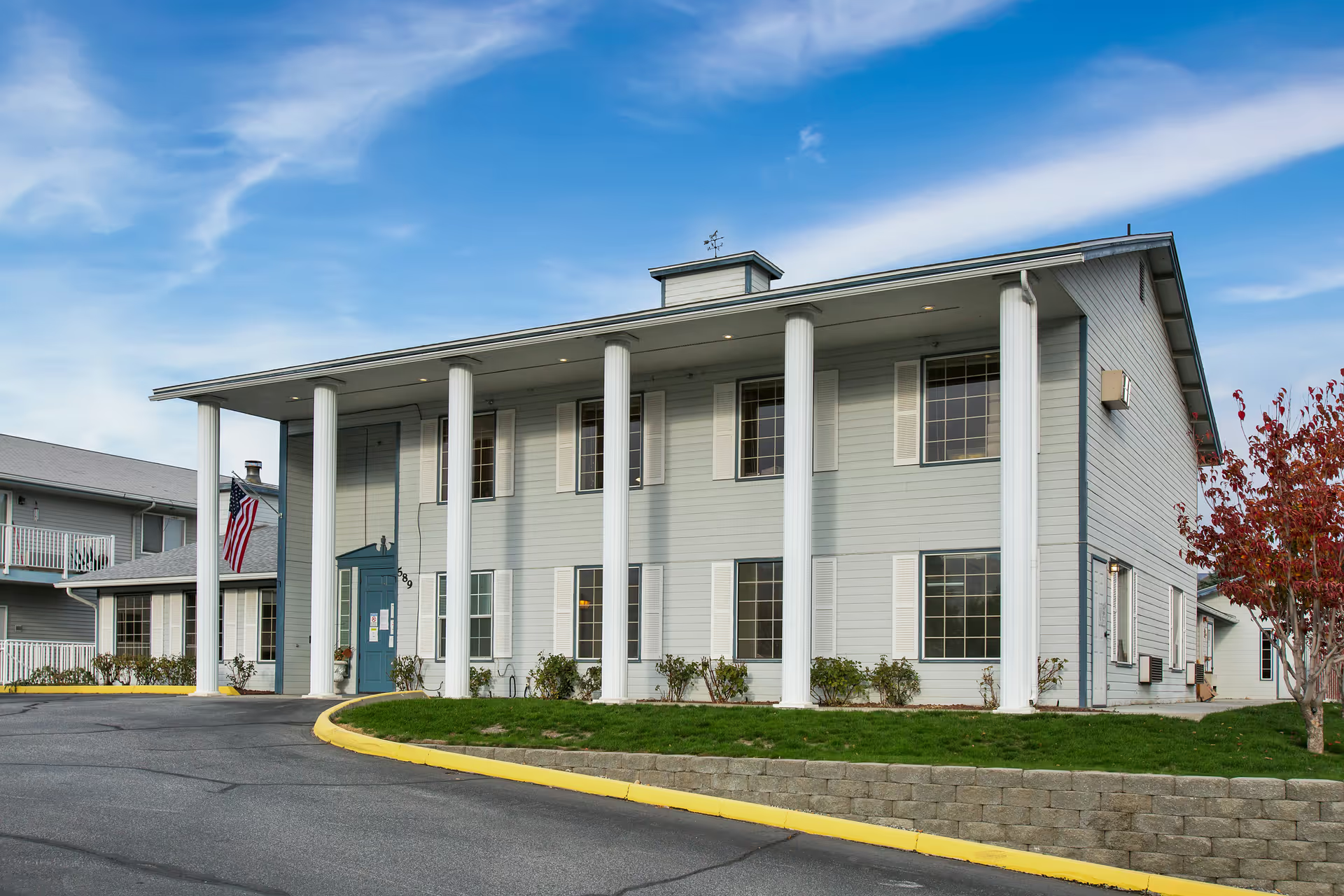
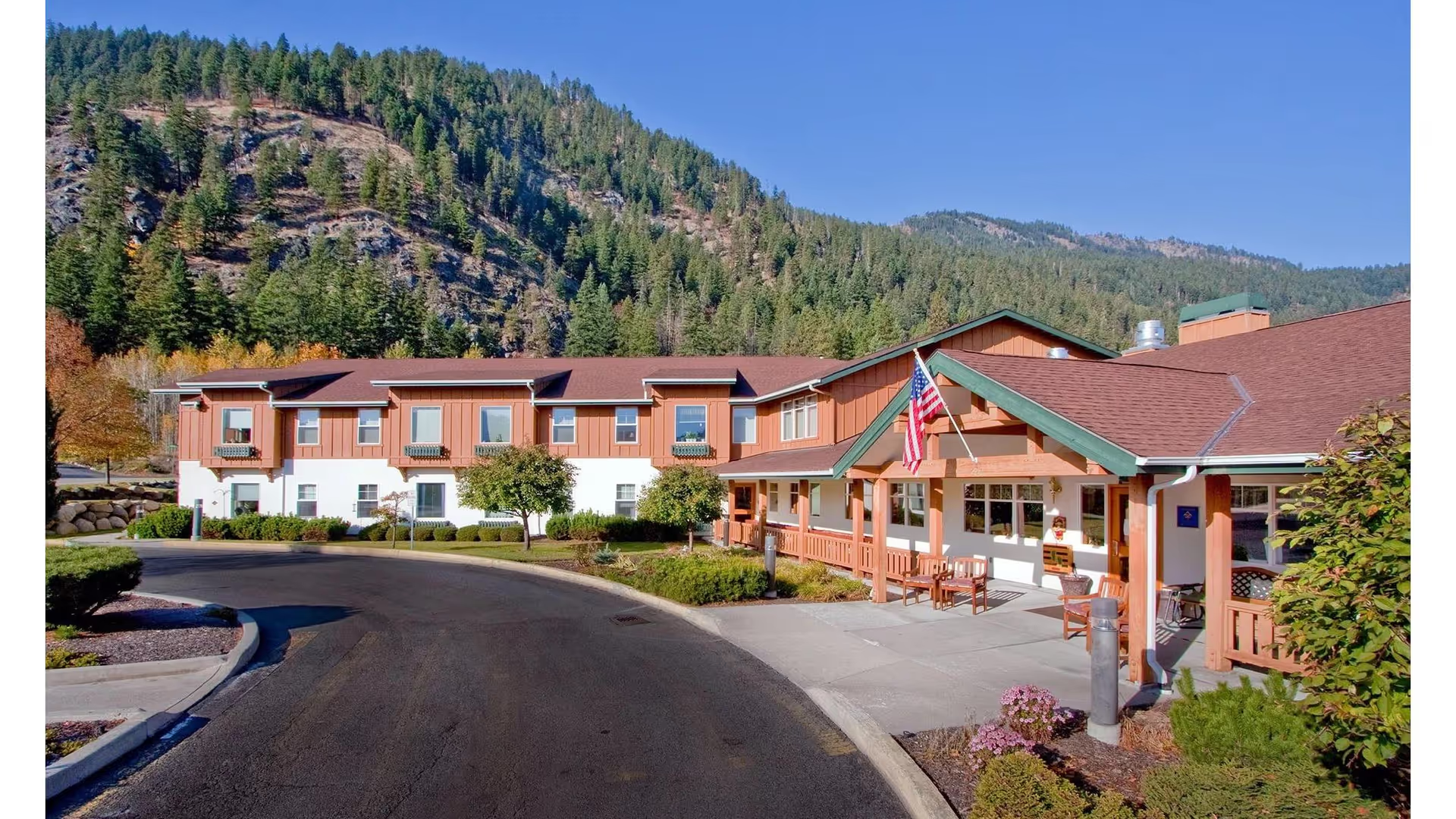
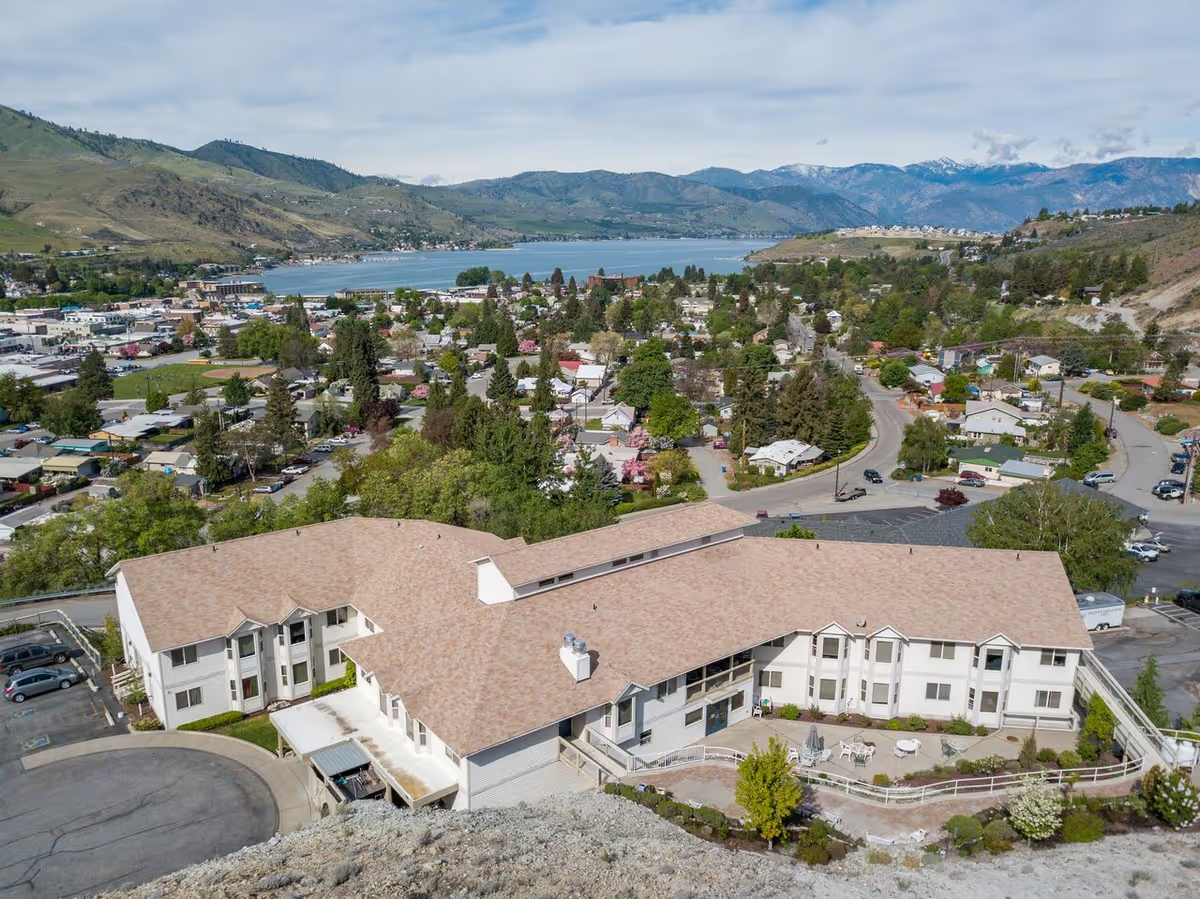
This collection of reviews paints a mixed but specific picture of the facility as a memory-care–only community with clear strengths in specialized dementia care. Strengths most consistently described include a dementia-focused model, staff who are described as compassionate and resident-centered, and caregiving teams that often demonstrate familiarity with resident preferences. The community’s culinary program and on-site chef receive frequent praise for meal quality, and the activity program is highlighted as broad and engaging, with coordinated events, holiday celebrations, and regular photo or outreach updates that help families stay connected. The physical environment is commonly described as clean, modern, and spacious, with well-laid-out rooms, private courtyards and gardens, and a home-like atmosphere that many families find comforting.
Care and staffing show divergence across reviews. Several accounts describe attentive, skilled caregiving and strong clinical oversight, including hospice support when needed. At the same time, there are recurring operational concerns: understaffing and high turnover are cited as ongoing issues that contribute to inconsistent staffing coverage, especially during nights or off-hours when RN presence is limited. Related patterns include delays in clinical response after incidents and gaps in timely documentation and family notification. Reviews also point to specific process weaknesses around medication and physician-order communication that have affected some residents’ care continuity.
Dining, activities, and daily life are overall strengths. The on-site chef and frequent positive comments about meals indicate a robust food program. Activities are varied and often coordinated by identifiable staff members who receive praise for keeping residents engaged; intergenerational interactions and family events are called out as contributors to quality of life. The community’s layout and outdoor spaces support socialization and mobility for residents who can participate.
Facility maintenance and management elicit mixed impressions. Many families note cleanliness and proactive hospitality from front-line staff and administrators, and several reviews credit leadership changes with measurable safety and quality improvements. Conversely, recurring themes include sanitation and odor concerns in particular areas, inconsistent front-desk or entry responsiveness, and gaps between advertised amenities and what is available on-site. Financial transparency is another area of concern: pricing increases, unexpected charges, and billing communication problems appear to have affected family trust.
Management culture and communication appear variable. Positive accounts describe responsive, engaged leadership that addresses feedback and restores trust; negative accounts describe difficult-to-reach management, perceived prioritization of financial considerations, and concerns about staff conduct or tone. Prospective families should note that leadership changes have been reported to improve outcomes in some cases, but operational variability remains a consistent theme.
What stands out as actionable for prospective residents and families: verify current staffing ratios and overnight clinical coverage, ask for written protocols on medication-order communication and incident notifications, review recent inspection or incident histories if available, confirm the availability of specific advertised amenities, and request a clear breakdown of fees and recent pricing history. Visiting during different shifts (day, evening, night) and speaking directly with caregiving staff and the charge nurse can help assess the consistency of care and responsiveness. Overall, this facility demonstrates clear strengths in specialized memory-care programming, dining, and activity engagement, but families should weigh those positives against operational concerns around staffing stability, communication, and billing transparency.