Highgate Senior Living – Wenatchee elicits strongly mixed impressions. Many families and staff praise an overall culture of compassionate, resident‑centered care: long‑tenured employees, individual caregivers who are described as attentive and respectful, an on‑site RN and resident care coordinator, and administrators who communicate proactively with families. Several accounts emphasize a warm, family‑like atmosphere, clean and well‑decorated apartments and common areas, robust COVID mitigation including an in‑house vaccine clinic, and a range of social programming and events that benefit residents’ engagement.
Clinical care and staffing present a complex picture. Positive experiences include timely recognition of health changes, dignified assistance with daily living, and med‑techs or care partners who go above and beyond. At the same time, a pattern of inconsistent staffing levels, frequent caregiver turnover, and staff burnout is described. These operational stresses correlate with lapses identified by families: missed or incorrect medication handling, inconsistent follow‑through on clinical orders, and occasional delegation or training gaps for specific clinical tasks. Together these suggest variability in protocol adherence and supervision across shifts.
Dining and activities receive polarized feedback. Many reviewers praise the dining room environment, professional chef, and varied daily events that encourage participation. Conversely, other families note inconsistent meal quality, food‑safety concerns (including choking‑risk and preparation issues), and reduced or minimal programming in particular units. Activity availability appears to vary by neighborhood within the campus and by staffing; where activity staff and leadership are engaged, residents report better social participation and morale.
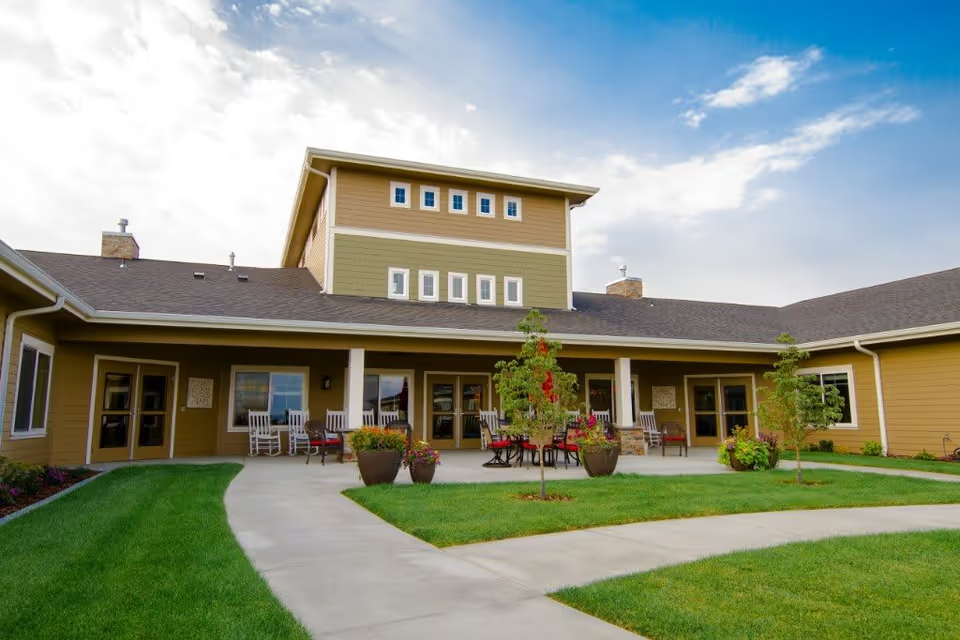
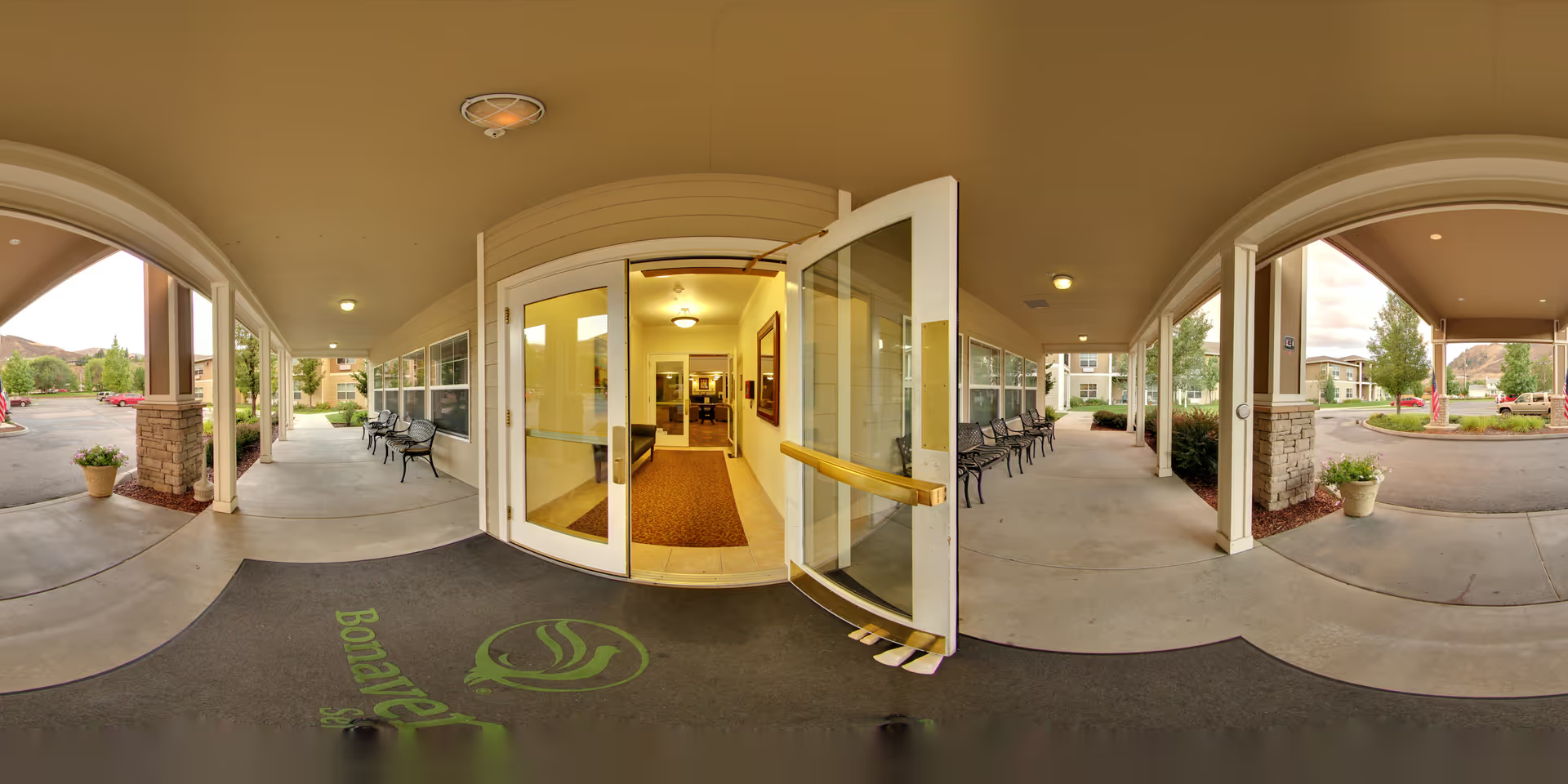
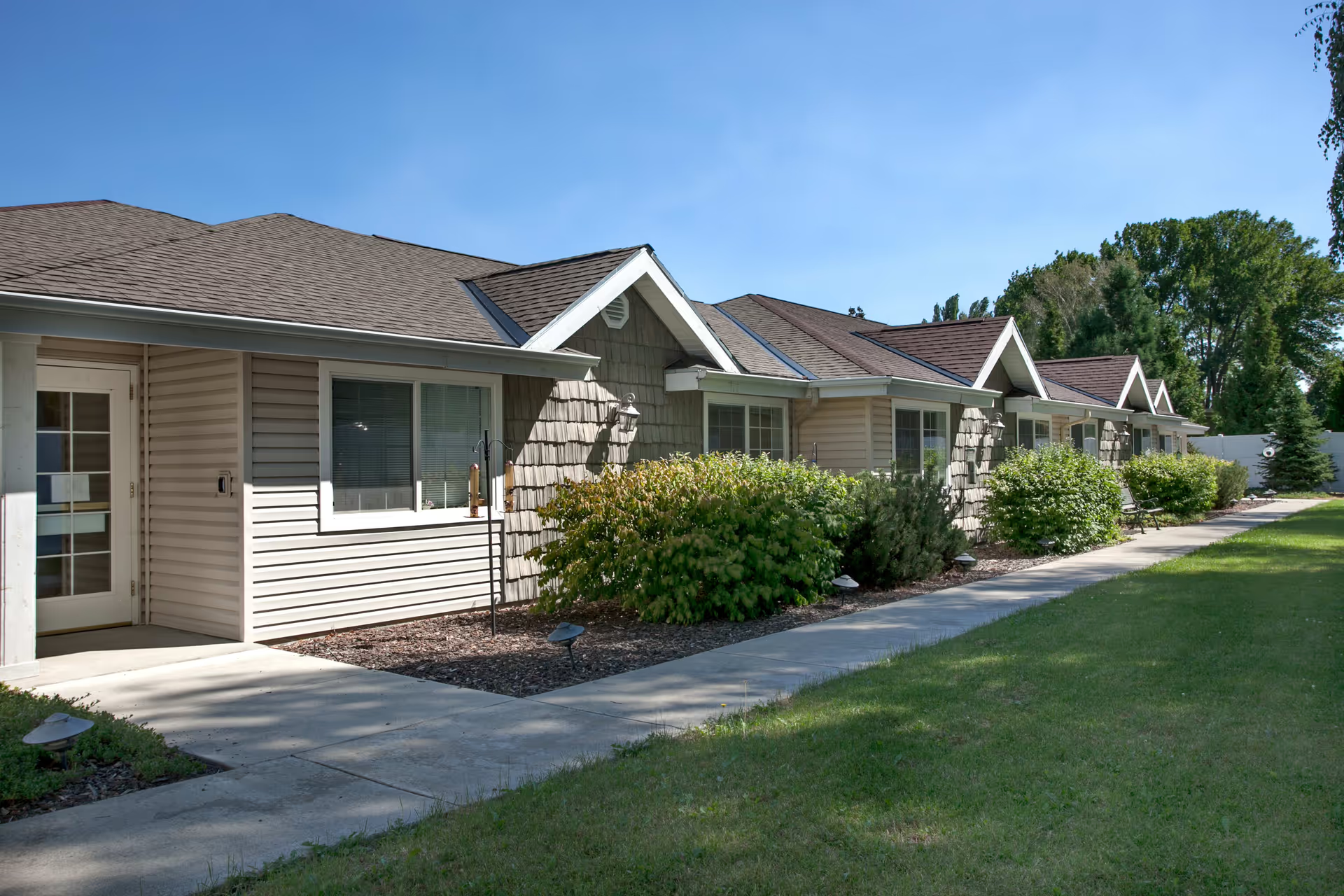
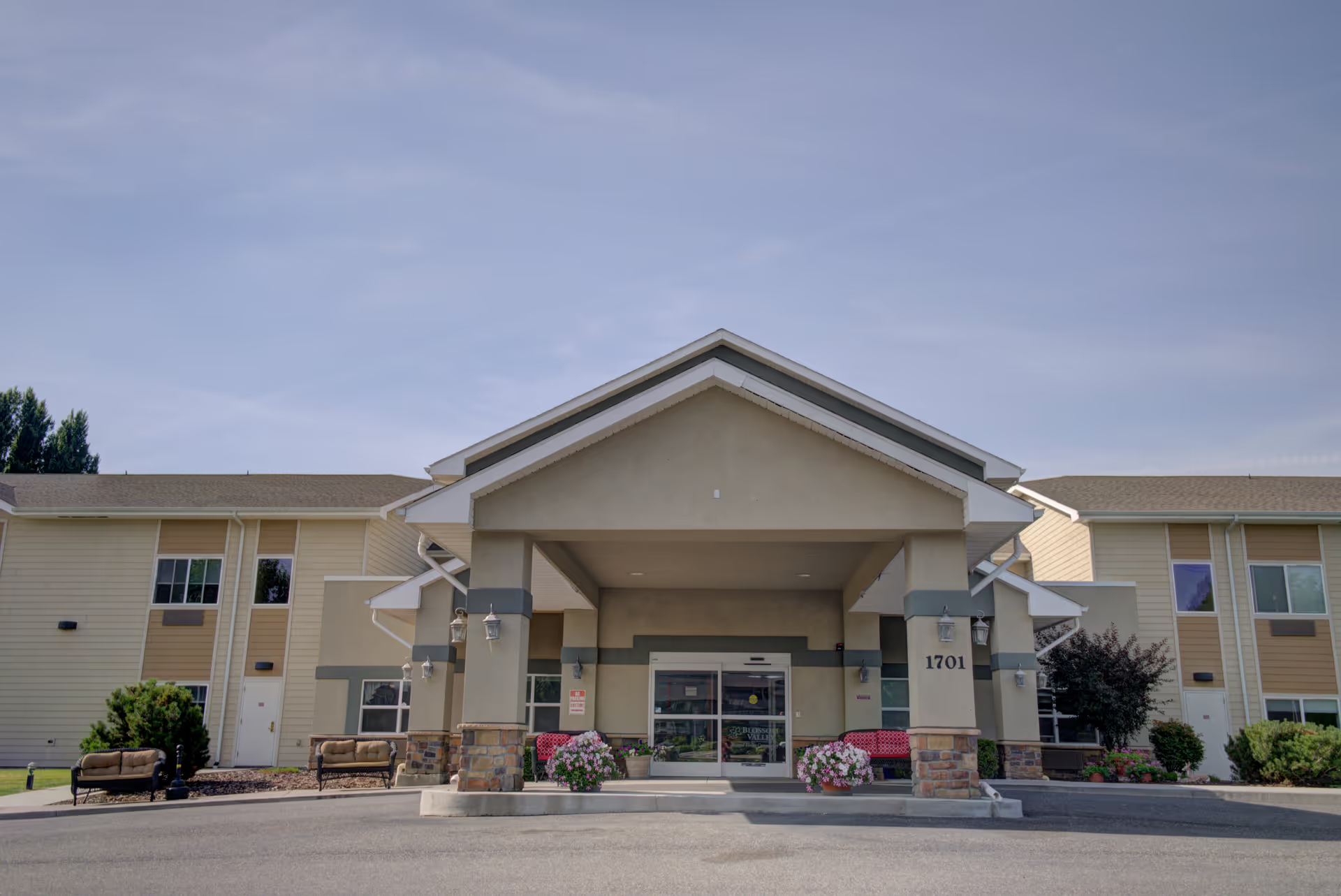
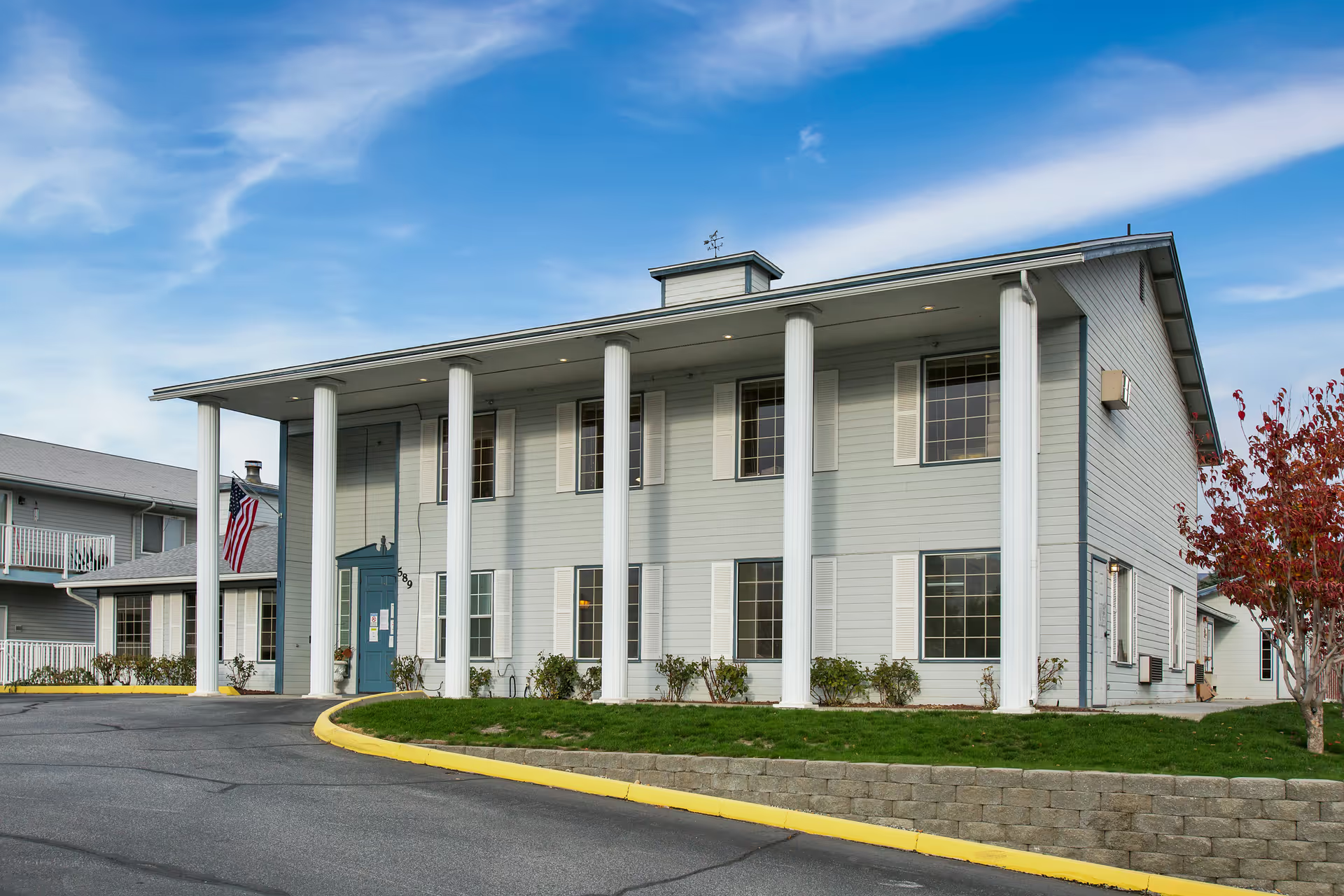
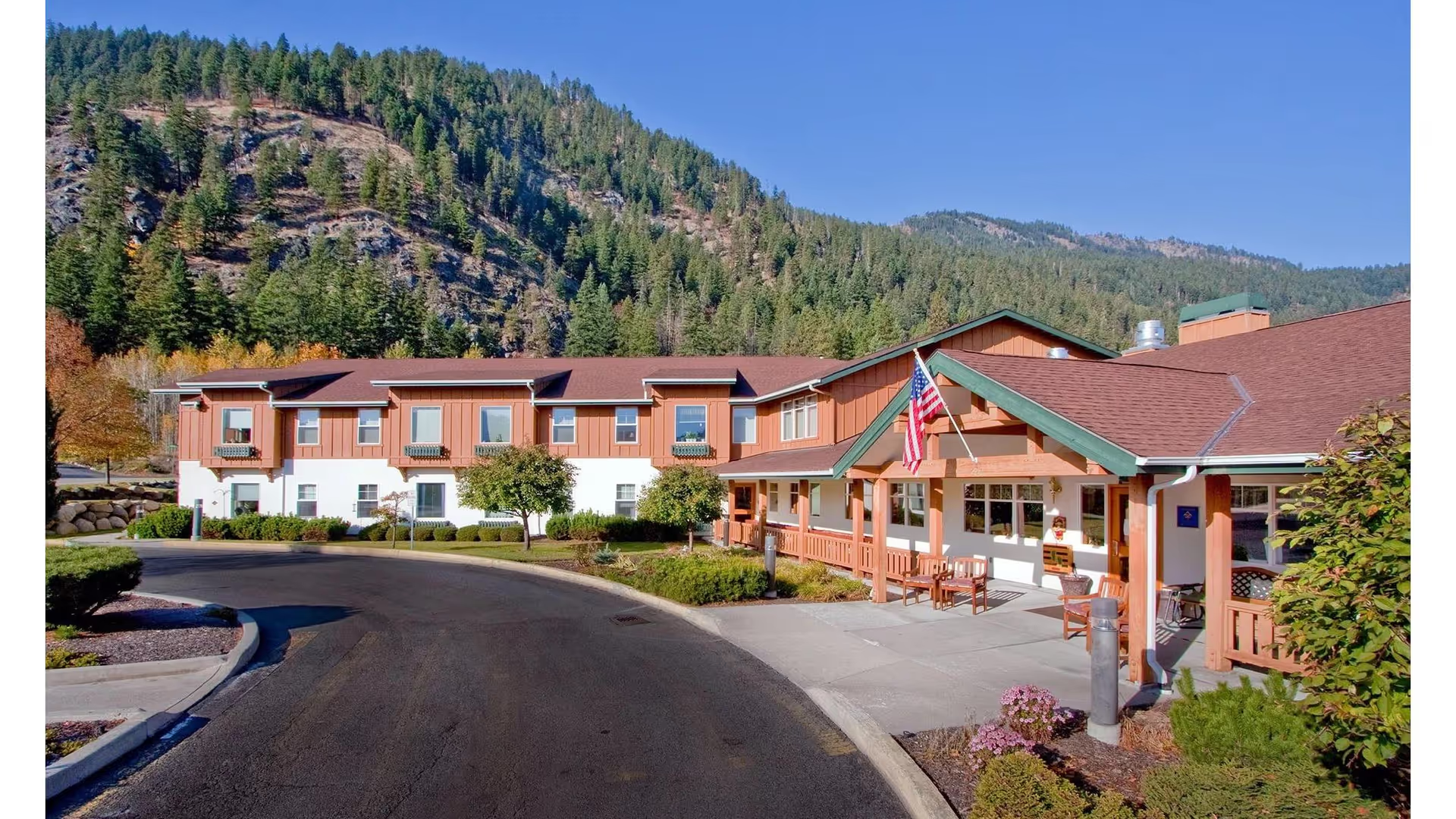
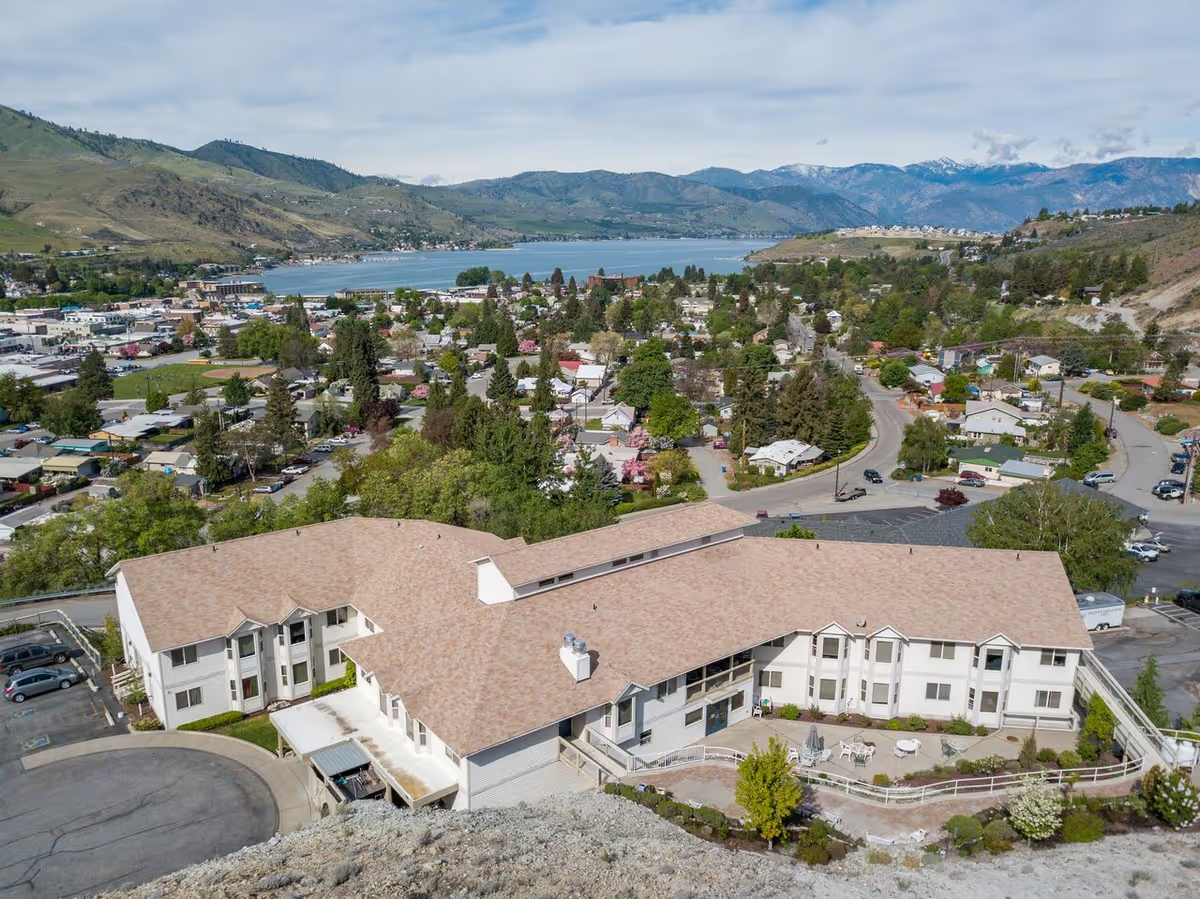
Facility operations and maintenance also show divergence. The main campus and many apartments are described as clean, comfortable, and well maintained, with responsive housekeeping and maintenance staff. However, parallel concerns include sanitation and pest‑control issues in some service areas, ongoing remodeling impacts, and uneven upkeep across different parts of the community. A small number of accounts raise serious security and environment concerns in one neighborhood, including allegations of theft and inadequate supervision, indicating inconsistent standards across units.
Management and corporate oversight are recurring themes. Some families interacted with an accessible, responsive executive team that listened and acted; others experienced delays in resolution, perceived lack of corporate follow‑through, or disagreement over billing and payment policies (including affordability and Medicaid nonacceptance). These divergent experiences point to variability in leadership engagement and in how system‑level policies are implemented locally.
Notable patterns for prospective residents and families: strengths include committed caregivers, strong infection control, and a generally welcoming facility with active programming where staffing and leadership are stable. Areas to evaluate during a tour or intake include current staffing ratios and turnover, medication‑management protocols and supervision, food‑safety practices, unit‑specific cleanliness and pest‑control status, security measures in each neighborhood, and clarity on billing and admission policies. Asking for current staffing rosters, medication‑administration procedures, recent inspection or pest‑control records, and examples of family communication during incidents can help clarify whether the positive attributes are consistently applied throughout the community.