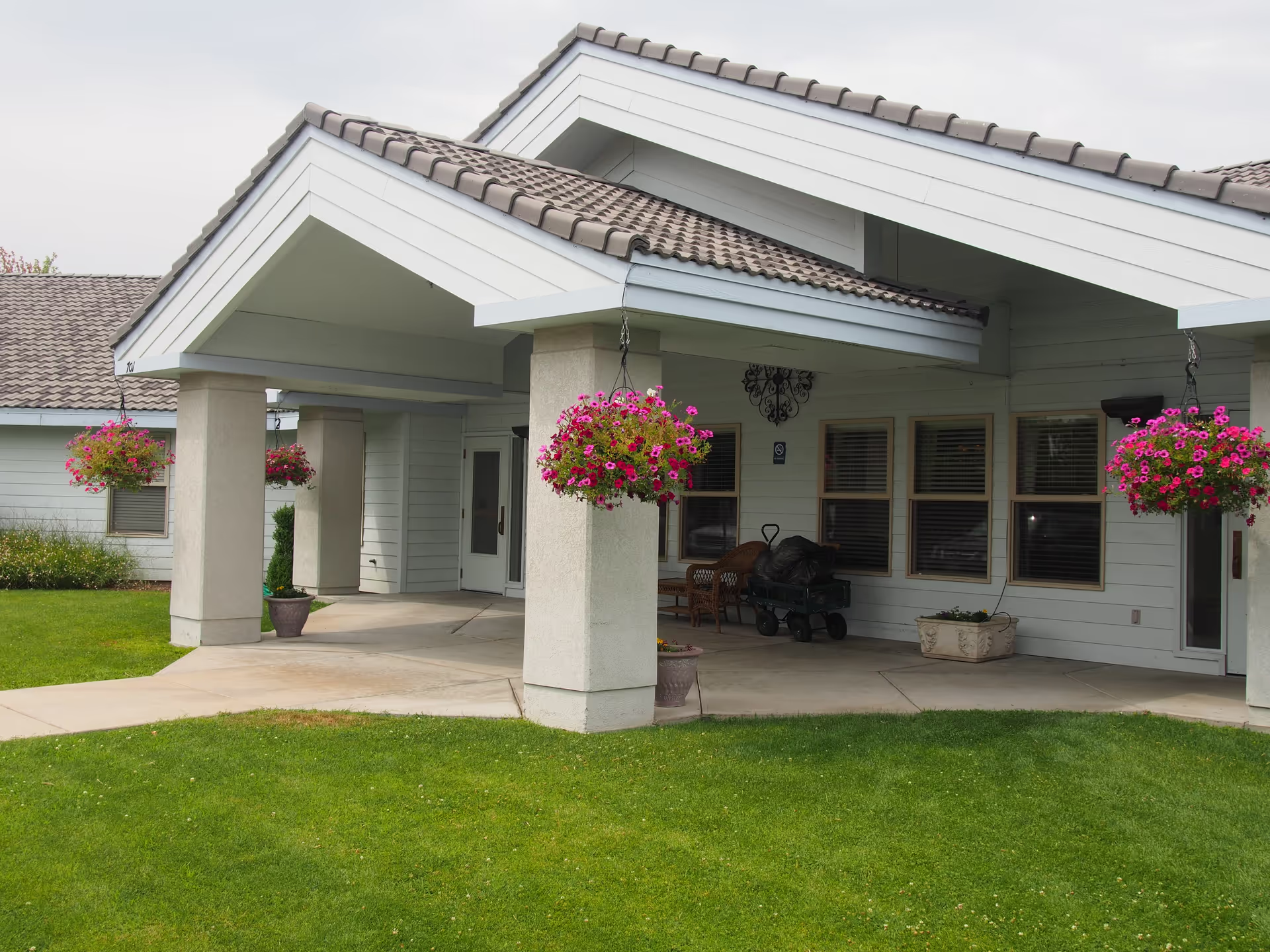
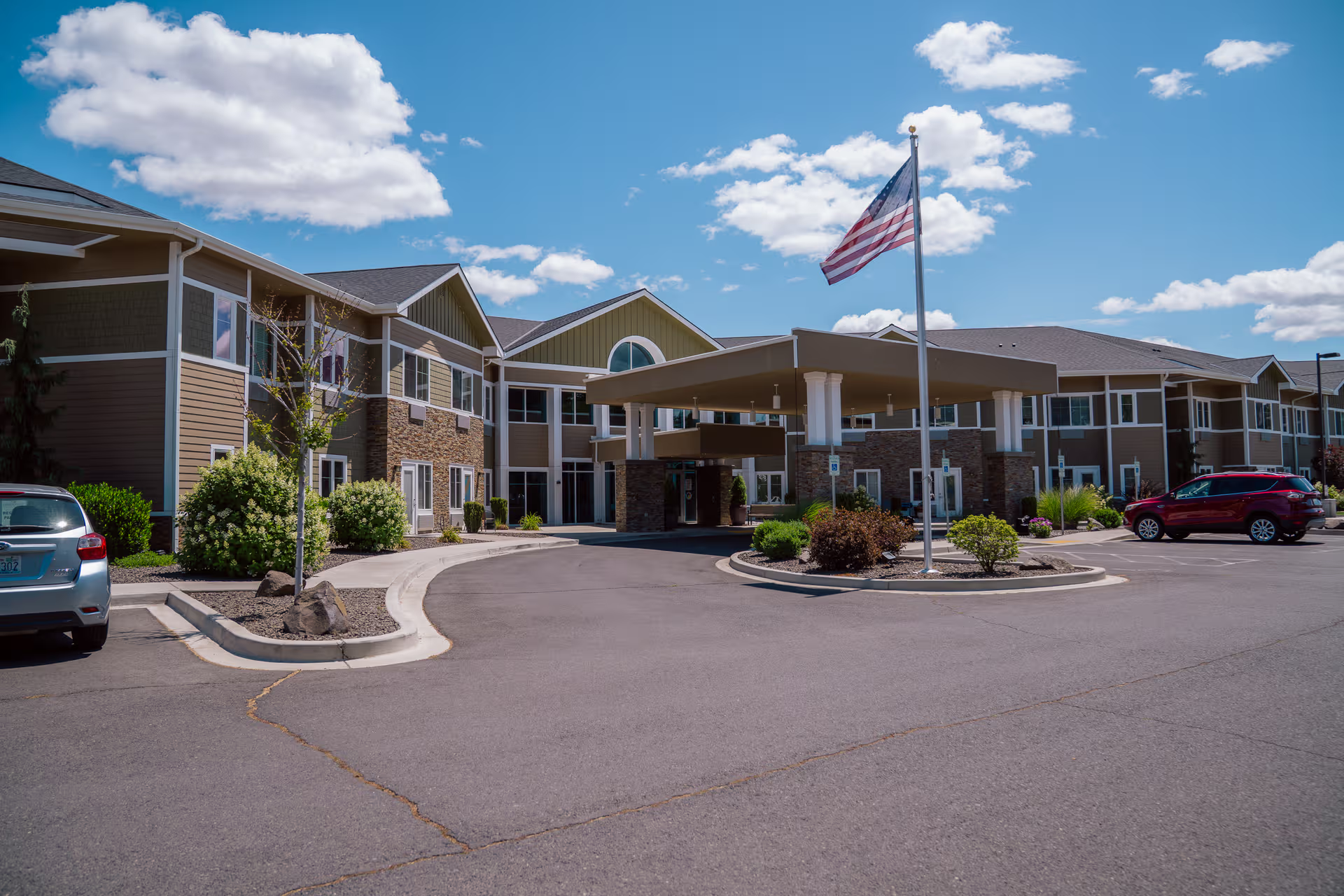
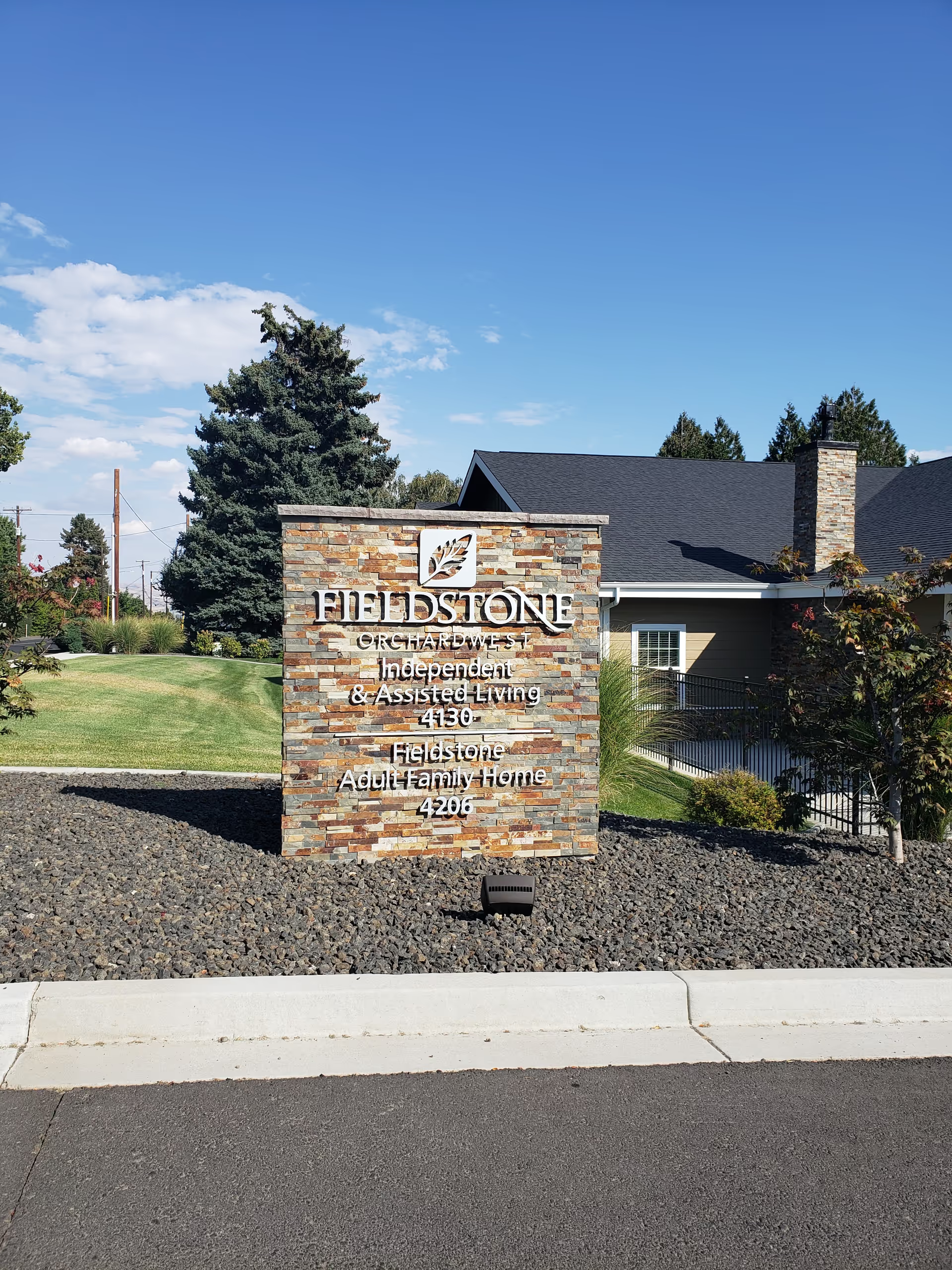
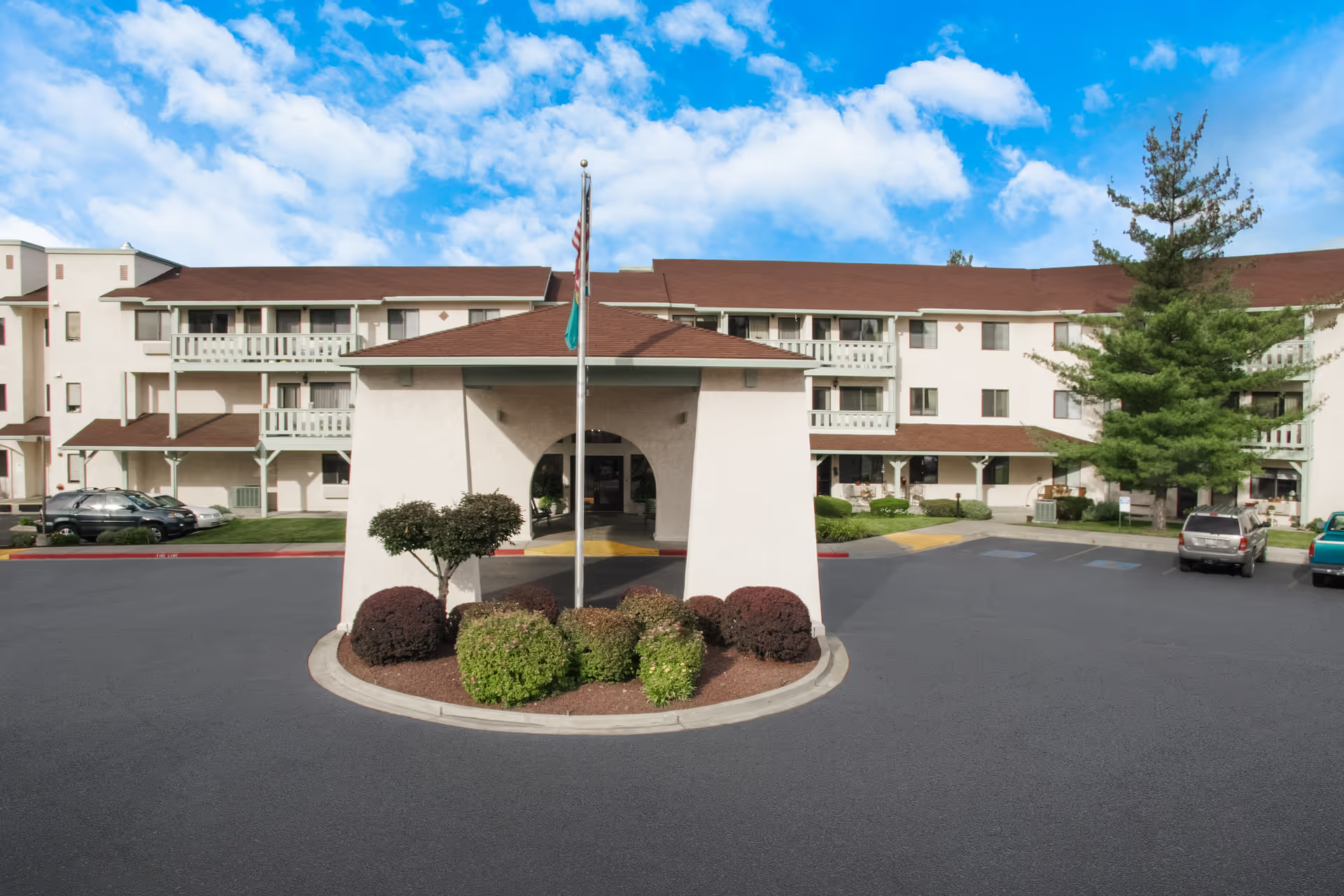
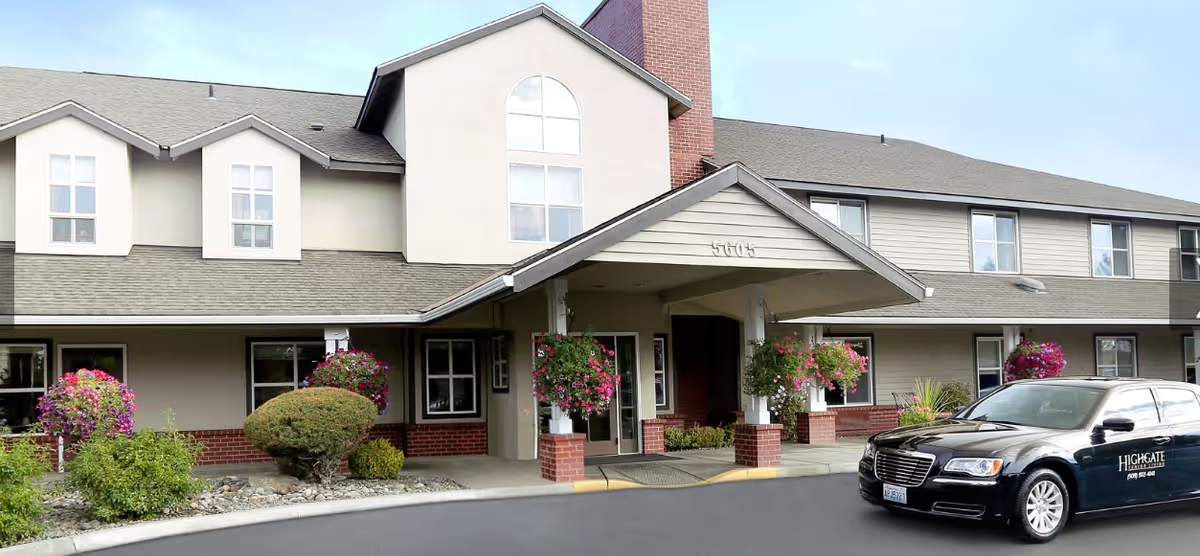
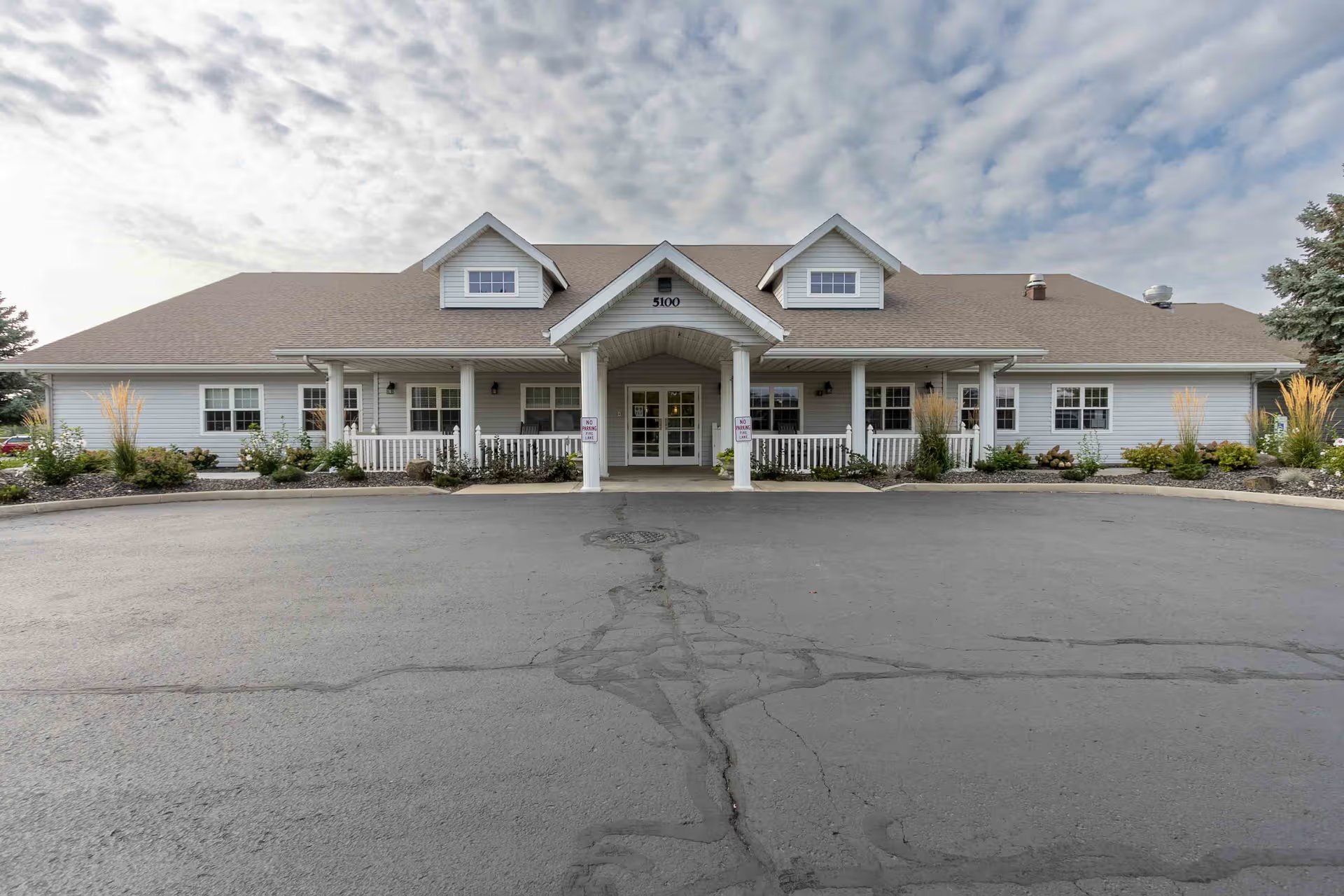
The collected feedback describes a facility with a clear set of operational strengths alongside recurrent areas of concern. Rehabilitation services (physical, occupational and speech therapy) and several therapy staff receive consistent praise for producing measurable functional improvement and coordinating after‑care. Many families highlight compassionate caregiving by nursing assistants and certain nurses, a clean and spacious interior, a secure entrance area with a staffed receptionist, and an engaging activities program that includes gardening, bingo, and monthly hair services.
Care quality and day‑to‑day nursing performance appear mixed. Positive accounts emphasize attentive, empathetic staff who support mobility, medication management, and personal engagement. Counterbalancing those are repeated complaints about delayed responses to call lights, inconsistent assistance for toileting and bathing, missed hygiene or turning schedules, and sanitation or laundry process failures. These operational shortfalls translate into concerns about pressure‑injury risk and incontinence‑care continuity for some residents.
Dining and dietary management show variability. Several reviewers praised the dining room environment and therapy‑supporting meals, while others described food quality as overly processed, served at improper temperatures, or provided without appropriate dietary accommodations. There are also instances of meal errors (incorrect entrée or allergens served), which point to weaknesses in kitchen communication and special‑diet handling.
Staff behavior and infection control are uneven. While many staff members are described as kind and helpful, there are multiple accounts of unprofessional conduct, dismissive communication, and inconsistent adherence to infection‑control protocols during outbreak situations. Staffing levels and scheduling appear to be underlying contributors: when staff are stretched, responsiveness, hygiene scheduling, and documentation tend to worsen.
Management, communication, and administrative processes receive mixed evaluations. Some families report timely administrative responsiveness and a well‑managed environment; others point to poor physician and family communication, unclear discharge procedures, lost personal items, and difficulties with billing or Medicare claims. There are allegations of billing and collection problems in a subset of accounts and concerns following a resident's death described by one family, which suggest areas for improved transparency and grievance handling.
Taken together, the pattern is one of a facility with substantial therapeutic and environmental strengths but with operational inconsistencies that affect clinical reliability and family confidence. Prospective residents and families should weigh the strong rehabilitation services, secure and pleasant facility spaces, and active programming against recurring reports of responsiveness, hygiene processes, meal management, and administrative communication. Visiting the unit, asking for documentation of infection‑control procedures, observing mealtime and staff‑to‑resident interactions, and reviewing billing/Medicare coordination processes are recommended steps to clarify whether the facility’s strengths align with an individual resident’s needs.