Overall impression: Reviews present a mixed picture. Many families and residents praise the daily lived experience—particularly caregiving interactions, dining, and activities—while a subset raise serious concerns about communication, management stability, and unit-level maintenance. Prospective residents should weigh consistently strong comments about programing and food against operational issues that appear to have affected service continuity for some households.
Care and staff: A strong theme across positive comments is the presence of caring, responsive staff who support transitions and respond promptly in emergencies. Reviewers describe helpful, pleasant caregivers and specific examples of supportive assistance during move-in and routine care. At the same time, other reviews describe declines in service quality coincident with leadership or administrative changes; this suggests variability in care consistency tied to staffing or management turnover. There are also isolated but serious concerns about staff conduct and resident-safety practices that warrant direct inquiry during a tour.
Dining and activities: Dining is a widely cited strength. Reviewers highlight varied, restaurant-style menus with regular rotation, a wide selection of choices, and kitchen staff willing to accommodate personal preferences and picky eaters. Several comments specifically praise the food quality, new culinary leadership, and an attentive dining service. Activity programming is similarly well-regarded: reviewers note frequent live music, organized outings, crafts, gaming options, worship services, and salon-type offerings (manicures, jewelry making, knitting) that contribute to a lively community environment.
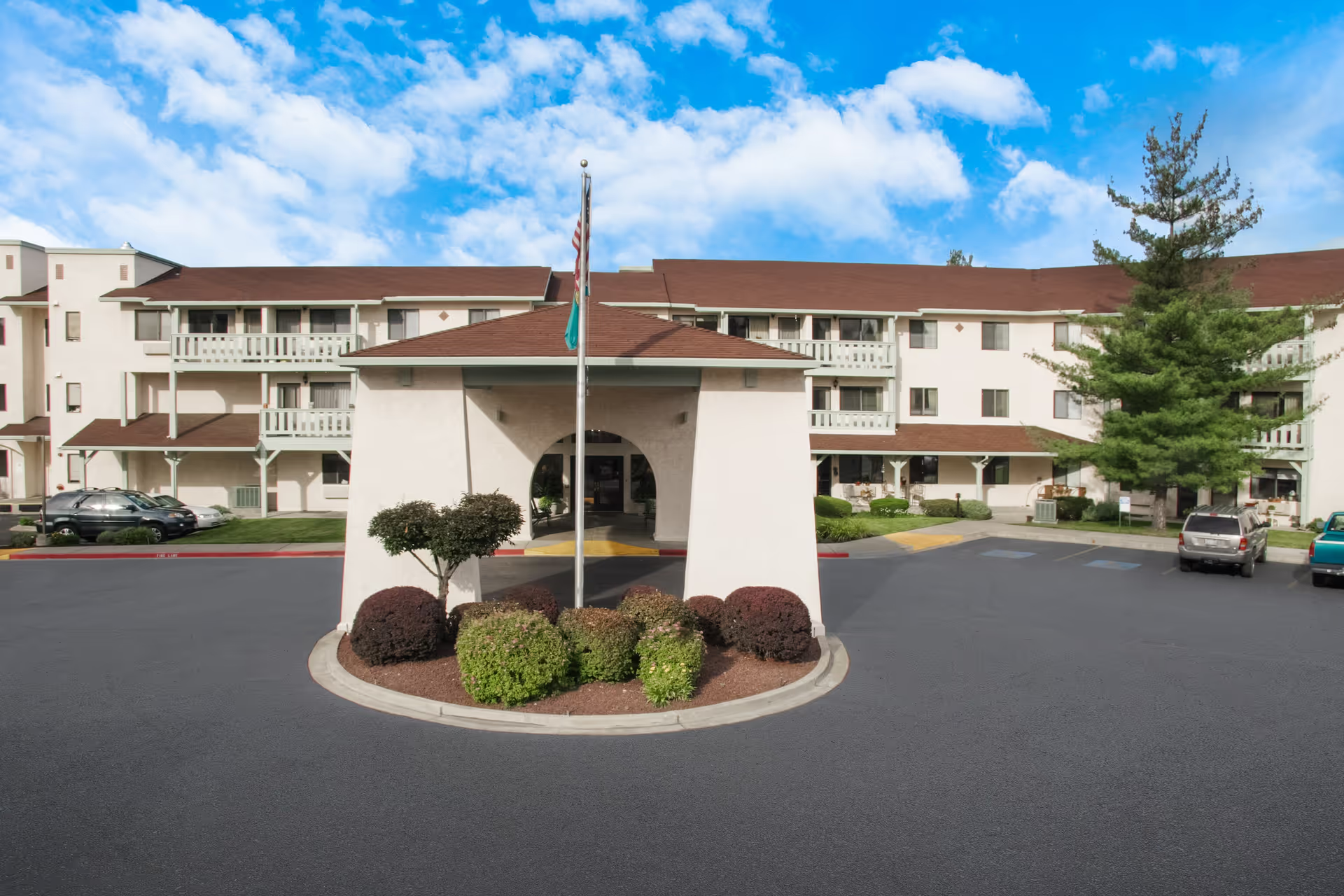
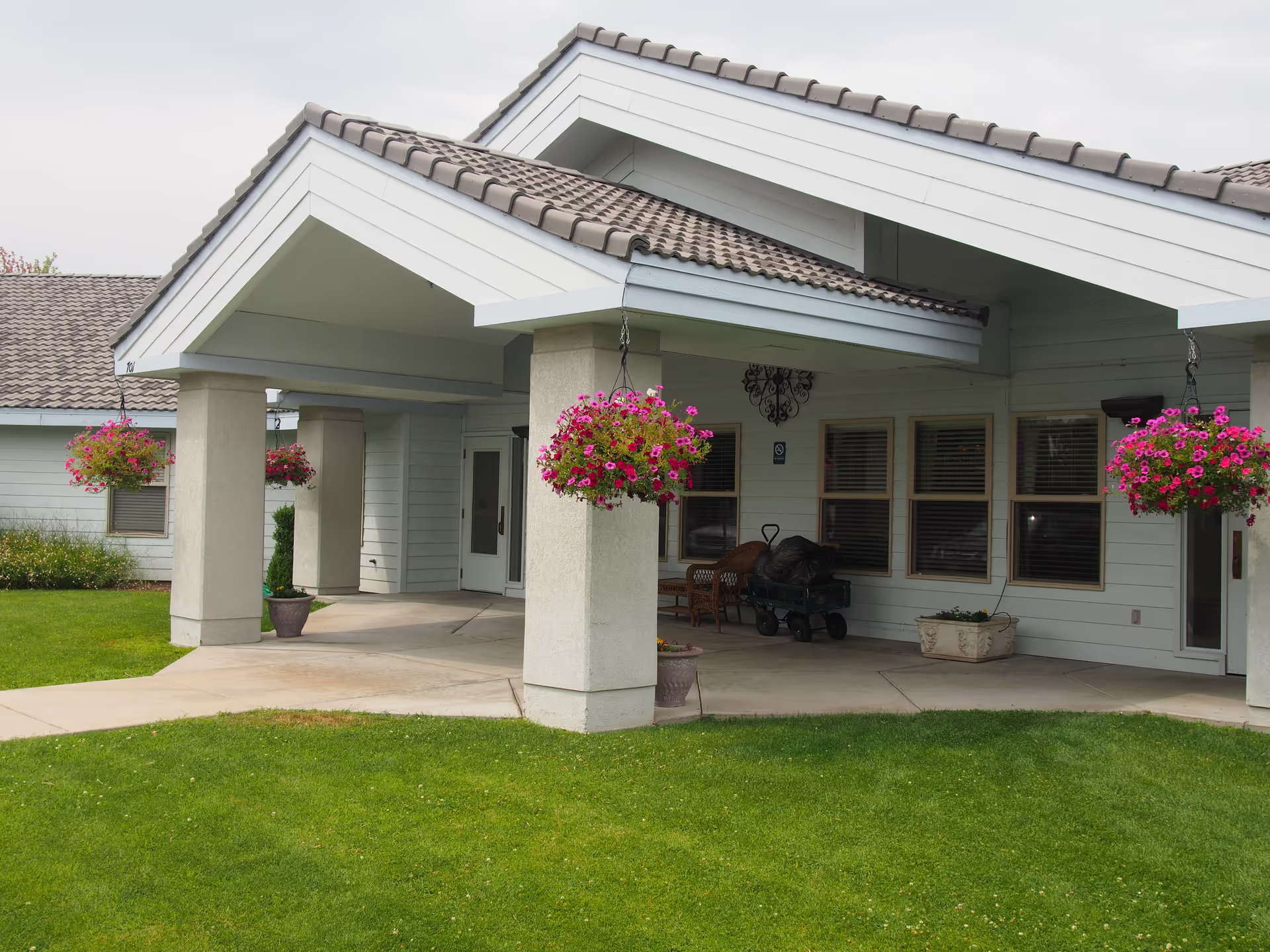
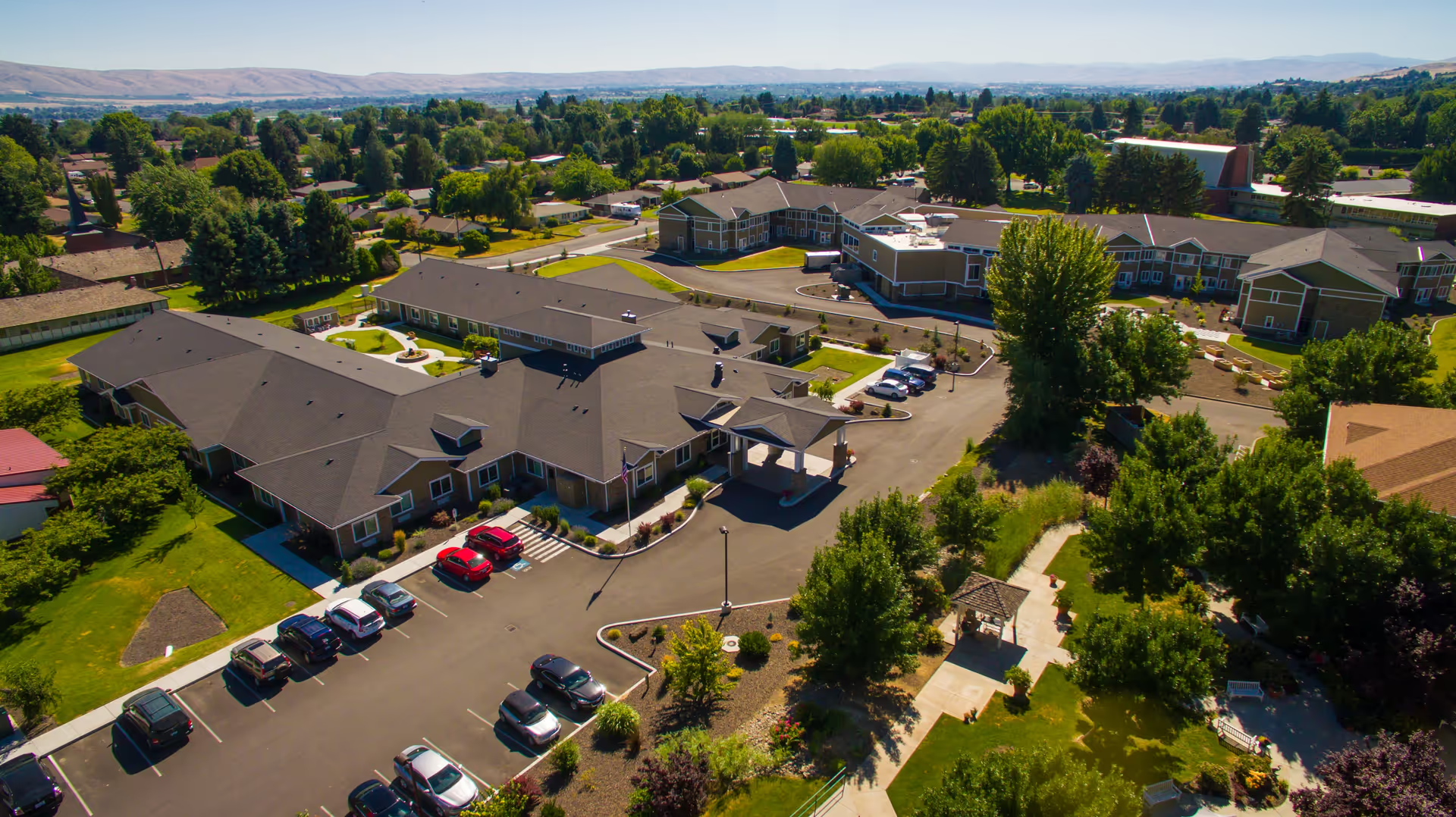
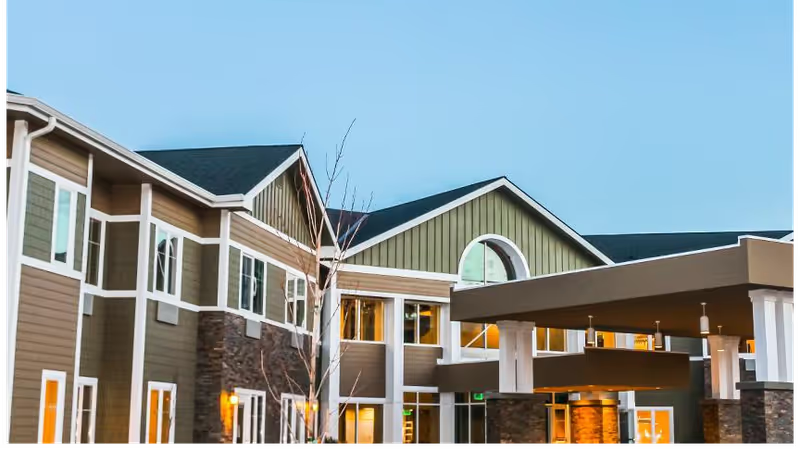
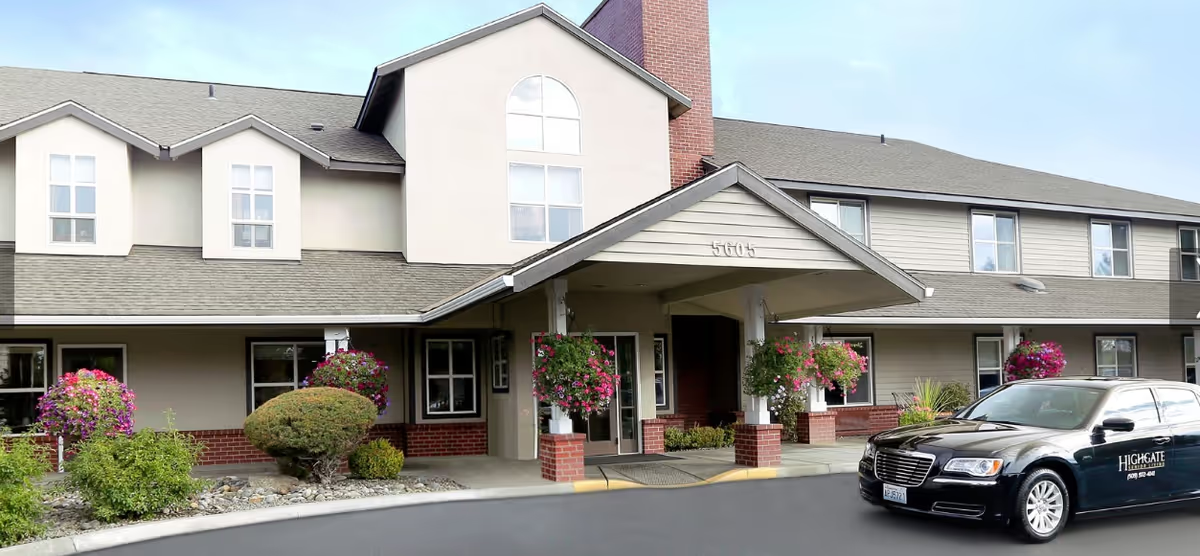
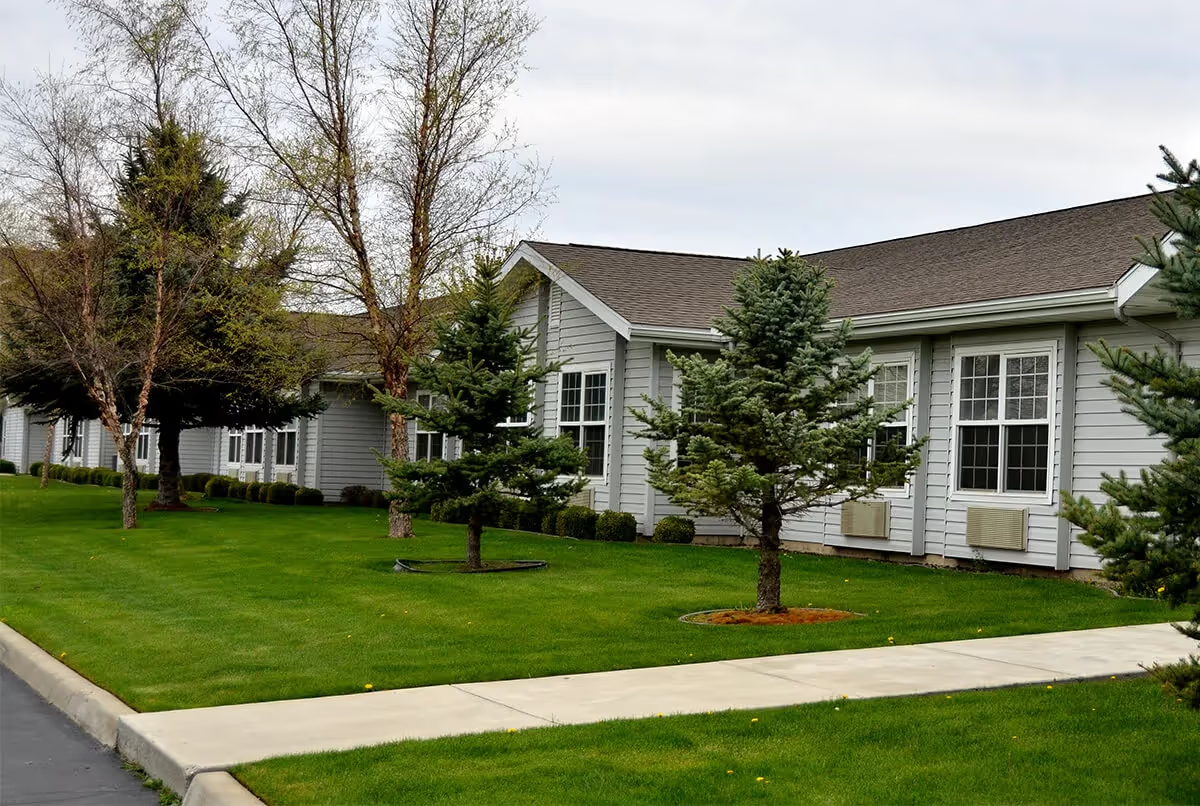
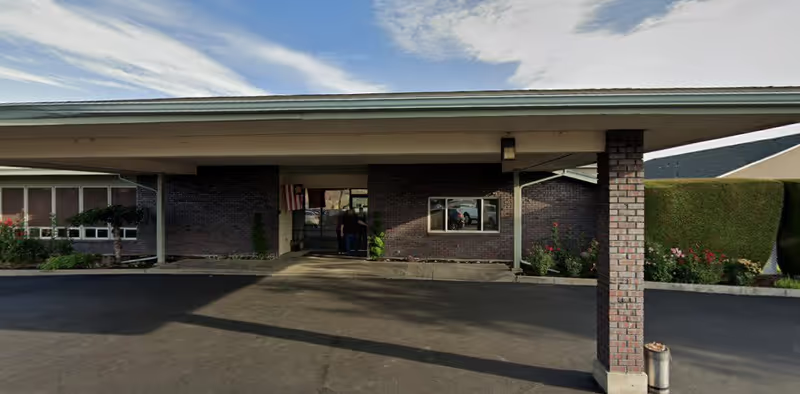
Facilities and maintenance: Comments about the physical plant are mixed. Common areas are described as home-like and well-kept, but the facility is characterized as older in design, and some families report variable maintenance and sanitation concerns within private apartments. These differences indicate that upkeep may be uneven between public spaces and individual units. Accessibility and overall upkeep receive positive mention in many reviews, but prospective residents should confirm the condition of specific living spaces.
Management, communication, and governance: A recurring operational concern is instability in leadership and inconsistent family communication. Several reviewers describe diminished support and poor communication around significant events, including end-of-life moments; these accounts point to gaps in family engagement processes and in the facility's protocols for critical communications. There are also statements referencing privacy breaches and alleged legal violations; such claims are serious and should prompt direct questions about privacy policies, incident reporting, and any regulatory or legal actions when evaluating the community. Additionally, some families reported unexpected pricing increases or unclear billing practices, indicating a need for clearer financial transparency.
Notable patterns and recommendations: The strongest positive signals relate to dining, programming, and many frontline staff who provide compassionate care. The most concerning and actionable patterns relate to management turnover, inconsistent communication with families, unit-level maintenance variability, and at least one category of allegations around privacy and legal compliance. When considering this community, families should ask about current leadership tenure, staffing ratios and turnover, documented protocols for family notification (especially for emergent and end-of-life situations), unit maintenance standards, recent quality or regulatory reviews, billing policies, and how the facility addresses and documents complaints. A facility tour that includes sample meals, an activities calendar, and the opportunity to review written policies will help clarify whether the positive elements or the operational risks predominate for a particular prospective resident.