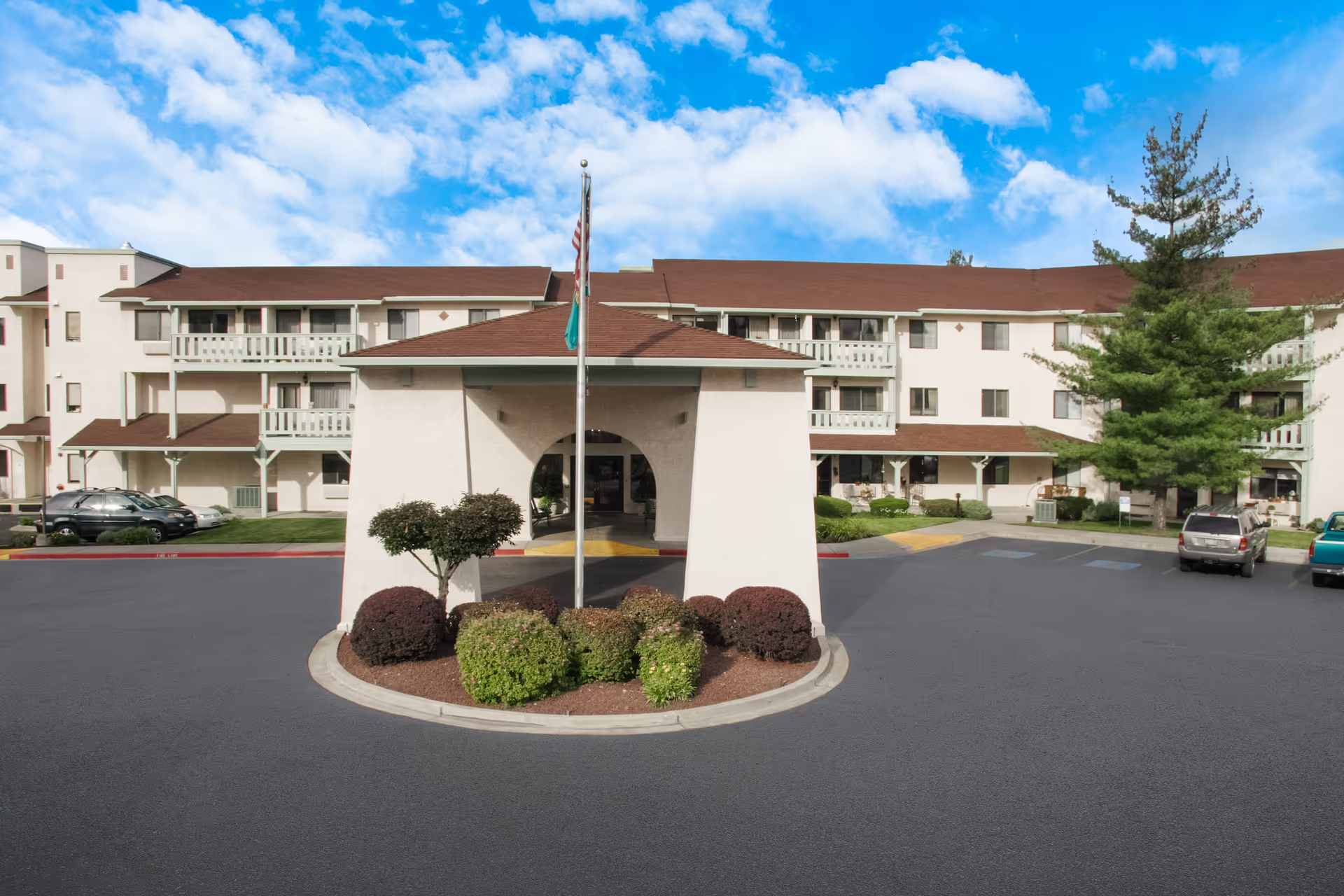
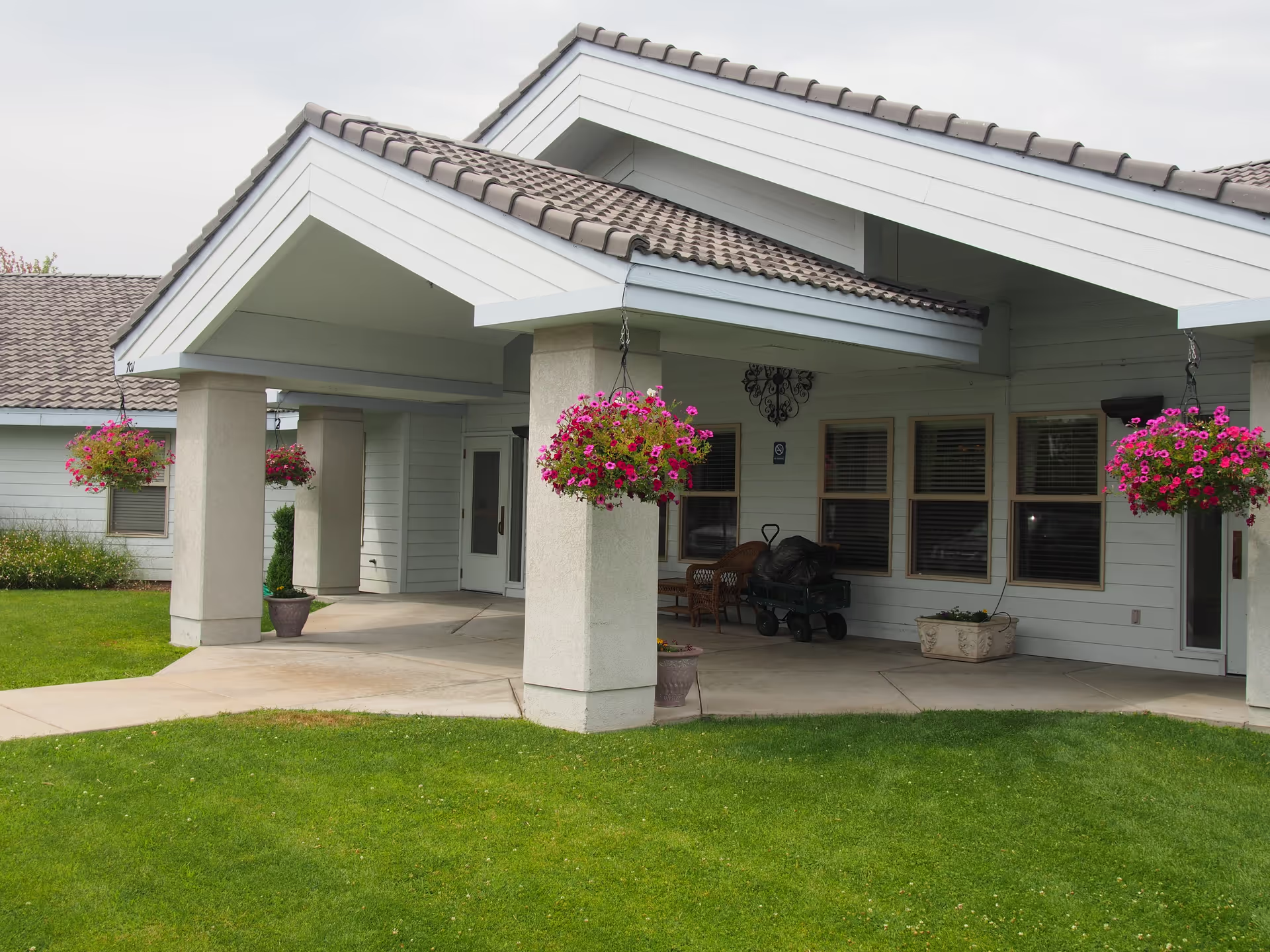
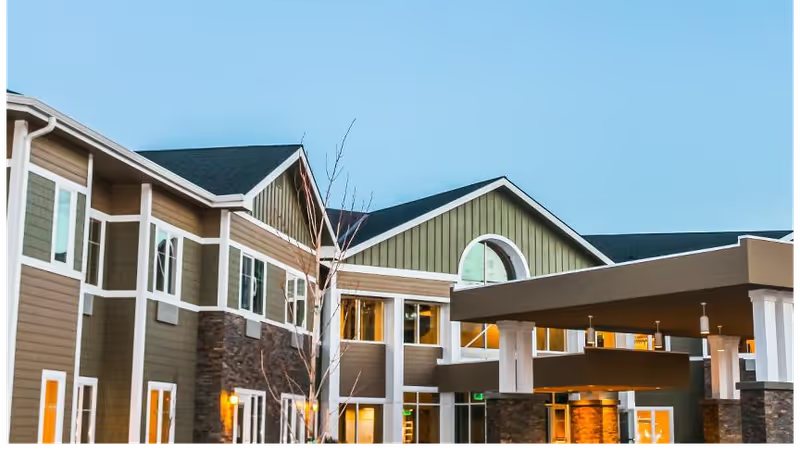
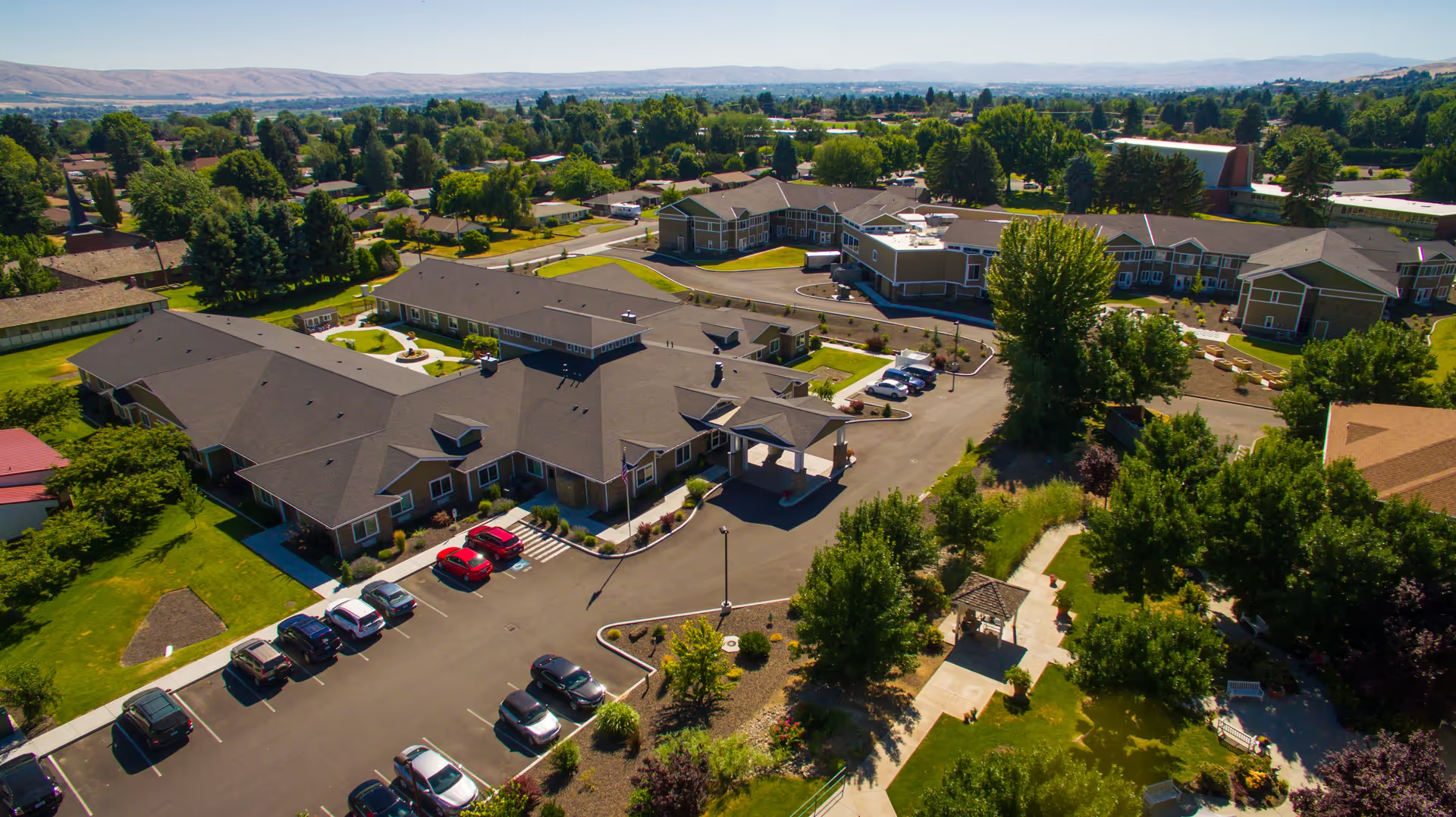
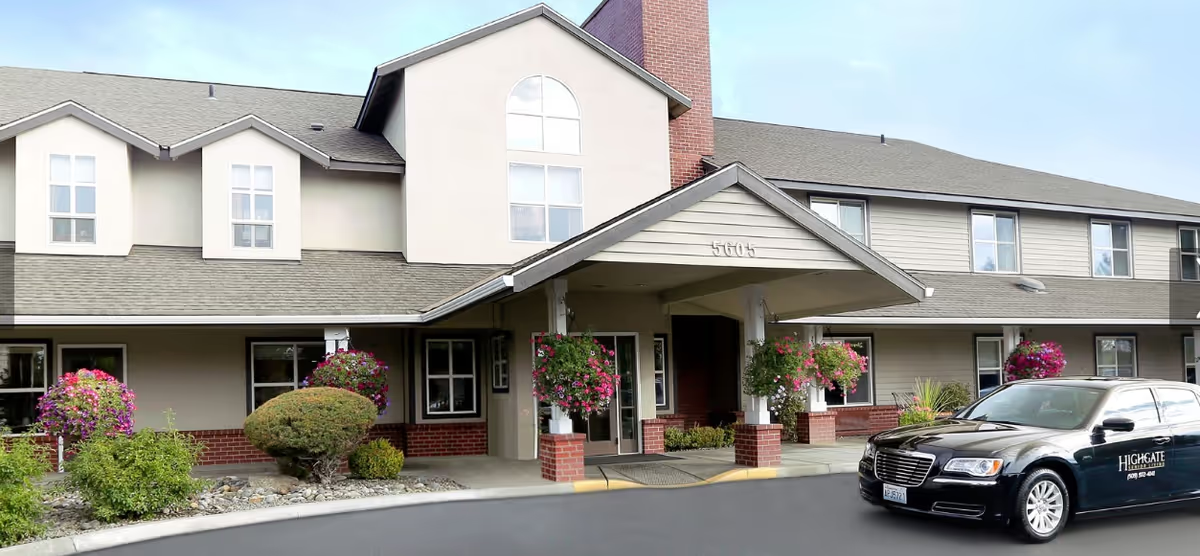
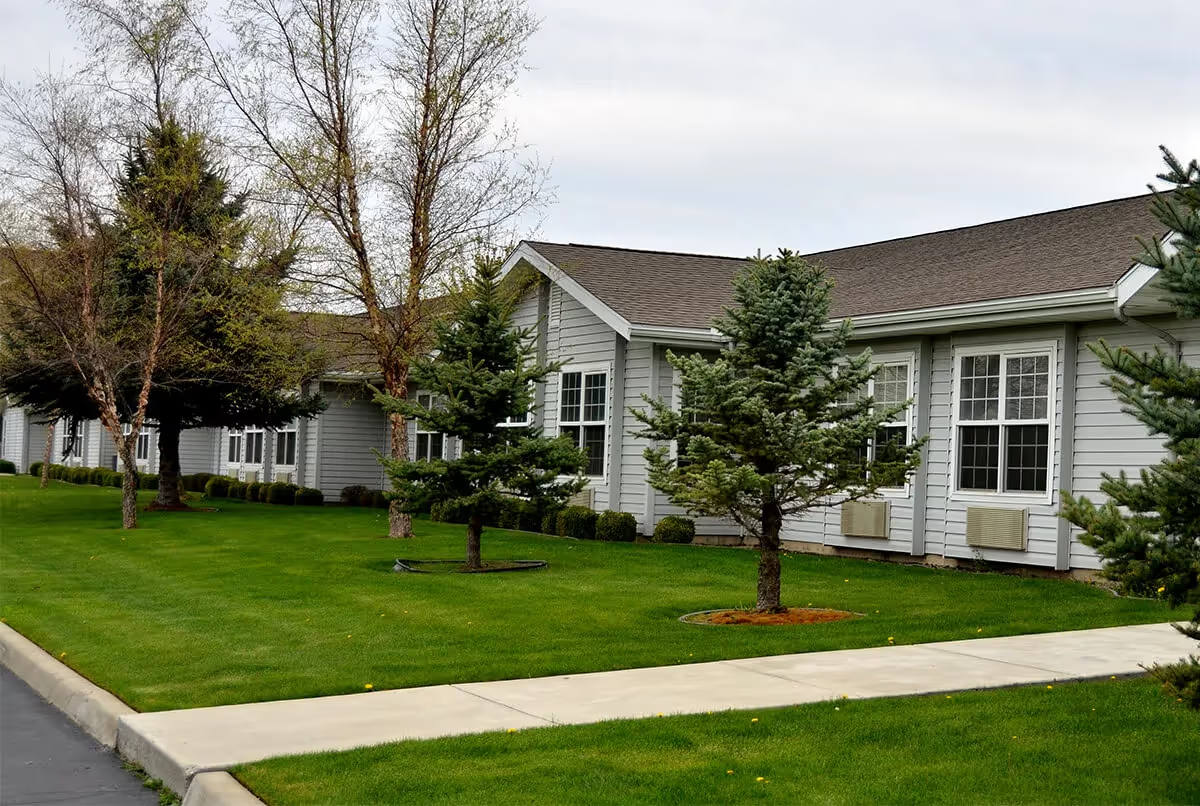
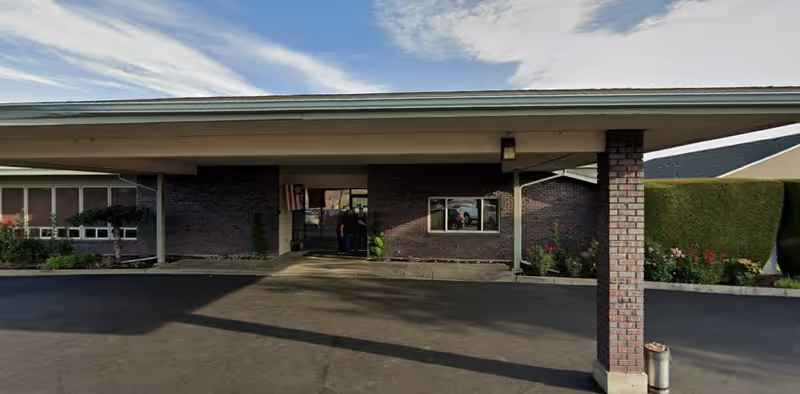
Reviewers describe a facility with a notably mixed performance profile: several families report strong clinical and social outcomes for residents, while others describe operational and communication deficits that have significantly affected care experience. Positive observations highlight compassionate, attentive caregiving staff and knowledgeable nursing personnel who support residents’ personal care and social engagement. Multiple accounts emphasize clean, well-maintained common areas, an appealing property, and activity programming that includes exercise classes, outings, and reading groups; memory-care is available and has been helpful for some residents. Many families praised the facility for rapid resident socialization and consistent meal service that they found nutritious and reliable.
At the same time, a recurring pattern centers on staffing and leadership instability. Reviewers note frequent turnover among caregivers and directors, which is associated with inconsistent caregiver assignments and variability in daily routines. This instability appears to contribute to gaps in family communication and care coordination, with examples of delayed responsiveness, phone-service interruptions, and unclear follow-up between clinical staff and families. Several comments raise concerns about staff conduct or responsiveness in specific interactions; others cite more operational shortcomings such as insufficient staffing coverage that can affect timeliness of care.
Dining and dietary accommodations are another area of inconsistency. Some families report high-quality meals and reliable service, while others describe poor food quality and unmet dietary promises (for example, lack of committed diabetic meal options). Housekeeping and maintenance receive similar mixed assessments: many note a generally clean and well-kept environment, yet some describe sanitation and maintenance lapses in particular areas (including HVAC or kitchen-adjacent maintenance issues). Reviewers also raised discrete safety and operational concerns—examples include medication-handling problems, open windows or unsecured areas, and unreliable transportation services.
Management and value considerations present a final theme. Several reviewers express frustration with frequent management changes, perceived mismanagement, and inconsistent accountability for operational problems. Pricing is frequently characterized as high relative to perceived value, with some families viewing costs as disproportionate to the service reliability they experienced. Conversely, other families find the services worth the cost given the quality of care and the responsiveness they encountered.
Taken together, the reviews suggest that resident outcomes at this community depend substantially on timing and individual team assignments: when staffing, leadership and communication align, families report positive care, engagement, and satisfaction; when turnover and communication gaps occur, families experience operational and clinical shortfalls. Prospective residents and families would benefit from targeted questions during a visit: ask about current staffing ratios and turnover, recent leadership changes, medication-management and dietary-accommodation protocols, housekeeping schedules and maintenance logs, transportation availability, and how the facility communicates with families about incidents and care plans. Checking recent inspection records and speaking with current family references may help clarify how consistently the facility delivers on its strengths.