The reviews describe a polarized picture of care at this facility. Positive feedback highlights strong rehabilitation services, numerous activities, a number of attentive caregivers, and convenient, accessible rooms; many families credited physical and occupational therapy with meaningful functional recovery. At the same time, there is a substantial set of concerns that affect clinical reliability and family confidence.
Clinical care is described as inconsistent. Therapy services are frequently praised for effectiveness, but nursing and bedside assistance are characterized as variable: reviewers cite delays in responding to call bells, challenges with timely medication administration, and gaps in wound, swallowing and infection management. Several accounts indicate problems with clinical documentation and delays or failures in communicating with attending physicians, which families linked to adverse outcomes in individual cases. There are also serious infection-control and sanitation concerns noted alongside positive reports of cleanliness, suggesting uneven housekeeping and facility hygiene practices across units or shifts.
Staffing and culture appear to be key drivers of variability. Many reviews praise specific nurses, CNAs, and therapists for being compassionate and attentive, while other accounts describe slow response times, curt communication, and low staff morale. Front-desk and admissions processes were sometimes described as unresponsive or unprofessional, and families report difficulties contacting staff. Staffing shortages and turnover were recurrent themes that reviewers connected to delayed assistance and inconsistent delivery of care.
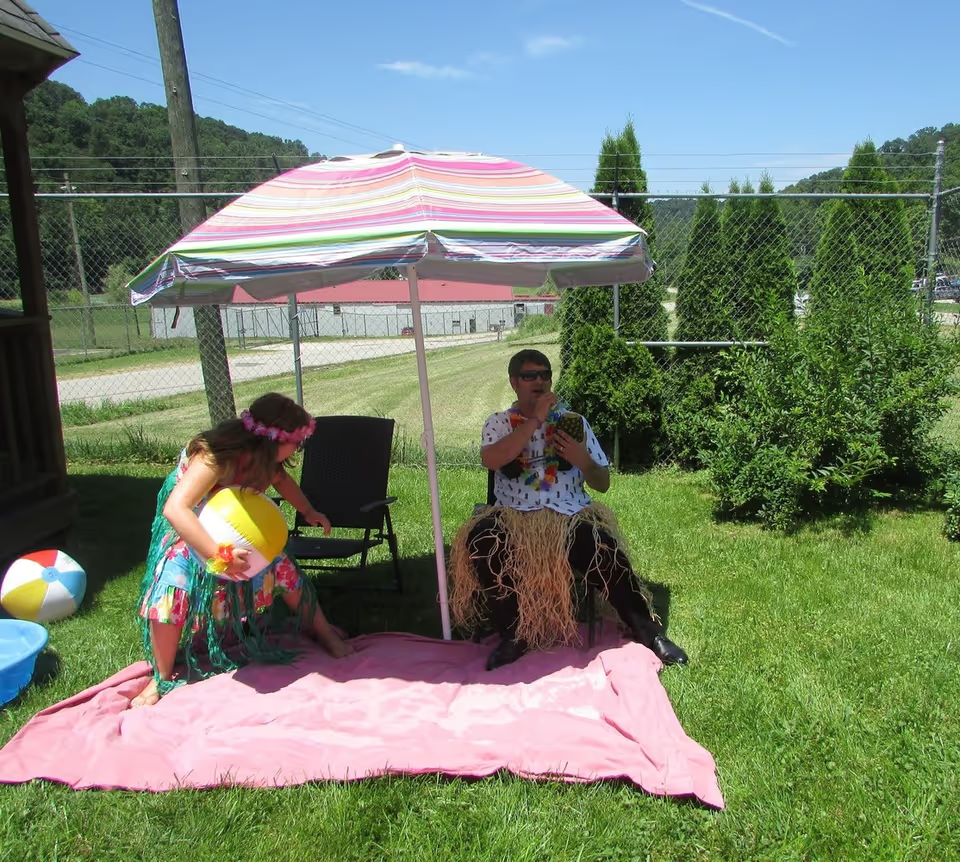
Dining and activities provide mixed impressions. The activity program (music, crafts, bingo, jewelry making) is a positive element that contributes to resident engagement, though some families felt certain activities were not meaningful for all residents. Food quality is described as basic and service-focused; while some found meals balanced and sufficient, others reported problems with special-diet implementation (diabetic and post-operative diets), portioning, and meal continuity.
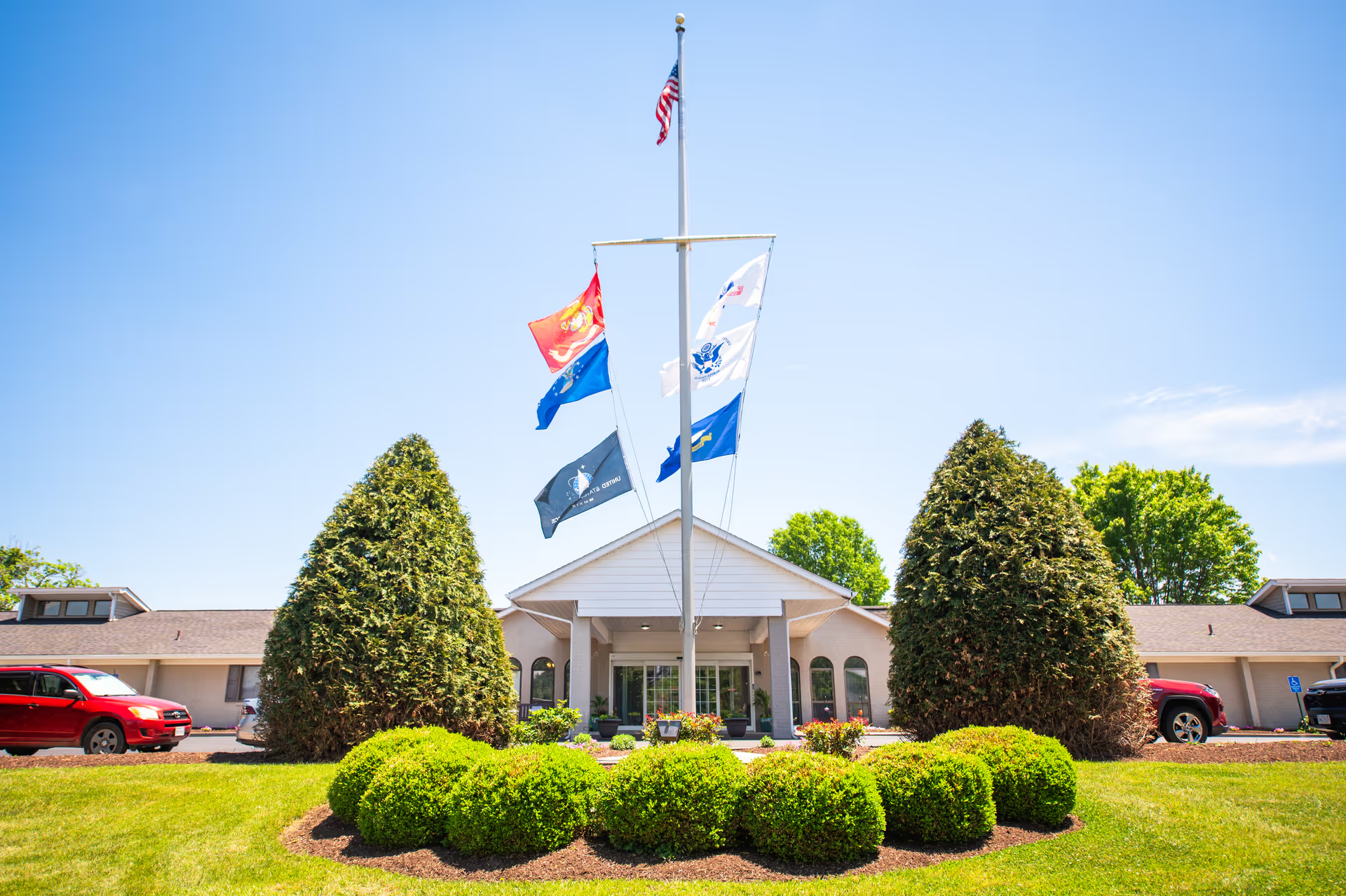
Facility environment and safety concerns are uneven. Positive comments note a well-maintained interior and single-level accessibility. Contrasting accounts describe sanitation issues in specific areas, room-size constraints for double occupancy, shared bathroom arrangements that raise privacy concerns, and lapses in visitor/access controls. Families also described instances where personal items or resident treats were unaccounted for, and there are allegations involving missing belongings and medication handling that warrant further inquiry.
Management and communication are recurring themes. Some reviewers found billing and administrative staff helpful and responsive, while others described defensive leadership, unmet commitments, and inconsistent follow-through after promised remedies. Several families indicated they had escalated concerns to external agencies; such patterns underscore the importance of transparent communication, clear policies on medication and belongings, and reliable staffing models.
Overall, the facility demonstrates notable strengths—especially in therapy and in the dedication of certain frontline caregivers—but exhibits operational weaknesses that have had material impacts on families' experiences. Prospective residents and families should perform targeted inquiries during tours: ask about current staffing ratios, medication-administration protocols, infection-control procedures, documentation and physician-communication practices, special-diet management, room privacy and access controls, and the facility's recent regulatory or ombudsman history. These focused questions can help clarify whether the facility’s positive elements are consistent and whether the operational concerns have been addressed.