Overall impression: Fayetteville Healthcare Center elicits strongly mixed impressions. Many family members and visitors praise the facility for its small, residential scale and for a caregiving team described as compassionate and attentive. Positive comments focus on nursing oversight, individualized one-on-one attention, appealing meals, and an active calendar that supports social and recreational engagement. At the same time, a subset of accounts raise operational concerns about cleanliness, timeliness of assistance, and care coordination, indicating variability in the resident experience.
Care and staff: The dominant positive theme is staff attitude and individualized attention. Reviewers describe caregivers and nurses as loving, respectful, and professional, and some families attribute measurable improvement in residents’ well-being to the care provided. However, other comments cite long waits for assistance and slow response times for routine care needs; these accounts point to inconsistent responsiveness that may reflect staffing patterns, shift-level differences, or workflow issues. Communication with social-work staff and between clinical teams and families is another recurrent area of concern, suggesting room for clearer care coordination protocols.
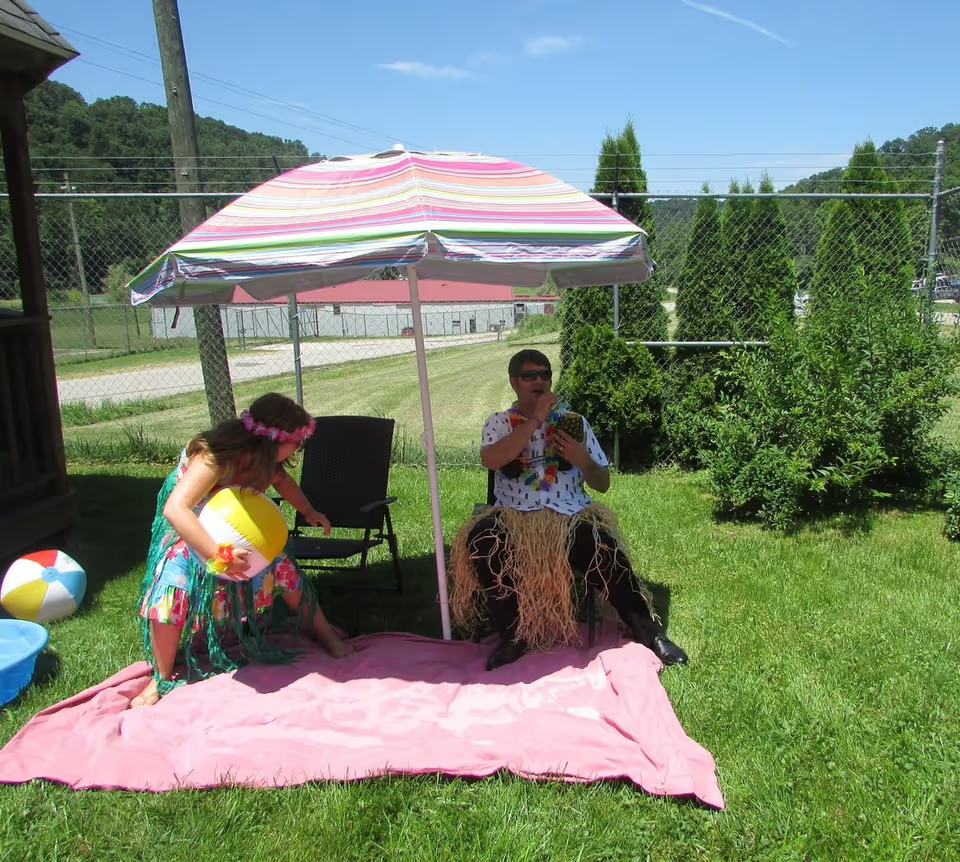
Dining and activities: Dining is frequently highlighted as a strength. Meals are described as appealing and sufficient in quantity, and several families noted that residents eat well there. The activities program appears robust for a smaller facility: reviewers mention a posted activities calendar, bingo, hands-on crafts, dancing and singing, ice cream treats, and dedicated spaces such as an activity room. Onsite therapy and fitness resources (physical therapy and workout rooms) and an active schedule support social engagement and rehabilitation goals.
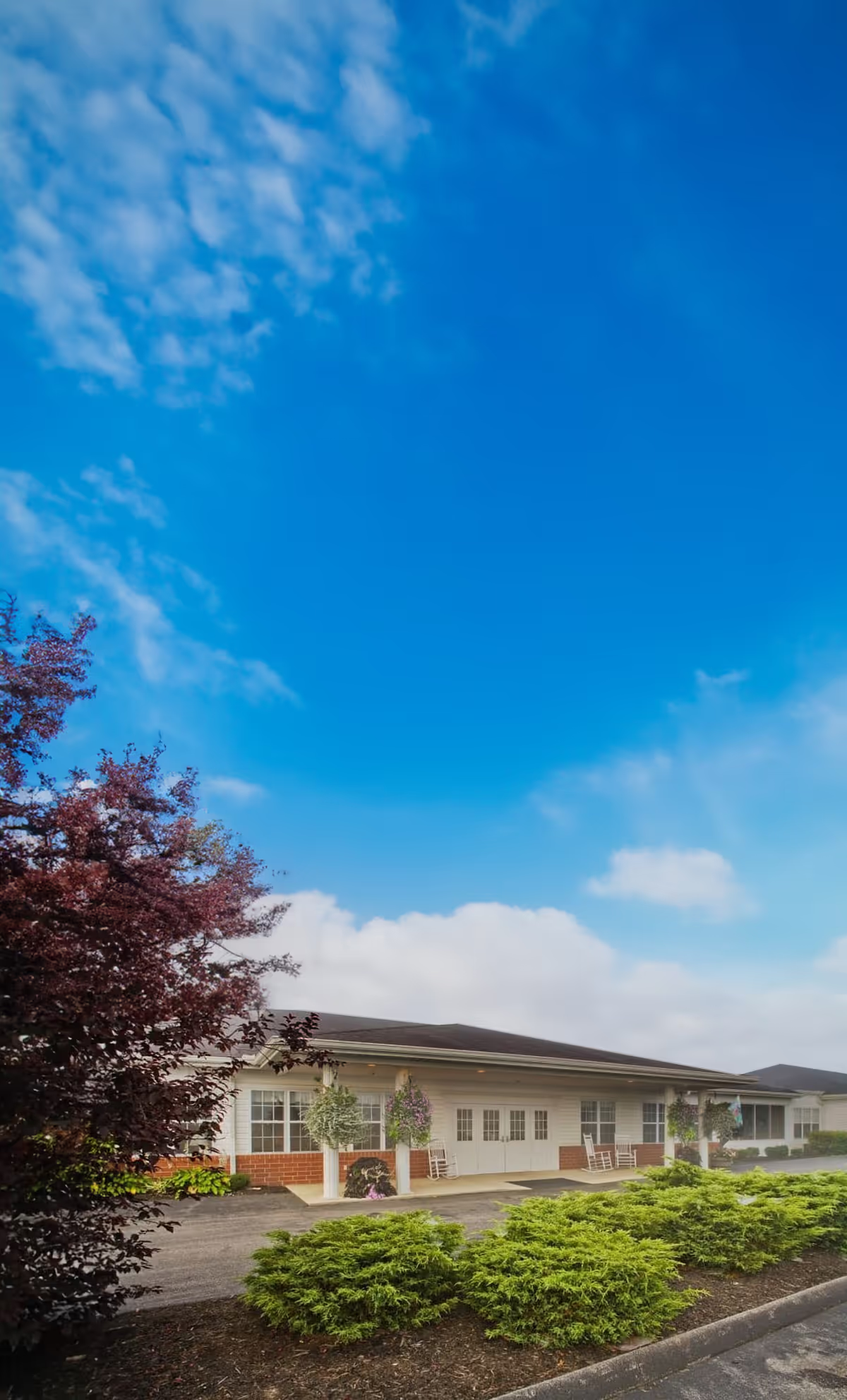
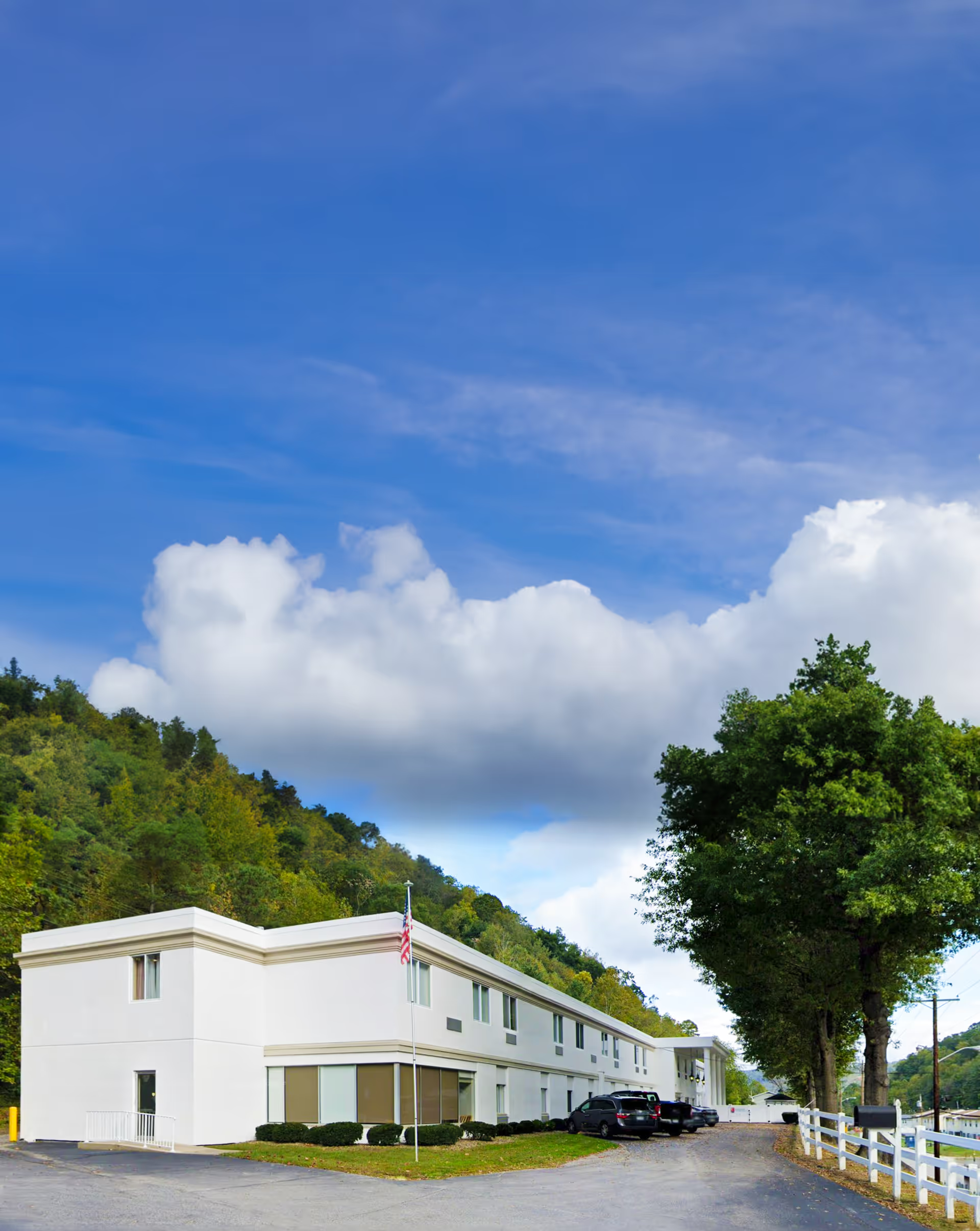
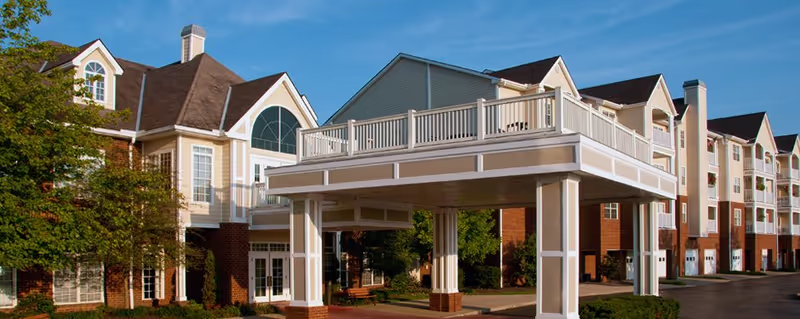
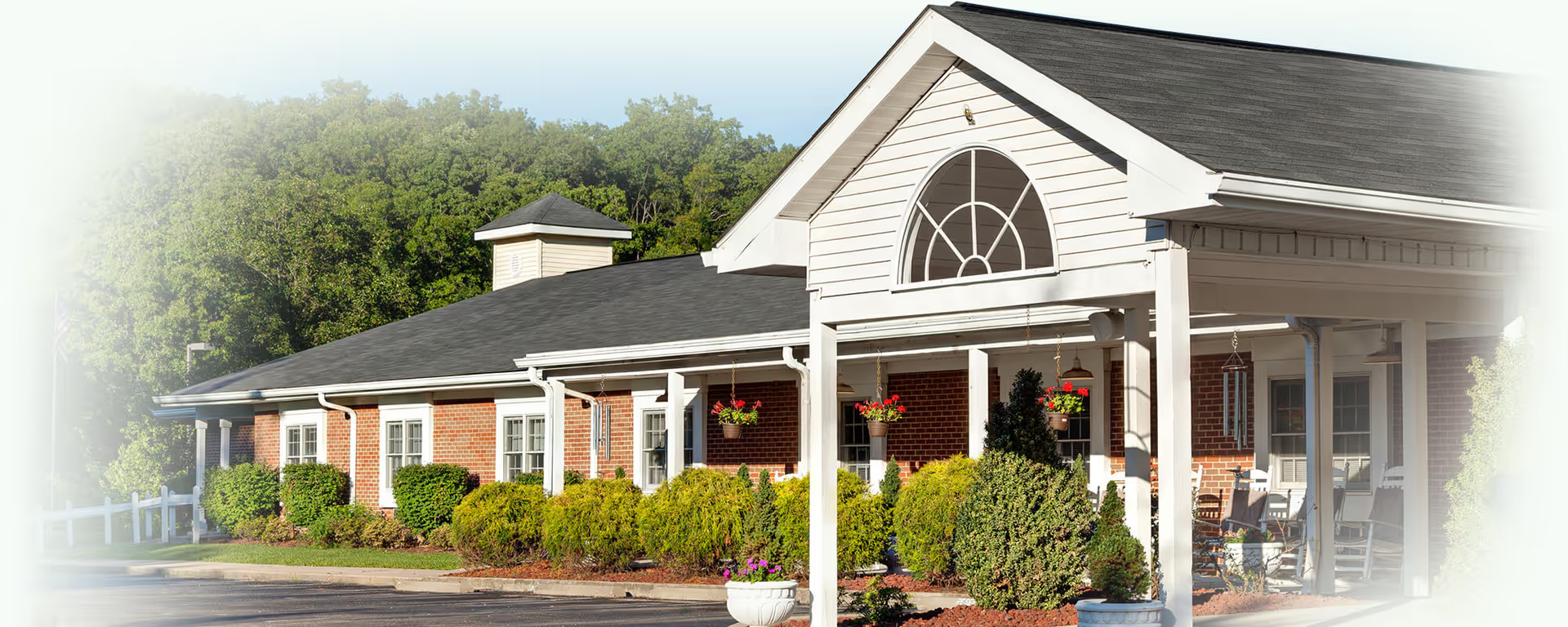
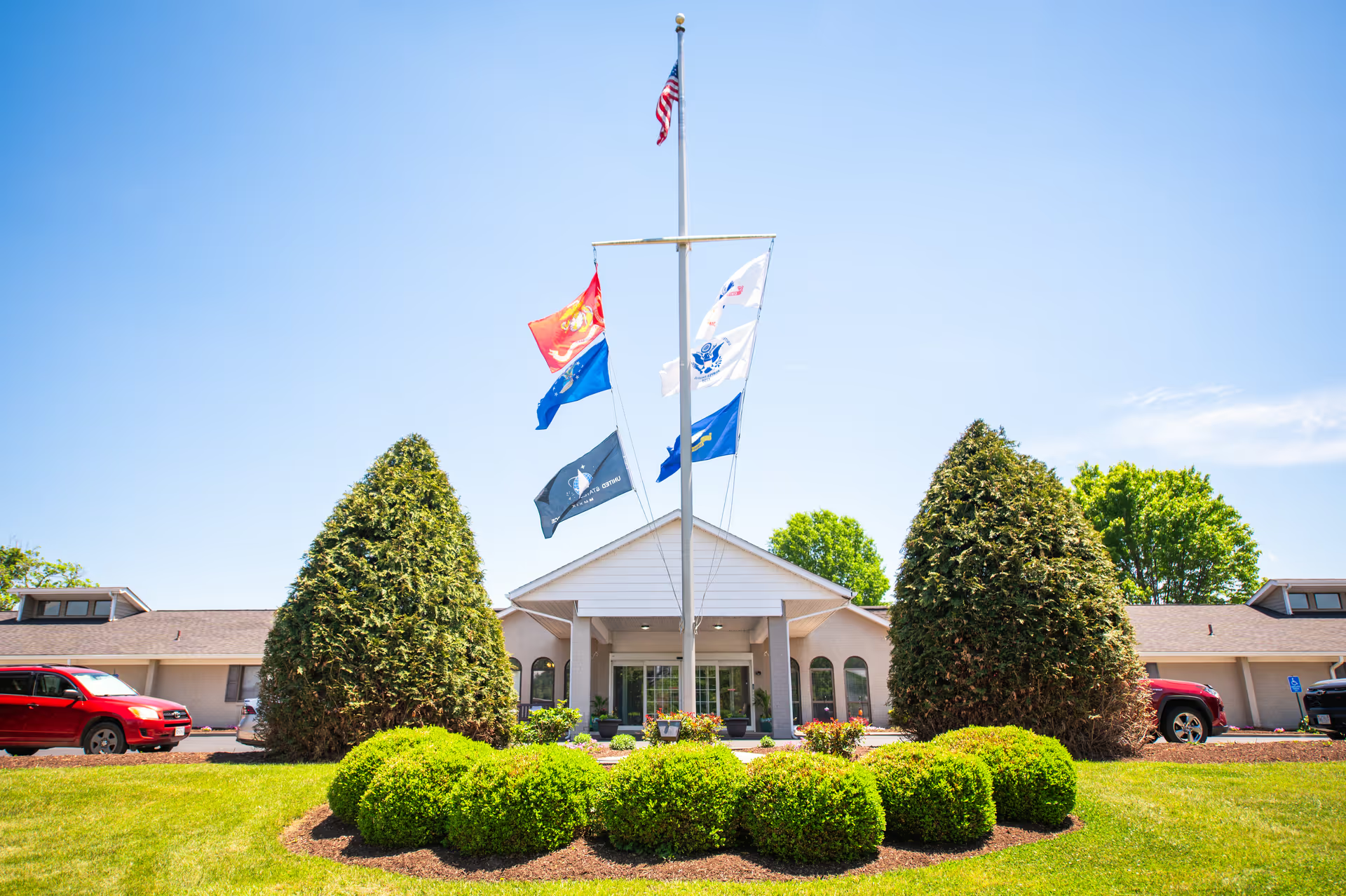
Facilities and maintenance: The facility’s small footprint and layout are seen as positives by many, with at least one family noting a spacious, clean two-bed room. Yet other comments indicate sanitation and condition variability in resident living areas and communal spaces. Specific operational weaknesses include odor concerns and uneven upkeep, and some units have limited private-room size. These contrasts suggest differences between wings or shifts in maintenance effectiveness rather than a uniform facility condition.
Management and notable patterns: The pattern across reviews is one of strong relational strengths (compassionate staff, personalized care, engaging activities) combined with operational inconsistencies (cleanliness control, response timeliness, social-work communication). Prospective residents and families would likely benefit from targeted questions during a tour: current staffing levels by shift, average response times for routine assistance, incontinence-care protocols, cleaning schedules, recent maintenance or renovation work, and opportunities to meet the social-work team. Reviewing recent inspection reports and speaking with families of current residents may clarify how consistent the positive experiences are over time.