Overall impression: Reviews reflect a facility with a strongly praised caregiving workforce but persistent operational and physical-plant issues. Many comments highlight compassionate, hardworking nurses and CNAs, a team-oriented culture, and programs that support both short-term rehabilitation and longer-term assisted living with independence options. At the same time, reviewers describe recurring problems with building maintenance, sanitation, staffing levels, and administrative responsiveness.
Care quality and staff: Caregivers and nursing staff receive frequent positive mention for compassion, dedication, and willingness to go beyond basic duties. Several accounts single out individual caregivers and nurses positively, and short-term rehab outcomes and on-site physical therapy are noted as strengths when delivered. However, chronic understaffing is a consistent operational concern; staffing gaps are linked by reviewers to delays in medication administration, missed or inconsistent therapy delivery, and reduced responsiveness at times. Families and visitors report that CNAs often do their best under pressure, but that management-level support and oversight is uneven.
Dining and amenities: Dining receives favorable comments from some residents and family members; meal quality is generally described as acceptable or good. Housekeeping and support services are praised in some accounts, contributing to the homelike, family-style atmosphere described by others. Conversely, the facility’s interior condition and sanitation are variable: reviewers describe aging finishes, paint and flooring issues, cluttered hallways, and sanitation concerns that suggest uneven maintenance or cleaning practices.
Activities and community life: Activity programming is a clear positive. Holiday events, school partnerships, seasonal celebrations, and resident-focused activities are noted as engaging and appreciated by residents and families. These programs contribute to a warm, hometown feel and a sense of community for many residents.
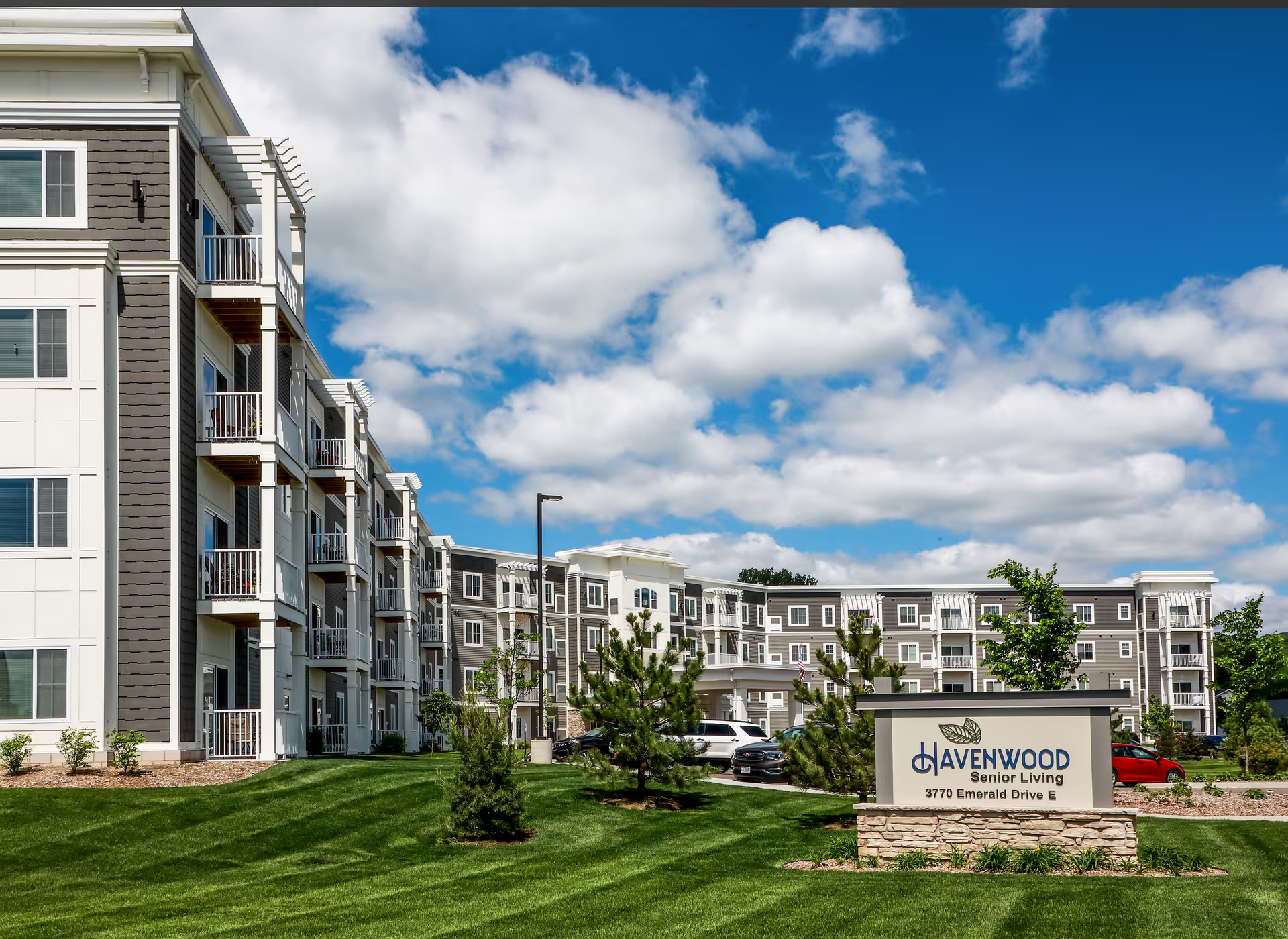
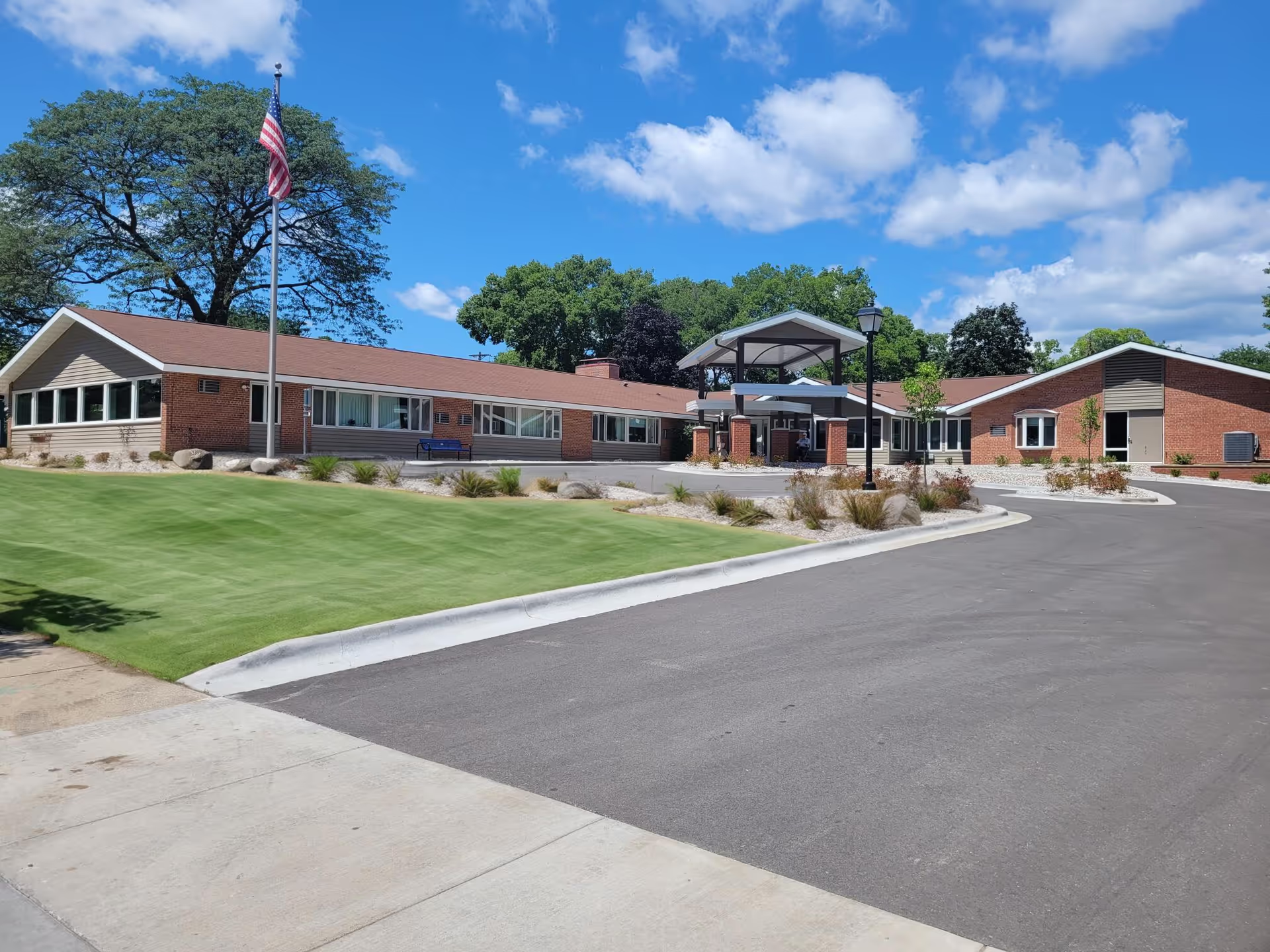
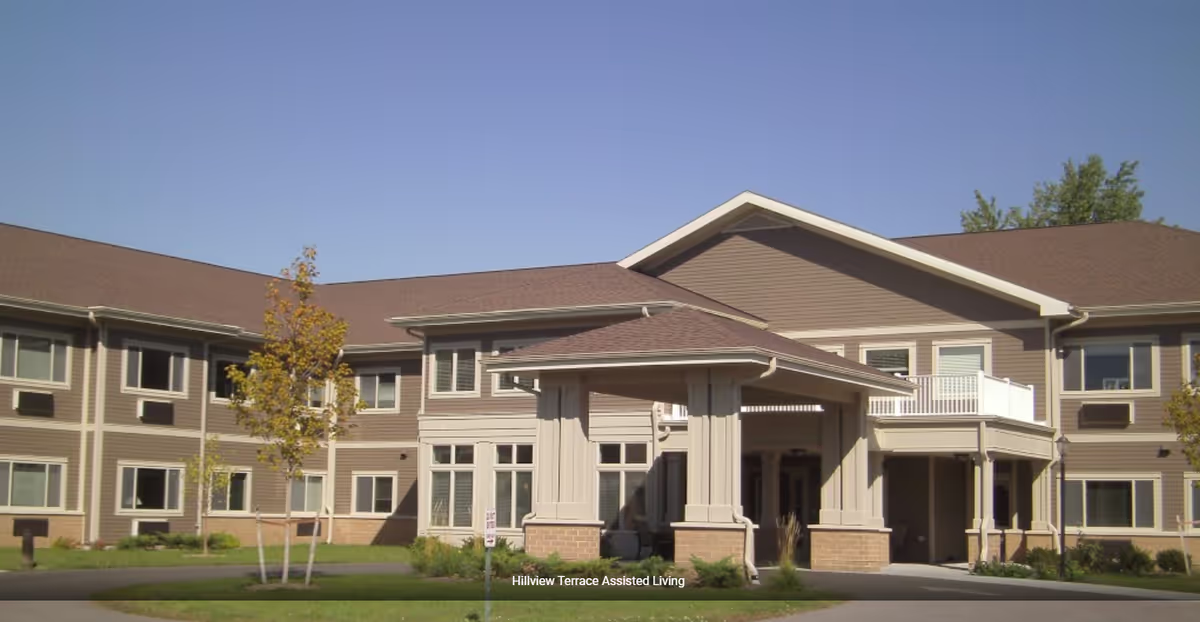
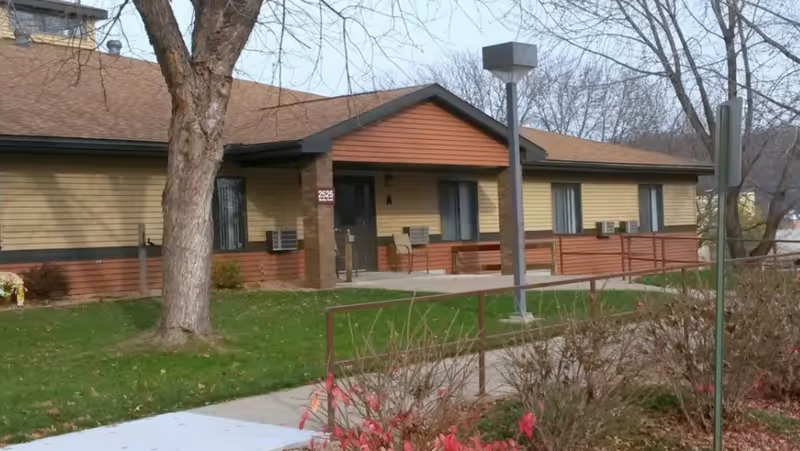
Facilities and infection/pest control: Physical-plant concerns are a recurring theme. An older building, areas needing updating, and narrow or shared rooms with small bathrooms are described as limiting comfort and privacy. Several reviewers raised sanitation and pest-control concerns that prospective families should confirm during a visit. These issues appear to be facility-level maintenance and environmental-control challenges rather than isolated complaints.
Management, communication, and regulatory matters: Management is viewed variably — some reviewers describe attentive and optimistic leadership, while others report snarky communication, low administrative support for front-line staff, and gaps in incident reporting and family communication. There are also references to serious allegations that prompted a state investigation; prospective families should inquire directly about any regulatory actions and their outcomes. Pricing and perceived value are another concern: a number of reviewers feel cost is high relative to the facility’s physical condition and operational consistency.
Notable patterns and recommendations: The dominant pattern is polarization: strong, committed frontline staff and engaging programming juxtaposed with facility-maintenance, staffing, and management weaknesses. For prospective residents and families, an in-person tour is essential. Ask specifically about current staffing ratios, recent state or regulatory findings and their resolutions, medication-administration protocols, therapy schedules and guarantees, housekeeping and pest-control practices, room measurements for shared accommodations, and how costs are determined. Also speak with families of current residents and request written documentation of staffing and recent inspection outcomes to form a balanced assessment.