Reviewers describe a facility with clear strengths alongside significant, recurring concerns. Positive comments consistently highlight caring, personable frontline staff and administrators who are visible and engaged. Many families and residents praised medication management, bathing assistance, and the small-community environment that supports personalized attention. The building and grounds are frequently described as clean, bright, and well-maintained, and the community hosts a variety of social activities and themed events that residents enjoy — examples include holiday and birthday celebrations and special dessert giveaways that contribute to a lively social atmosphere.
Care and staffing evaluations are mixed. Numerous accounts cite attentive, warm caregivers and administrators who “go the extra mile,” and several families noted that residents settled in and participated in activities. At the same time, other accounts allege inconsistent staff conduct and instances of unprofessional interactions. A pattern of variable staffing levels appears in the feedback: understaffing and coverage gaps were described, and some reviewers specifically identified concerns about nighttime checks and daytime supervision. These comments suggest variability in shift coverage and responsiveness rather than a uniformly consistent staffing model.
Dining and activities are generally seen as positive contributors to quality of life, with frequent praise for special meals, events, and social programming that help residents form friendships. However, opinions about everyday meal quality are mixed — while some residents and families compliment the food, others rated regular meal offerings less favorably. Activity programming and a small-community scale were repeatedly noted as strengths for social engagement and personalized interaction.
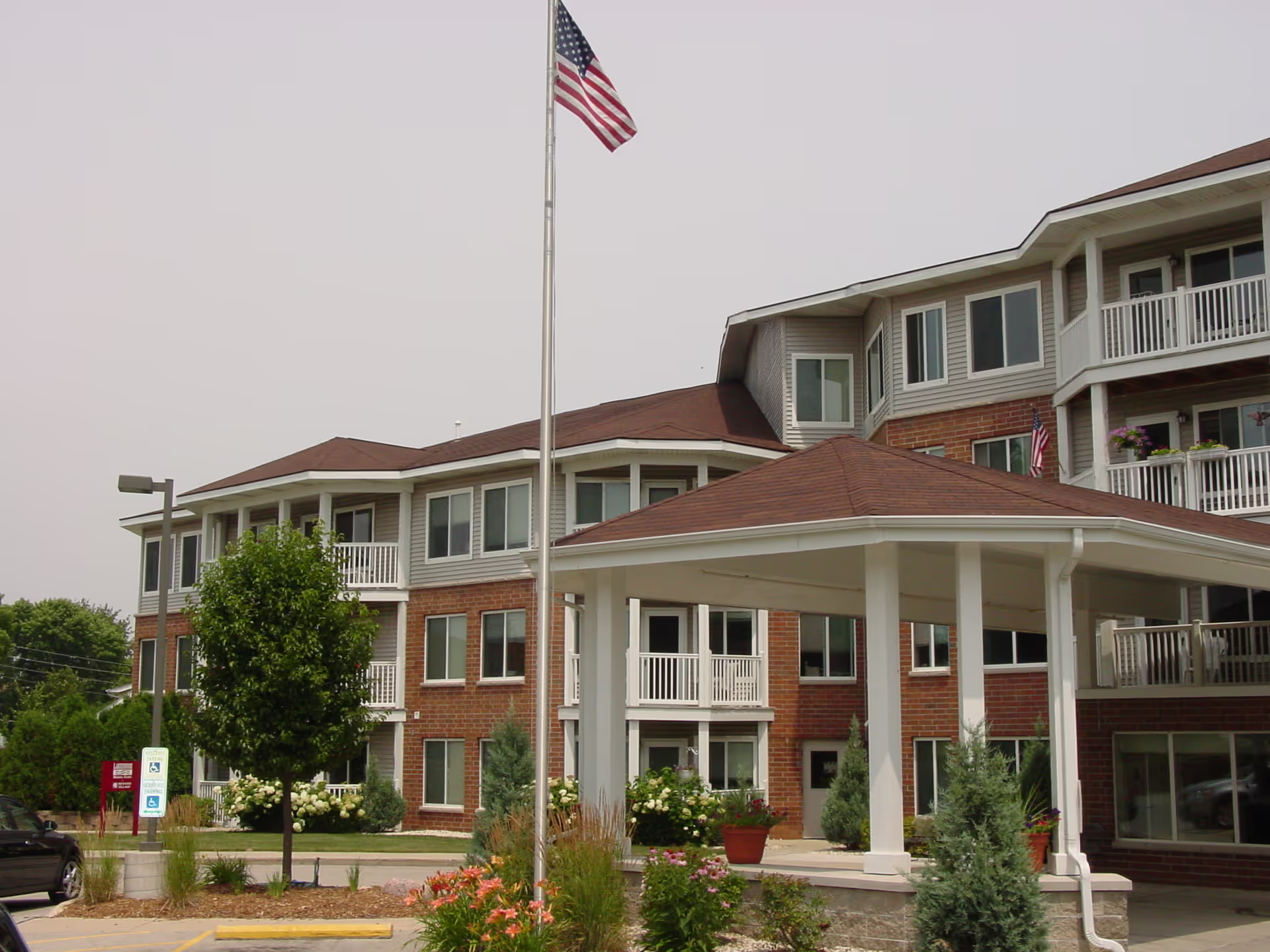
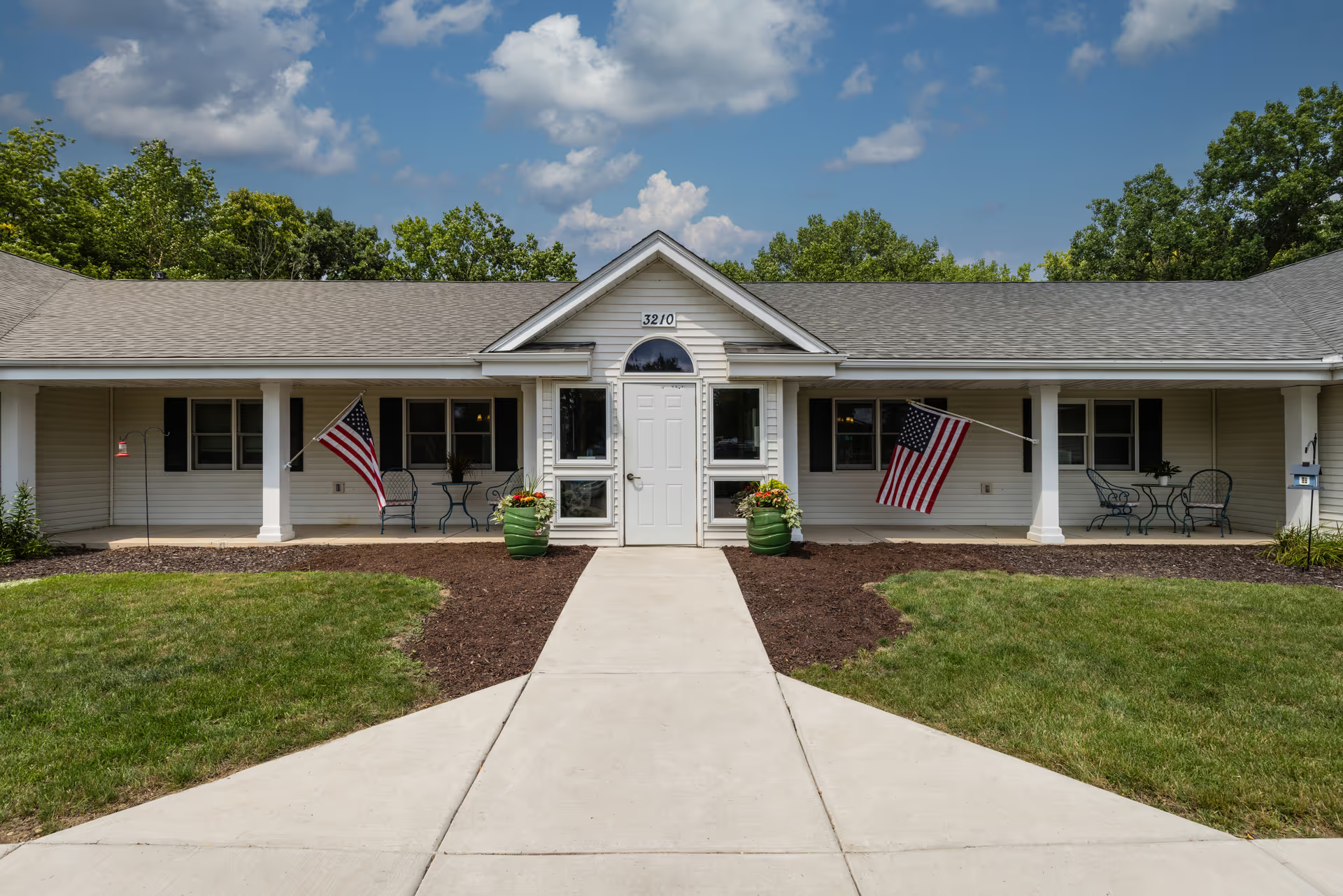
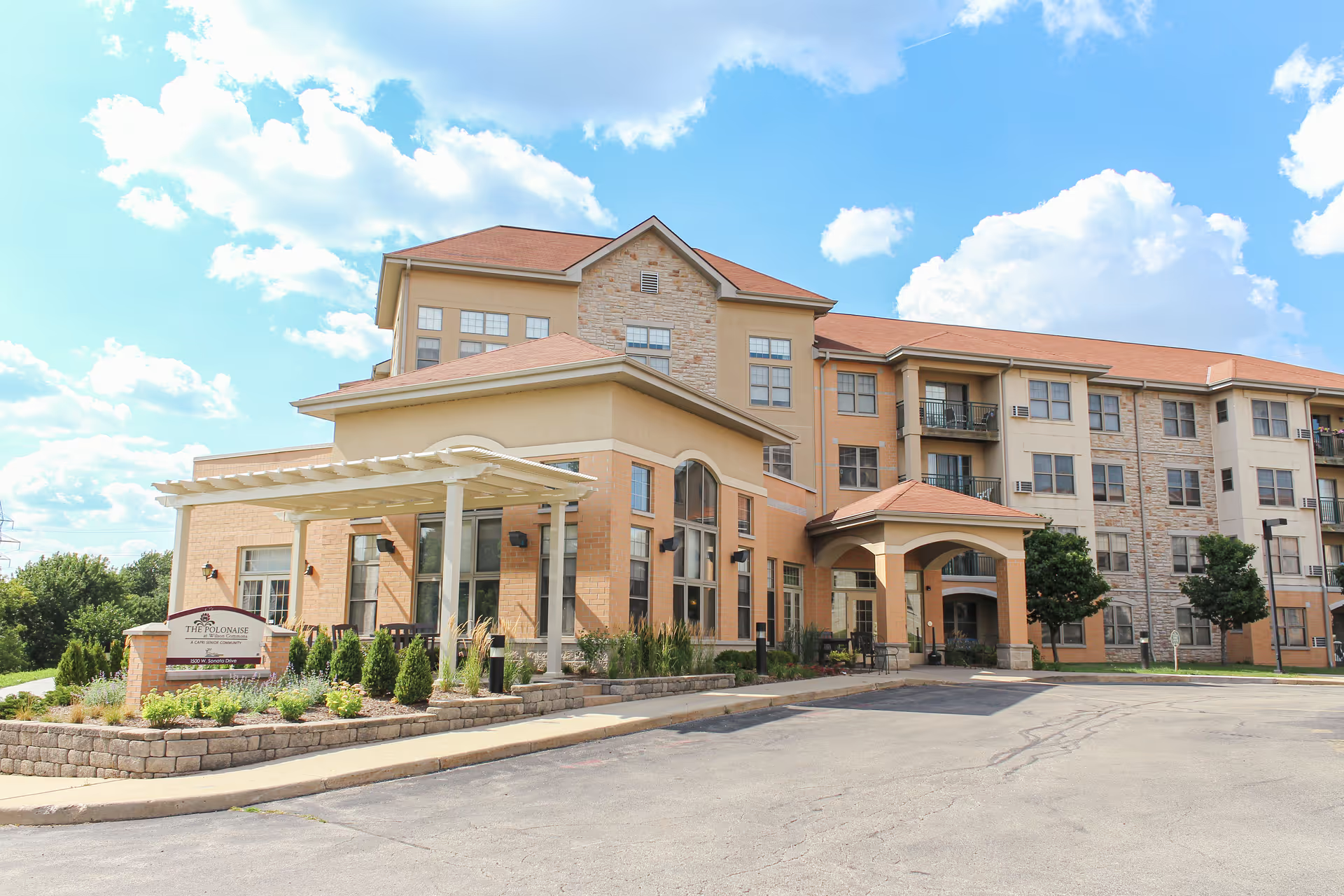
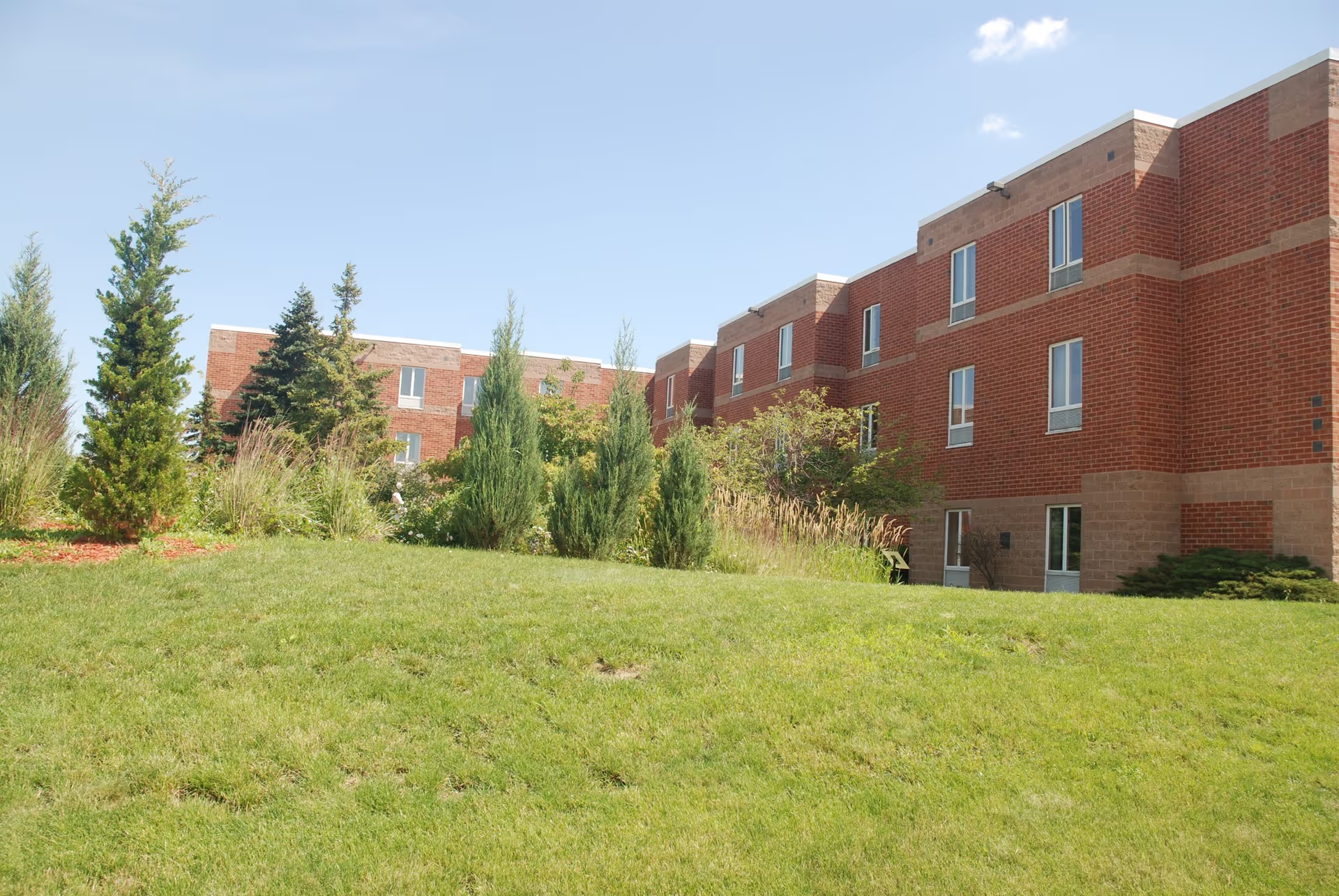
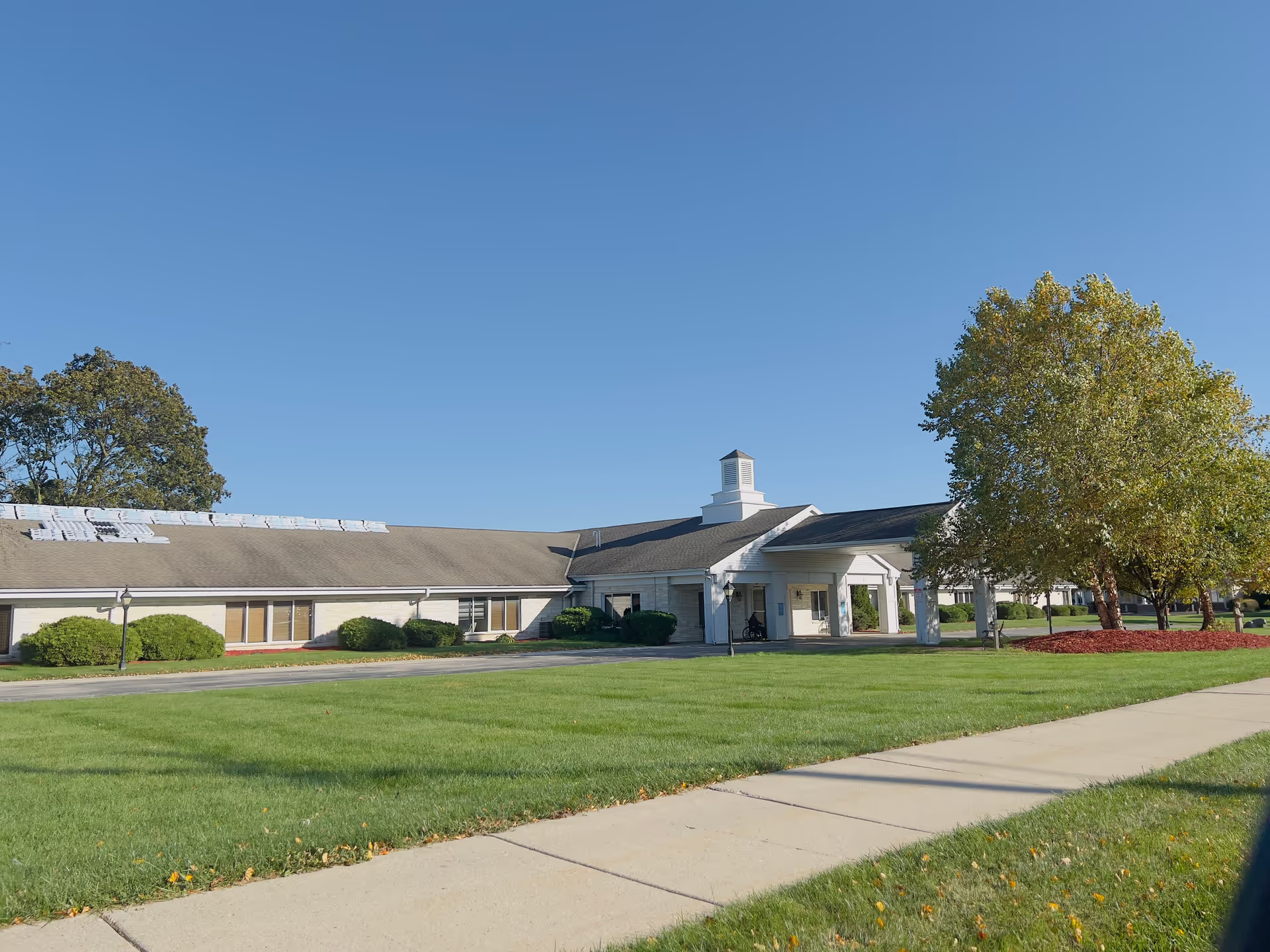
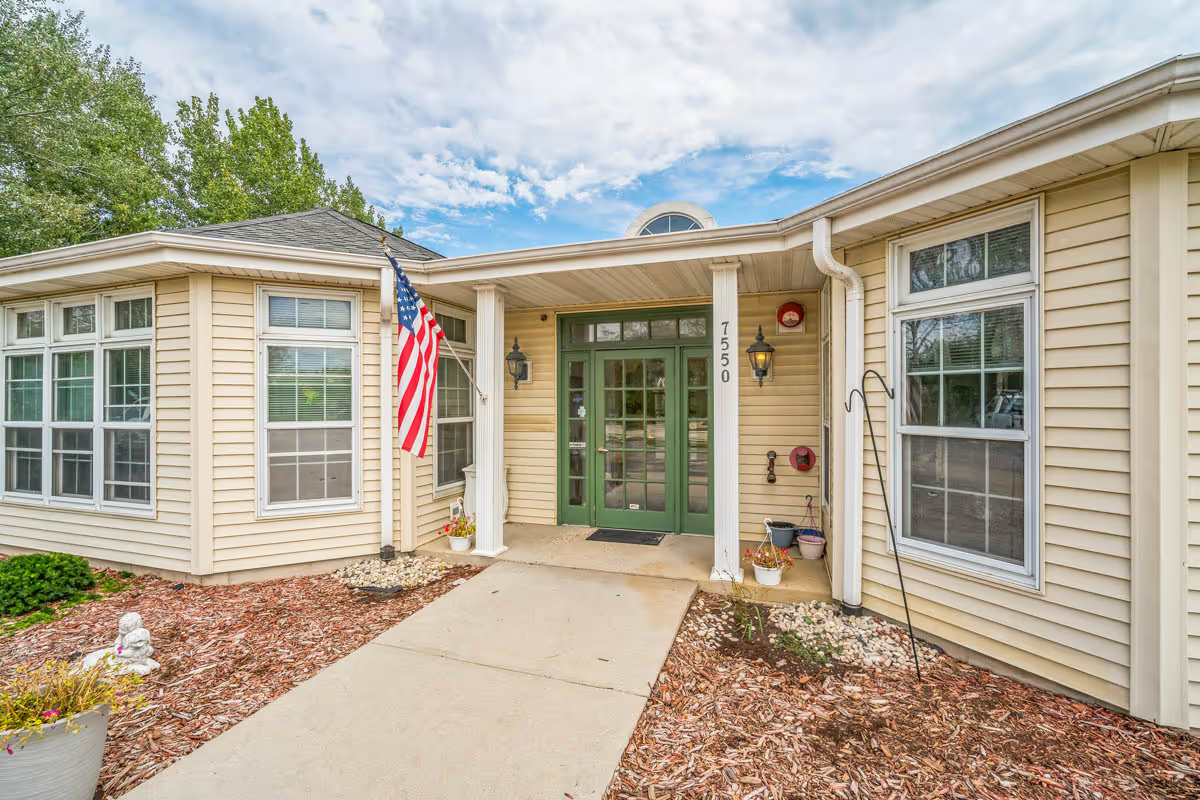
Facility environment receives positive remarks for cleanliness, natural light, and an overall safe, secure feel. These physical attributes appear to support resident comfort and satisfaction for many families. Clinical supports such as medication administration and bathing assistance were also noted as functioning well in several reports.
Management and governance present a divergent picture. Alongside praise for helpful administrators, there are substantive complaints about leadership communication, personnel decisions, and documentation practices. A subset of reviewers raised allegations involving documentation irregularities, HR disputes, and references to regulatory or state-level concerns. Additionally, a few reviewers questioned the authenticity of highly positive online posts, noting potential review bias when staff or affiliated individuals appear to be the authors. These issues suggest families should examine management transparency, personnel policies, and regulatory history when evaluating the community.
Overall, the facility appears to offer a warm social environment, clean physical spaces, and many attentive caregivers and programs that residents appreciate. Prospective residents and families should balance those strengths against reported variability in staffing, supervision, everyday dining, and management practices. Recommended next steps for an in-person assessment include asking about current staffing ratios by shift, protocols for nighttime checks and supervision, recent inspection or state reports, sample menus, and examples of how the community documents and responds to personnel or clinical concerns.