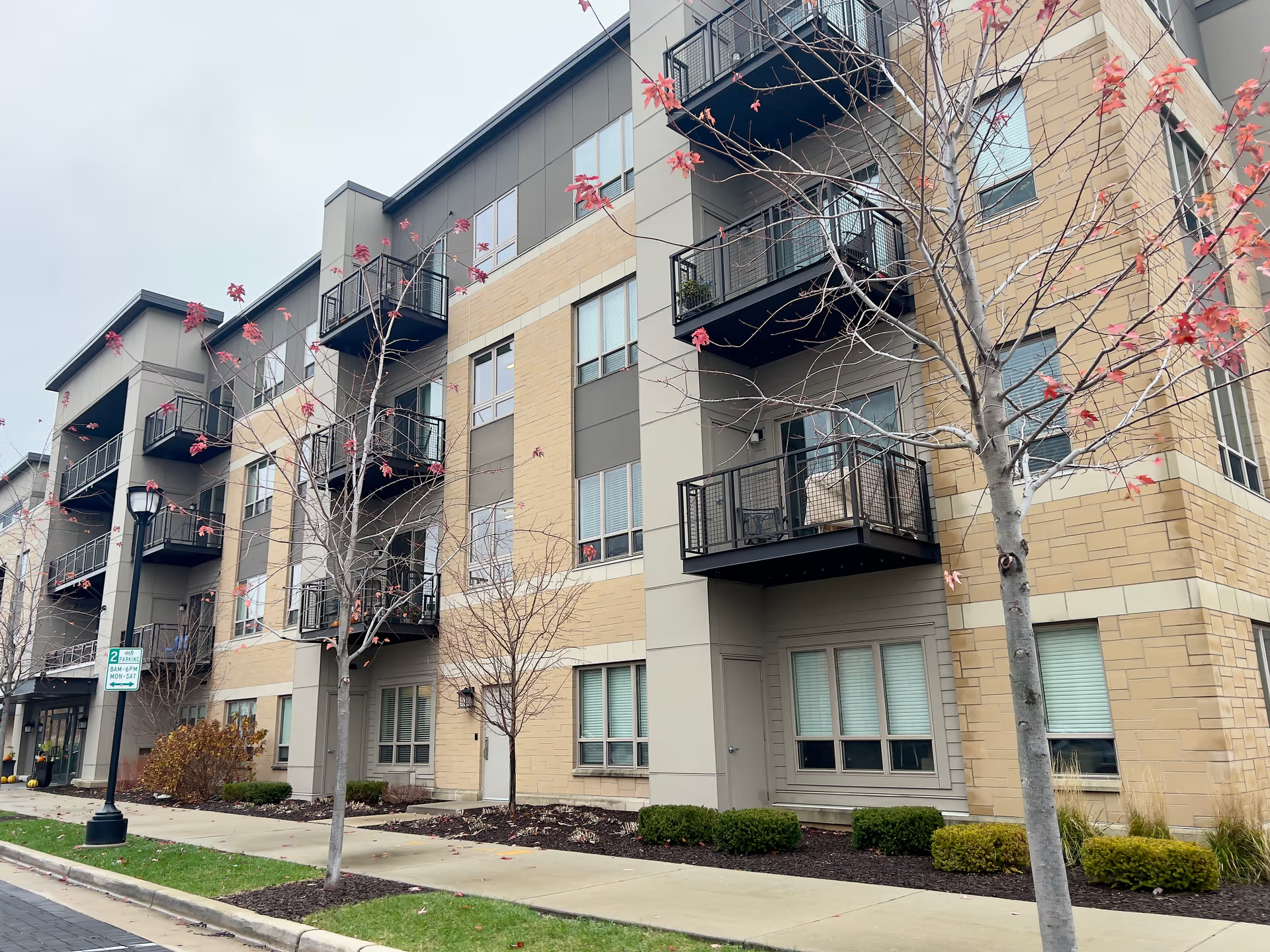
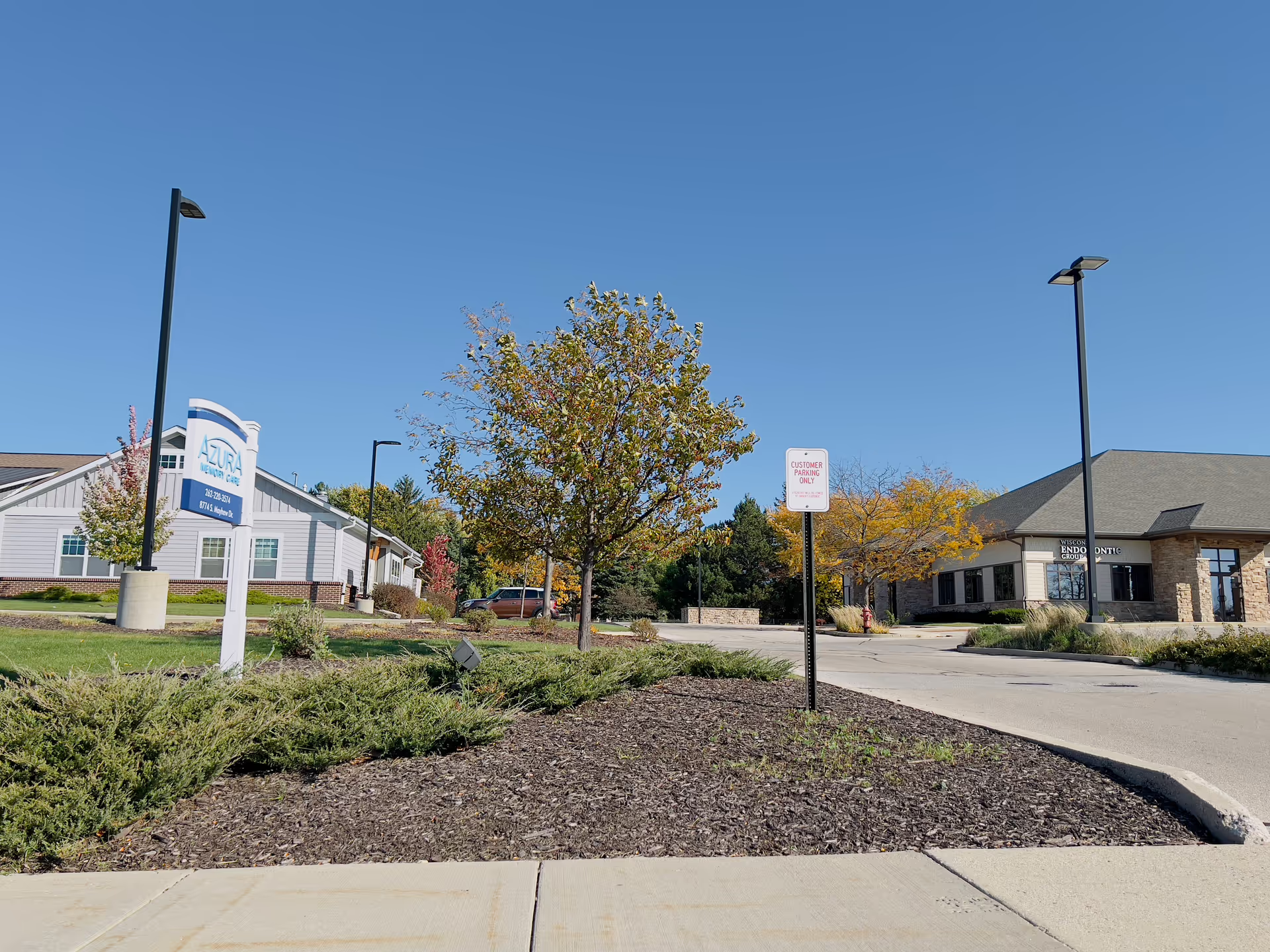
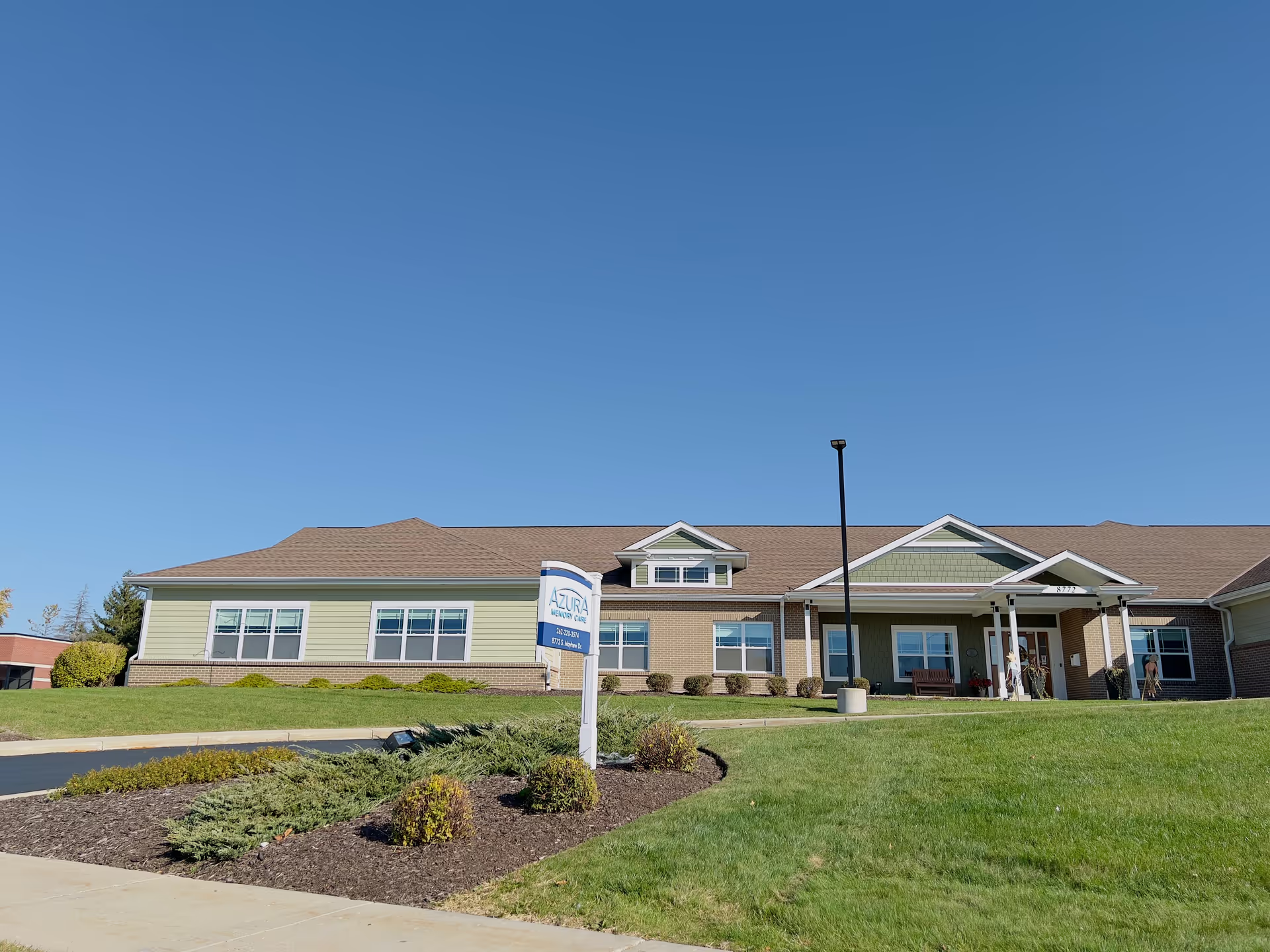
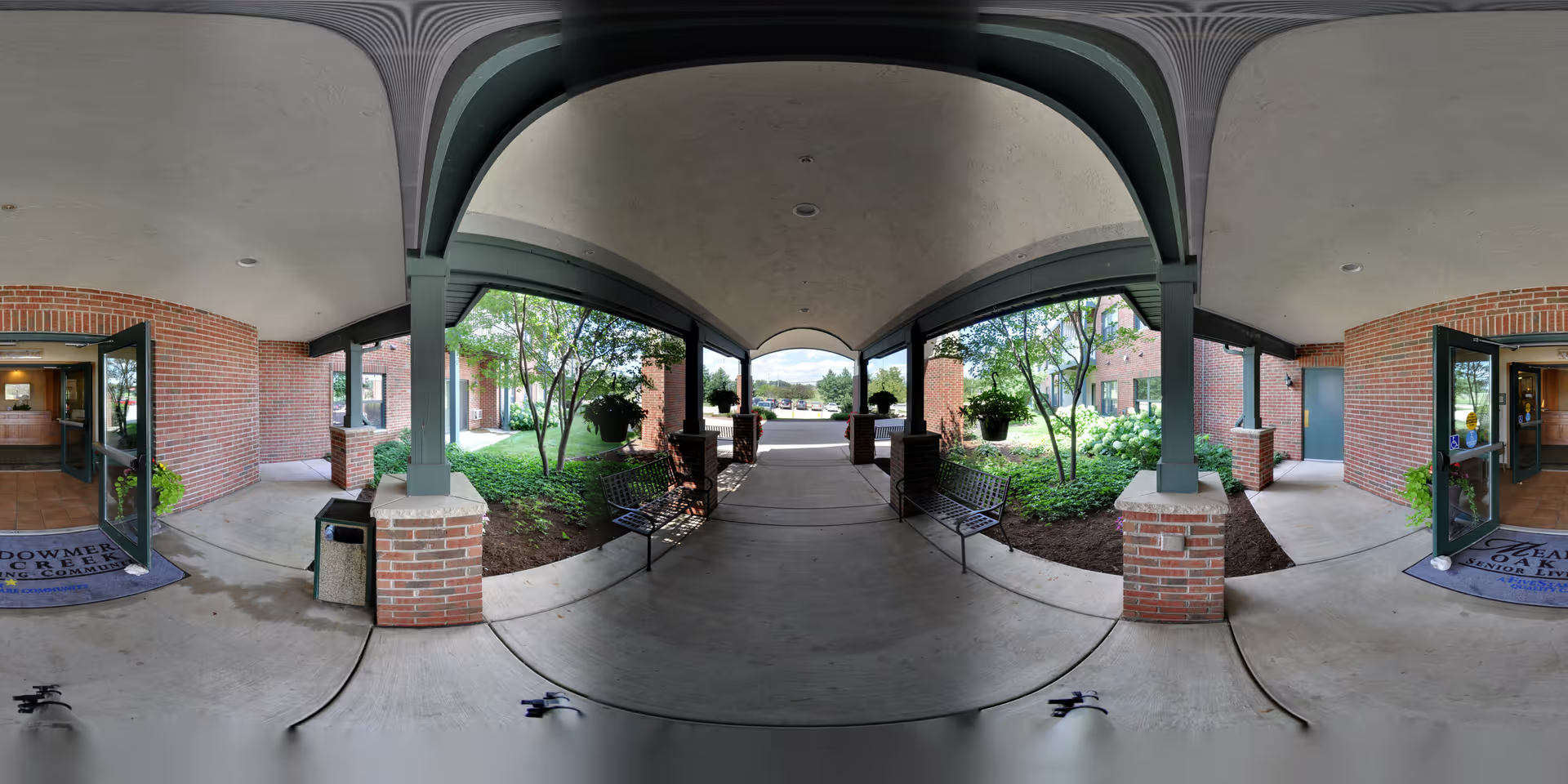
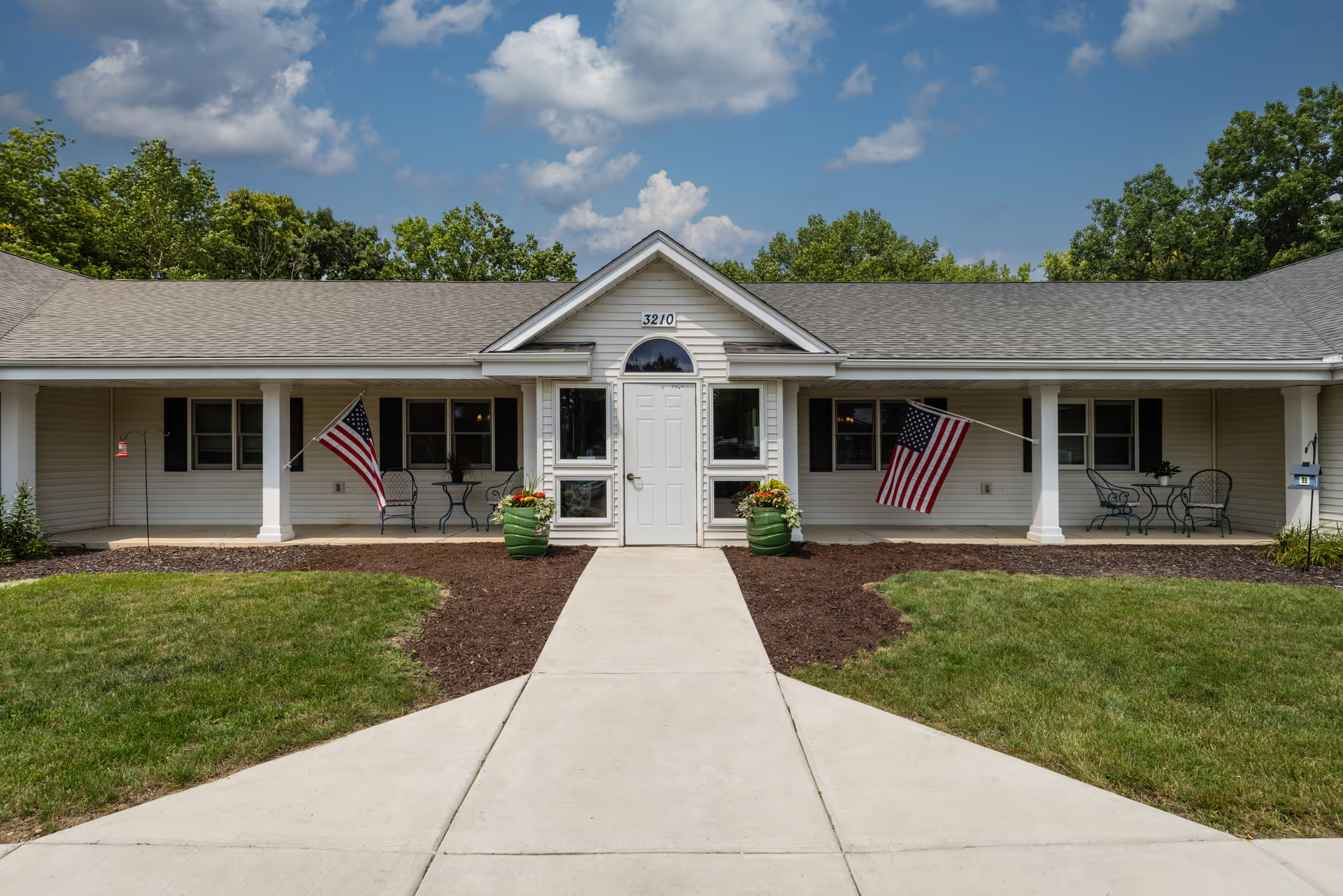
Adava Care of Oak Creek elicits a strongly mixed set of impressions. Many families emphasize the quality of day-to-day caregiving: staff are frequently described as compassionate, attentive, and family‑oriented, with bilingual team members supporting Spanish‑speaking residents. The facility’s small size and one‑floor layout contribute to a close‑knit atmosphere and ease of movement. Several comments highlight positive clinical coordination, including collaborative work with hospice, and local administrators are often credited with clear communication and improvements in efficiency and resident well‑being.
Dining and activities are consistent strengths in the reviews. Meals receive regular praise for taste and variety, and the activity program appears active and engaging — examples cited include bingo, card games, dancing and other social opportunities that help residents stay connected and socially active. Private rooms are available and some families reported that residents adjusted well, experienced better sleep, and enjoyed the social environment.
At the same time, there are substantive operational concerns that prospective families should evaluate. Multiple accounts point to inconsistent housekeeping and sanitation protocols, with specific mentions of odor concerns and deficiencies in incontinence‑care in resident rooms. Reviewers also raise issues around personal items — namely inadequate safeguards for residents’ belongings and disputes about missing items and reimbursement; these are described in some reviews as allegations of theft and financial misconduct. Facility maintenance is another recurrent theme: reviewers reference shabby conditions in areas, recurring fuse or electrical problems, and other infrastructure gaps that suggest an aging plant and uneven maintenance practices.
Management and escalation processes present a mixed picture. Several families praise improvements under local leadership and cite good communication and proactive problem‑solving by the administrator. Conversely, other reviews describe limited follow‑through when issues are escalated to corporate levels and dissatisfaction with how complaints were closed, which points to uneven grievance resolution and corporate responsiveness. This split produces a polarized overall impression: strong, personalized care in many day‑to‑day interactions, but important operational and administrative weaknesses that can materially affect residents’ experience.
For prospective residents and families: verify housekeeping and incontinence‑care schedules, ask about personal‑property policies and incident/reimbursement procedures, inspect room cleanliness and infrastructure during a tour, and discuss escalation pathways from local management to corporate. Those priorities will help determine whether the facility’s clearly positive caregiving culture is matched by reliably consistent operational practices for an individual resident’s needs.