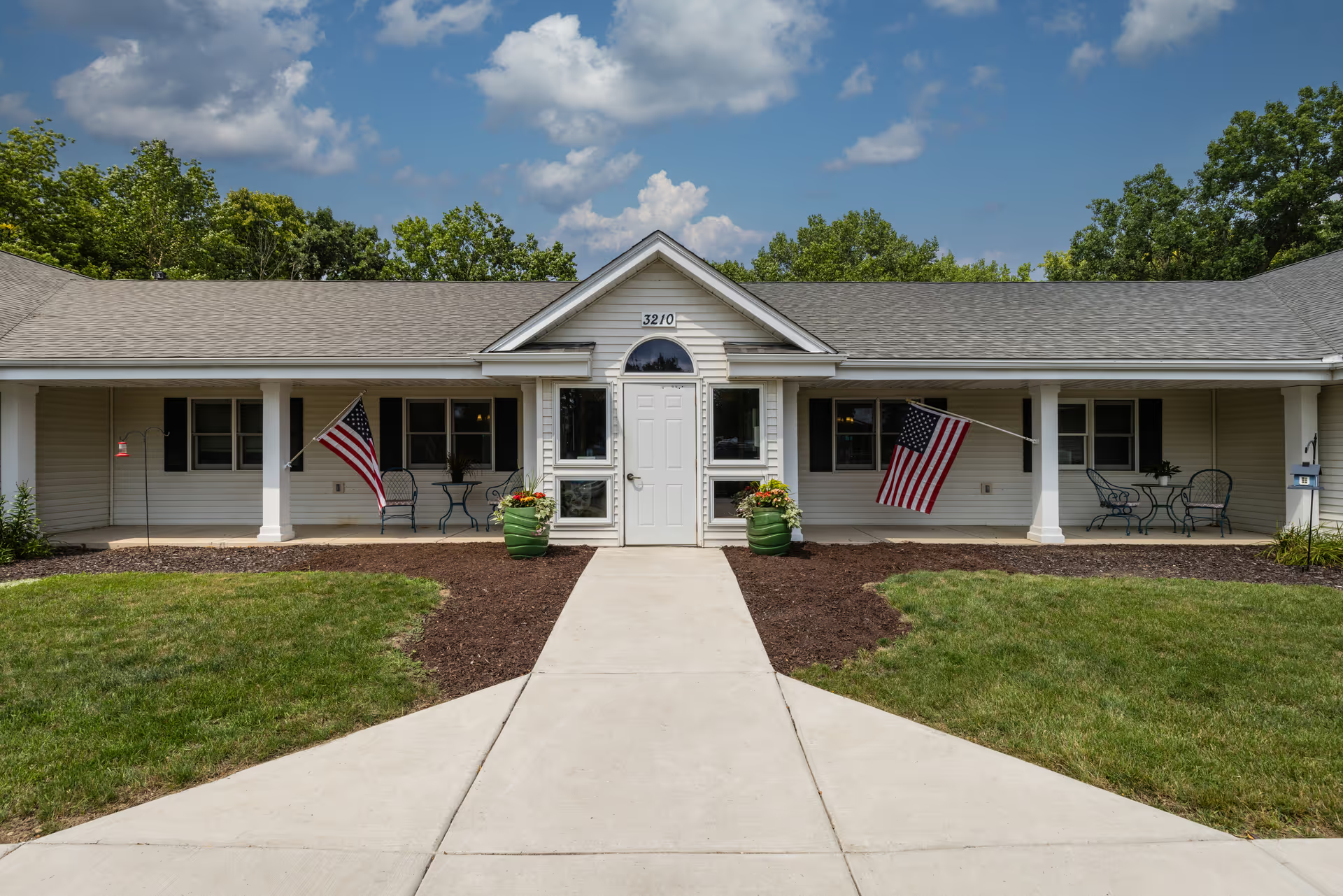
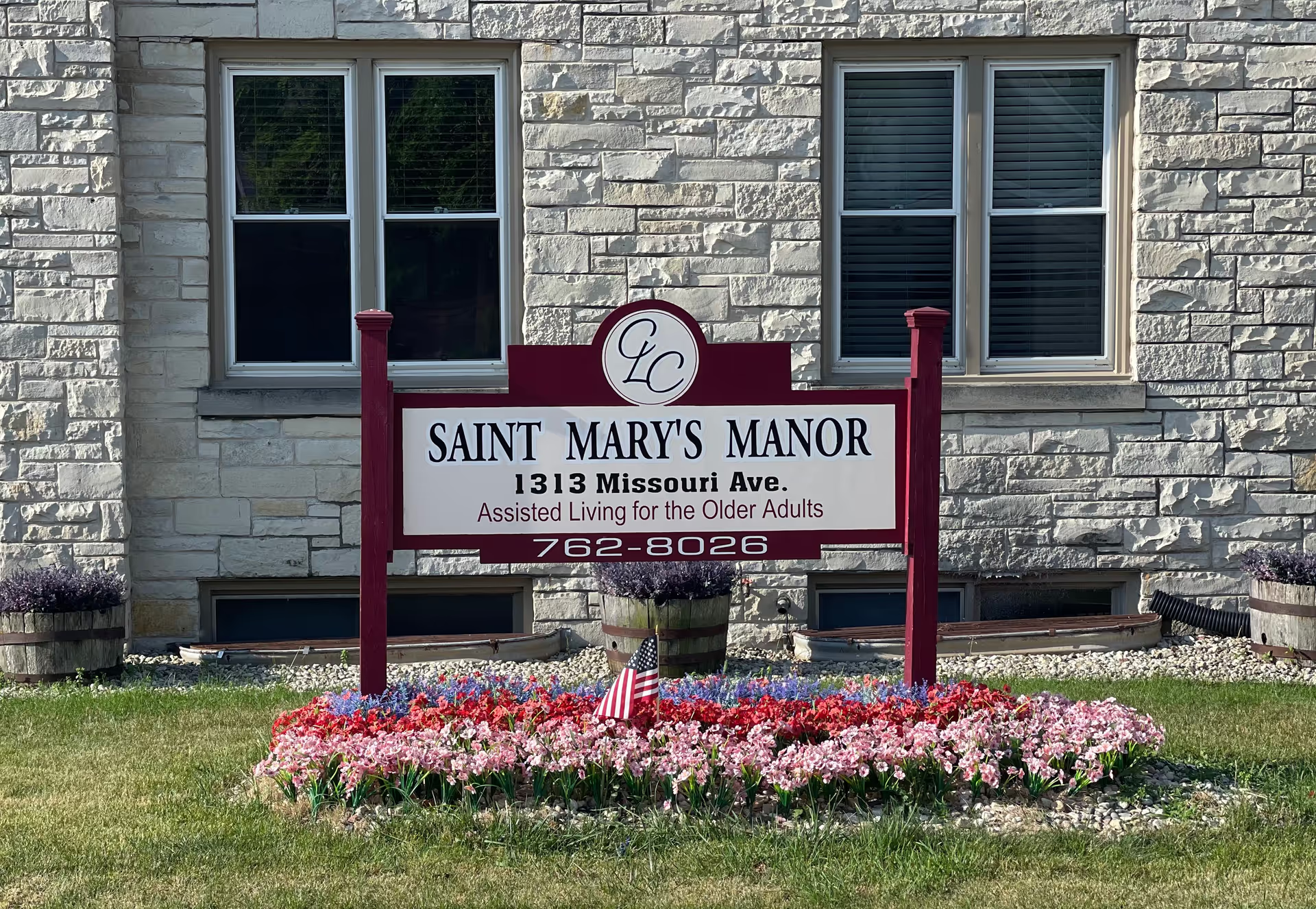
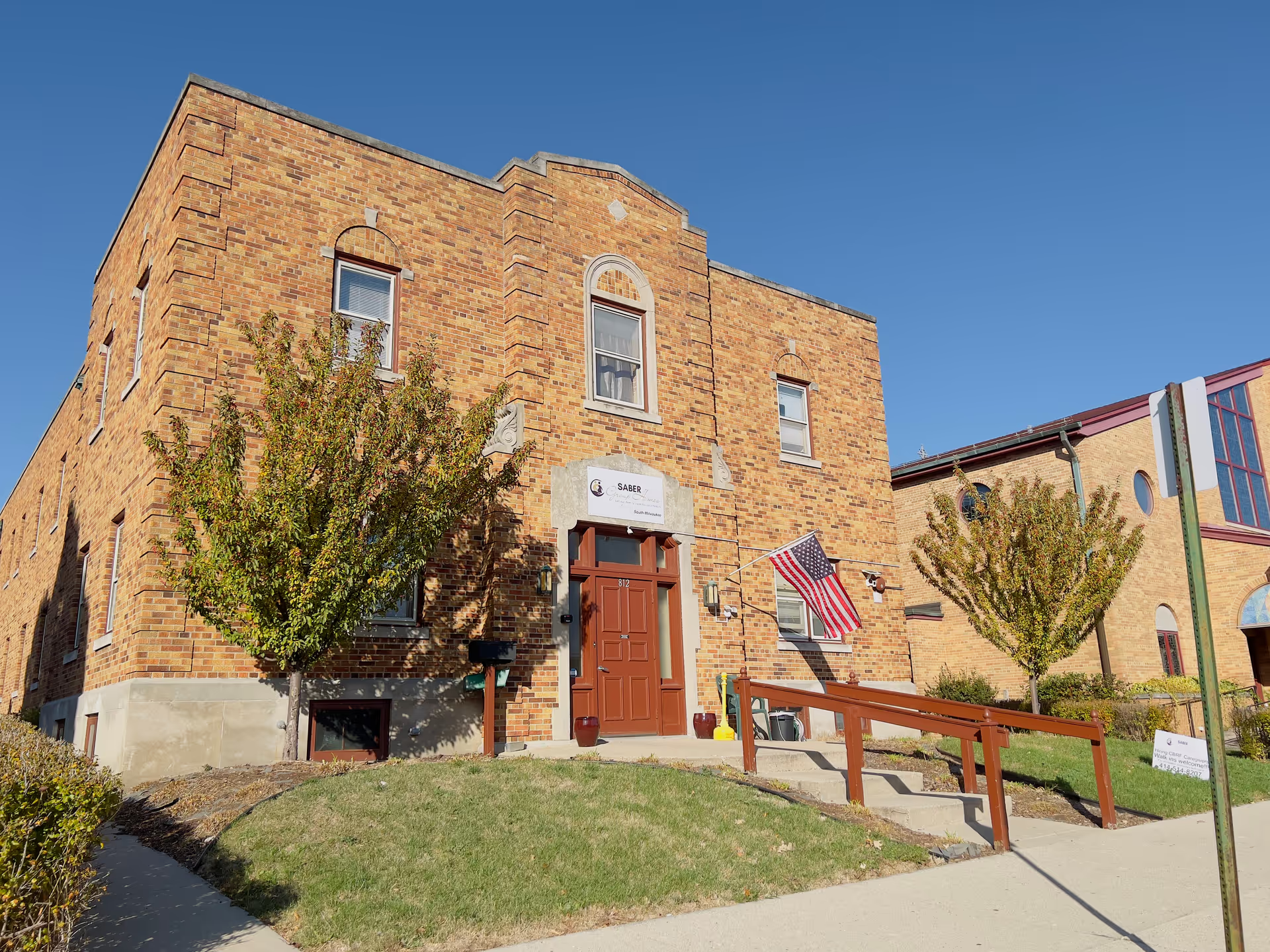
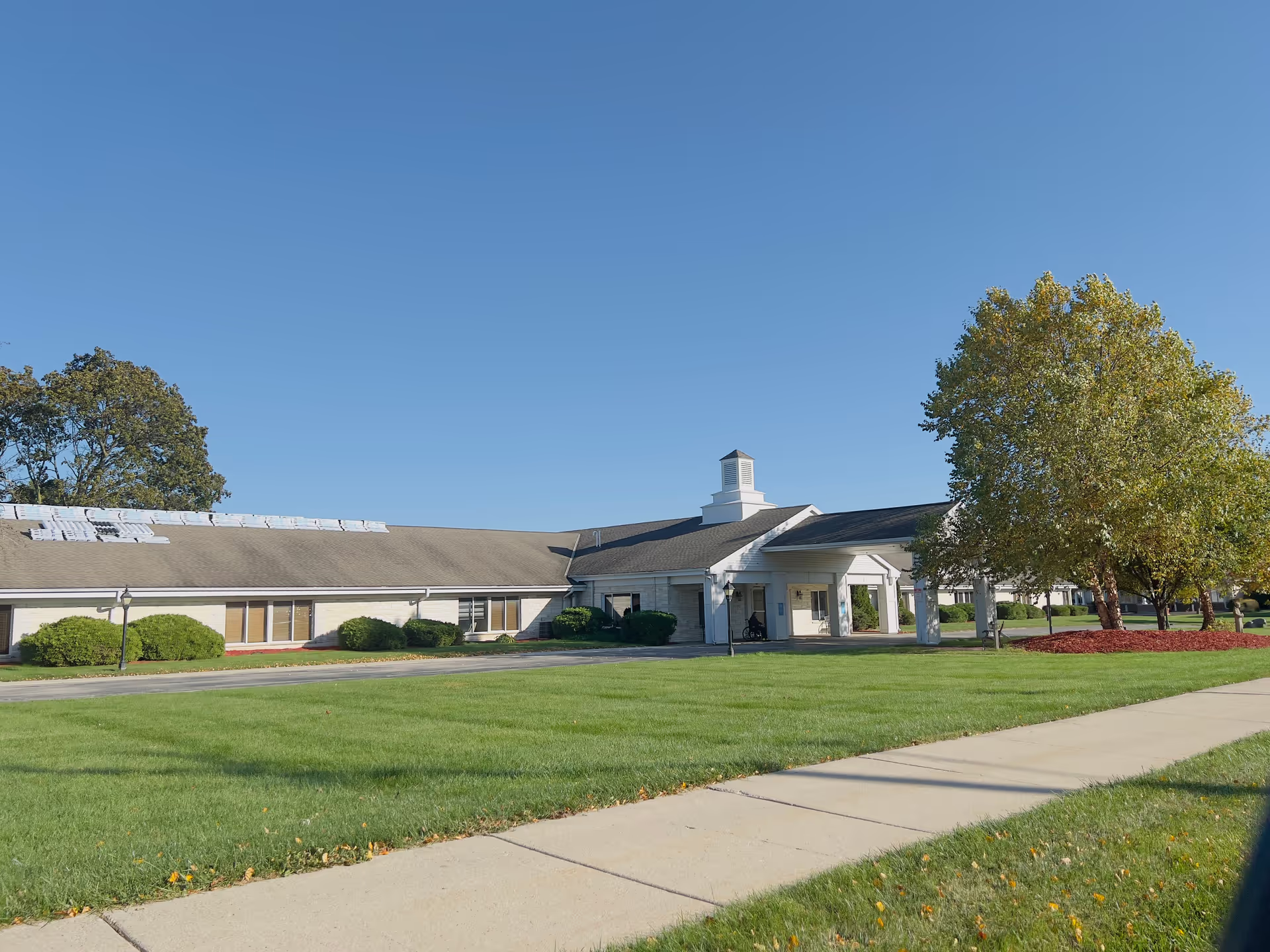
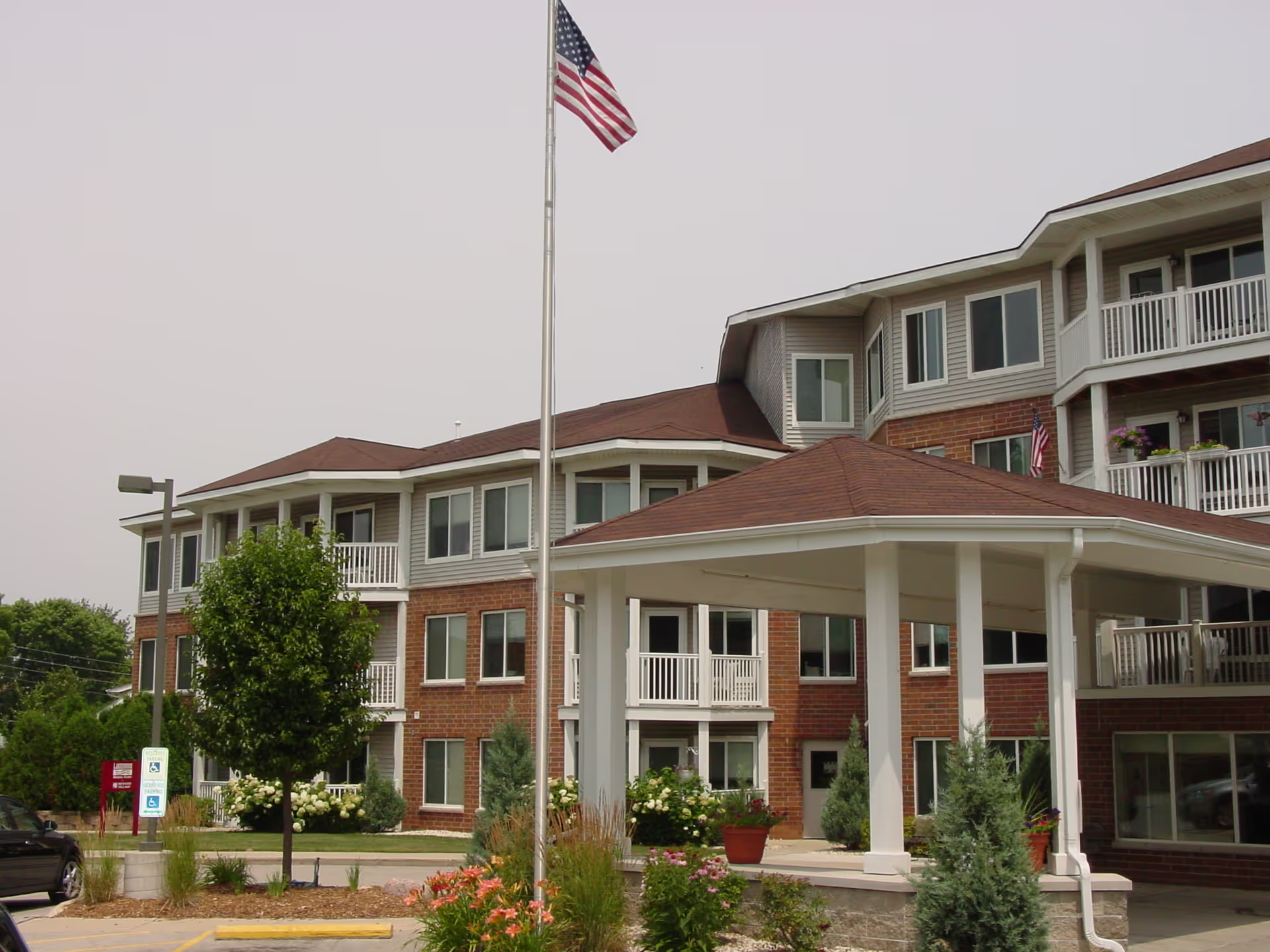
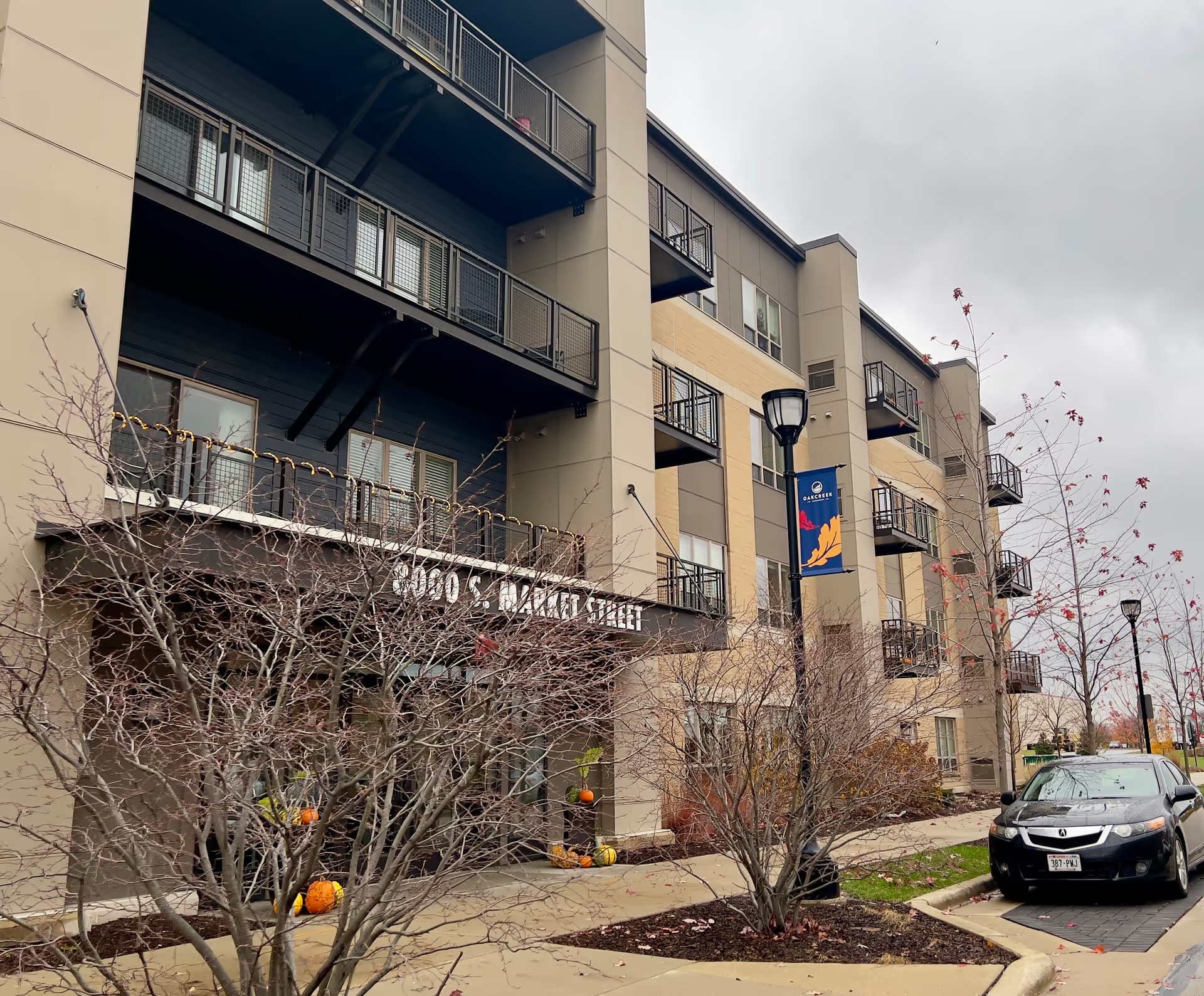
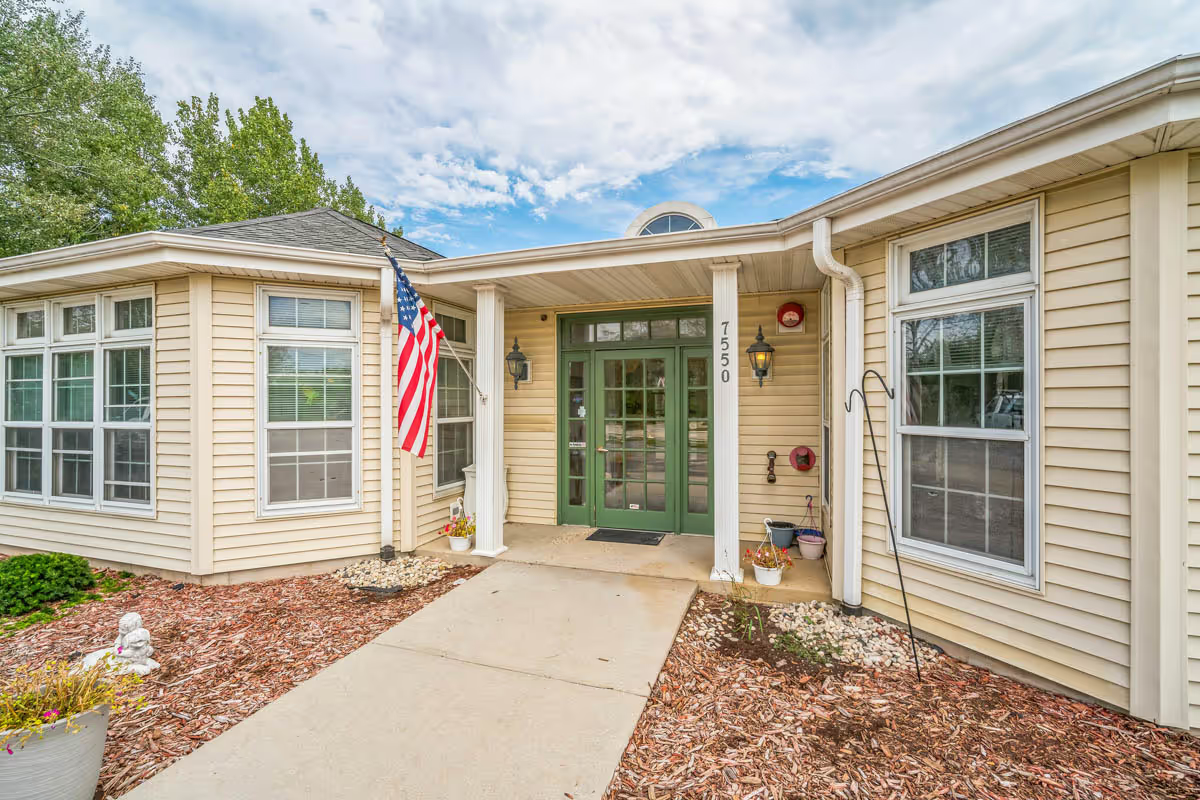
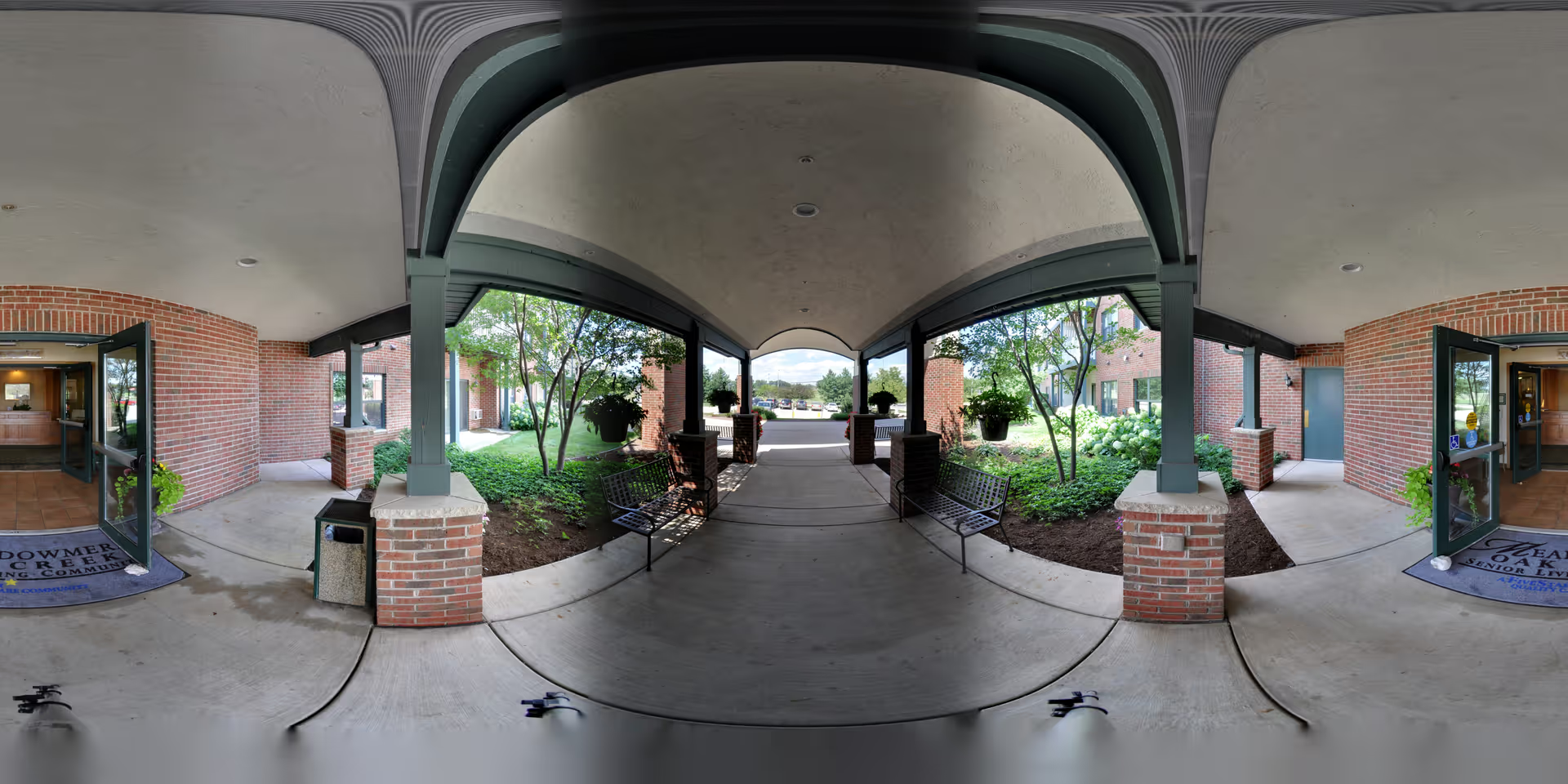
Dimensions Living Cudahy is presented in reviews as a small, home-focused community with notable strengths in personal attention, therapeutic services, and a warm culture among many caregivers. Multiple families describe compassionate, engaged staff and a family-like atmosphere; the community size and lower census are cited as enabling more individualized attention. Therapy and rehabilitation services receive positive mention, as do homemade meals (especially breakfast), a cheery dining area, and pleasant window and lake views. Administrative leadership is described as welcoming by some, and a subset of reviewers appreciated rapid move-in availability and the absence of an endowment requirement.
Care quality and staffing are areas of mixed feedback. While many reviewers praise individual caregivers for being caring and attentive, others describe variability in staff professionalism and responsiveness. Specific operational concerns include limited staffing coverage at times, delays in responding to call bells and morning-care routines, and the observation that nursing oversight may be limited (examples include infrequent RN visits cited by reviewers). These patterns suggest uneven consistency in day-to-day caregiving rather than uniformly high or uniformly poor clinical performance.
Dining and activities are likewise mixed. The community offers regular social programming — bingo, crafts, and exercise classes are recurring items — and these activities are effective at getting some residents out of their rooms. However, several families noted that activity choices may not engage every resident, and transportation appears focused on group outings rather than individualized trips. Food receives generally positive comment for breakfast and homemade qualities, but reviewers described inconsistent meal presentation and quality at other times.
Facility condition and housekeeping generate clear, repeated concerns. Positive remarks about clean rooms and a homey feel coexist with observations of outdated, small rooms, constrained and cluttered hallways, and grounds/maintenance deficiencies. Multiple reviews flagged odor concerns in common areas and on staff, as well as sanitation-related issues and housekeeping practices that feel inconsistent. These physical-environment issues affect perceptions of value, particularly given the community’s relatively high monthly cost as cited by several families.
Management, communication, and operational practices present a polarized picture. Some reviewers praise a helpful, hands-on director and a smooth transition for new residents; others describe disorganized management, gaps in communication with families and outside clinicians, and staff conduct issues (personal-device use during shifts, inconsistent adherence to routines). Memory-care capability is another area of limitation: the facility is not characterized as strongly dementia-specialized and reviewers advised caution for residents needing dedicated memory programming.
Taken together, the reviews indicate a community with genuine caregiving strengths in a small, intimate setting, but with recurring operational weaknesses around facility upkeep, staffing consistency, clinical oversight, and program breadth. Prospective residents and families should weigh the warmth and individualized attention many residents receive against concerns about room size, maintenance, staffing patterns, dementia programming, and overall cost. When evaluating this community in person, focus areas to assess include current staffing levels and schedules, frequency of licensed nursing coverage, sanitation and odor conditions, availability of companion rooms, activity variety and transportation options, and contract/fee structure to determine value alignment with needs.