Reviewer impressions of Frederic Nursing & Rehab are mixed, with a clear pattern of strengths concentrated in therapy, activities, maintenance, and some core caregiving relationships, alongside recurring operational weaknesses in clinical responsiveness, financial administration, and consistency of service. Rehabilitation services and therapy staff are frequently identified as a major positive, and the activities program—particularly the activity director and daily offerings such as Bingo—receives consistent praise. Many families note bright rooms, functioning amenities, attentive maintenance, and staff who are kind or compassionate, which contributes to a perception of reasonable value for cost in numerous accounts.
Clinical care shows variability. Several accounts praise nursing competency and caring interactions, while others describe gaps consistent with under-staffing: slow response to call lights, delays in medication administration, and uneven assistance. The rehabilitation wing appears to function well as a distinct operational area, but general nursing and day-to-day assistance outcomes appear dependent on staffing levels and shift. Reviewers also raised concerns about limited availability of assistive devices and equipment provisioning, with families describing out-of-pocket purchases rather than consistent facility supply.
Staffing and conduct produce divergent impressions. Many reviewers emphasize friendly, empathetic caregiving and a family-like atmosphere; conversely, there are accounts describing curt or inattentive conduct and surveillance-style administrative interactions. These contrasts point to inconsistent staff professionalism and communication across shifts or units. The activity team and certain caregivers are repeatedly cited as strengths, suggesting pockets of stable, positive staff–resident relationships even where overall consistency is lacking.
Dining and food services are similarly inconsistent. Several families describe adequate portions, appealing meals, and between-meal snacks, while other accounts characterize meal quality as poor or overly processed. This variability suggests kitchen operations and meal preparation standards may fluctuate by time or by unit.
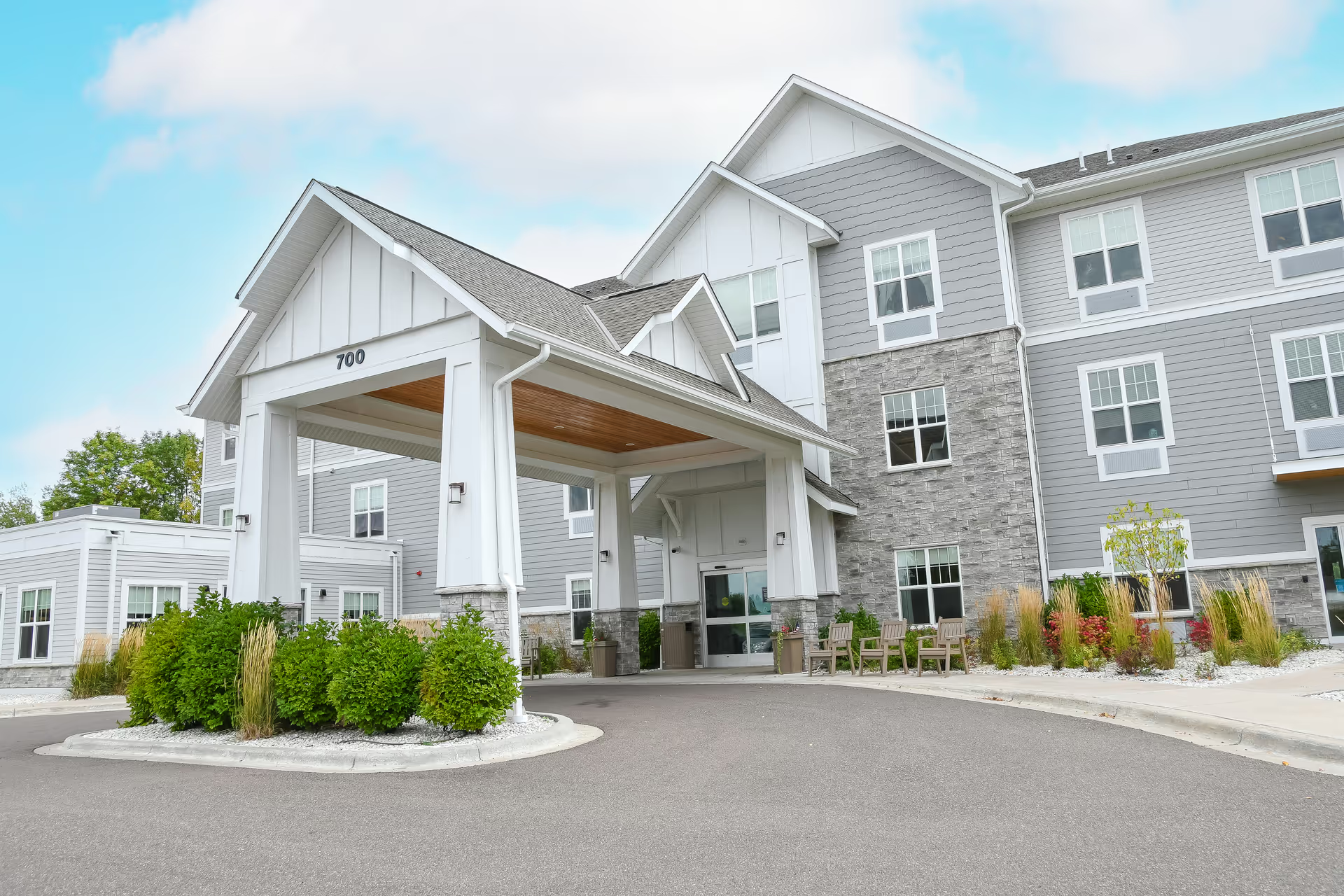
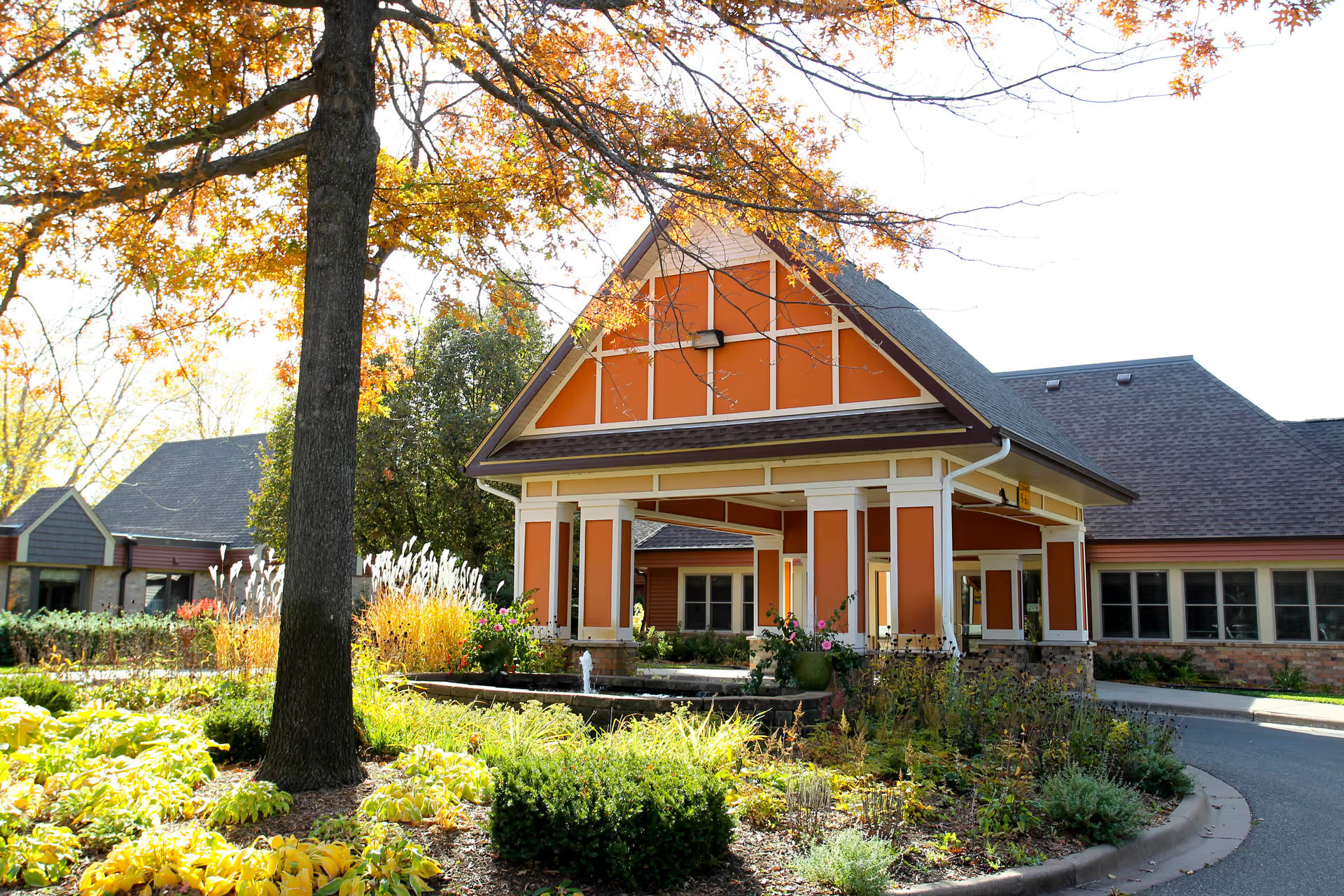
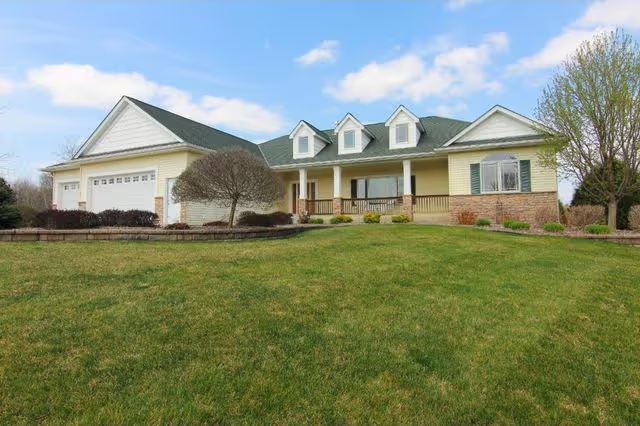
Facility condition is generally viewed positively: reviewers highlight cleanliness, bright rooms, and effective maintenance work. However, some comments indicate cleanliness and sanitation variability between units or shifts rather than uniform standards. The physical environment and amenities appear to be an asset when staff and operational systems are functioning well.
Administration and finance are notable risk areas. Multiple comments describe billing confusion, insurance-payment complications, months without accurate billing, and unconventional or unclear financial and social-work policies governing resident matters. Ombudsman involvement and family advocacy contact are mentioned, indicating that some administrative issues have attracted external attention. These patterns suggest prospective residents and families should review billing procedures, financial-policy documentation, and social-work practices during assessment and admission.
In sum, Frederic Nursing & Rehab presents a mixed profile: strong rehabilitation services, an engaged activities program, and well-maintained spaces coexist with operational weaknesses in staffing consistency, medication and assistance responsiveness, equipment provisioning, meal-quality reliability, and financial/administrative management. Prospective residents and families would benefit from in-person observation of staffing during different shifts, direct discussion of medication-administration and equipment policies, review of billing and financial procedures, and conversations with therapy and activity staff to verify fit and expectations.