Overall impression: Reviews describe a facility with many strengths in personal, home-style care alongside operational inconsistencies that can affect the experience for families of residents with higher acuity needs. Positive comments emphasize compassionate caregivers, an engaged management team, and a residential atmosphere with pleasant outdoor spaces and seasonal décor. Several families highlighted responsive clinical touchpoints such as an attentive rounding physician and quick-to-respond nurses, as well as active family engagement through a resident council and individualized care plans.
Care and staff: Care quality is portrayed as warm and person-focused in many accounts; caregivers are frequently described as patient, kind, and adaptable, and family members report that staff advocacy and continuity of documentation help maintain stable care. At the same time, a recurrent operational theme is variability in staffing experience and training. Reviewers described periods of high turnover and occasions when less-experienced hires or limited dementia-behavior training created gaps in how challenging behaviors and advanced Alzheimer’s needs were managed. There are also concerns about inconsistent clinical oversight, including infrequent vital checks and uneven nursing coverage in some shifts; several families urged ongoing staff training and closer clinical supervision for higher-acuity residents.
Dining and activities: Dining receives generally favorable comments—many reviewers mentioned appealing meal aromas and enjoyable meals—yet a small number noted inconsistency in food quality. Activity programming is a relative strength in communal areas, with live music, baking, games, and social events contributing to a homelike atmosphere. However, activity offerings were described as uneven between the facility’s multiple buildings, and families of residents with advanced dementia requested more targeted engagement tailored to cognitive-impairment needs.
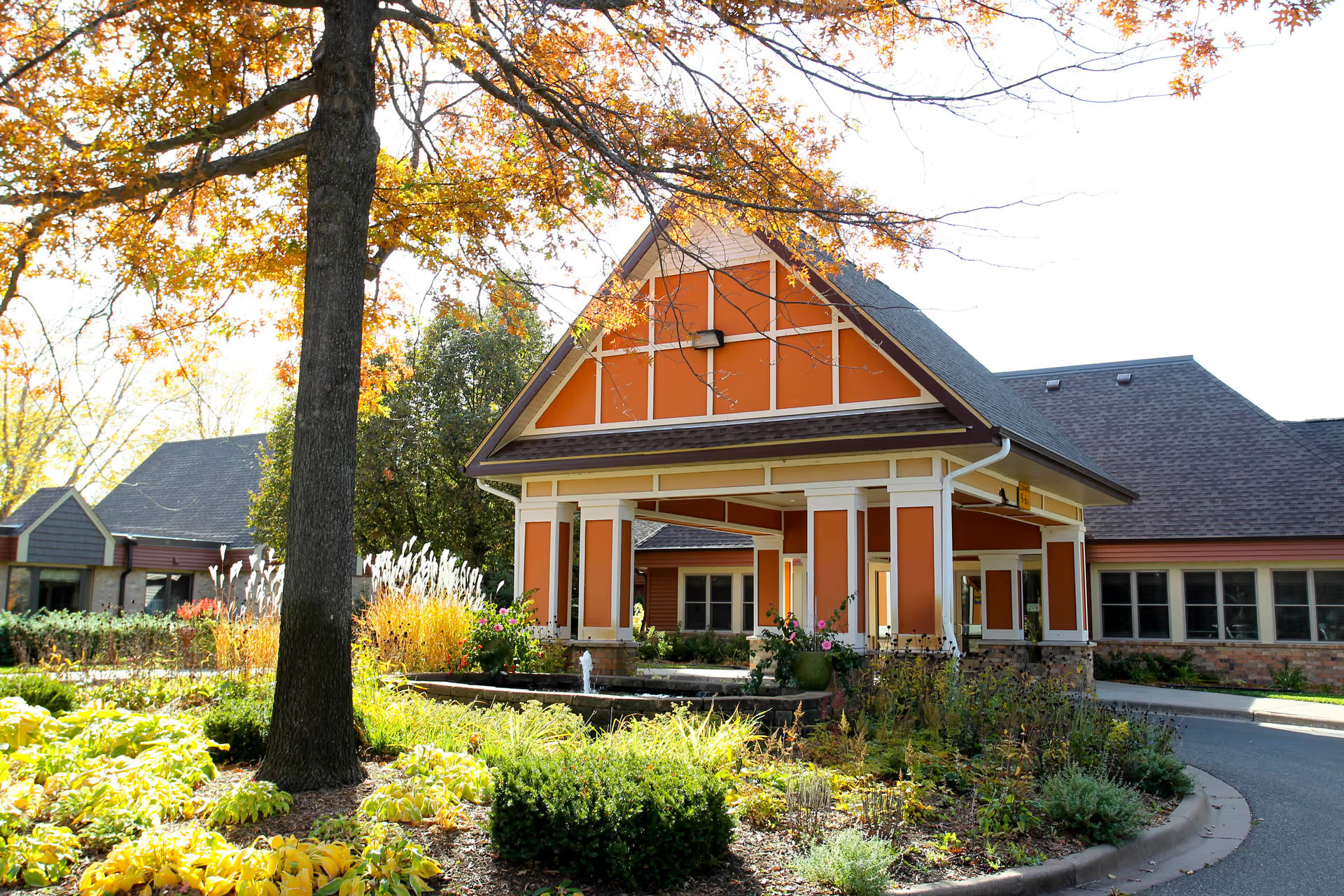
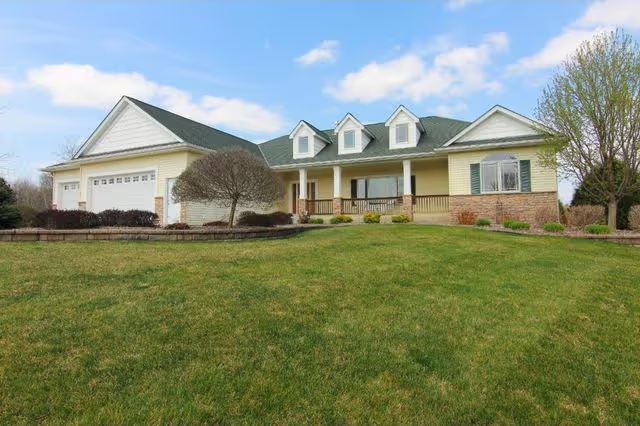
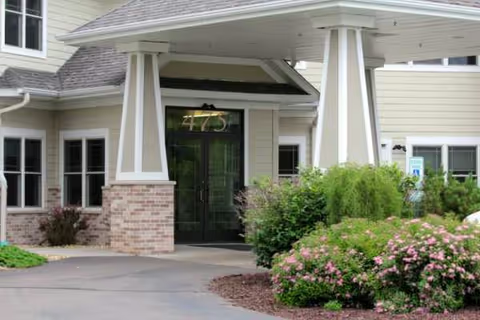
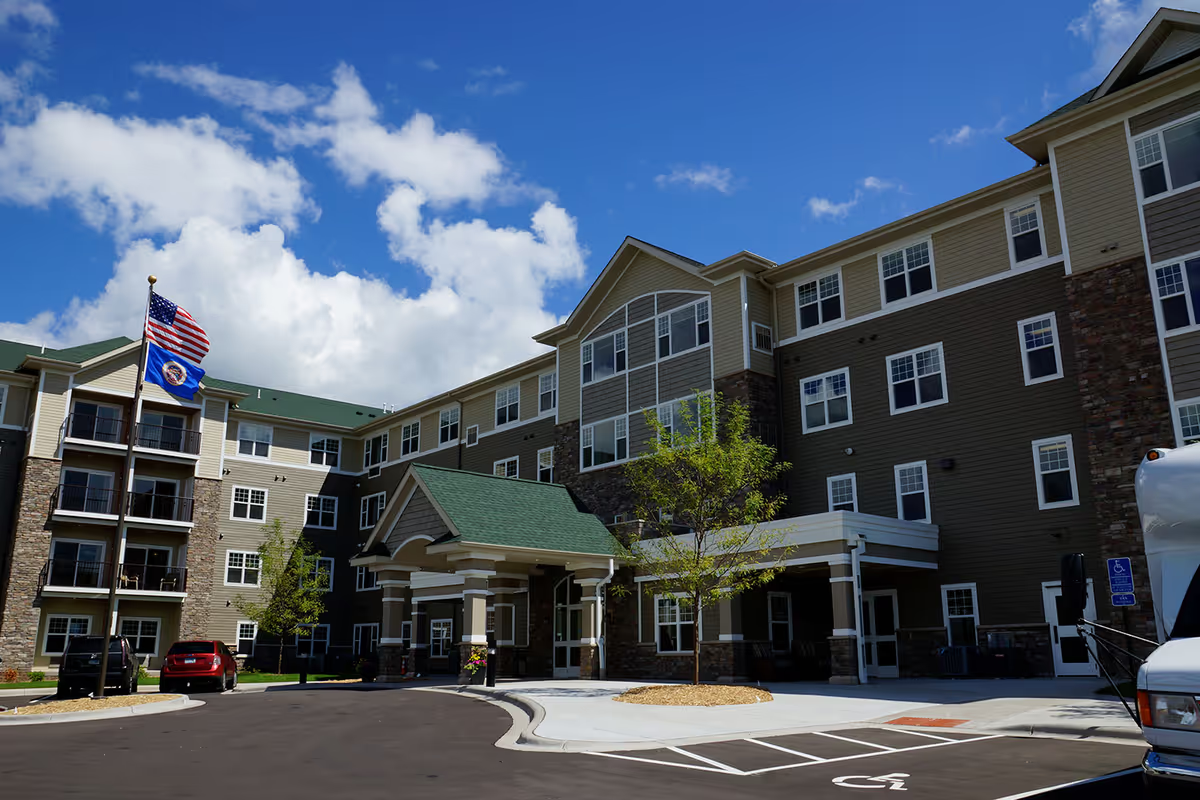
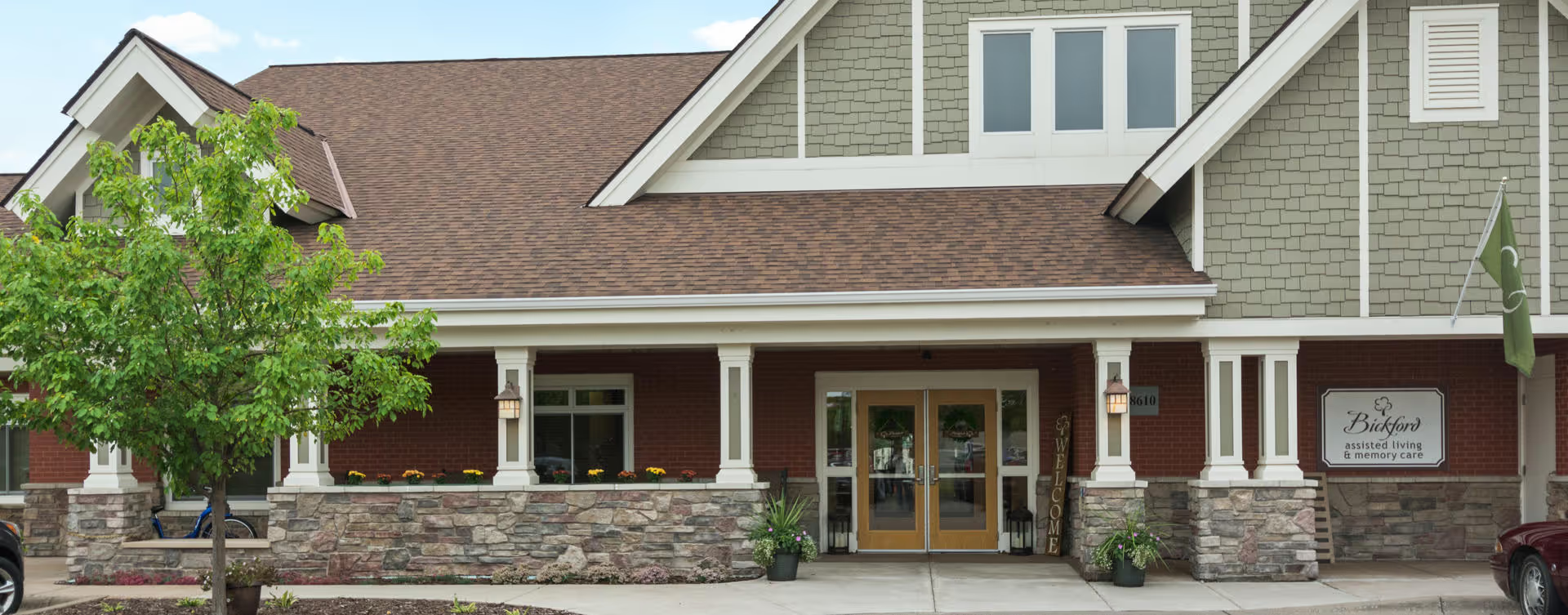
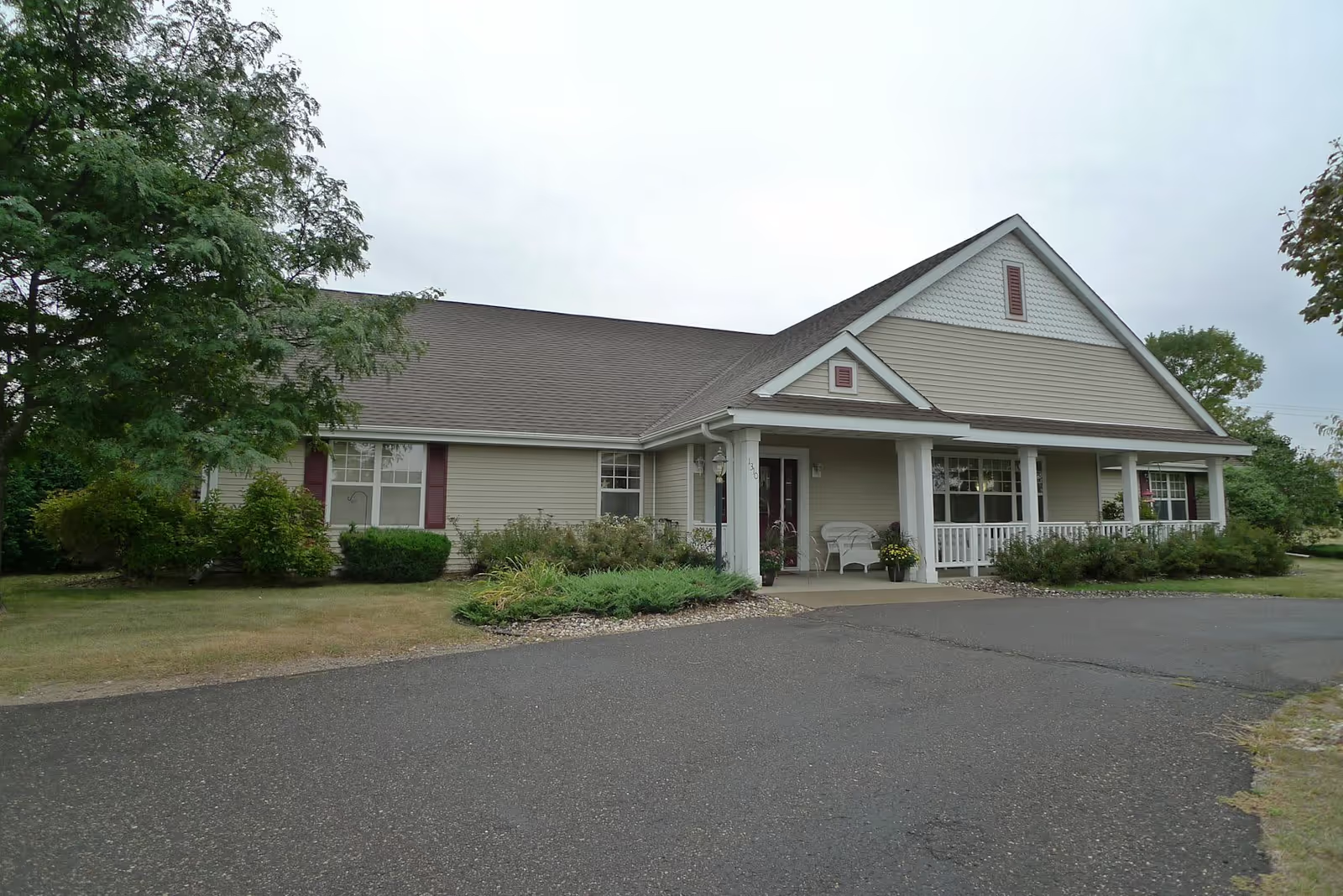
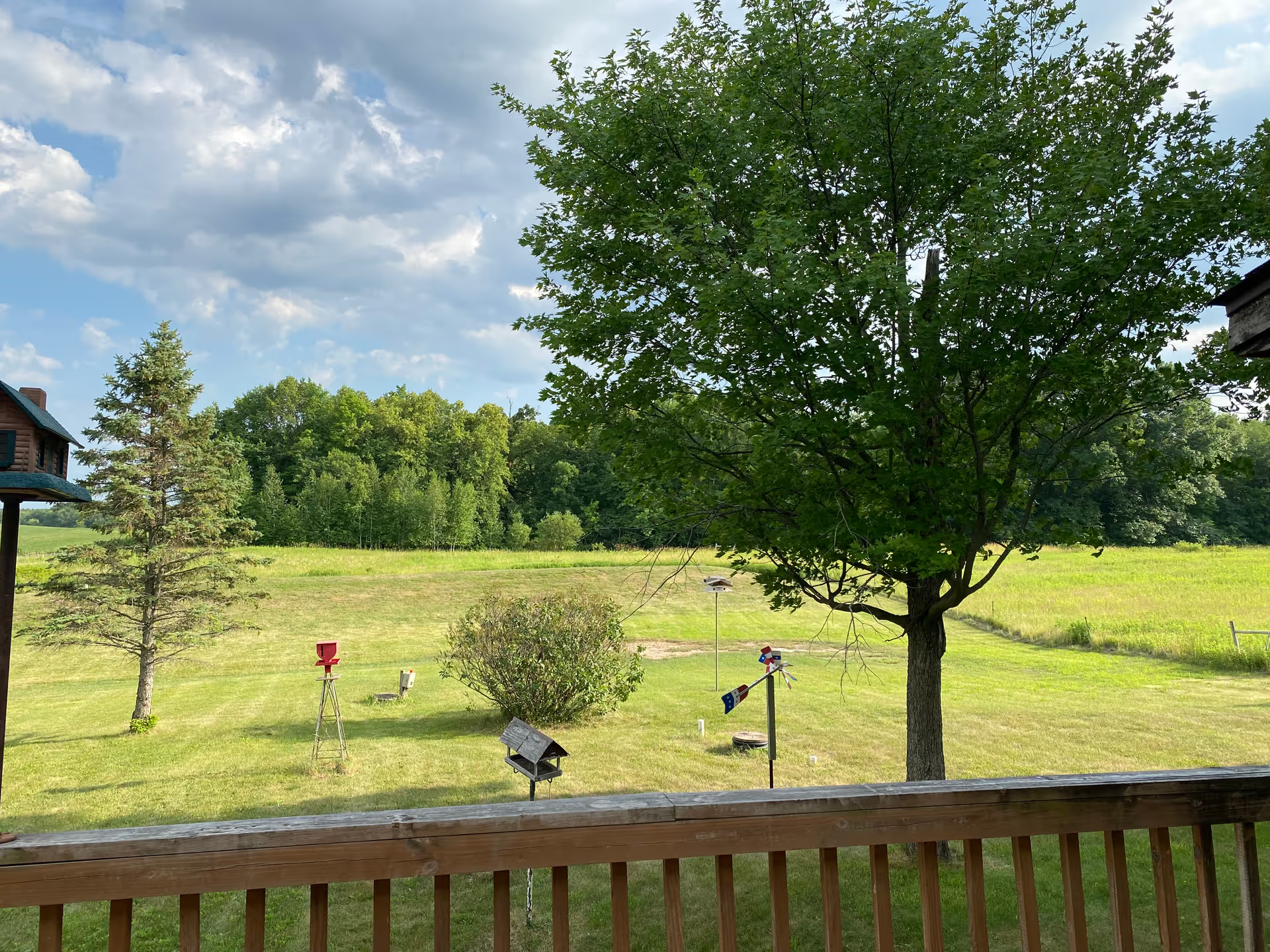
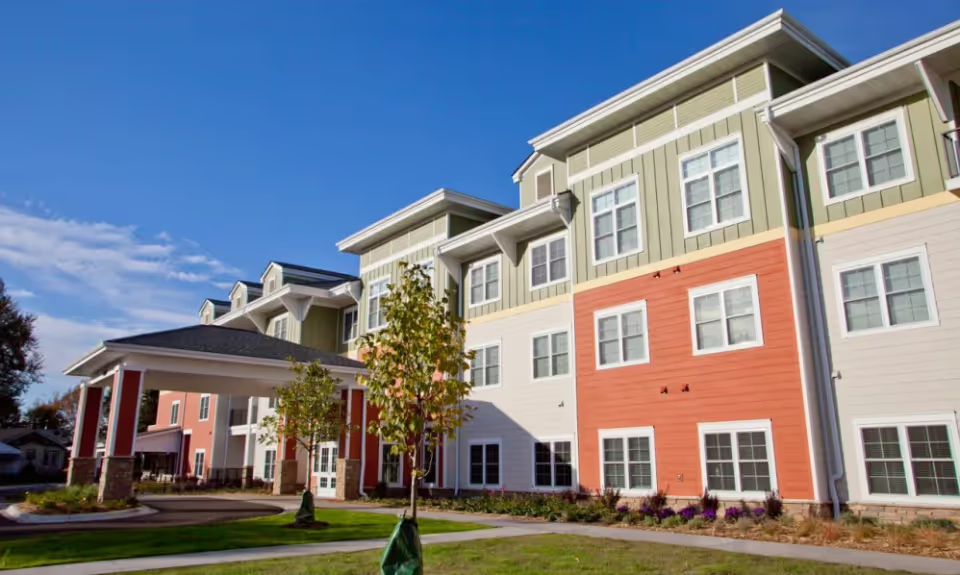
Facilities and cleanliness: The physical environment is often praised as clean, homey, and well maintained, with appreciated outdoor spaces, bird feeders, and seasonal floral arrangements. Counterbalancing those positives are sanitation concerns in some resident rooms and linens and variability in housekeeping consistency. Room sizes are described as small in certain units, and some units lack in-room bathing, which can complicate personal-care routines for residents who require more assistance.
Management and communication: Management is frequently described as accessible and proactive—specific managers were singled out for keeping track of residents’ care and improving staffing. Several reviewers credited recent improvements to active hiring and stronger oversight. Nevertheless, persistent operational weaknesses include appointment coordination and phone-communication gaps, management coverage shortfalls on some shifts, and staff-morale issues that can affect day-to-day service. Families recommend staying involved and advocating for individualized plans, particularly when residents have advanced dementia or complex behavioral needs.
Notable patterns and guidance for families: The pattern across reviews is mixed but informative. For prospective residents, the facility offers a warm, small-scale, dementia-aware setting with active social programming and generally responsive clinical staff. For families of people with advanced cognitive or behavioral needs, important considerations are the facility’s current staffing model, the level of dementia-specific training on duty at a given time, and unit-level differences in activities and housekeeping. Visiting, asking about recent staffing stability, inquiring how the facility manages behavioral escalations, and requesting regular family conferences are practical steps families used to assess fit and to help ensure care consistency.