Overview: Reviews present a mixed picture. Many comments praise direct-care workers, nurses, therapists and support staff for being caring, attentive and competent, and several reviewers highlighted the facility’s dementia care and multidisciplinary support. At the same time, reviewers raised operational and management concerns that suggest variability in day-to-day performance across units and shifts.
Care quality and clinical oversight: Positive accounts emphasize compassionate, hands-on care from aides and a professional nursing and therapy staff. However, there are recurring operational concerns around clinical follow-through: inconsistent use of monitoring equipment, examples of medication-administration problems, and instances where families perceived delays in assistance with meals and personal-care needs. These issues indicate gaps in clinical protocols and oversight that prospective families should clarify with administrators and regulatory records.
Staff and management: Staff-level strengths include engaged, motivated employees and strong teamwork among intake nurses, social workers, therapists and housekeeping. Conversely, reviewers reported high staff turnover and frequent managerial changes; combined with complaints about variable conduct and occasional unprofessional behavior, this points to leadership and retention challenges that affect consistency of care. There are also mentions of regulatory-level problems, which prospective residents should verify through state inspection reports.
Dining and activities: Many reviewers appreciated varied and nutritious meals, while others described inconsistent food quality. Activity programming was described as limited or inconsistent by some families, suggesting the social and recreational offerings may not meet all residents’ expectations. Prospective families may want to review sample menus and weekly activity calendars and ask about how programming is adapted for residents with cognitive impairment.
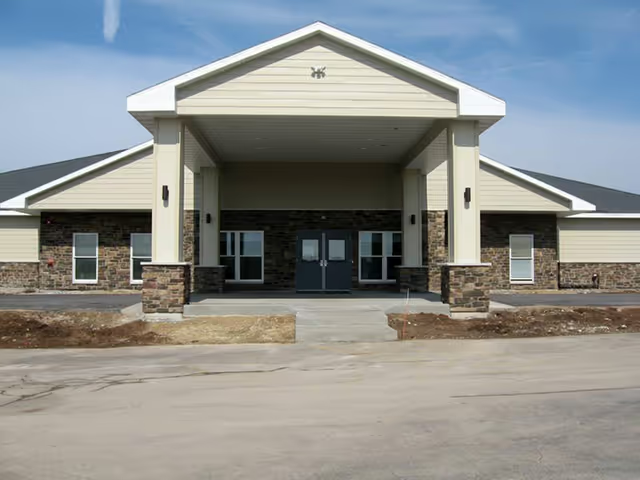
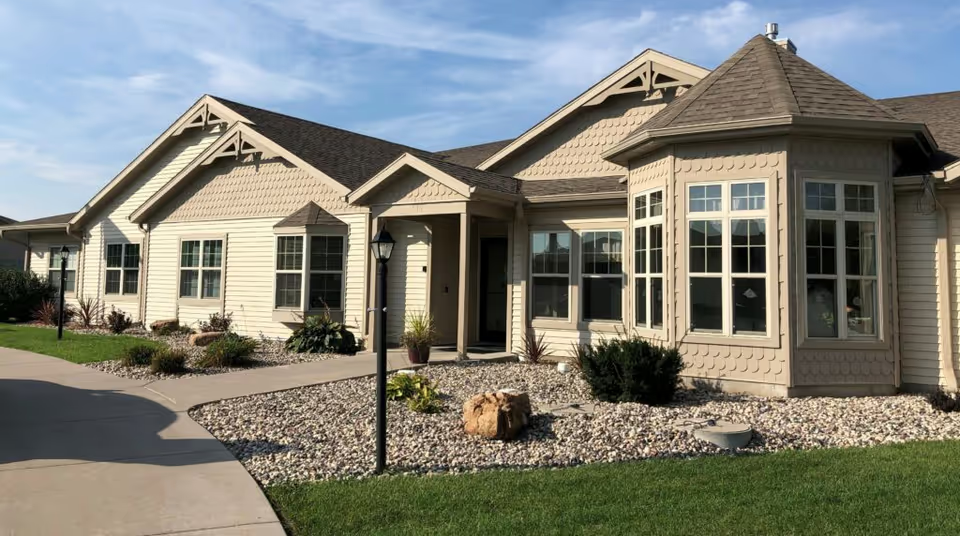
Facilities, cleanliness and security: Comments about the physical plant are mixed. Common areas and housekeeping received praise in some accounts, while room-level cleanliness and dated décor were criticized in others. Security and privacy procedures were also flagged; there are allegations of theft and concerns following a resident’s death about privacy handling and investigative follow-through. These raise questions about unit-level cleanliness standards, property controls, and post-incident policies.
Notable patterns and guidance: The dominant pattern is high variability—strong, compassionate staff and some effective clinical services coexist with operational weaknesses tied to staffing stability, clinical protocol consistency, regulatory compliance, and day-to-day housekeeping. Families touring the facility should ask specifically about staff turnover and retention strategies, staffing ratios by shift, medication-safety protocols, use of monitoring equipment, recent state inspection results, incident investigation procedures, and how activities and dining are tailored to resident needs. Verifying these items in writing and speaking with current families can help clarify whether the facility’s strengths align with an individual resident’s priorities.