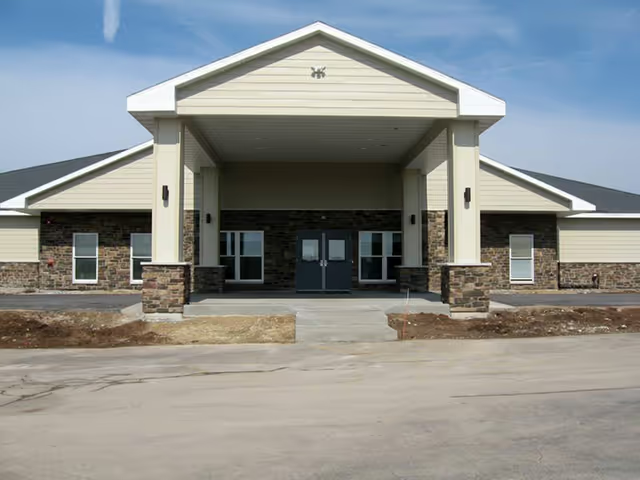
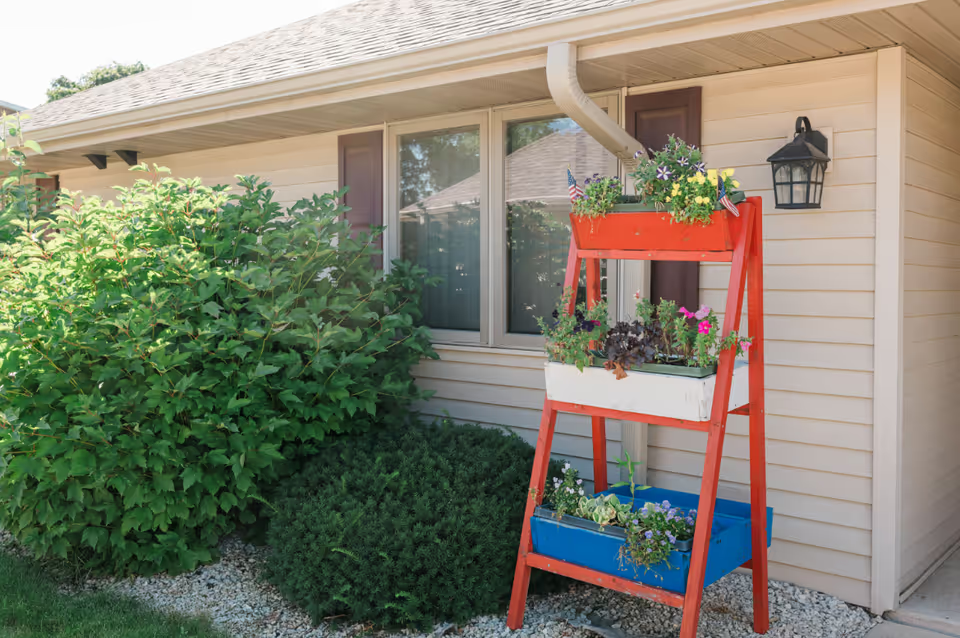
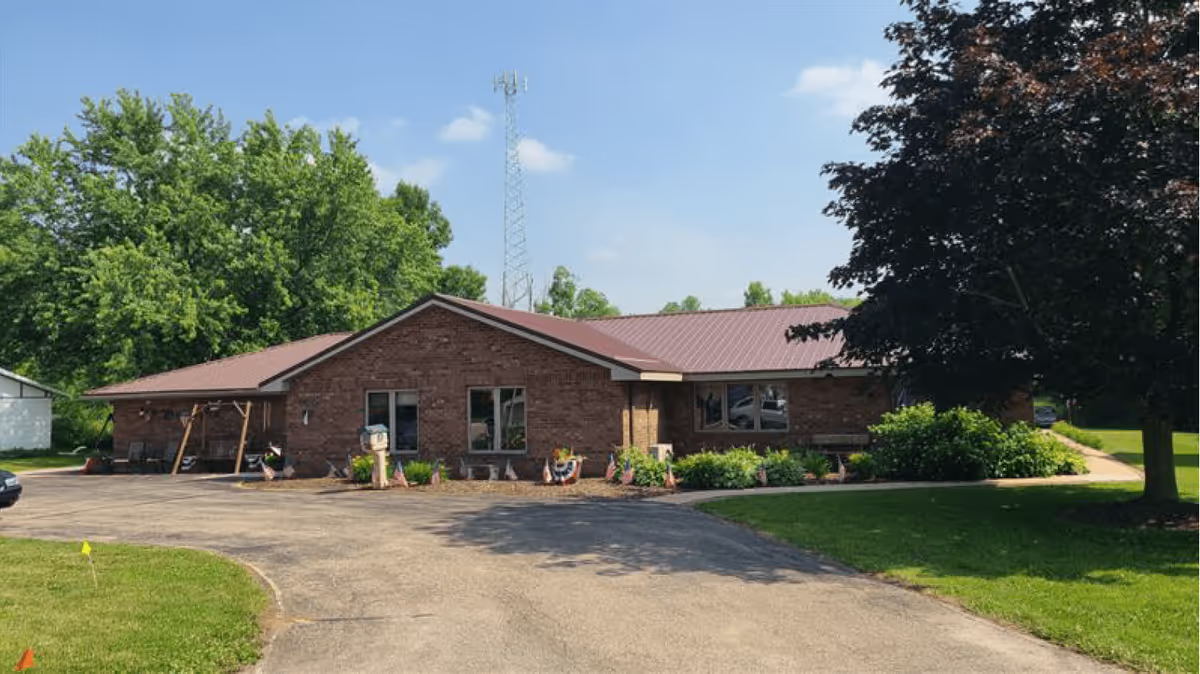
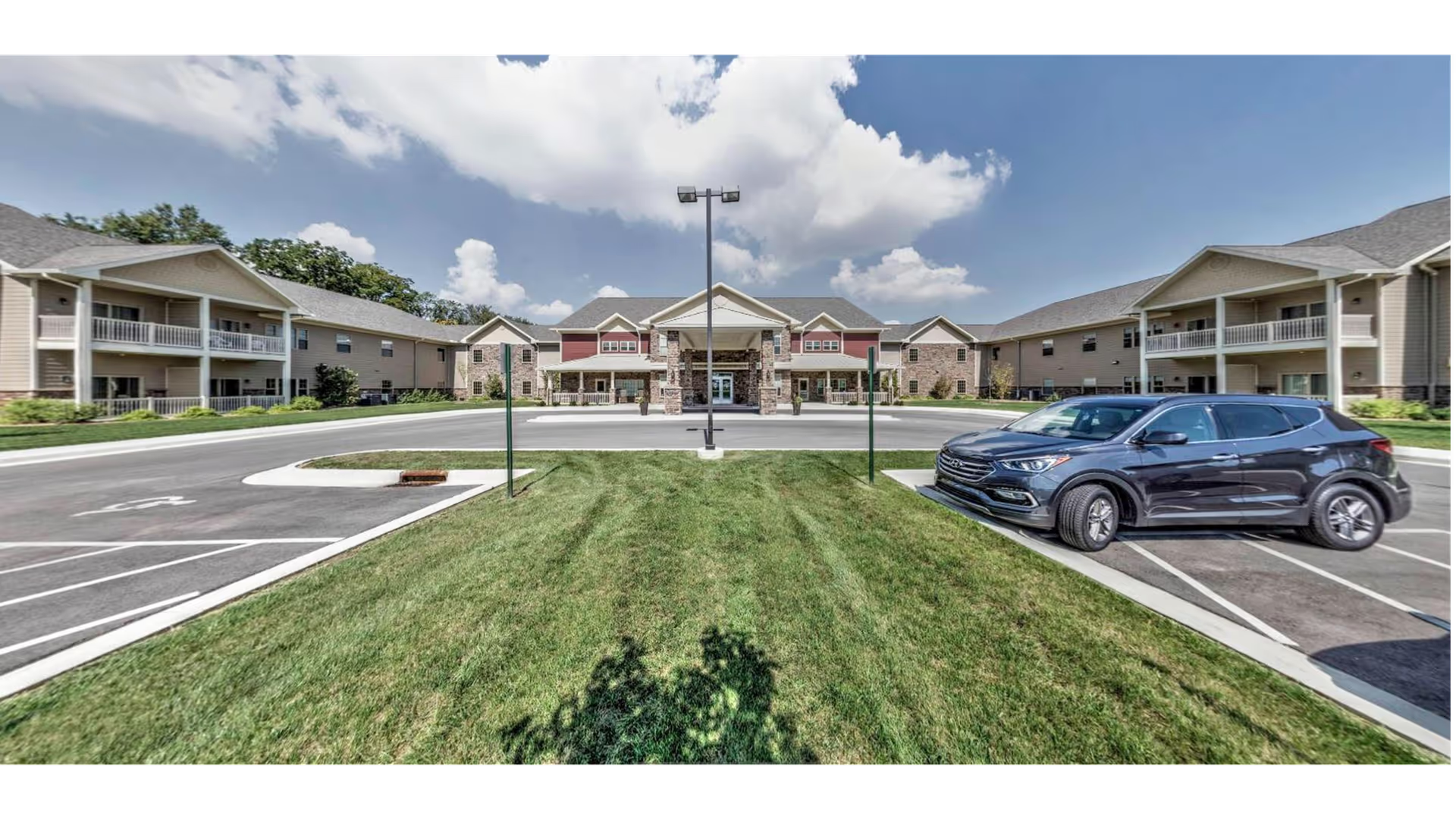
The collection of summaries presents a mixed but clear pattern: the facility is consistently praised for its caregiving staff, community atmosphere, activities, and amenities, while operational consistency and dementia-specific care attract concern. Many families emphasize that front-line caregivers and leadership provide compassionate, attentive support and foster a family-like environment. Positive comments highlight knowledgeable and friendly staff, an accessible director, strong communication when it occurs, and practical features such as an inviting bistro, library, fireplaces, and generally well-kept common areas.
Care quality receives two contrasting themes. On the positive side, reviewers describe attentive caregiving, smooth move-ins, reliable follow-through from management in many cases, and activities staff who create meaningful daily programs and organized outings. These strengths contribute to residents feeling safe, engaged, and connected. Conversely, several summaries raise operational concerns specific to memory care: inconsistent responsiveness to care needs, perceived gaps in dementia-specific care protocols, and examples suggesting lapses in incident follow-up (notably after falls). Staffing turnover and inconsistency are cited as contributing factors to variable care experiences.
Facilities, dining, and activities are frequently noted as highlights. The campus amenities — bistro, library, cozy common spaces, and organized social events including recitals — are described positively and appear to support resident engagement. At the same time, housekeeping and laundry emerge as operational weak points: there are accounts of inconsistent cleaning standards and instances of lost or damaged clothing during laundry processing. Those issues have sometimes been addressed by management through reimbursements or corrective actions, indicating responsiveness in specific cases but also revealing a need for more consistent process control.
Management and communication show a mixed picture. Several families applaud visible, engaged leadership and examples of effective communication and remediation when concerns are raised. At the same time, there are notes about billing disputes and charge-reconciliation issues that have required director intervention. Taken together, the pattern suggests a facility with strong interpersonal strengths — committed staff and engaging programming — but with important operational gaps in consistency, dementia-specific protocols, incident response, laundry/housekeeping processes, and billing practices. Prospective residents and their families should plan to ask specific questions during tours about dementia-care staffing and training, fall-response procedures, laundry safeguards, housekeeping schedules, and billing policies to assess how current operations align with their expectations.