Overall impression: Reviews portray Primrose Retirement Community of Appleton as a high-quality, well-kept residence with a strong emphasis on person-centered, family-style care. The dominant themes are the staff’s compassion and attentiveness, a wide range of social and wellness programming, restaurant-style dining, and attractive, well-maintained common spaces. Many families and residents emphasize a warm, community-oriented culture and describe the location as providing peace of mind.
Care and staff: Care quality is frequently described as a strength. Staff are characterized as kind, respectful, and knowledgeable; they are said to know residents by name and to provide supportive, attentive assistance. Memory-care services and partnerships with hospice providers are specifically noted. Reviewers highlight smooth transitions from independent to assisted living and positive end-of-life support. At the same time, there are indications of turnover among leadership and clinical staff; prospective families should inquire about current staffing stability and clinical leadership continuity.
Dining: Dining is a consistently positive element. The facility offers restaurant-style service with homemade meals and desserts, themed and international menus, and responsiveness to resident menu feedback. Multiple reviewers praised quality and variety. A few comments point to limitations in being able to sample food before moving in, so tour planning that includes a meal or tasting may be advisable.
Activities and social life: The activity program is broad and active, with daily exercise classes, weekly religious services, movie screenings, music and performance events, regular happy hours and a pub area, and special celebrations such as Oktoberfest. Reviewers describe a strong sense of community, frequent opportunities for social engagement, and programming aimed at mobility and cognitive engagement.
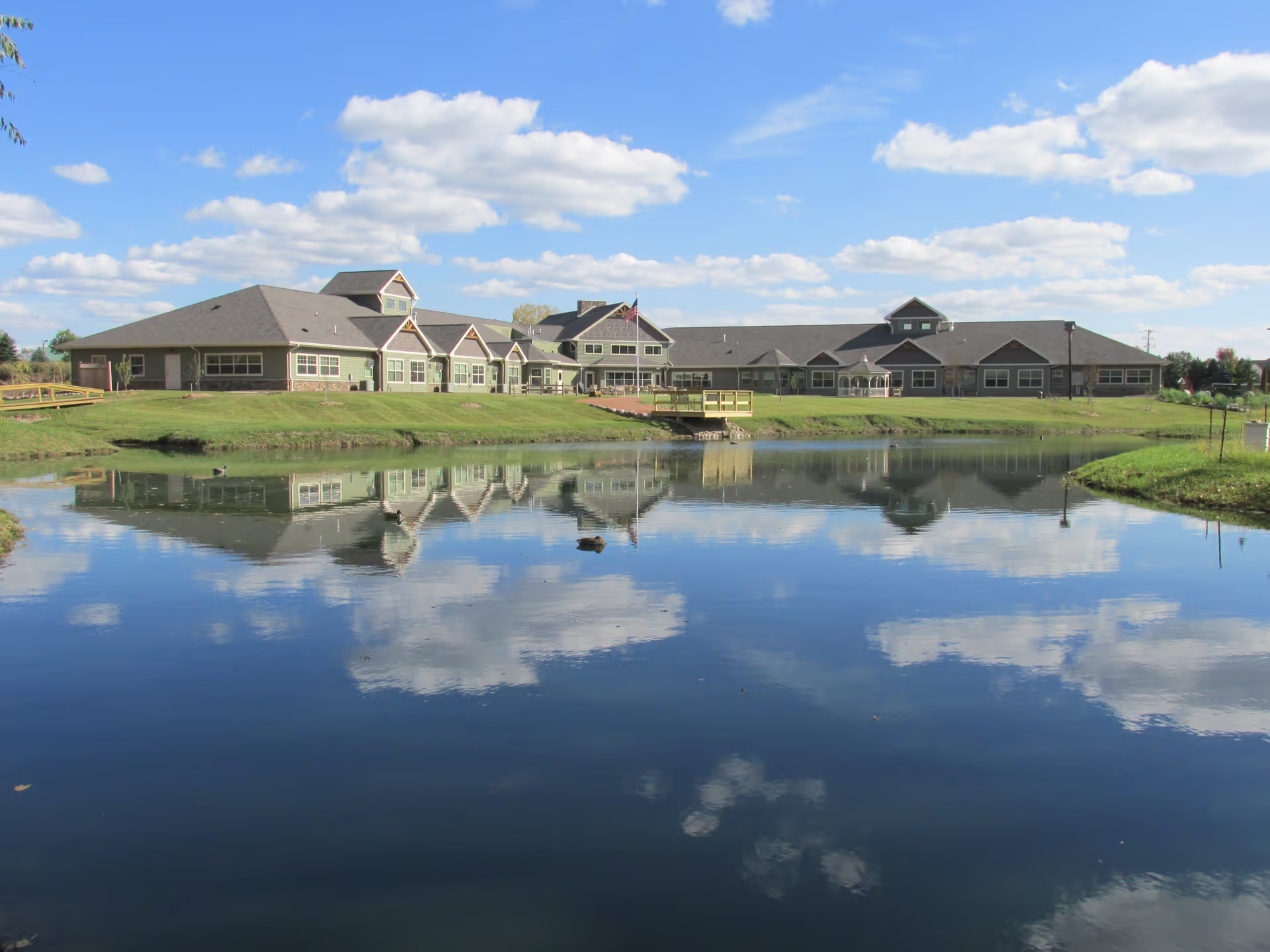
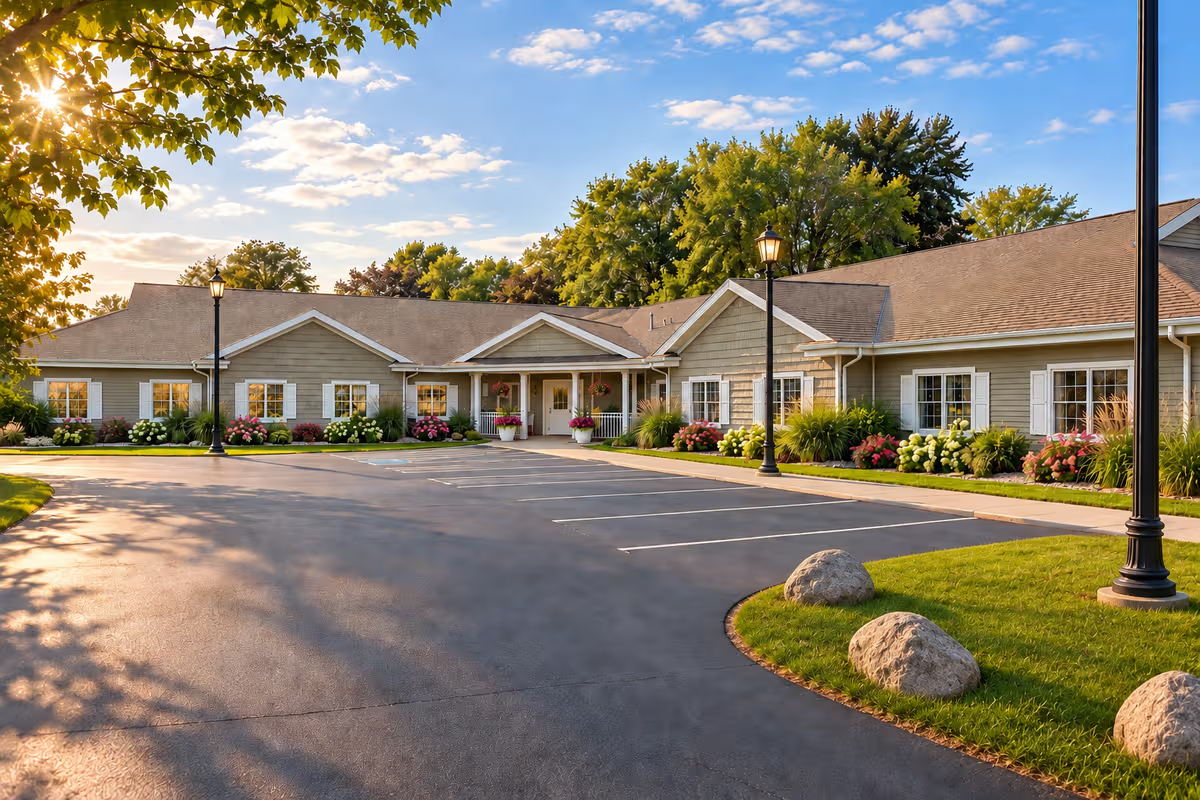
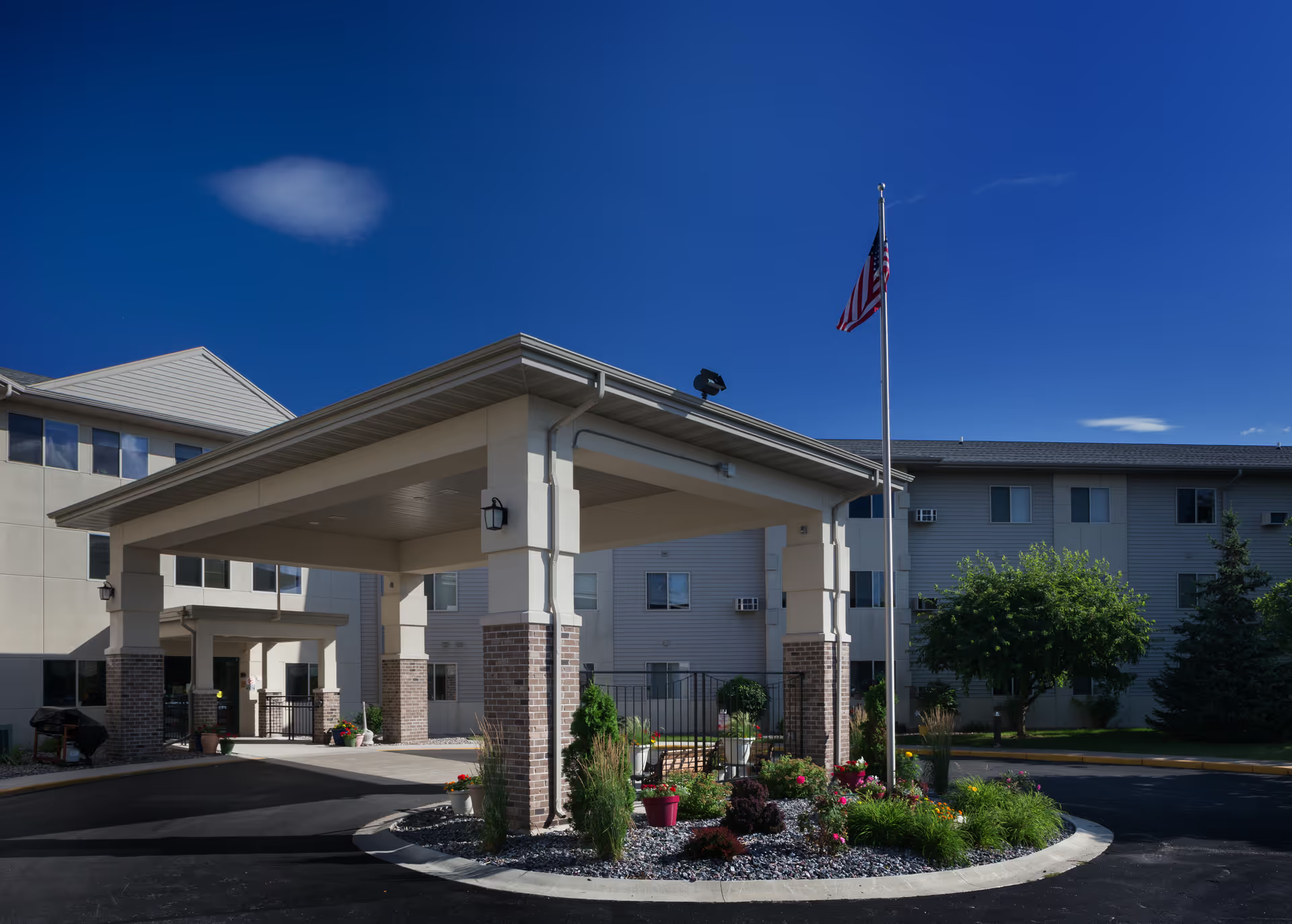
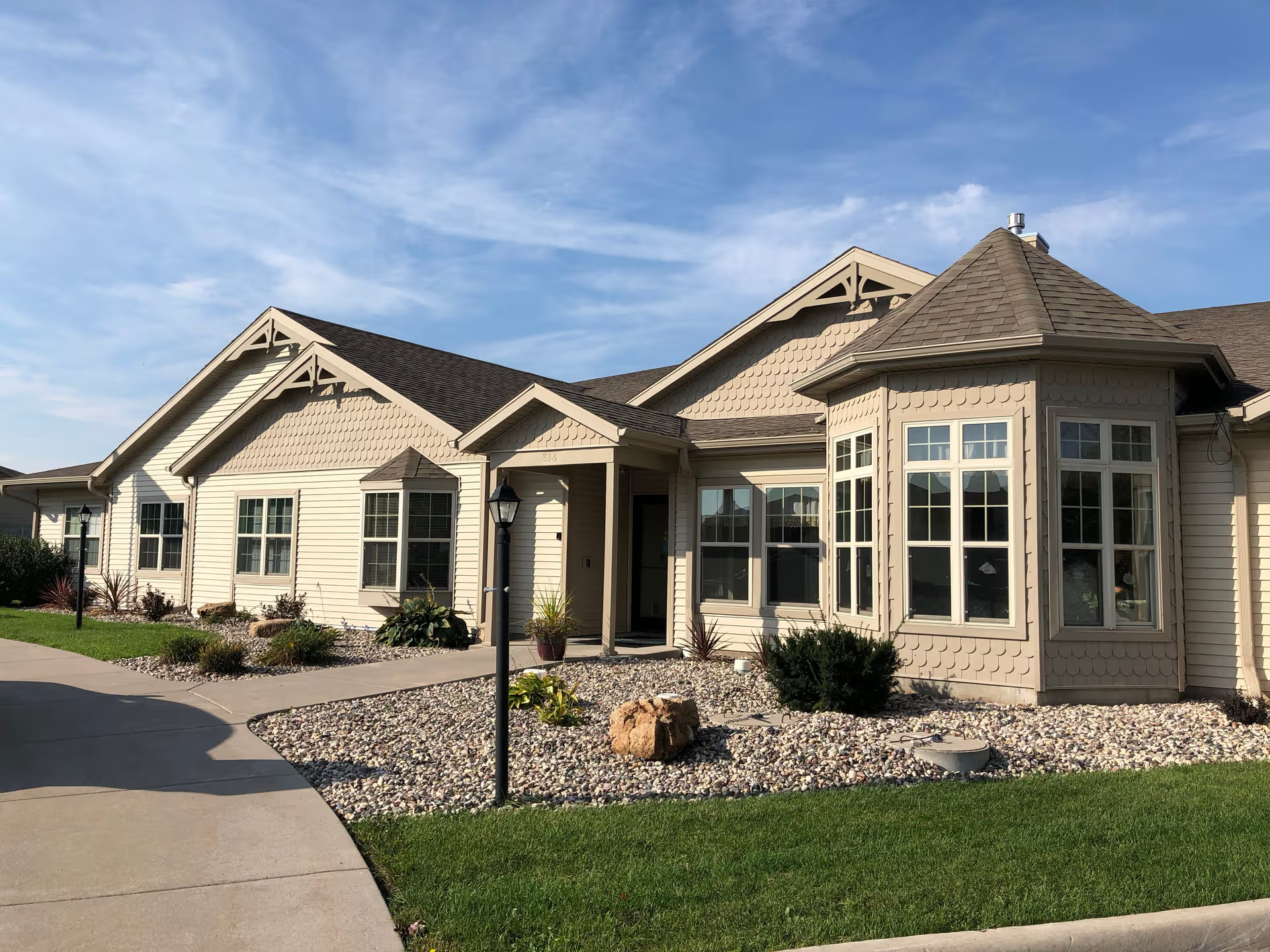
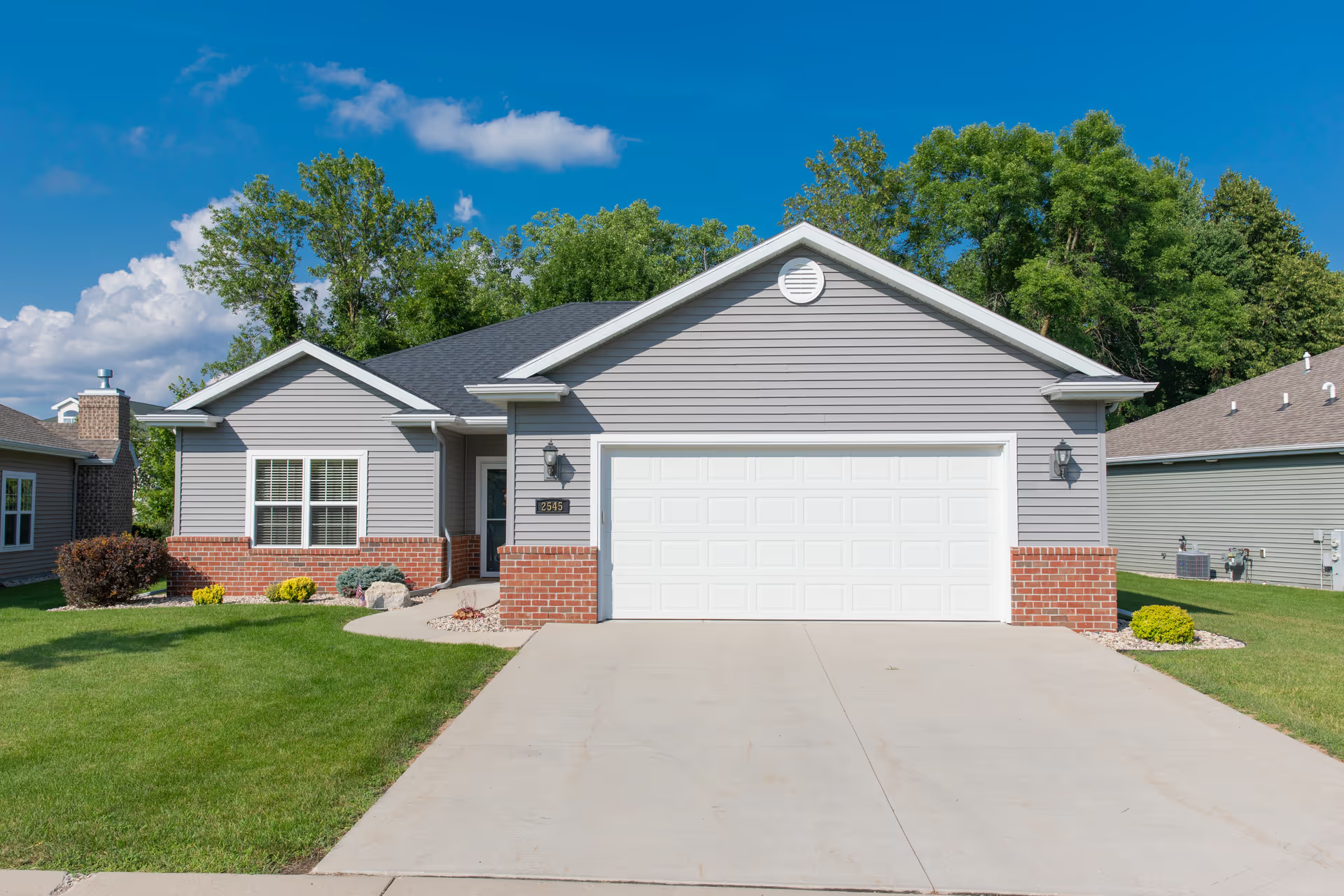
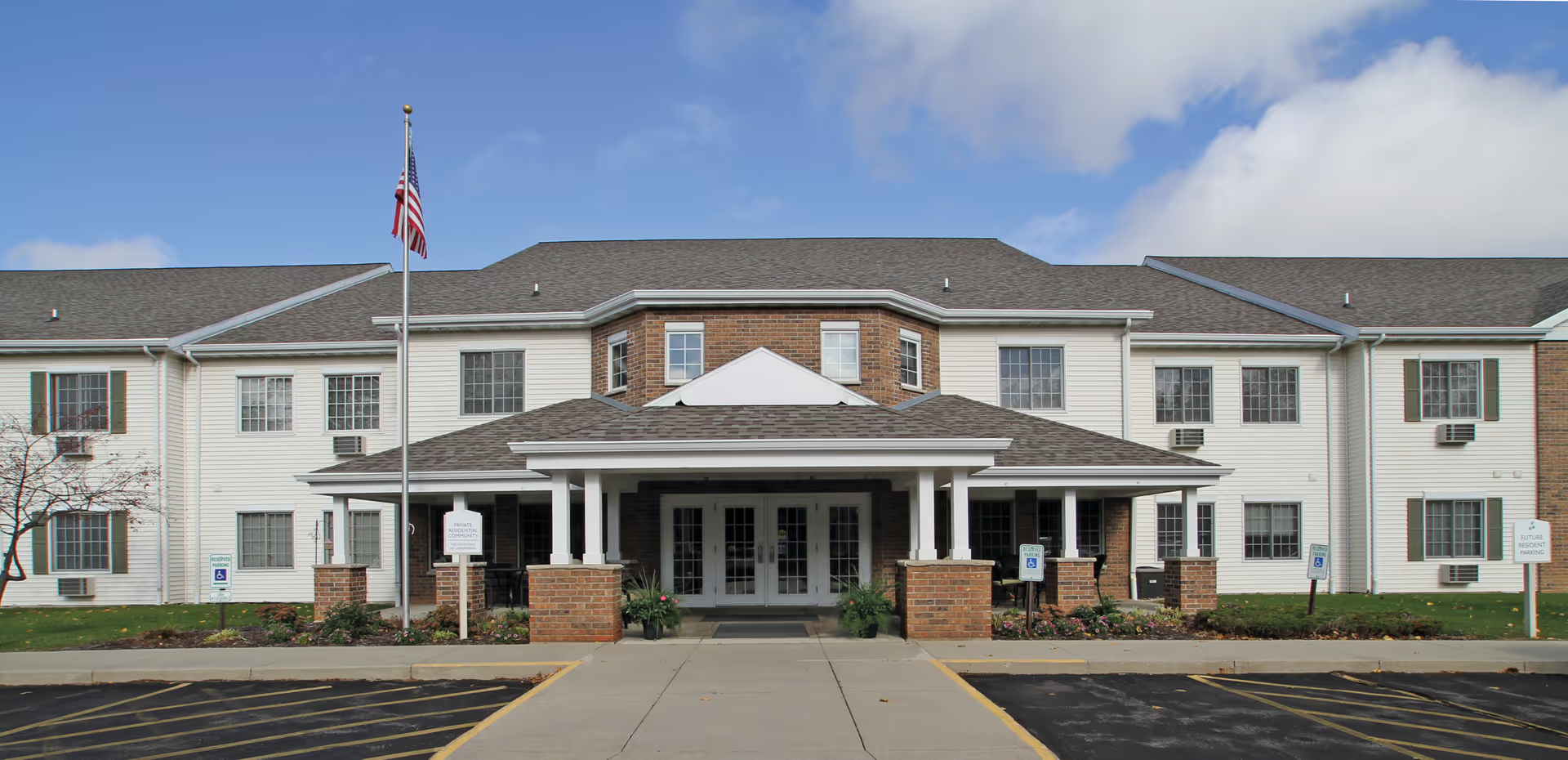
Facilities and apartments: The physical environment is described as attractive, clean, and well-maintained, with amenities including a chapel, theater, beauty salon, exercise room, and inviting common spaces and landscaping. Apartments are generally described as spacious and bright, with some units offering washers/dryers; however, there are occasional comments about variability in layout and missing storage elements (for example, coat closets or pantries) in certain units. Touring specific unit types to confirm storage and finishings is recommended.
Management and operational patterns: Management and administrative interactions get mixed feedback. Many reviewers praise proactive communication methods (including family calls and electronic coordination) and positive impressions of recent leadership changes. Conversely, others described friction during contracting and move-in, and a small number of comments raised concerns about management transparency or communication tone. These items suggest that while day-to-day resident experience is strong, administrative processes and leadership continuity merit direct questions during the tour and contract review.
Notable patterns and guidance: The overall pattern is strongly favorable for clinical care, social programming, dining, and the campus environment. Common caveats center on administrative/contract processes, occasional leadership turnover, and unit-by-unit variability in apartment features. Prospective residents and families should prioritize an in-person visit that includes meeting care leads, sampling a meal if possible, reviewing current staffing and clinical leadership stability, and confirming apartment storage/finishings before signing agreements.