Overall impression: Reviewers commonly describe Dimensions Living Appleton as a clean, well-maintained, community-oriented assisted living with a family-like atmosphere. The site is praised for its apartment-style living—many units include kitchenettes or full kitchens and full bathrooms—and a dining program that emphasizes restaurant-style service and multiple entrée choices. The campus offers a range of onsite amenities (beauty salon, chapel, community rooms) and accessible features such as an underground parking garage and wheelchair access, which many families found convenient.
Care and staff: Caregiving staff receive frequent commendation for compassion, attentiveness, and resident familiarity; reviewers cite named staff members and consistent, personal interactions. The memory-care unit is highlighted as a particular strength, described as well-run and secure with specialized activities. Therapy and rehabilitation services are available (therapy sessions multiple times per week and free rehab-care evaluations to determine care level), which is a practical asset for residents with changing needs. At the same time, reviewers describe operational patterns that affect care delivery: intermittent understaffing, especially during some shifts, variability in staff training and experience, and inconsistent engagement on evening shifts. These issues have manifested as delays in responsiveness and uneven quality depending on time of day or the specific staff on duty.
Dining: Dining is a frequently cited positive: many reviewers note high-quality, home-style meals, generous portions, and an elegant dining setup. The restaurant-style approach and menu choices are seen as strengths. However, there is also recurring feedback about variability—some families noted limited menu variety at times, portion-size inconsistencies, specific meal-timing problems (for example, early supper times), and occasional requests for menu upgrades. Prospective residents should confirm the current meal plan, portion policies, and any nominal meal fees or ala carte charges.
Activities and social life: The community maintains an active and diverse calendar: bingo, happy hour, live entertainment, church services, hobby groups, therapy-dog visits, bus outings (seasonal drives, shopping, fishing trips), and resident councils. Reviewers consistently describe engaged residents and an energetic activity director; the program appears strong and contributes to residents’ social involvement and satisfaction. Some limitations were noted in weekend programming and participation levels among certain residents, which may reflect personal ability or scheduling rather than program absence.
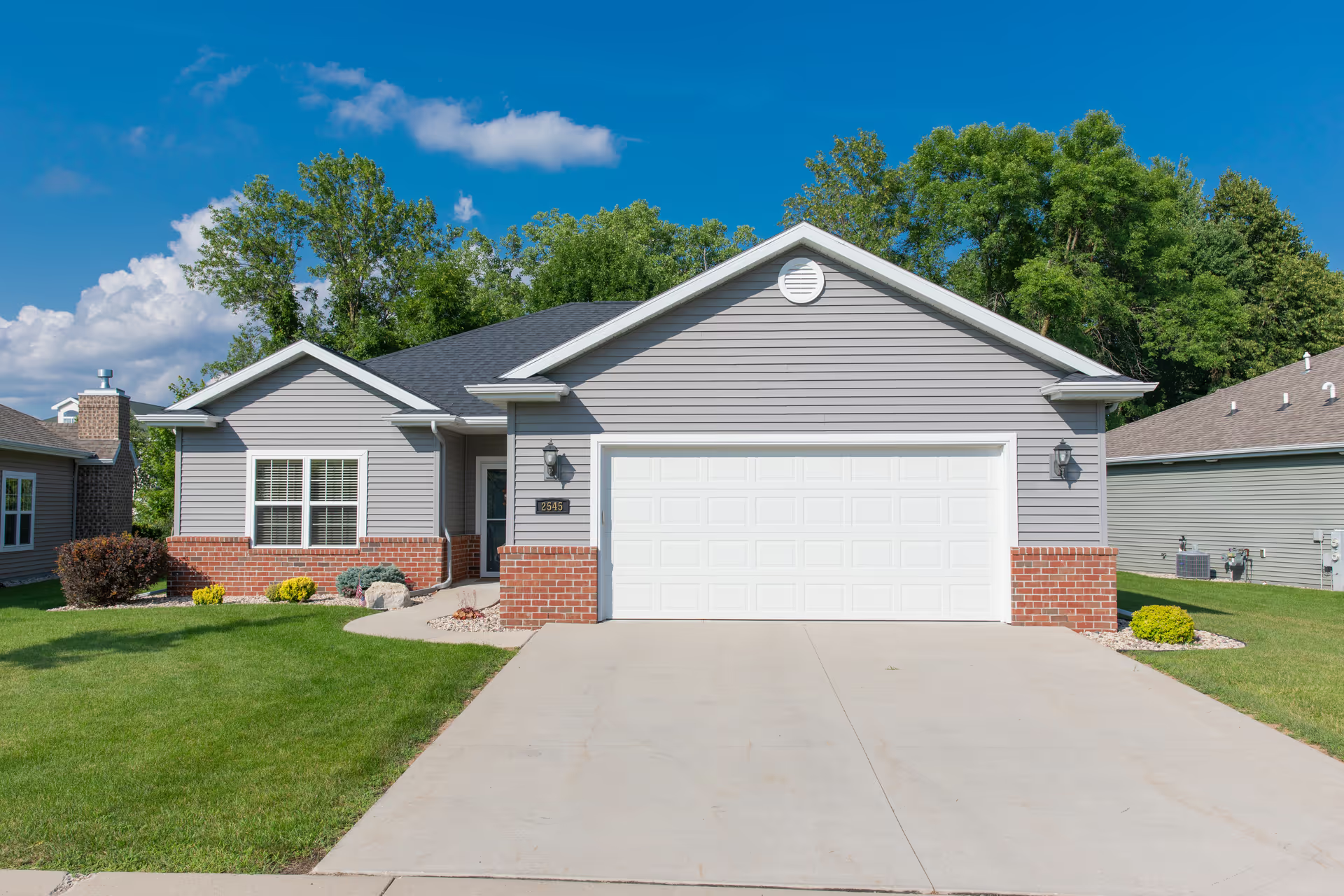
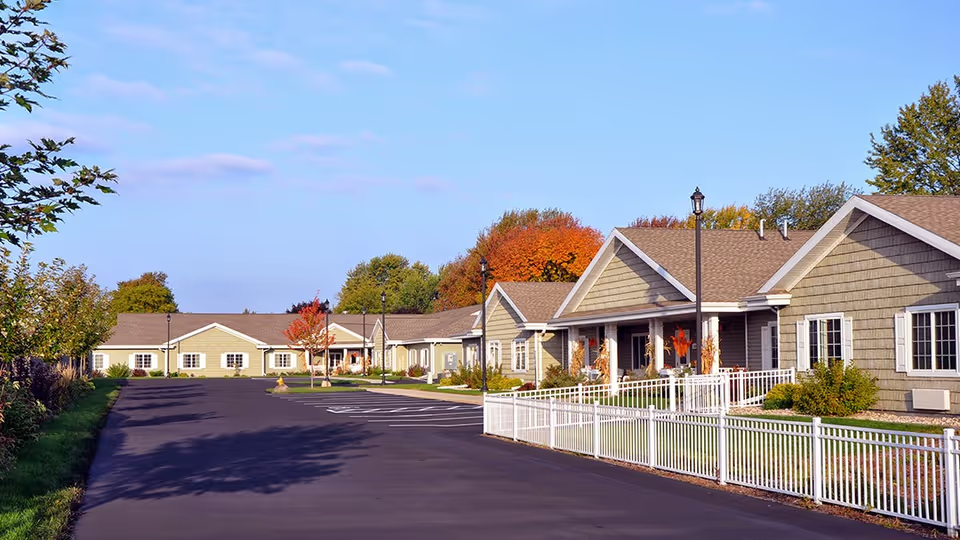
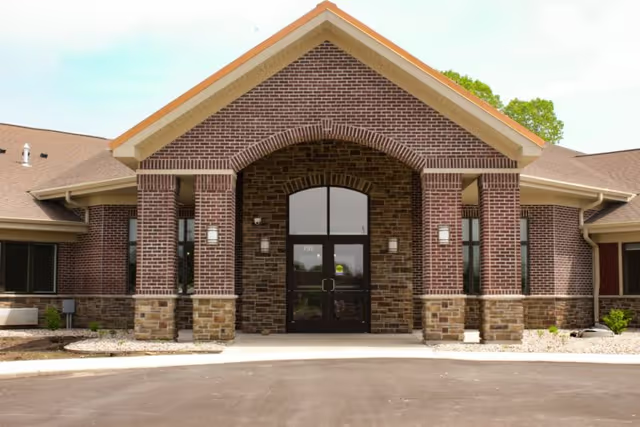
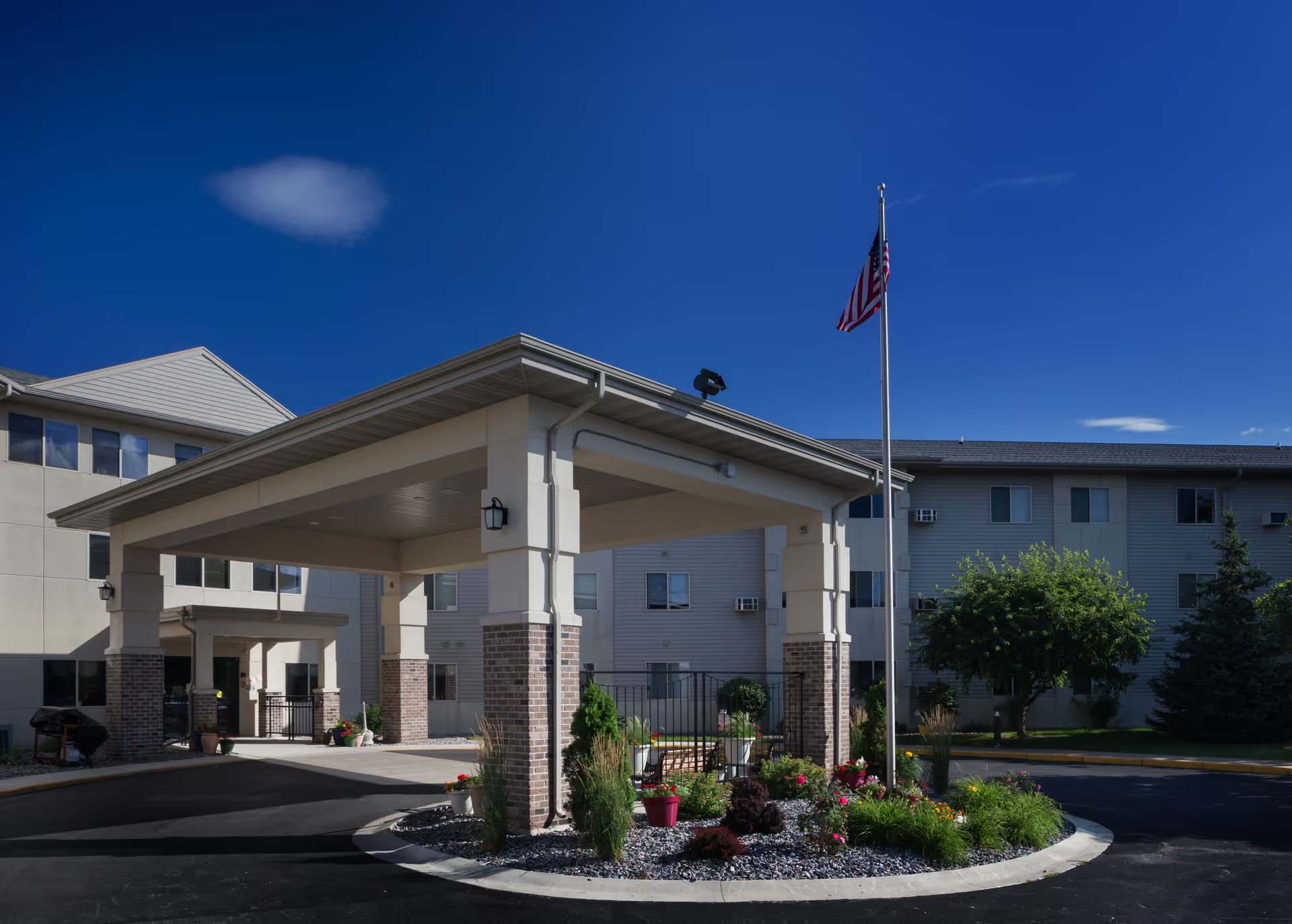
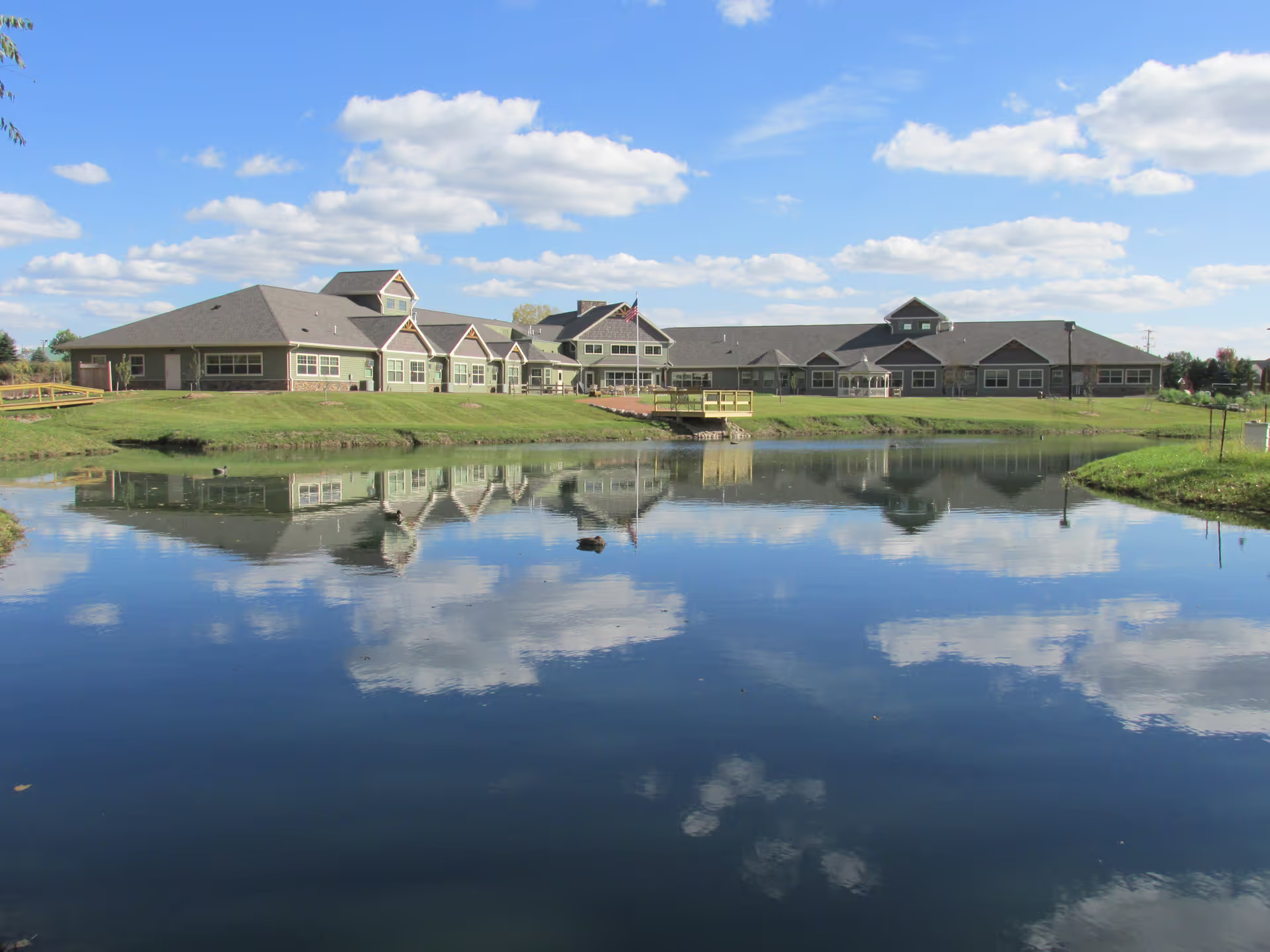
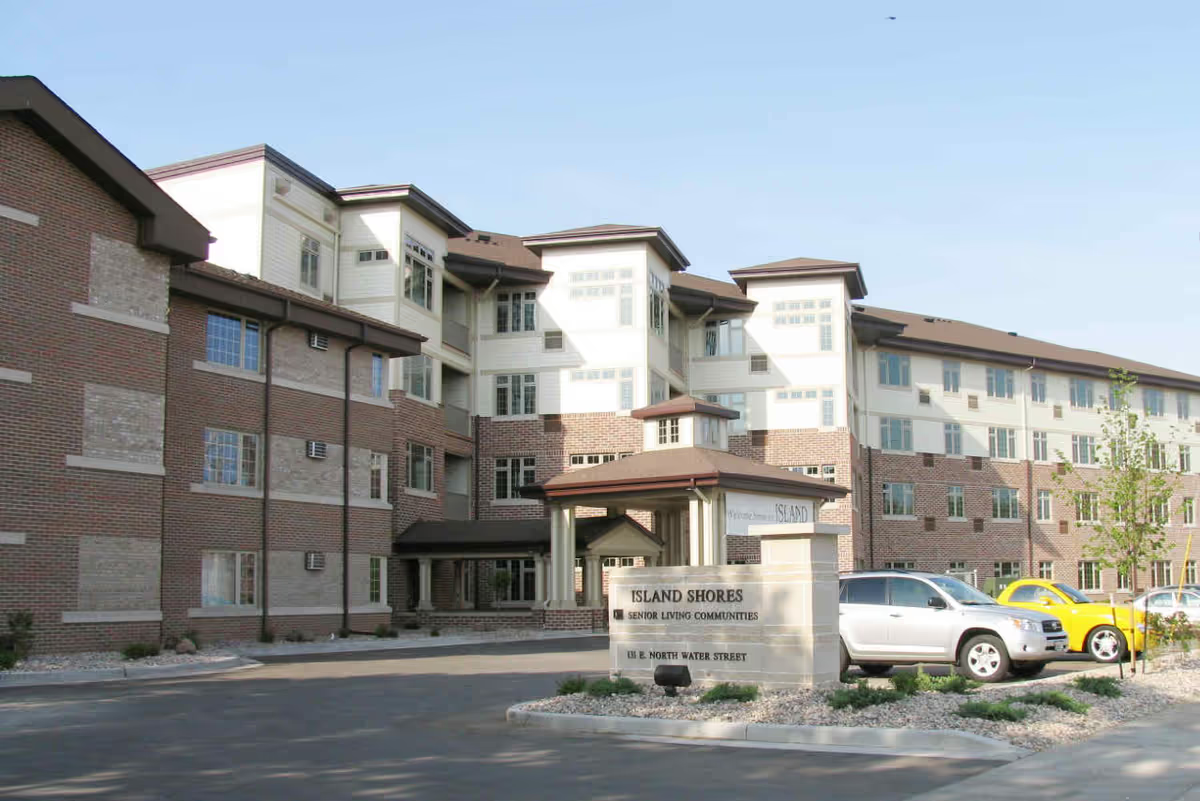
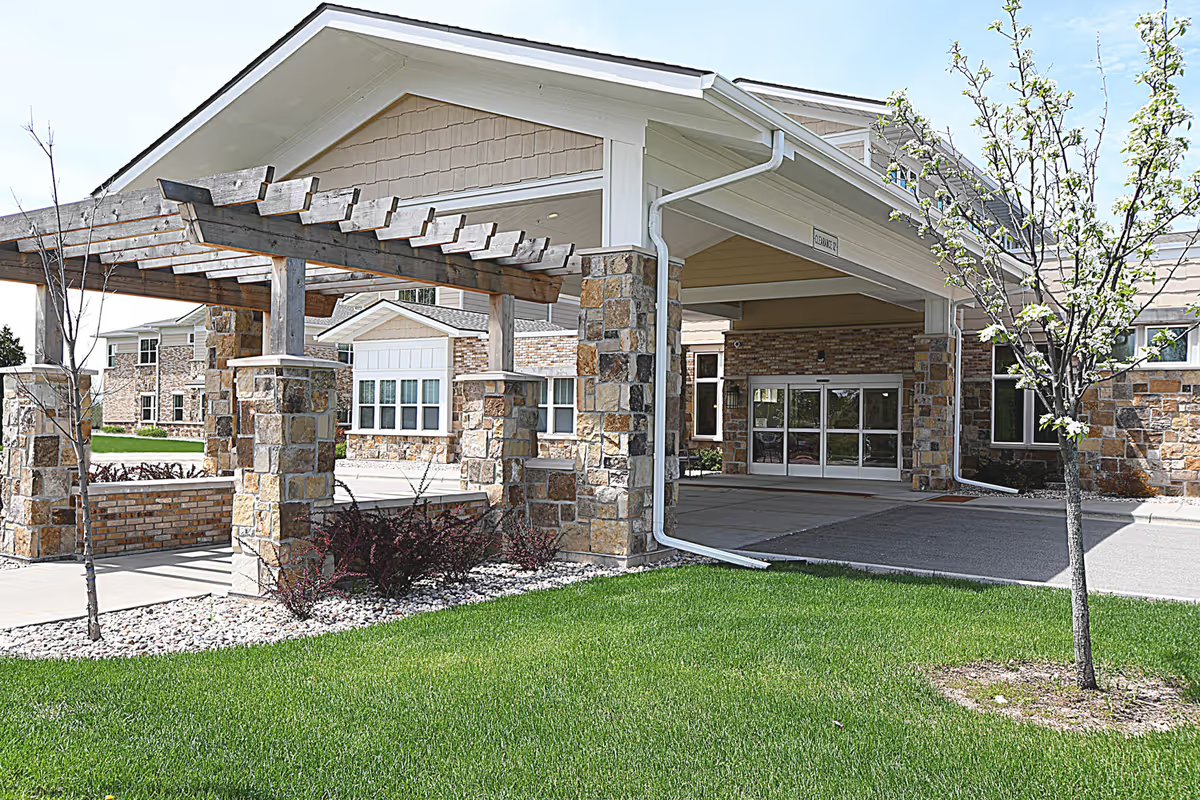
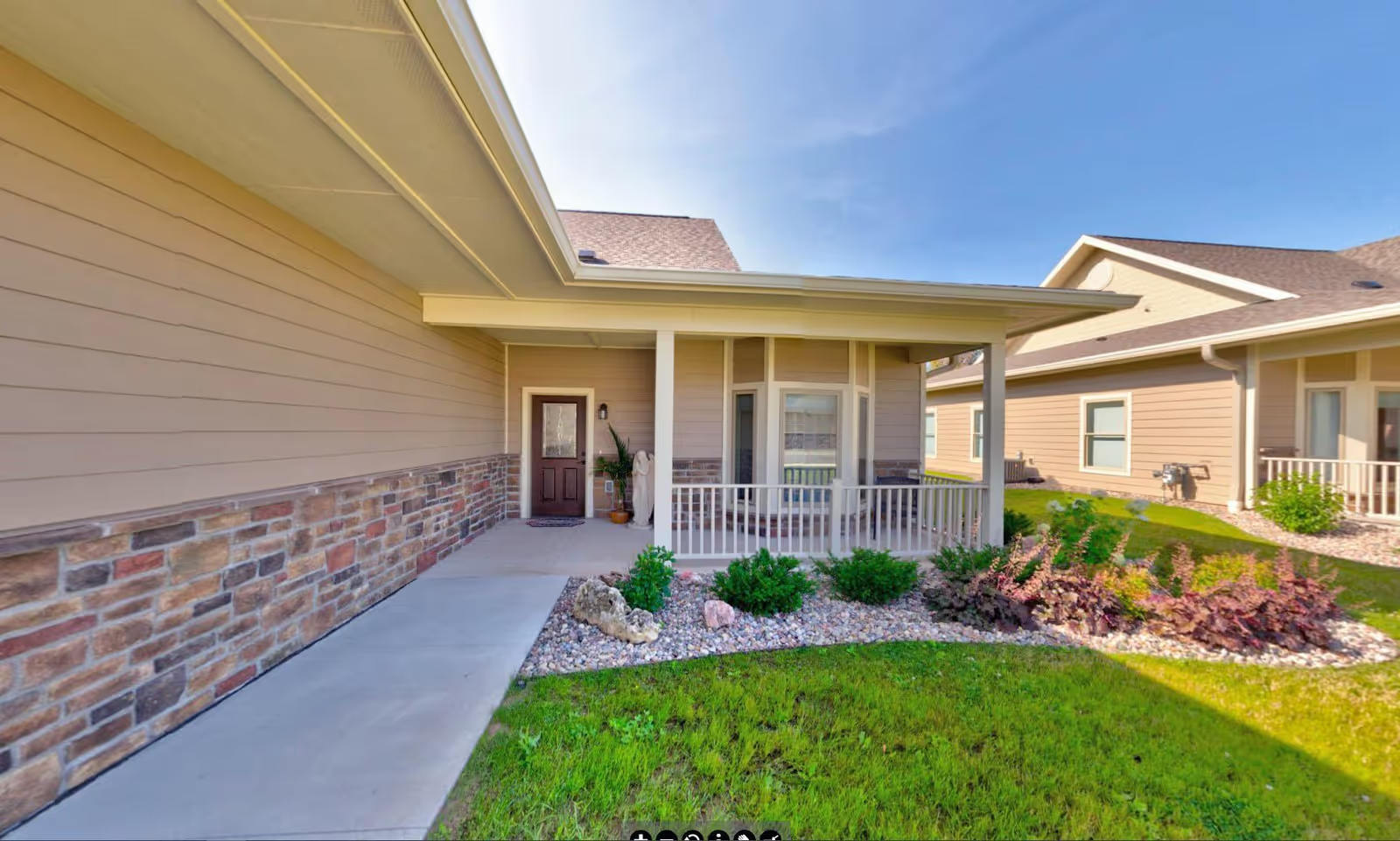
Facilities and accommodations: Physical spaces are generally described as clean, attractive, and well cared for, with enclosed patios and secure outdoor spaces for memory care. Unit sizes vary: many residents enjoy spacious, sunny apartments, while memory-care rooms and some studios are compact. Parts of the building are older and may show dated finishes or layout inefficiencies (long internal walks to dining in some wings). Parking capacity and the community’s location relative to shopping or noise sources (e.g., airport proximity) were occasional practical concerns.
Management and administrative patterns: Several reviews praised organized management, proactive life-enrichment programming, and hands-on leadership. Conversely, recurring administrative concerns include unclear explanations of ancillary charges, difficulty obtaining detail on personal expenses, occasional perception of an administrative emphasis on revenue, and uneven corporate-level communication. These themes suggest prospective residents and families should review contracts closely, ask for itemized fee explanations, and confirm specifics about included services (phone, transportation, one-time fees) during the tour and contract review.
Notable patterns and guidance: The dominant themes are strong resident engagement, compassionate front-line staff, effective memory-care services, and appealing dining and activities. Counterbalanced are operational weaknesses that can affect day-to-day experience: intermittent staffing shortages, communication gaps across shifts and with families, inconsistent food variety/portions, and billing transparency issues. For a prospective resident or family, recommended next steps are to tour at different times of day (including evenings and weekends), request recent staffing ratios and turnover information, clarify all fees and what is included in rent, sample a meal if possible, and review the activity calendar. Those steps will help determine whether the community’s strengths align with individual needs and expectations.