Overall impression: Appleton Retirement Community is presented across reviews as an active, apartment-style senior community with a strong emphasis on social programming and an attentive front-line staff. Many families and residents praise the facility’s life-enrichment offerings, on-site clinical presence, and roomy units, which together create a residential atmosphere described as comfortable, clean, and engaging. At the same time, reviews identify several operational patterns that prospective residents and families should evaluate during a tour and intake conversation.
Care quality and staff: The community receives consistent positive commentary about compassionate, resident-focused caregivers and an on-site nursing/medical presence that provides reassurance to families. Staff are frequently described as friendly, helpful, and personally familiar with residents, contributing to a feeling of safety and continuity. However, reviewers also describe inconsistent staffing levels and periodic turnover that can affect responsiveness and continuity of care. There are recurring concerns about management–staff relations and administrative tone; families should ask about staffing ratios, staff tenure, and escalation/grievance procedures.
Dining and meals: Dining is a prominent strength for many residents — restaurant-style service, multiple entrée options at many meals, and items like fresh salads and homemade soups are noted. Meal plans for independent living levels are included in some contracts, and meals are often described as leisurely and social. That said, reviewers also mention variability in food quality at times (for example, inconsistent preparation), so confirming sample menus and kitchen staffing during peak service times is advisable.
Activities and wellness programming: Activity programming is robust and frequently praised. A wide range of offerings is described, including on-site entertainment (movie nights, concerts), games (bridge, bingo, cards, virtual bowling), religious services, exercise sessions, and frequent scheduled outings (shopping trips, state-park picnics, baseball games). Life-enrichment leadership is singled out positively, and regular transportation for excursions is a consistent feature.
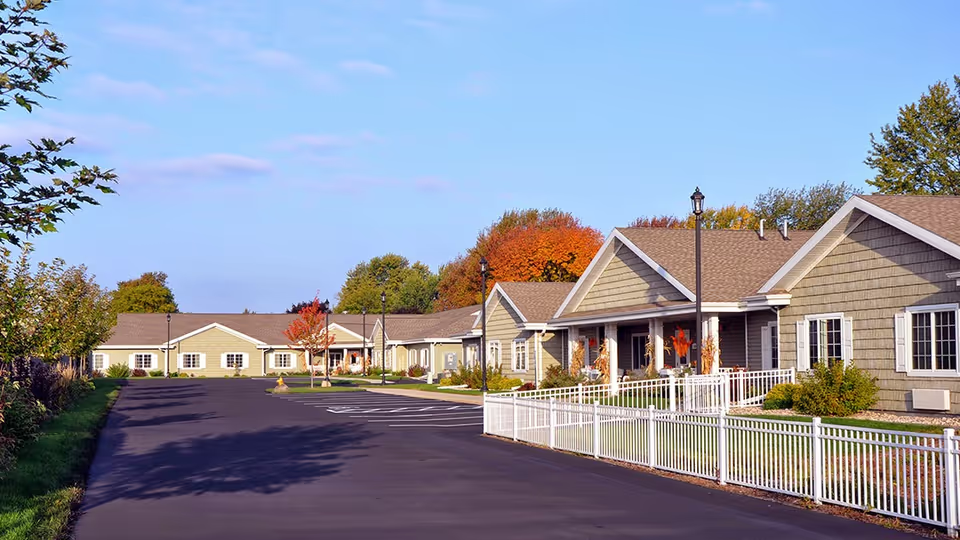
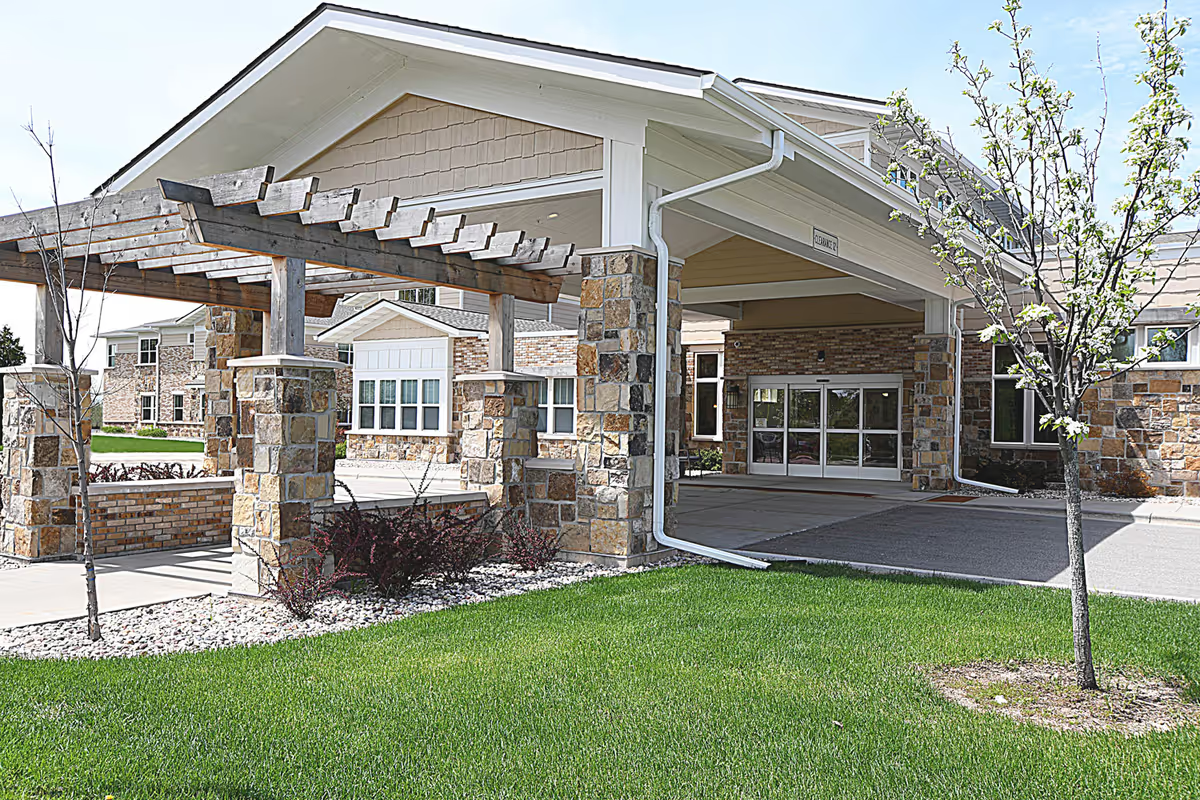
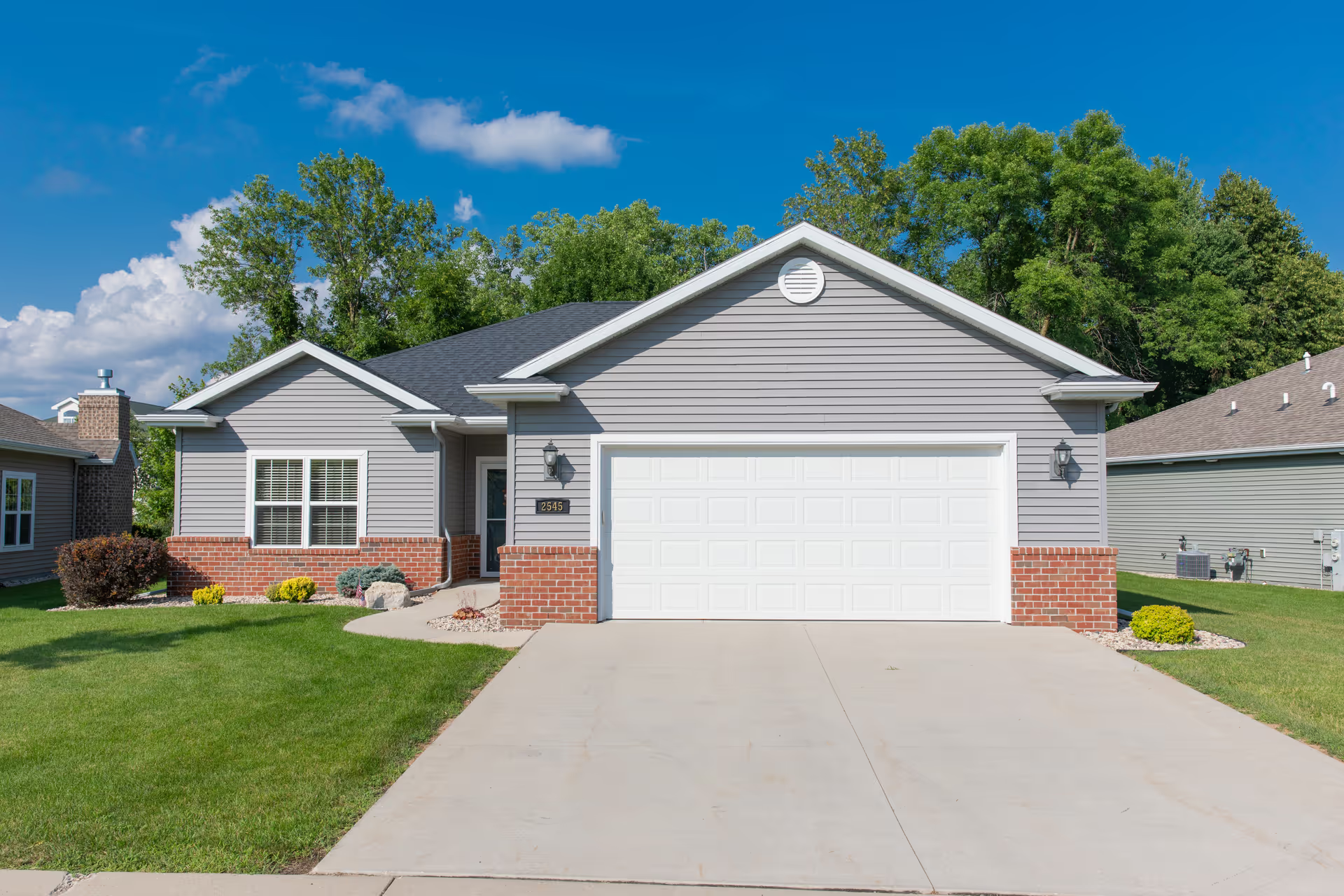
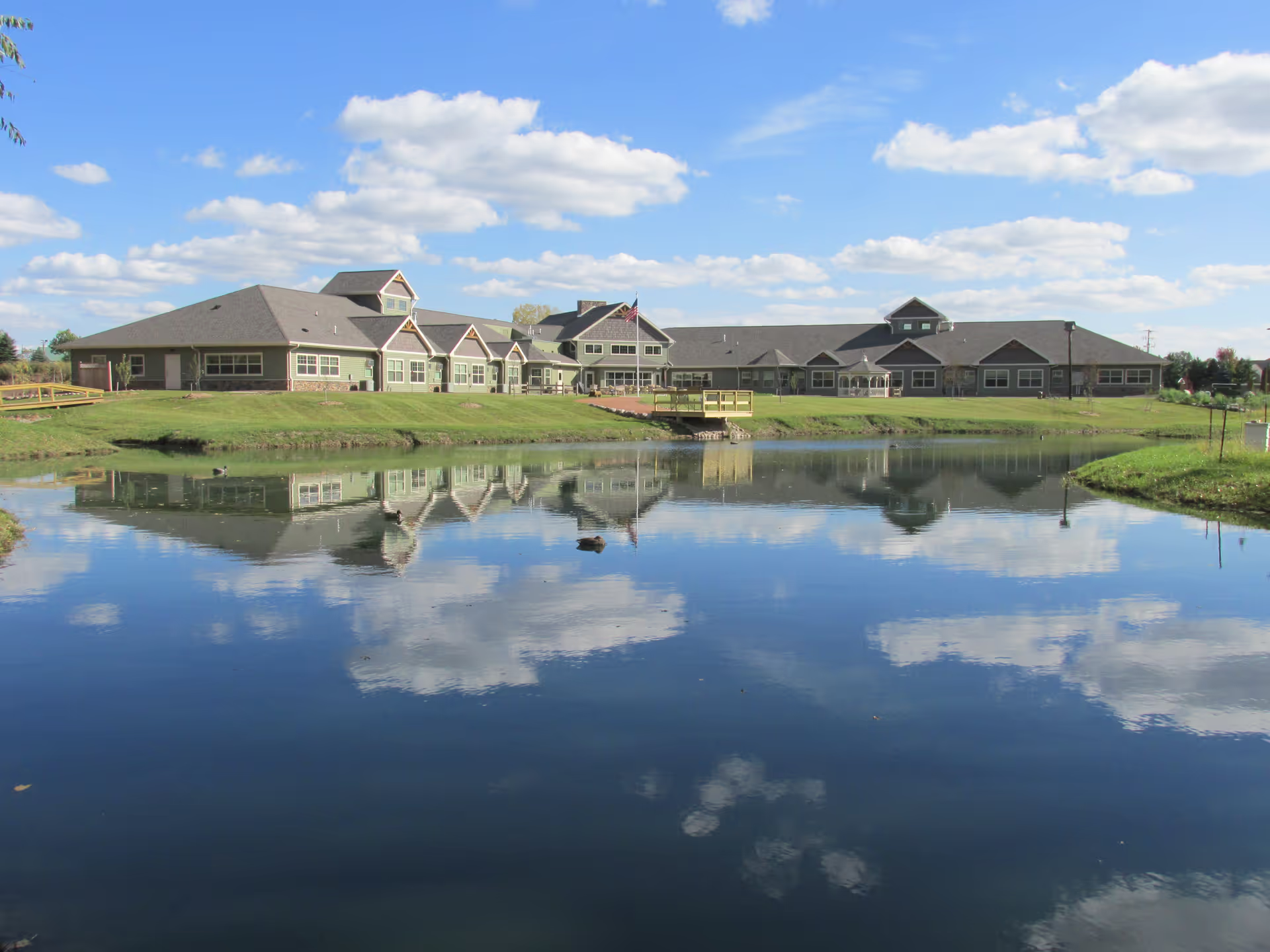
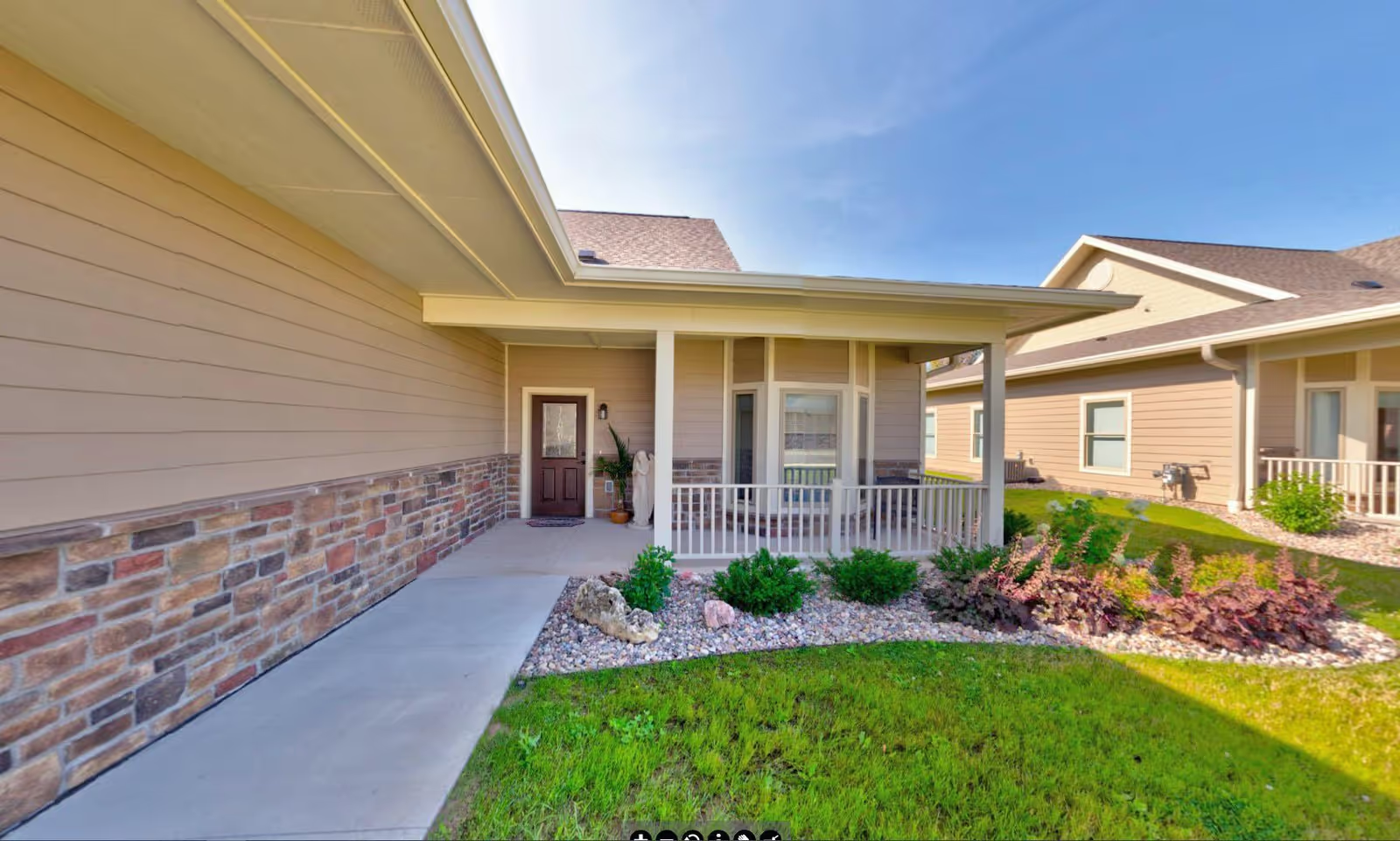
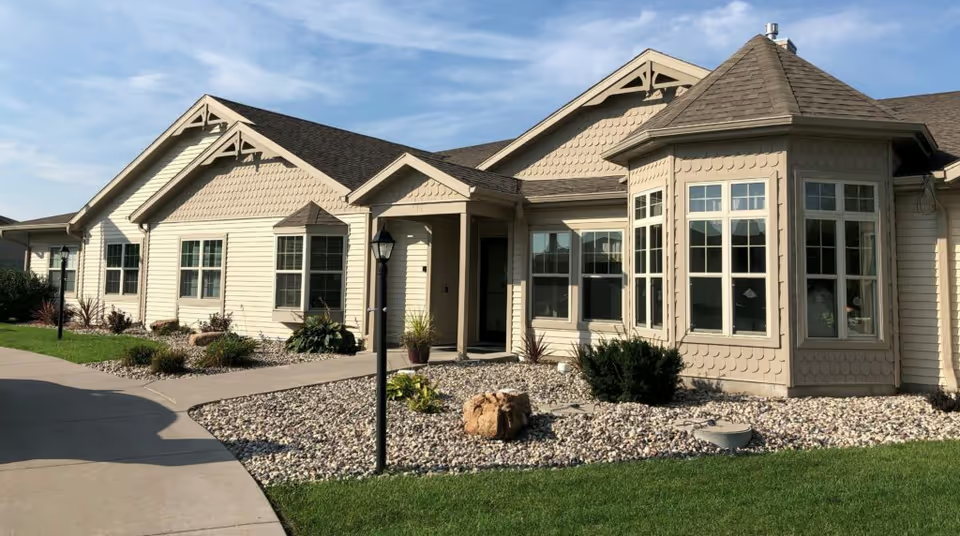
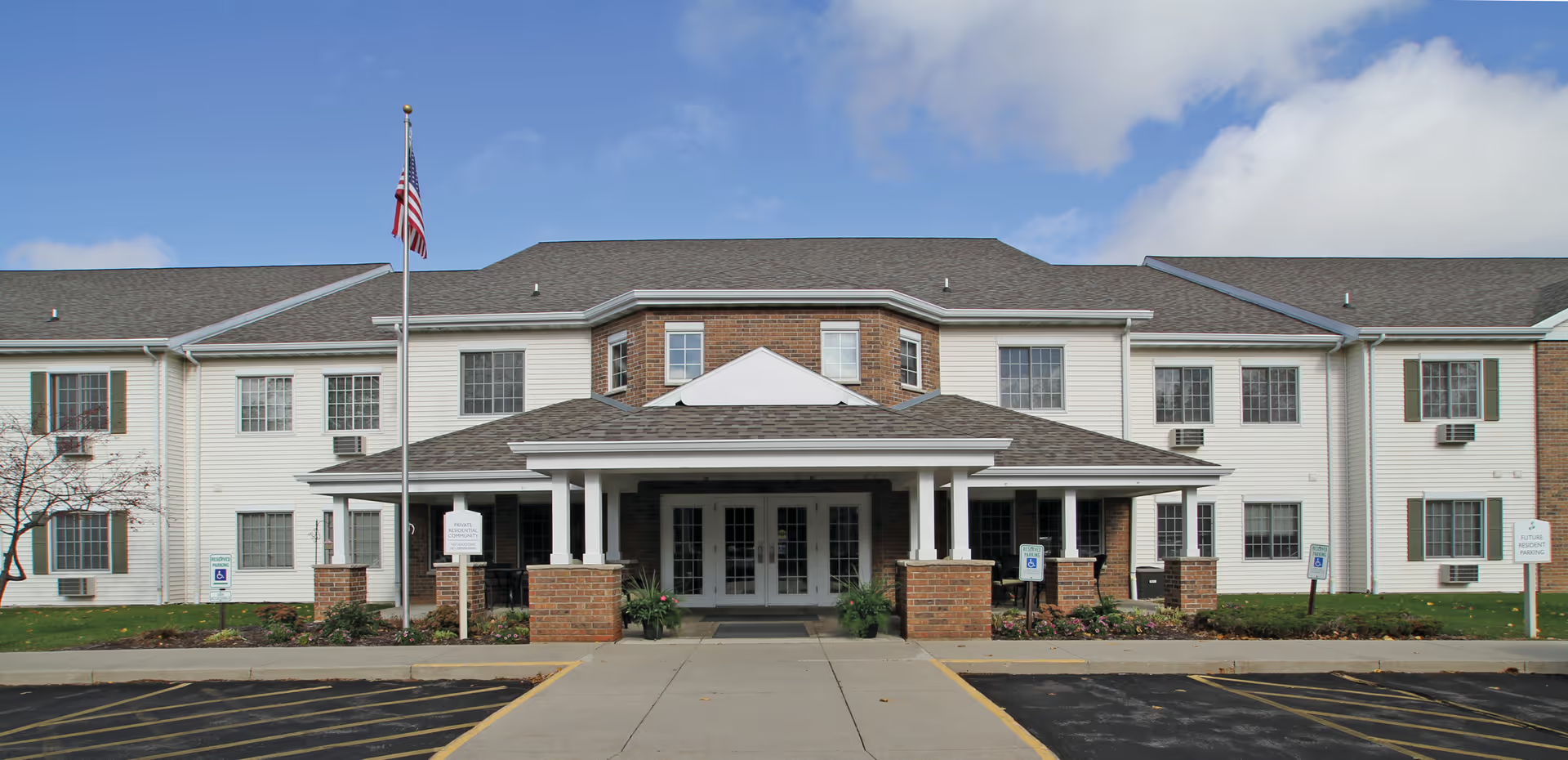
Facilities and amenities: Physical plant and amenities are generally viewed positively — spacious, bright apartments, secure building access, underground parking, storage, salon, theater, and well-maintained common areas. The downtown location and accessible transportation are advantages for many. Some maintenance issues are noted as operational concerns rather than systemic cleanliness problems: for example, air-quality impacts during flooring replacement and occasional HVAC or plumbing issues. Prospective residents should ask about current or planned renovations and how the community mitigates air-quality and noise impacts.
Management, policies, and fit: Several operational and policy themes recur in the reviews. Some families perceive high-pressure or aggressive sales practices around move-in, and a few cite dissatisfaction with deposit and pet-fee policies. Administrative communication and follow-up have been inconsistent for some prospective residents (recruitment and interview communication), and a minority of reviewers voiced concerns about how resident grievances and move-out processes are handled. Additionally, while the community offers multiple levels of care, it may not meet needs for much higher-acuity medical or physical-support requirements; several residents left when their care needs increased. Visitors should clarify contract terms, deposit/refund policies, escalation procedures, and the process for transitions to higher care levels.
Bottom line: Appleton Retirement Community appears to be a strong choice for seniors seeking an active, social, apartment-style setting with on-site clinical access and a wide range of activities. The community’s strengths are its staff-resident relationships, life-enrichment programming, dining format, and amenities. Areas to investigate further during a tour are staffing consistency and ratios, management communication and grievance processes, specific meal-quality expectations, renovation schedules and air-quality controls, and fee/deposit policies to ensure the community is the right operational and care fit for a prospective resident’s needs.