Overall impression: Reviewers convey a polarized but consistent pattern: many residents and families praise Oak Park Place Menasha for its physical environment, active programming, and numerous staff who are described as compassionate and community‑oriented; at the same time a distinct cluster of operational and clinical concerns recurs across accounts. Prospective residents should weigh the facility’s strong amenities and social life against variability in day‑to‑day caregiving and operational follow‑through.
Care and clinical oversight: Positive accounts highlight comprehensive medication management, available therapy services, hospice support, and successful transitions between care levels for many residents. Conversely, a number of families describe gaps in clinical monitoring, inconsistent follow‑through with therapy (PT/OT), and medication‑management inconsistencies. Memory‑care experiences are variable: some families describe attentive, engaged dementia programming, while others express concern about supervision and personal‑care follow‑through in that unit. There are also citations of regulatory complaints in some accounts; those raise the importance of reviewing recent inspections and quality metrics when evaluating care risk.
Staffing and staff conduct: Staff are frequently described as friendly, respectful, and proactive, with many reviewers naming individual caregivers and activities staff positively. However, recurring operational themes include staffing shortages, high turnover, and uneven training. These issues are linked in reviews to slower responsiveness, inconsistent assistance with personal devices and daily tasks, and variability in nocturnal coverage. Families should ask about current staffing ratios, turnover rates, and ongoing staff education when touring.
Dining and housekeeping: The dining program receives mixed but largely positive remarks—many residents report tasty, nutritious meals and excellent kitchen staff, while other reviews note inconsistent meal choices and occasional declines in food quality tied to staffing or kitchen changes. Housekeeping and laundry services are generally a convenience noted by reviewers, but several accounts cite missed cleanings, laundry mix‑ups, or an irregular cleaning schedule. Clarifying laundry processes and housekeeping frequency is advised.
Activities and community life: Oak Park Place is consistently praised for a robust activities calendar—exercise classes, lectures, veterans’ groups, live entertainment, outings, and many social events that foster a family‑like atmosphere. A recurrent operational limitation is that some activities are less accessible to residents who require reminders or direct assistance to participate; families should inquire how activity staff support participation for residents with cognitive or mobility needs.
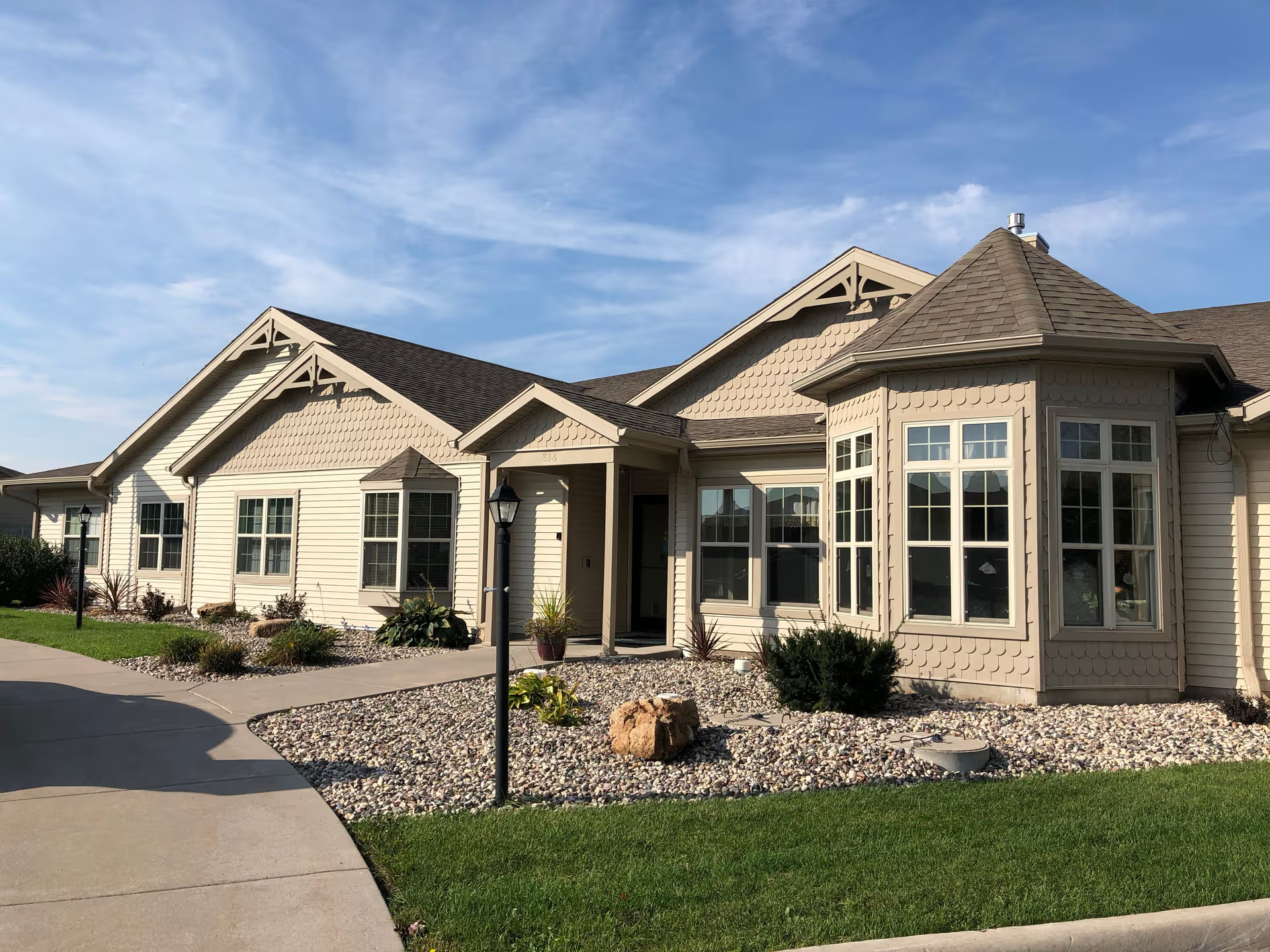
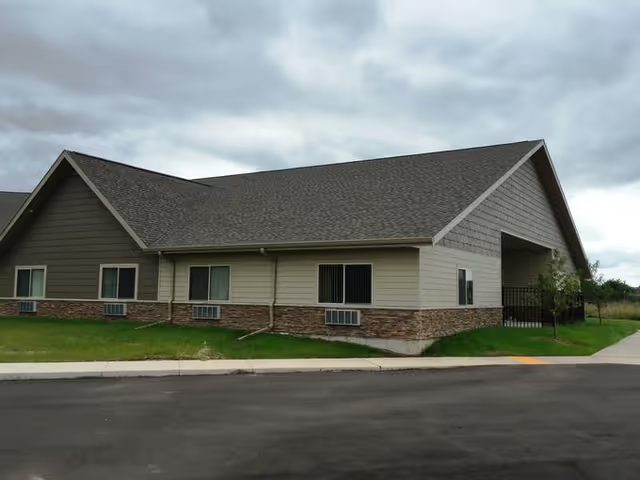
Facilities and amenities: The physical plant is a clear strength: modern construction, abundant natural light, wide halls that encourage walking, large apartments with good views, and well‑kept grounds. On‑site amenities such as a salon, library, and convenient transportation services are repeatedly cited as positives. Some reviews, however, note that the facility appearance can mask variability in service delivery, so physical quality should be considered alongside care processes.
Management and communication: Experiences with administration and communication are mixed. Several reviewers commend smooth move‑ins, prompt problem resolution, and useful electronic portals; others describe inconsistent communication, slow voicemail follow‑up, and administrative decisions that were upsetting to families. There are isolated accounts of restrictive visitation during infection‑control periods and concerns about transparency that prospective families should address directly with leadership.
Conclusion and practical guidance: Oak Park Place Menasha offers many attributes attractive to independent and assisted living residents—strong communal programming, a bright and modern facility, varied amenities, and numerous staff who are viewed positively. At the same time, recurring operational traits—staffing variability, training gaps, inconsistent housekeeping and medication processes, and mixed memory‑care experiences—warrant careful investigation. Recommended next steps for families: review the latest inspection and staffing data, ask for current nursing and memory‑care staffing ratios, tour the memory‑care neighborhood during activity times, test communication channels with staff, and request written policies on infection control, medication administration, laundry procedures, and emergency/night coverage before making a placement decision.