Overall impression: Reviews for this facility are mixed, with many families describing strong clinical and rehabilitative strengths alongside a set of operational and management concerns. Several reviewers praised nursing aides, therapists, and activity staff for providing compassionate, attentive care and for achieving measurable rehabilitation progress. At the same time, other families described serious lapses in basic care processes and facility upkeep that suggest variability in day-to-day operations.
Care and clinical responsiveness: The facility appears to provide high-quality therapy services in its rehab unit; physical and occupational therapy were frequently identified as effective and proactive, with observable improvement reported by families. Many reviewers were satisfied with long-term nursing continuity and felt residents were treated with dignity. However, there are recurring accounts of delayed clinical responsiveness, including significant waits for medication and assistance, and concerns about how quickly staff attend to incontinence and toileting needs. These issues point to inconsistent execution of care protocols and gaps in timely clinical follow-up.
Staff and workplace culture: Staff are often described as kind, personable, and knowledgeable, which contributes to a home-like atmosphere for many residents. Conversely, there are also reports indicating variable staff conduct, supervisory problems, and troubling workplace-culture issues that have included allegations of harassment and labor-safety concerns. Such factors may affect staff morale and, indirectly, the consistency of resident care.
Dining and activities: Activity programming and special events (holiday parties, salon services, organized activities) were positively noted and appear to contribute to resident engagement and satisfaction. Dining feedback is mixed: several families praised food quality and portioning in some cases, while others cited inconsistent meal service, cold meal delivery, and small portions. Kitchen staffing levels were specifically identified as a constraint that may drive interruptions or variability in mealtime delivery.
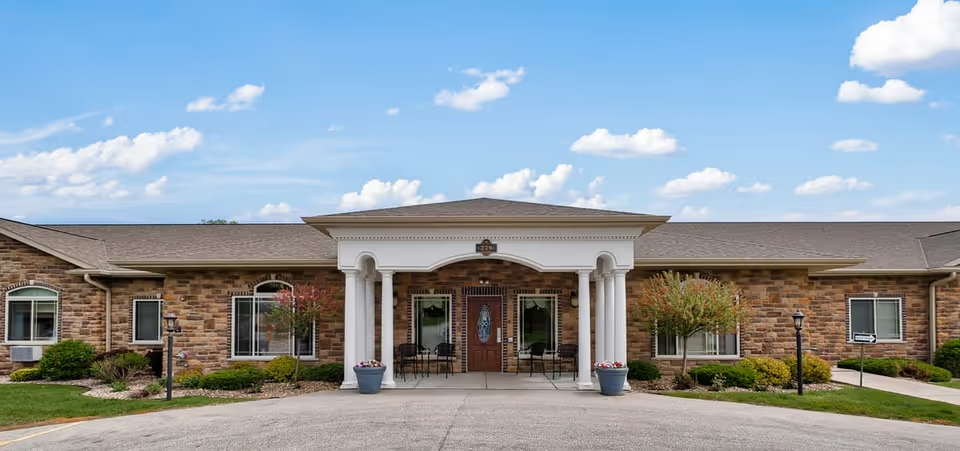
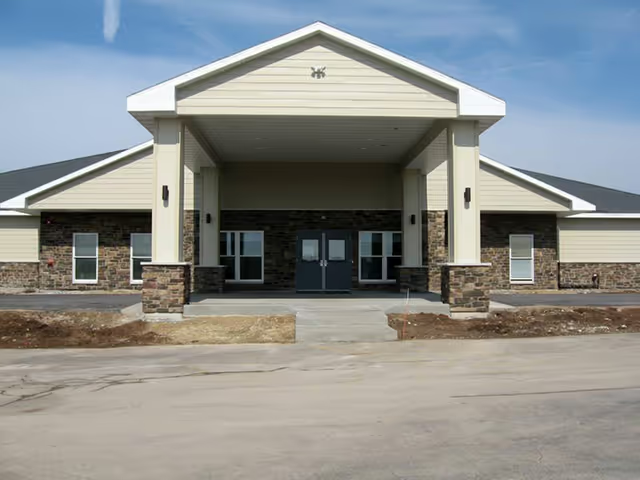
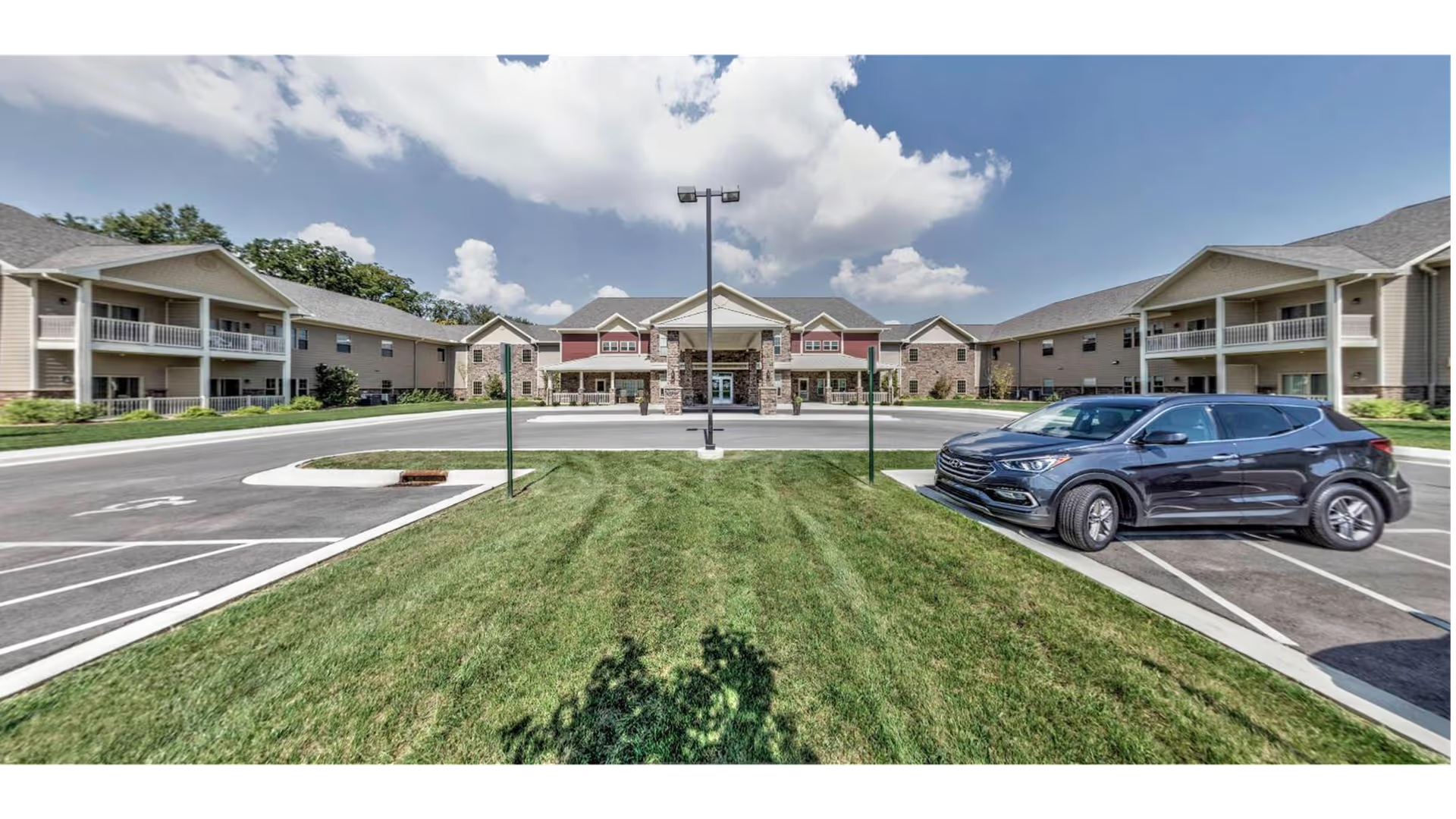
Facilities and maintenance: Many reviewers praised the facility’s clean, modern interior spaces, bathrooms, courtyard, and private-room rehab unit. At the same time, there are reports pointing to maintenance and environmental-safety issues such as unsecured wiring, worn or damaged furnishings, and cleanliness shortcomings in certain rooms or common areas. These parallel impressions indicate that facility condition may be uneven across units or floors.
Management, billing, and oversight: Families described mixed experiences with administration: some found front-desk staff helpful and admissions efficient, while others experienced poor billing communication, unexplained charges, and unreturned calls. There are also mentions of state inspections and inquiries and of alleged workplace-safety violations; these items suggest ongoing scrutiny of operational and labor-practice compliance. Prospective families should ask management about recent inspection outcomes and current corrective actions.
Notable patterns and recommendations: The predominant pattern is variability — many residents receive attentive, skilled care and benefit from strong rehab and activity offerings, while others experience lapses in housekeeping, timeliness of care, and transfer safety. Prospective residents and families should balance the facility’s rehabilitative strengths and family-oriented atmosphere against the operational concerns by: touring multiple care areas, asking to review recent inspection reports, inquiring about staffing ratios (nursing and kitchen), clarifying billing practices in writing, and discussing protocols for transfers, medication timing, and incontinence care. These steps can help determine whether the facility’s strengths align with an individual resident’s needs and risk profile.