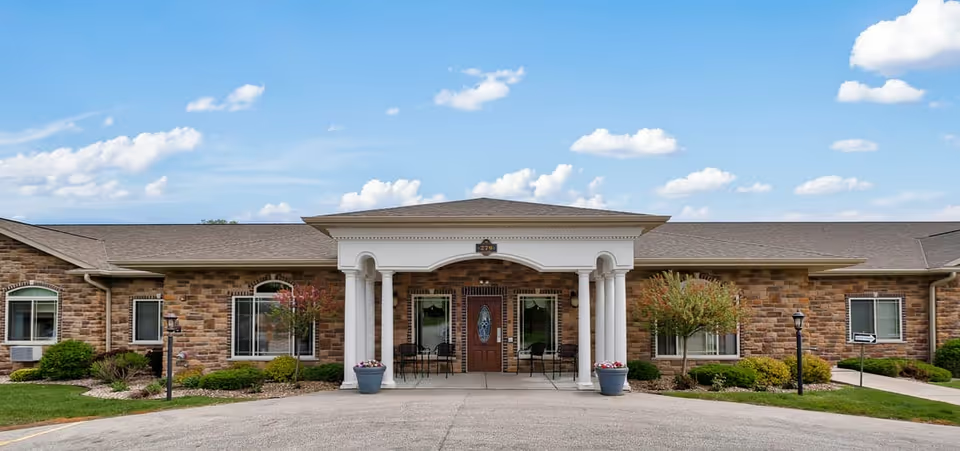
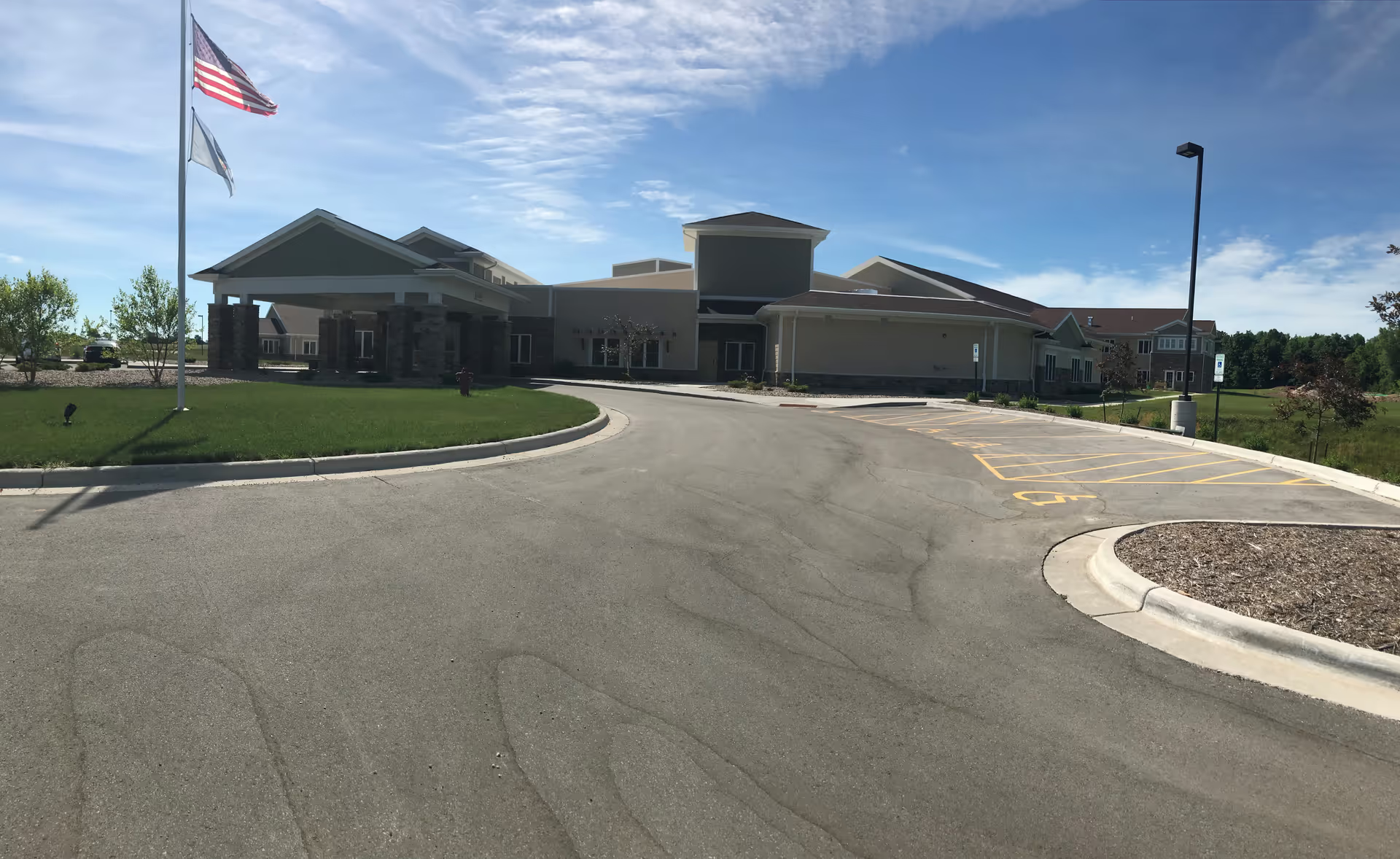
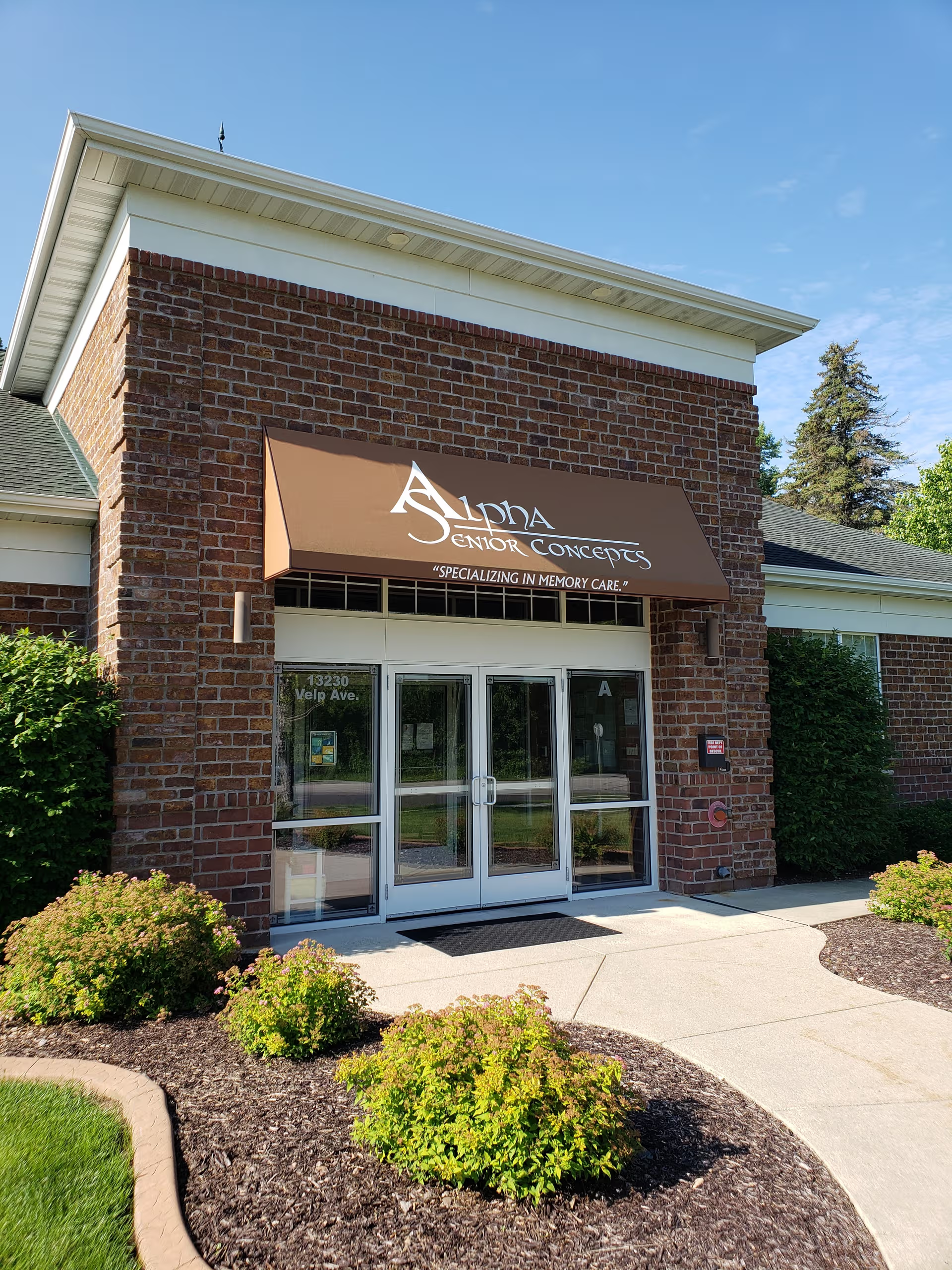
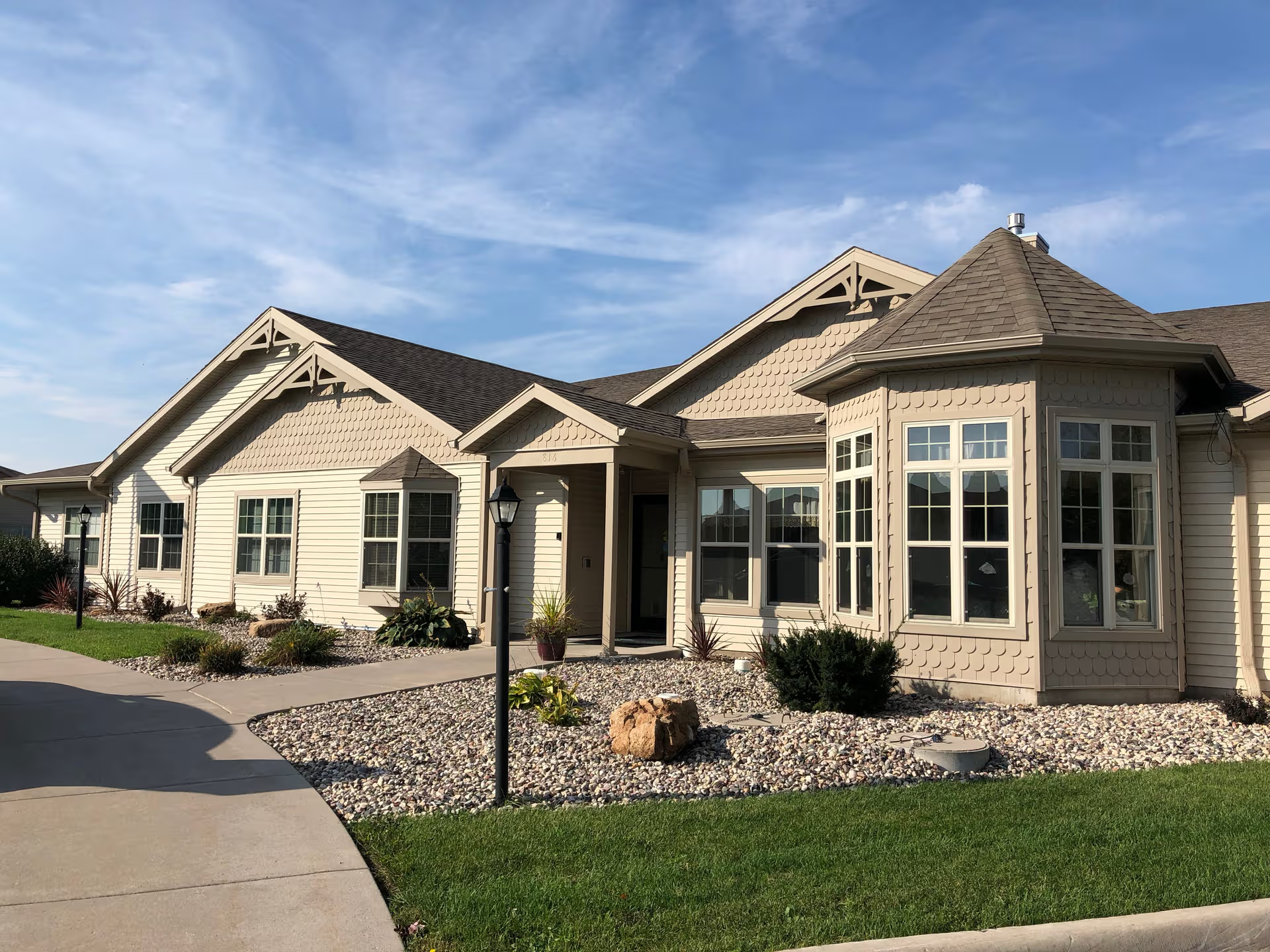
The reviews present a strongly mixed picture of life at The Court at Eden Vista. Many families praise the frontline caregivers for being kind, emotionally supportive, and effective in day-to-day work; reviewers specifically highlighted helpful admissions staff, moving assistance, teamwork among direct-care staff, and improvements in residents' quality of life after moving in. Apartments and common spaces receive positive comments overall — several reviewers noted spacious private units with en-suite bathrooms and kitchens, a clean facility in many areas, private dining options, and a generally pleasant visiting environment.
Dining and programming are frequently cited strengths. Multiple reviewers described nutritious, home-style meals that include fresh fruit and vegetables, a positive dining experience, the ability for families to join meals, and an active activity calendar that includes pet therapy and social events. Residents and families also commented on increased social engagement and an array of recreational opportunities that many found beneficial.
At the same time, there are recurring operational concerns that prospective residents and families should weigh carefully. A number of reviewers described inconsistent responsiveness to personal-care needs (including delays with toileting and bathing assistance), and concerns about the adequacy of transfer equipment and medical supplies. These issues point to gaps in clinical oversight and safety processes that management needs to address.
Communication and management are another clear area of divergence. While direct-care staff are often characterized as compassionate and hardworking, reviewers raised significant concerns about supervisory practices, leadership training, and accountability. Examples cited include weak documentation controls, allegations of inaccurate records, internal staff-conduct problems, and phone or communication responsiveness issues with families. The presence of regulatory and ombudsman involvement was noted, which indicates external review of some operational matters.
Facility-specific environmental issues were also mentioned: memory-care was described as having limited private space in some units and problems with environmental controls (notably heating and localized odor concerns). Reviewers contrasted the generally pleasant assisted-living environment with more problematic experiences in memory-care, suggesting that performance may vary by unit.
In summary, The Court at Eden Vista appears to offer many of the qualities families seek — compassionate caregivers, appealing apartments, good meals, and active programming — but there are consistent signals of systemic weaknesses in management, clinical oversight, communication, and environment controls in memory-care. Prospective residents and families should consider touring multiple units (including memory-care), asking for documentation on staffing ratios, transfer-safety equipment, training programs, and recent regulatory/ombudsman findings, and clarifying escalation and family-communication protocols before making a placement decision.