Wyndemere Memory Care elicits a strongly mixed set of impressions. Many families and visitors describe a warm, clean environment with a small-community feel, accessible outdoor courtyard, and personalized resident rooms. The activities program is frequently praised as innovative and engaging, with special events, musical programming, therapy-pet interactions, and community outreach. Dining and housekeeping are commonly described as strengths, with multiple comments about varied meals, friendly dining service, and responsive maintenance staff. Several named staff and activity leaders receive consistent commendation for compassion and resident engagement.
At the same time, there are significant clinical and operational concerns raised in other accounts. These center on weaknesses in medication administration controls, gaps in incident reporting and follow-up, and variability in assistance with routine personal-care tasks (grooming, denture/hearing-aid support, and toileting assistance). Reviewers describe delayed or inconsistent clinical monitoring that, in some cases, led to hospital transfer and regulatory attention. State regulatory involvement and substantiated findings are referenced in certain accounts, and there are concerns following a resident's death that prompted further scrutiny and review processes.
Staff quality appears uneven: many families report compassionate, attentive CNAs and an activity team that goes above and beyond, while others describe staffing shortages, training gaps, and periods of lower responsiveness. Several reviews note improvements after leadership changes, with new management credited for positive direction and better communication; however, reports also describe variability across shifts and periods of high turnover that affect continuity of care. Communication gaps are an ongoing theme — delays in notifying families, inconsistent coordination with hospital social workers, and occasional confusion about consent and documentation processes.
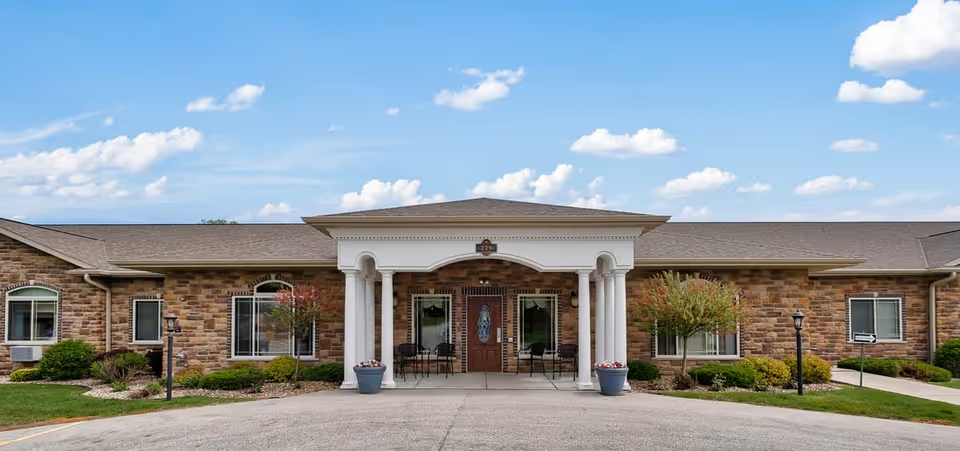
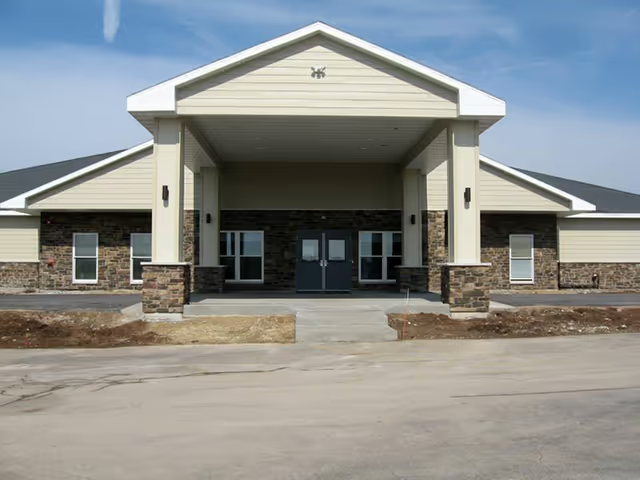
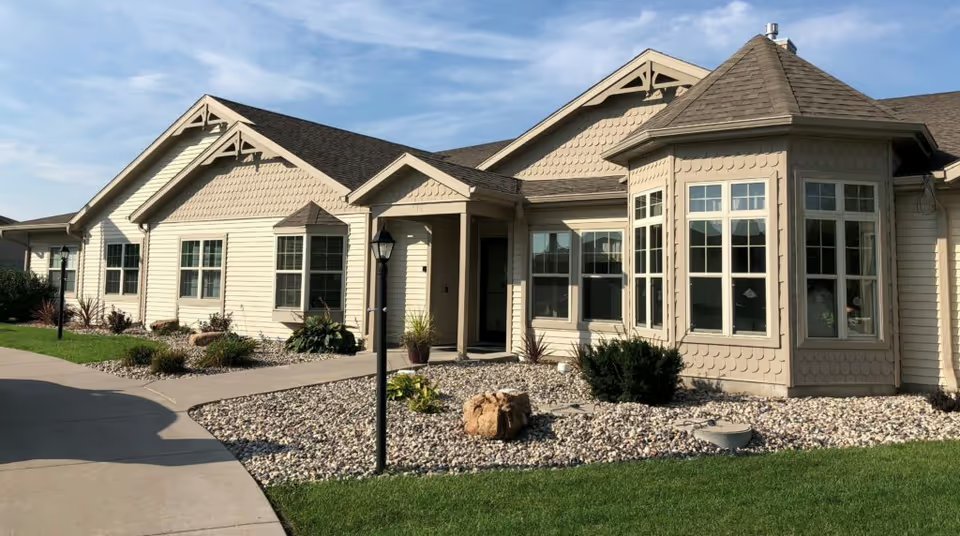
Facilities and resident life are described positively overall. The building is commonly characterized as clean, bright, and well-maintained, with a secure courtyard and accessible common areas. Activity offerings and social opportunities are a notable strength, though some events and enhancements appear to rely on supplemental, out-of-pocket funding. Practical limitations mentioned include small room sizes and shared bathing facilities for some units, which may be relevant for families prioritizing private bathroom access.
For prospective families: Wyndemere offers strong programming, attentive activity staff, and a generally pleasant living environment, but the facility has had material operational concerns in the past related to clinical oversight, medication management, incident reporting, and continuity of personal-care support. While leadership changes have produced reported improvements, visitors should tour the neighborhood, ask for specifics on medication protocols, staffing ratios, incident-response procedures, informed-consent practices, and how the facility addressed any regulatory findings. Requesting recent survey results, examples of care-plan updates, and direct contact with the nursing or administrative lead can help clarify current practices and fit for a particular resident’s clinical needs.