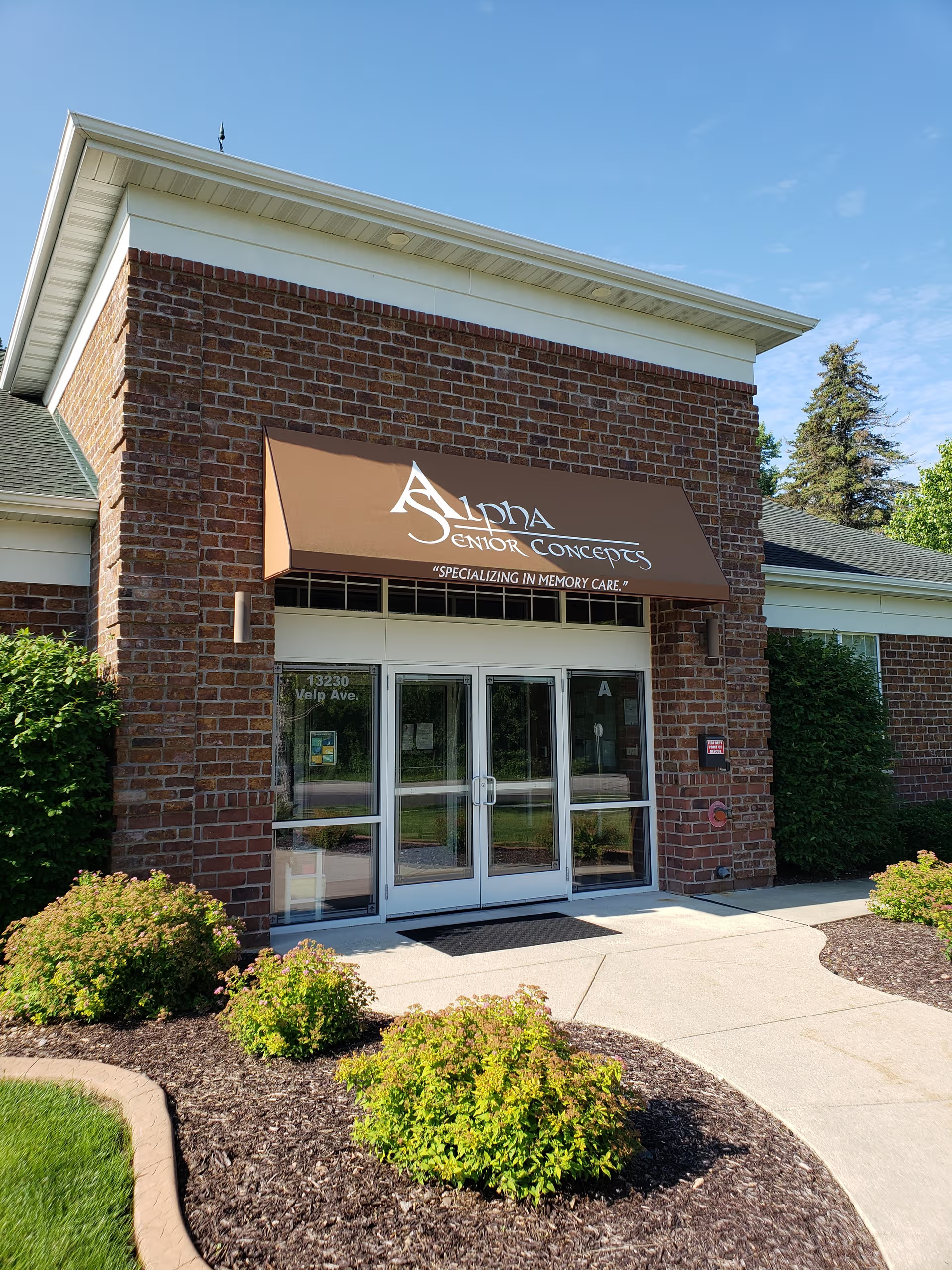
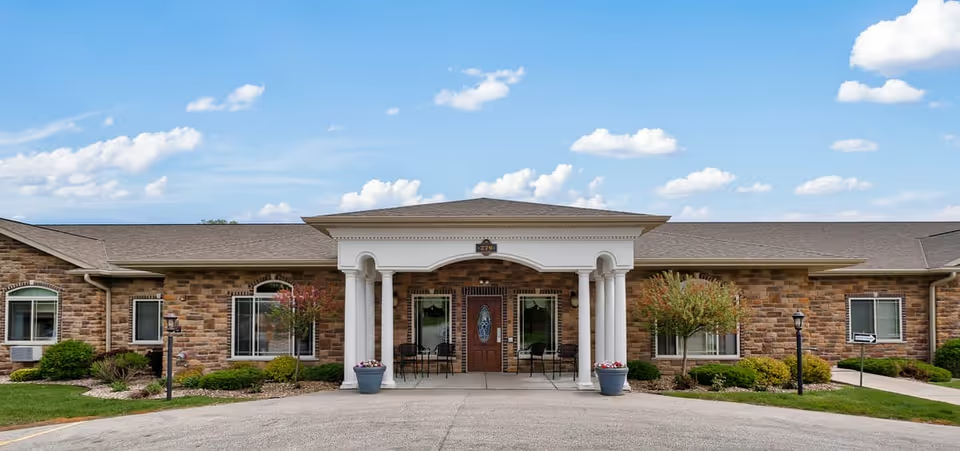
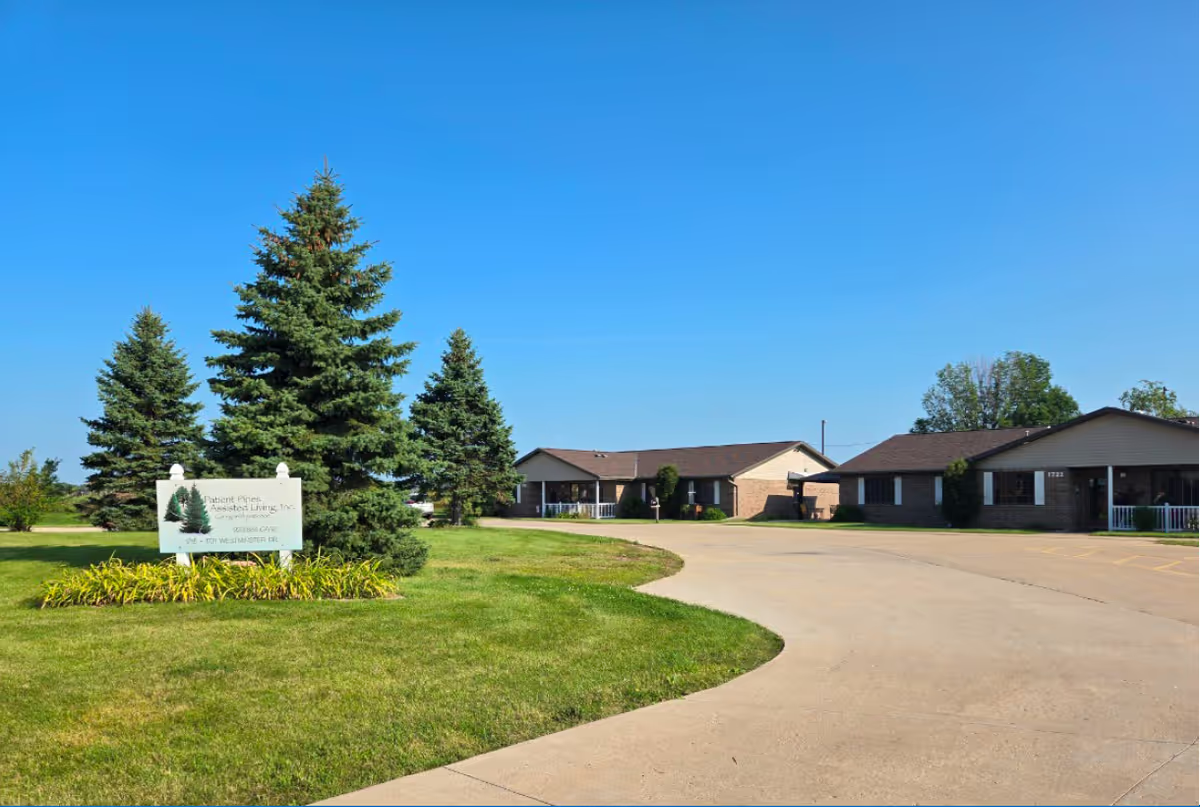
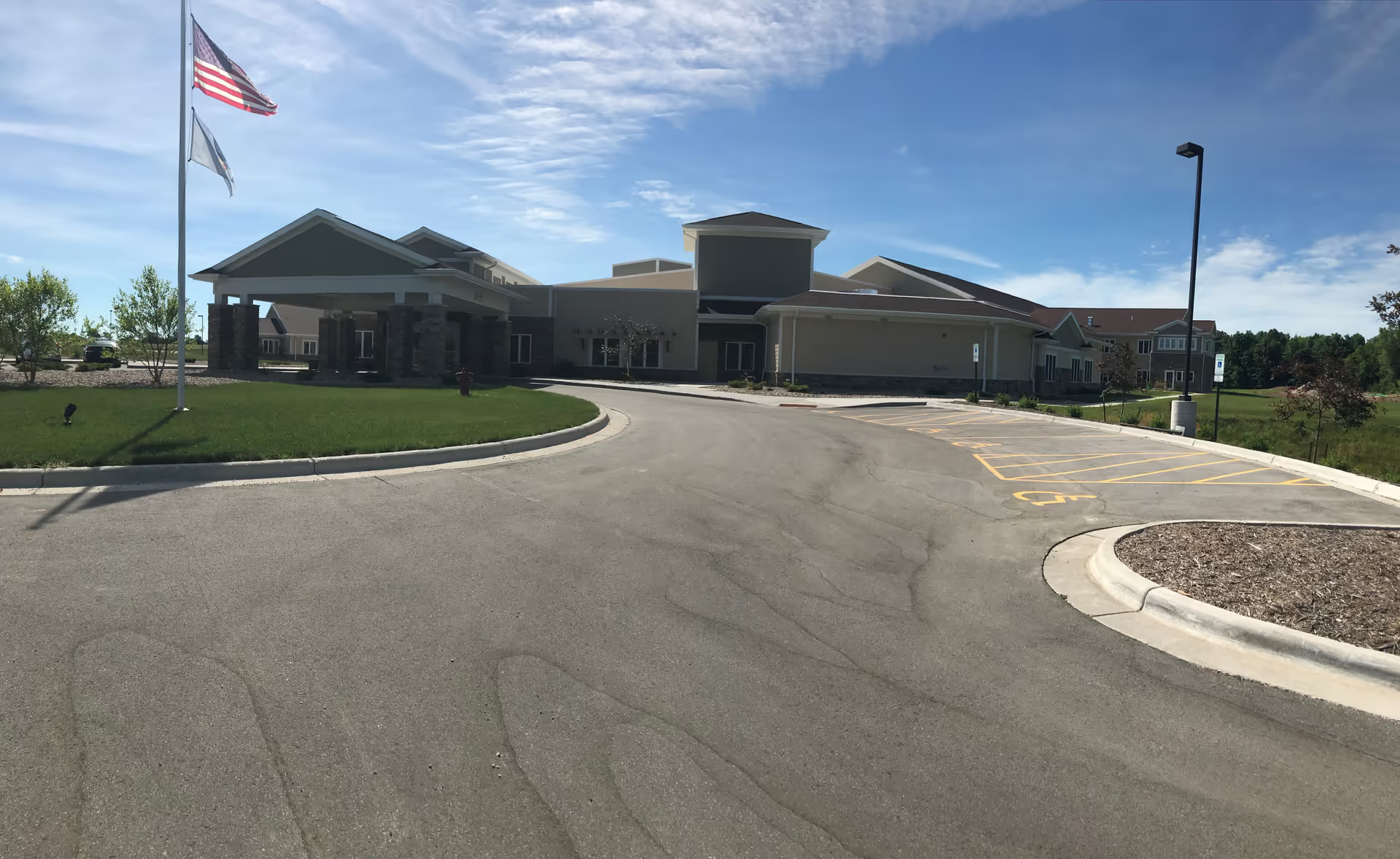
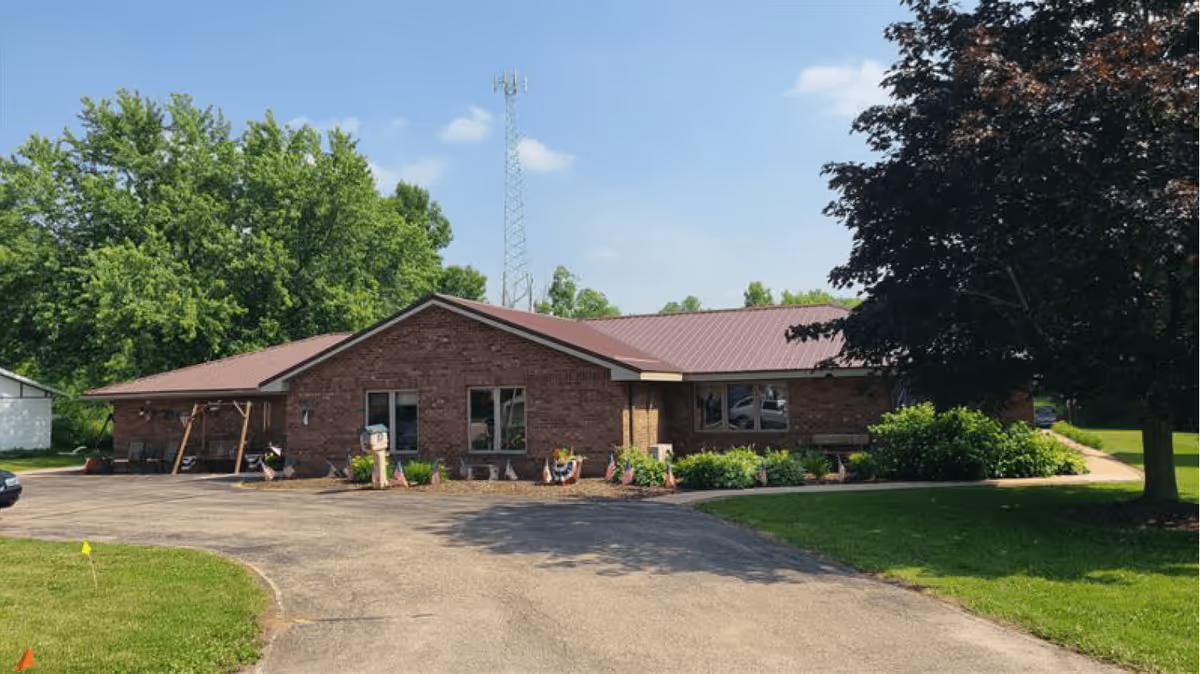
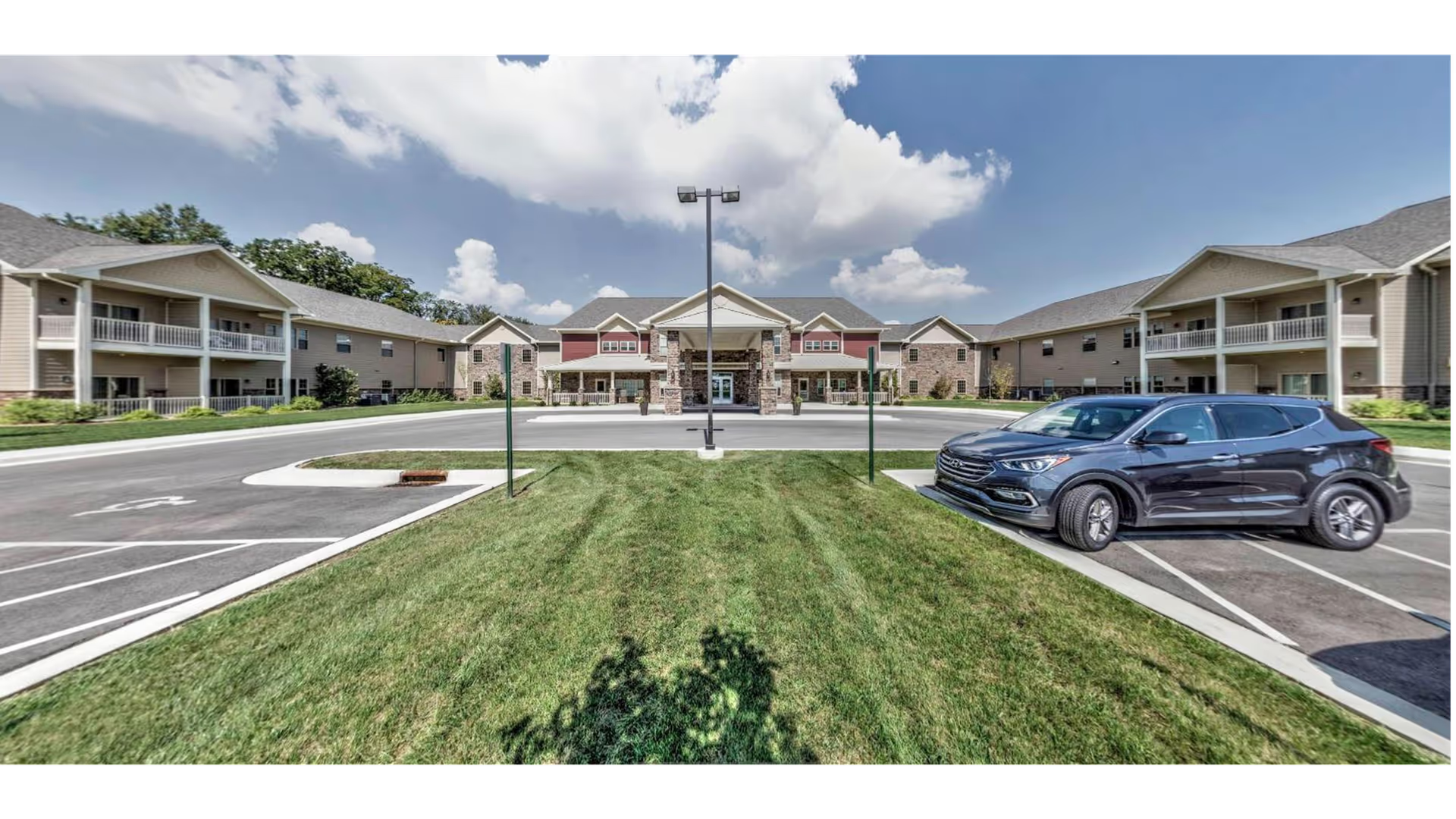
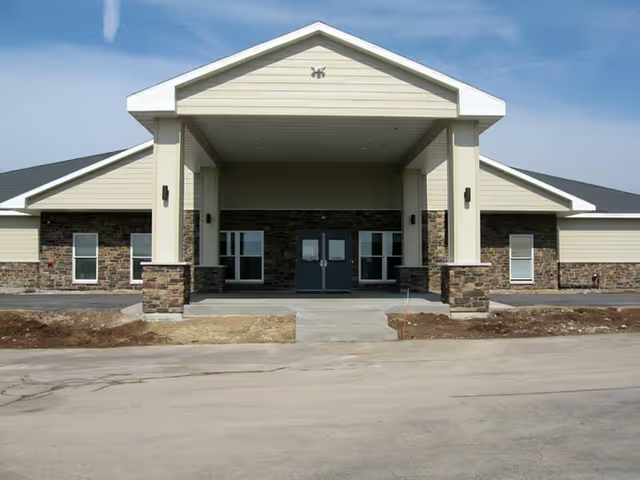
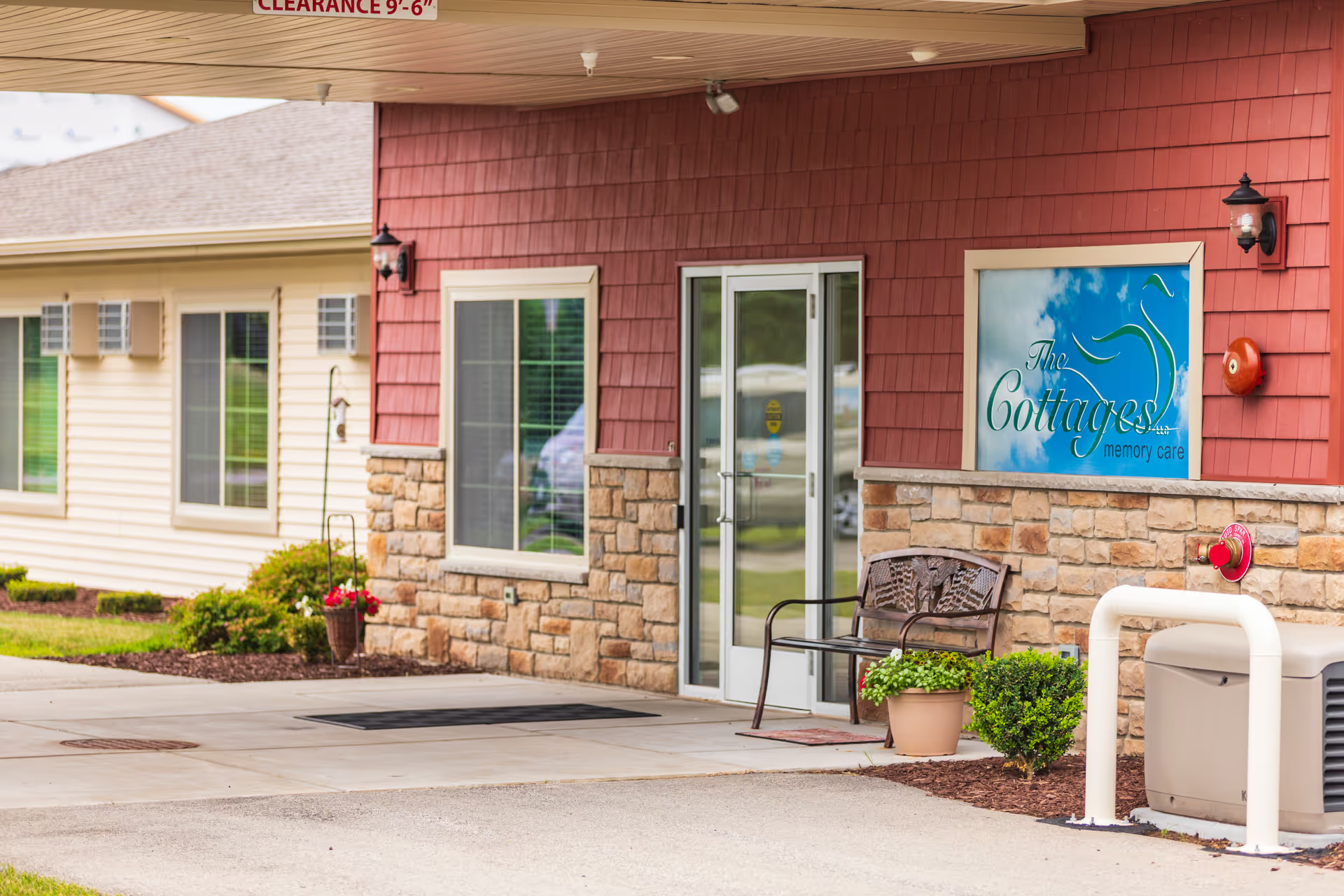
Emerald Bay presents as a newer, attractive continuing-care community with many facility-level strengths. Multiple reviewers praised the architecture, abundant natural light, thoughtfully designed common areas, and well-maintained grounds. Apartments and public spaces are frequently described as clean and inviting, and the memory-care unit is often characterized as homelike rather than institutional. The community offers a broad amenity set—on-site therapy/rehab, social dining rooms, an activity room, library/coffeespace, patio and walking trails—which appeals to families seeking both social engagement and care continuity.
Staff and day-to-day care are a major source of mixed feedback. Many accounts highlight compassionate, attentive caregivers and an overall warm, family-like atmosphere; care staff, dining servers, and activities personnel receive repeated praise for friendliness and resident engagement. At the same time, reviewers indicate variability in staff competence and reliability. Chronic understaffing, elevated turnover, and reductions in some services were frequently linked to slower responses to call buttons, gaps in assistance with personal care, and inconsistencies in documentation. There are also specific concerns about medication-management processes and missed or inconsistent dosing; prospective families should ask detailed questions about medication administration protocols, staffing ratios, supervision, and weekend clinical coverage.
Dining and activities at Emerald Bay are generally seen as strengths but with variability. Many residents enjoy the dining environment, social meals, and special events; the activities program offers regular options such as bingo, outings, crafts, music, and church services. However, several comments point to repetitive or heavily processed menu items, salty preparations, and limited variety for more independent residents. Some reviews noted improvement after staffing changes in the kitchen, suggesting that culinary quality can change with personnel. Prospective residents should sample meals and inquire about menu rotation, special-diet accommodations, and how the kitchen is staffed and supervised.
Facility operations and management practices are another area with divergent impressions. While some families emphasize transparent, locked-in pricing and helpful admissions staff, others raise concerns following ownership or management changes that coincided with new fees, waitlist payment requirements, and shifts in payment policies. Several reviewers described challenges when transitioning to Medicaid or other payment sources, and the community’s policies around payment transitions and occupancy have been perceived as creating displacement risk for some residents. It is advisable to obtain written policy details on fee structures, waiting-list terms, payment transitions, refund rules, and the facility’s Medicaid acceptance stance before committing.
In summary, Emerald Bay appears to offer an attractive physical environment, a broad activities program, and many compassionate direct-care employees. The notable patterns of concern relate to operational consistency: staffing shortages and turnover, call-response delays, inconsistencies in medication administration and personal-care assistance, uneven dining quality, cleaning-frequency reductions, and financial/policy changes that can affect residents’ continuity. Families considering Emerald Bay should weigh the facility’s amenities and staff warmth against these operational risks and verify, in writing, the community’s staffing levels, clinical oversight practices, medication policies, housekeeping schedules, meal planning, and contractual financial terms including how payment transitions are handled.