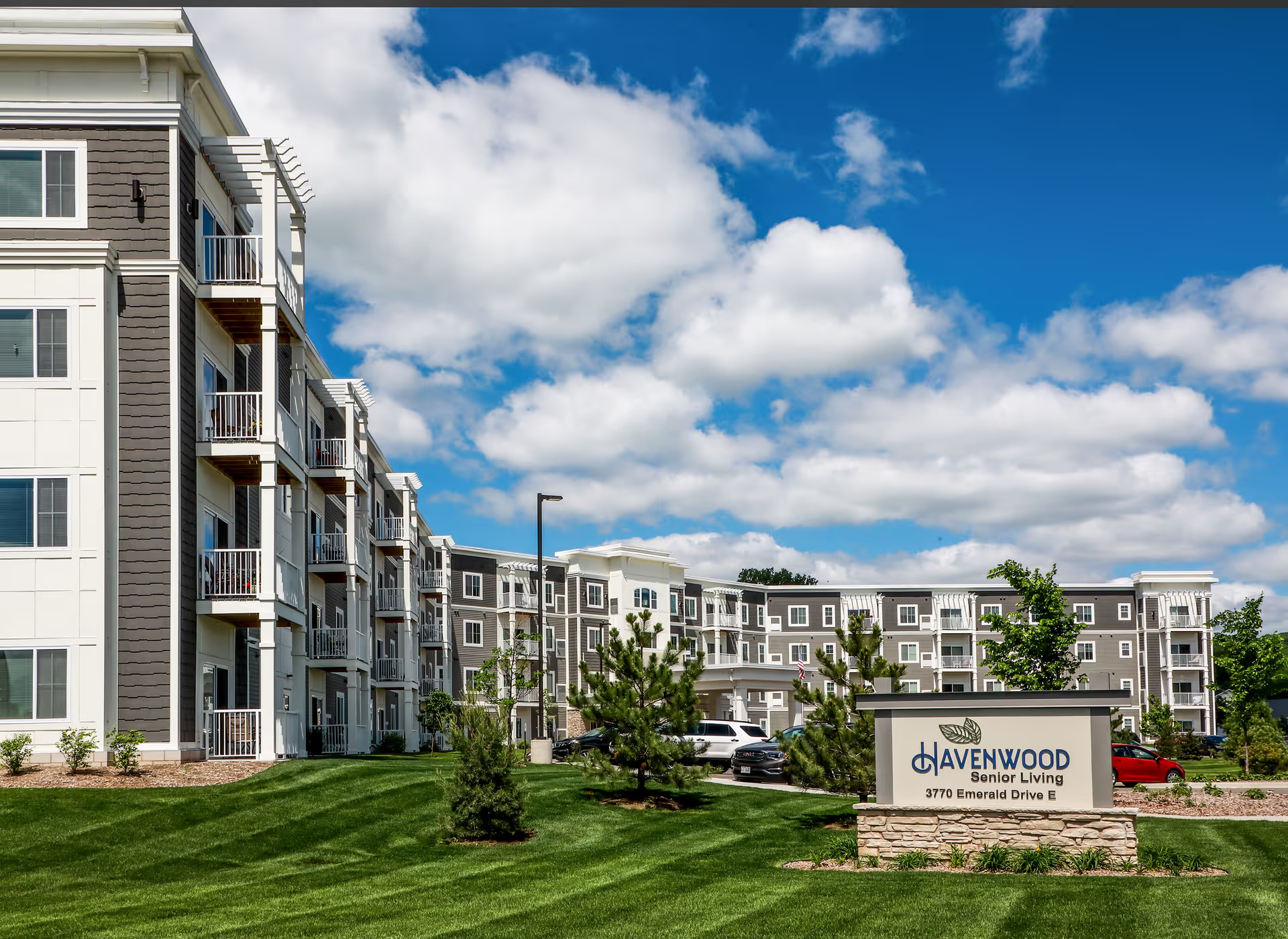
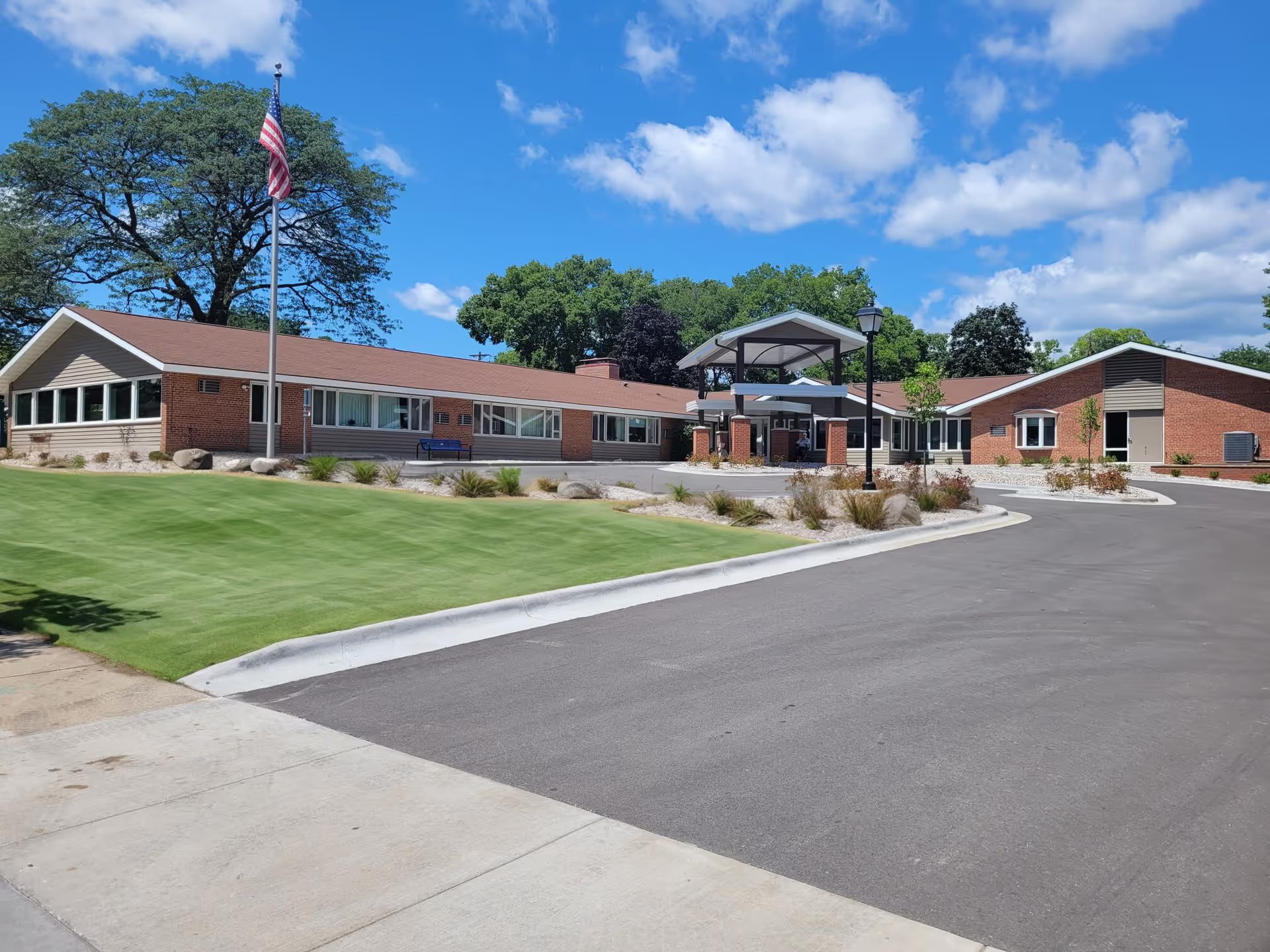
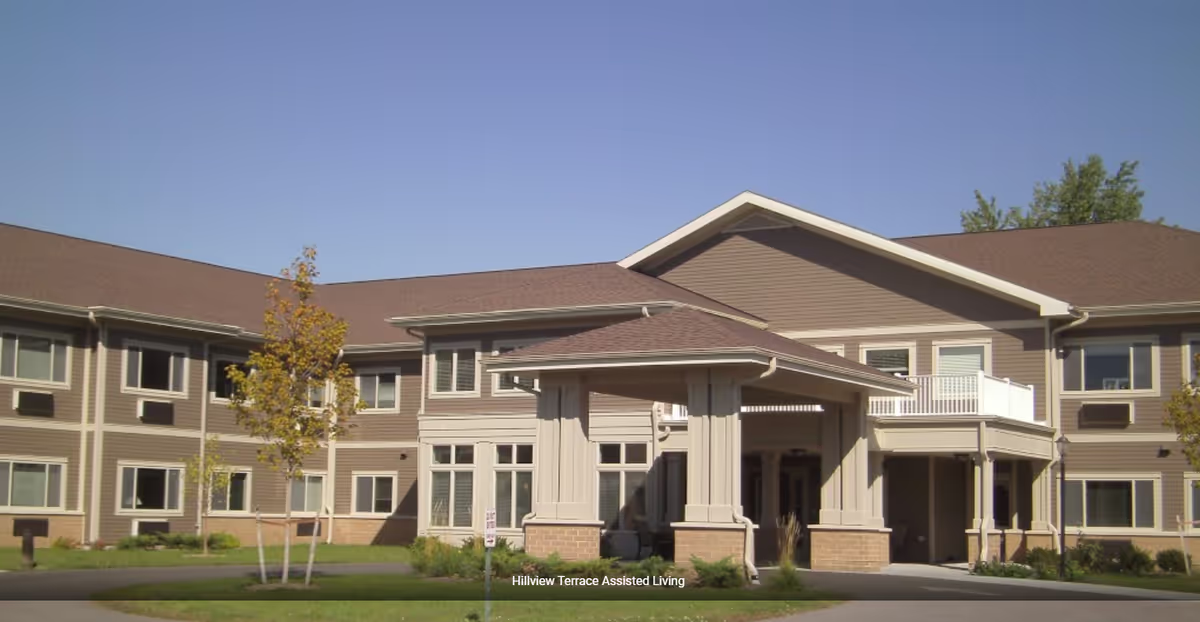
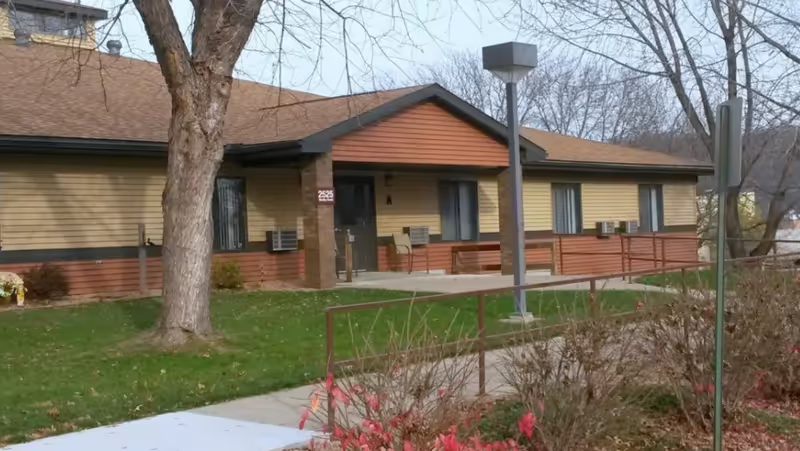
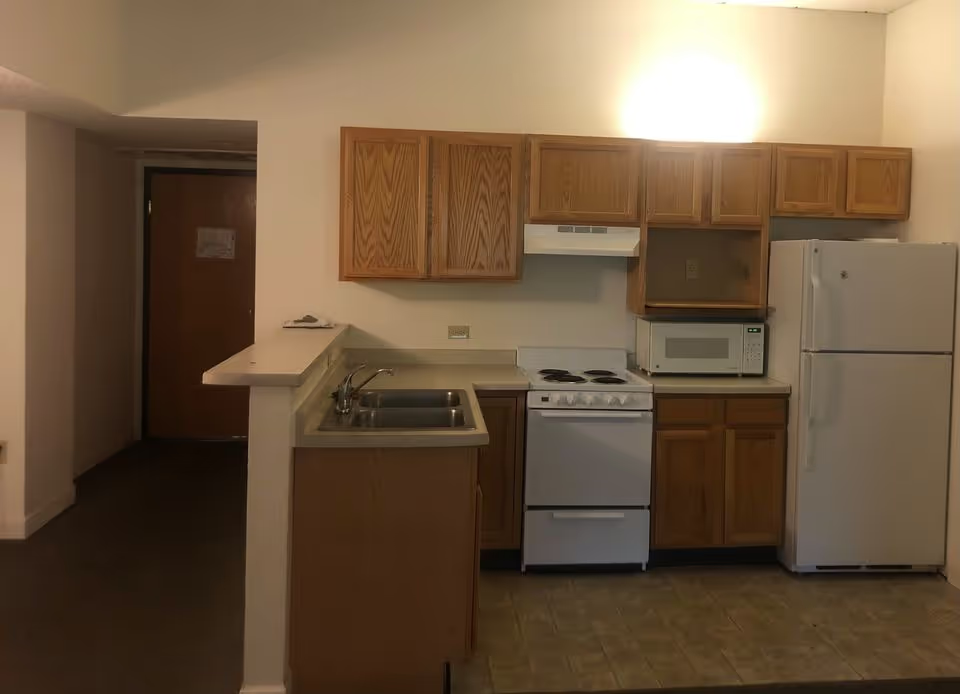
The reviews for Hope Stay Memory Care present a mixed picture. Many families describe a warm, home-like atmosphere with compassionate, family-oriented staff and attentive nursing involvement; the facility’s decor, accessibility, and a no-smoking policy are commonly praised. Several accounts emphasize a calm environment where residents appear relaxed and cared for, and some families report strong day-to-day caregiver engagement and homemade, balanced meals.
At the same time, there is a substantial pattern of operational and safety concerns. Care quality is described as inconsistent: while some families report high standards and responsive attention, others describe delays in care, lapses in basic responsiveness, and incontinence-care concerns. Medication-management problems are a recurrent theme, including delayed administration and documented medication errors; these issues raise broader concerns about clinical protocols and oversight.
Staff conduct and reliability are polarizing. Positive impressions highlight compassionate, attentive caregivers and involved nursing staff; negative feedback points to abrupt or disrespectful communication from some personnel, staffing reliability problems, and at least one serious claim that should be further investigated. Reviews also raise concerns about hiring and screening practices and about whether management enforces consistent accountability for staff performance.
Dining and daily living quality show similar variability. Several families appreciate homemade, well-balanced meals and kind staff; others report insufficient portions, unappealing meals, or inconsistent food quality. Information about structured activities is limited in the reviews, but the overall social atmosphere is frequently described as welcoming and calm.
Facility- and environment-level issues are mixed. Many reviewers note a clean, inviting interior and sanitation-focused practices, yet others report sanitation and pest-control inconsistencies and cleanliness issues in some areas or rooms. Safety and security practices are an important concern in the feedback: examples cited include door or lock problems and protocols that may not adequately address wandering risk. Families also describe problems with property handling and inventory control, such as damaged, lost, or discarded personal items or equipment.
Management and transparency emerge as a recurrent theme. Positive comments identify owners who create a family-like culture, while critical comments point to inadequate complaint resolution, defensiveness from leadership, and possible gaps in documentation of staffing or safety practices. A few reviews include serious individual allegations; those statements warrant follow-up with the provider and, if appropriate, regulatory authorities.
For prospective residents and families: an in-person visit is advisable, with focused questions about medication-management processes, staffing ratios and screening procedures, security measures for residents at risk of wandering, pest-control and sanitation protocols, property-inventory policies, and the facility’s complaint-resolution procedures. Request documentation where possible (medication-administration protocols, staff-background-check policies, incident and corrective-action logs) and seek references from current families to better understand consistency of care over time.