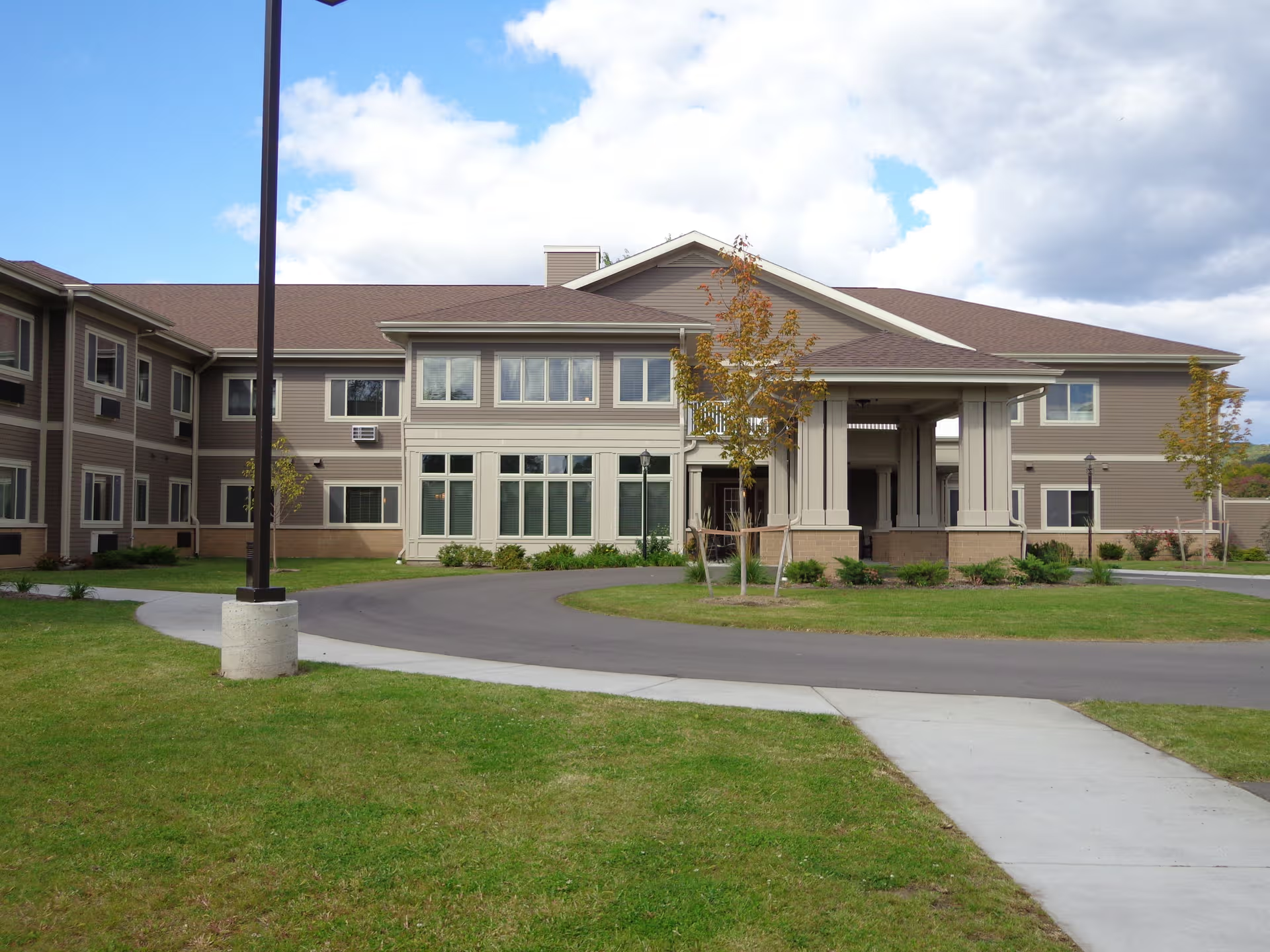
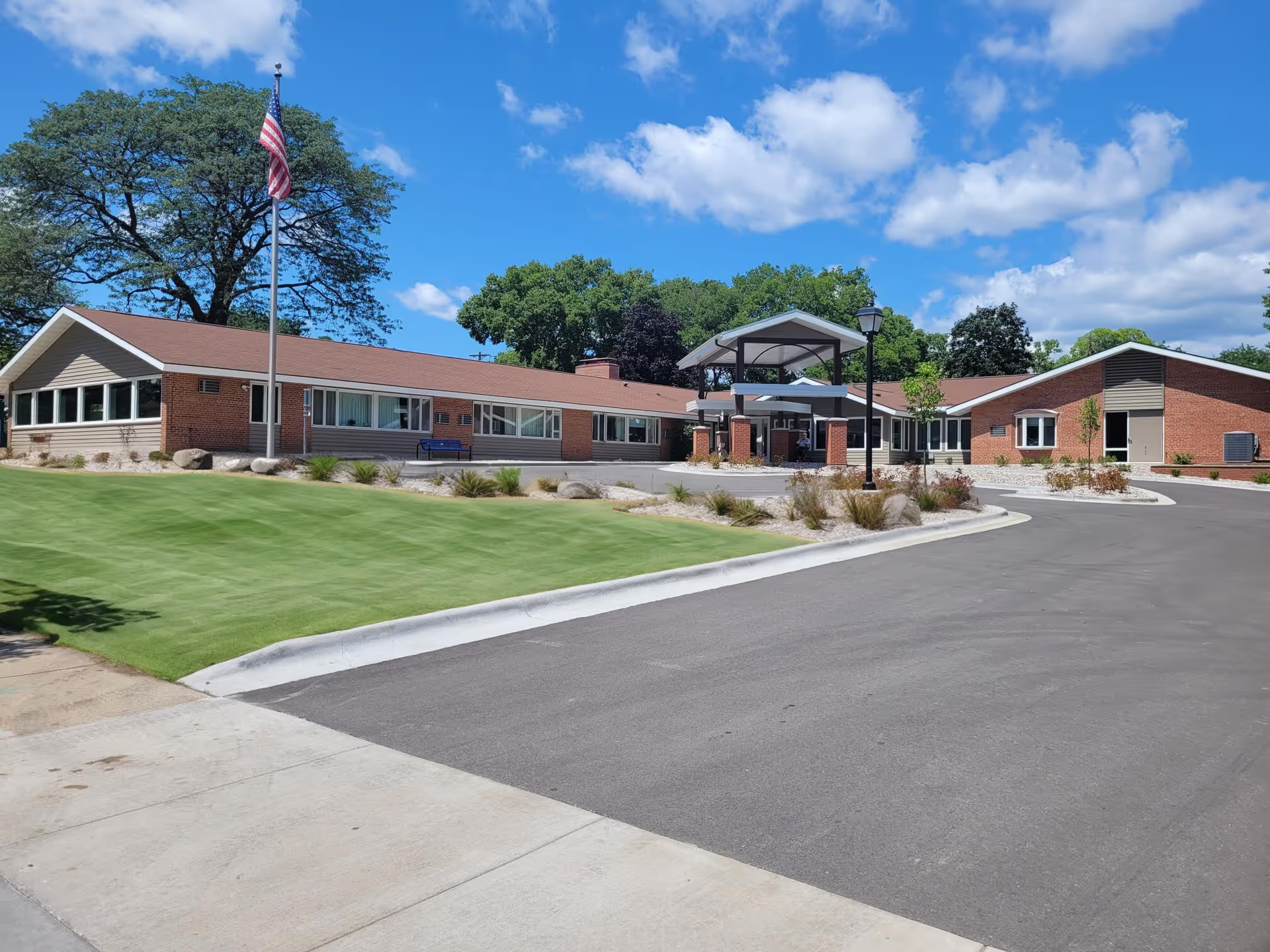
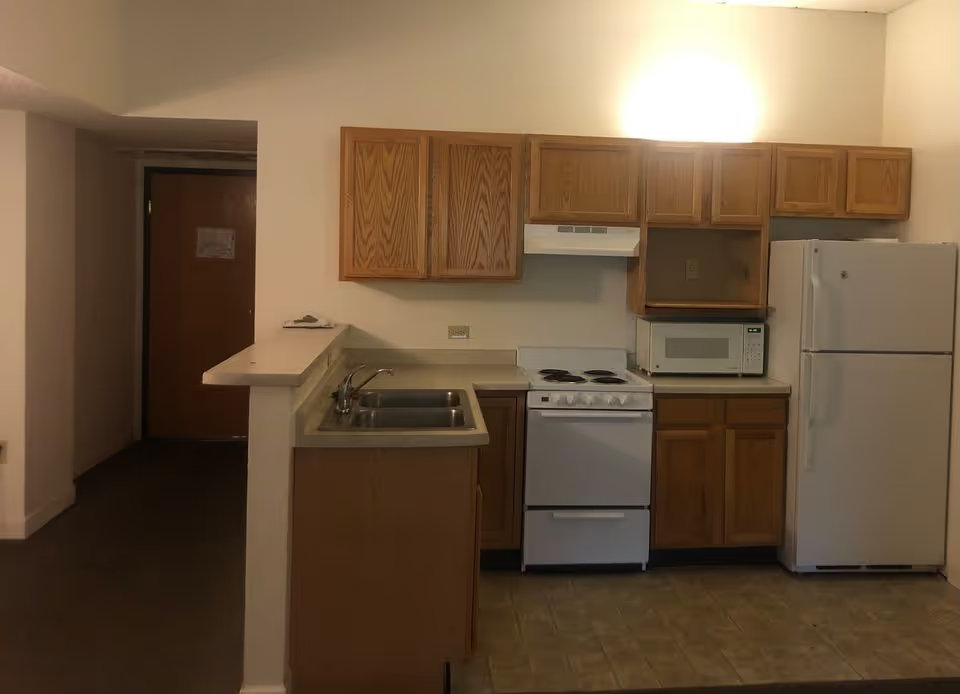
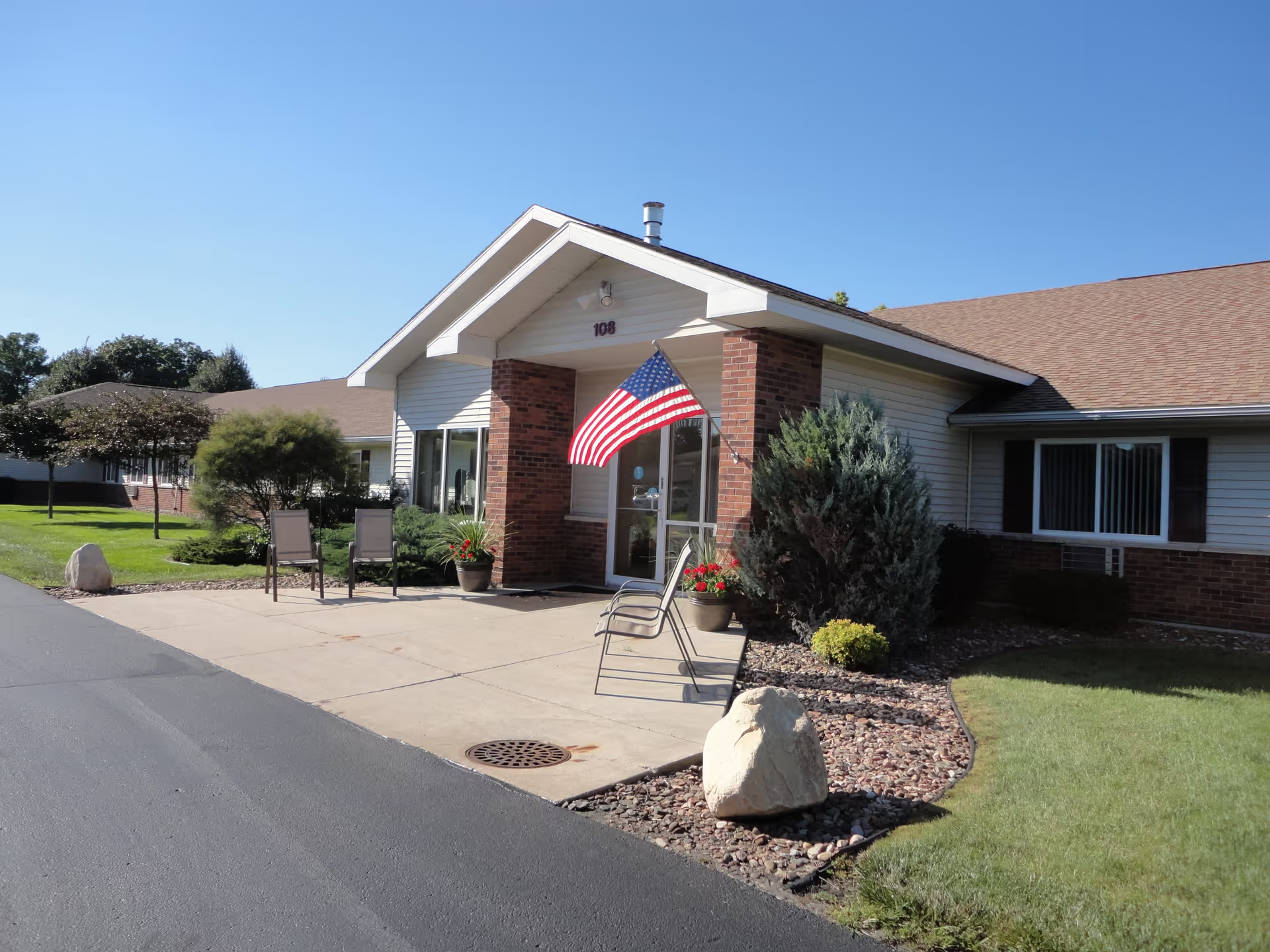
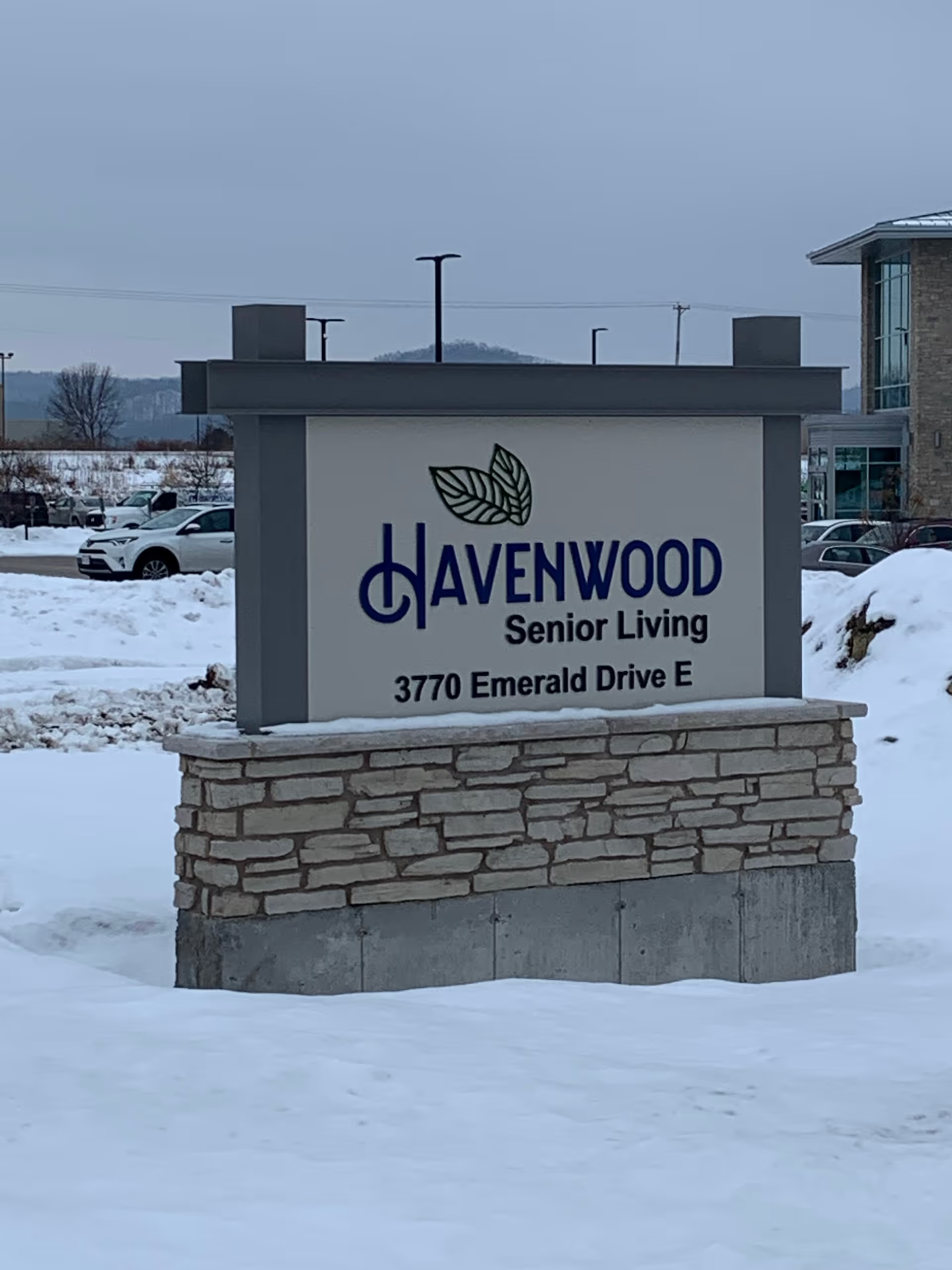
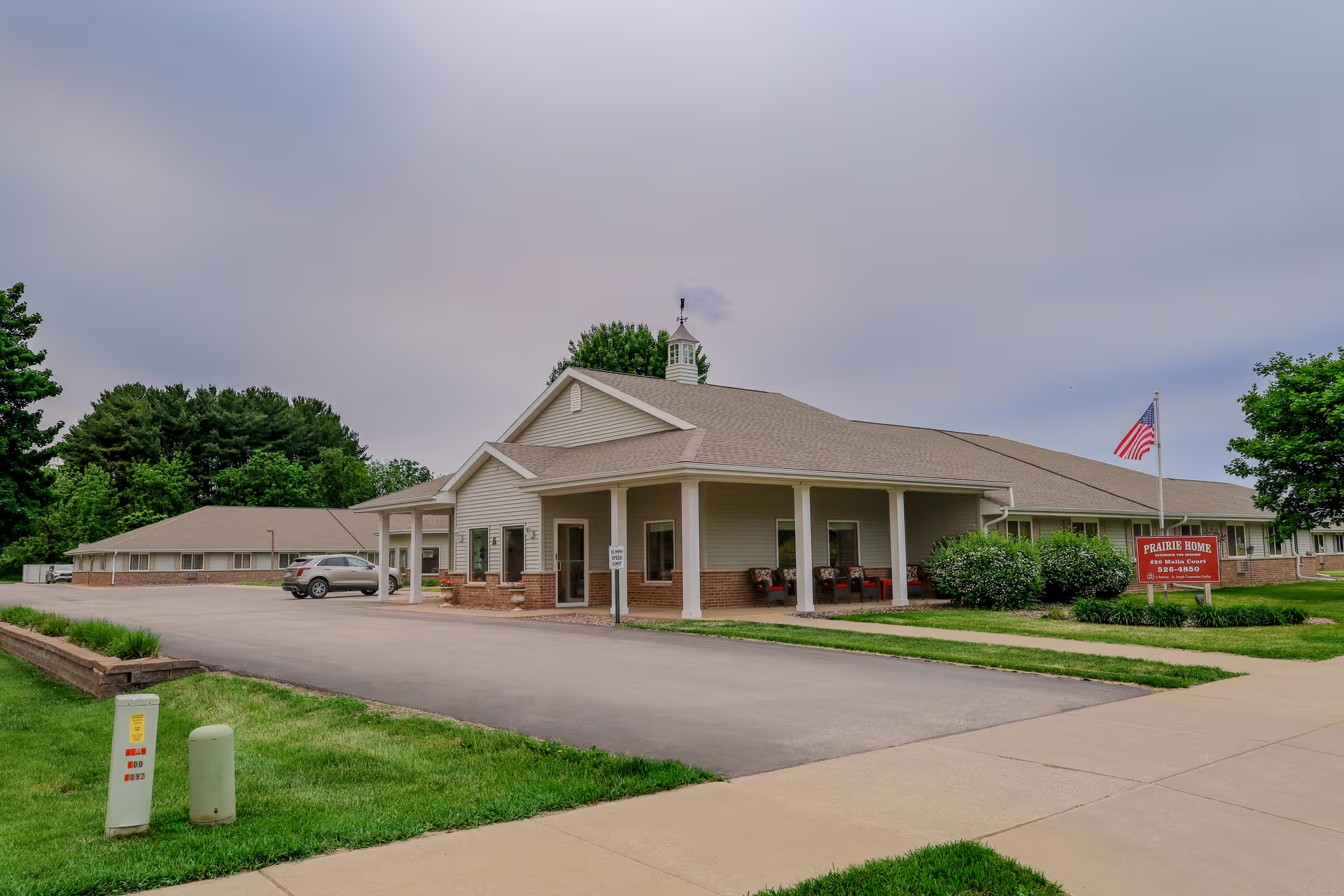
Benedictine Manor of Lacrosse receives frequent praise for its interpersonal environment and physical plant. Many families and residents describe a warm, small‑community atmosphere with friendly, welcoming residents and staff. The facility is repeatedly described as clean and recently updated, with bright, well‑decorated common areas and comfortable apartments. Housekeeping and maintenance are commonly viewed as proactive, and front‑desk and administrative staff are often described as responsive and hospitable.
Clinical and caregiving strengths are emphasized in numerous accounts: nurses, CNAs, therapists, and dietary staff are frequently characterized as compassionate, attentive, and capable. Reviewers cite strong rehabilitation and therapy services and note that staff often adapt meals for individual needs (for example, denture accommodations or weight‑gain plans). These caregiving strengths are complemented by an active activity department that offers a range of daily programs, outings, family events, and social opportunities — items such as musical performances, communal dinners, and volunteer opportunities contribute to a lively social environment.
Despite the positive themes, there is a notable cluster of operational concerns relating to clinical care continuity. Several reviewers described delays in clinical response and follow‑up, instances where medication changes were not implemented in a timely manner, and gaps in nutrition monitoring that correlated with weight decline and need for external medical attention. These accounts point to broader facility‑level issues such as staffing shortages or coverage variability, inconsistent shift‑to‑shift practices, and occasional breakdowns in coordination between clinical staff, families, and outside providers.
For prospective residents and families, the overall pattern is mixed but leans positive with respect to day‑to‑day environment, social life, dining experience, and the general attitude of staff. At the same time, the clinical continuity concerns are material and warrant direct inquiry. Recommended due‑diligence steps include asking about current staffing ratios and recent staffing stability, the facility’s protocol for implementing medication changes and documenting those changes, nutrition‑monitoring procedures and weight‑loss escalation triggers, and how the team communicates with families and external clinicians during clinical changes. Observing a shift change and reviewing a sample care plan or medication administration record can also help assess whether the facility’s day‑to‑day clinical practices align with the positive aspects many reviewers describe.