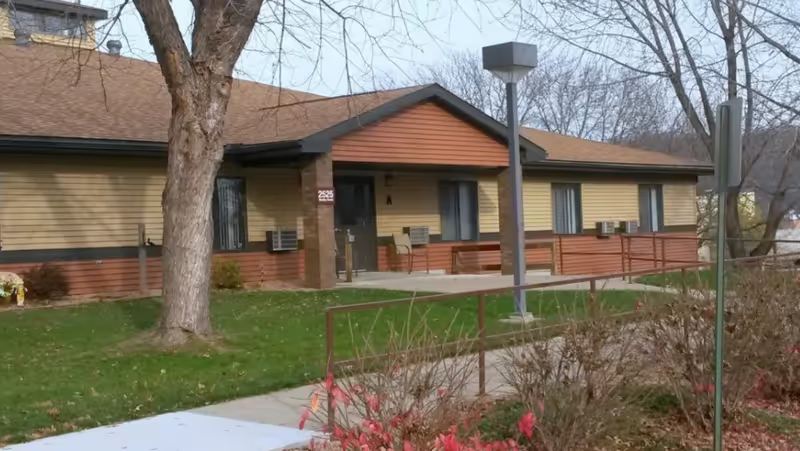
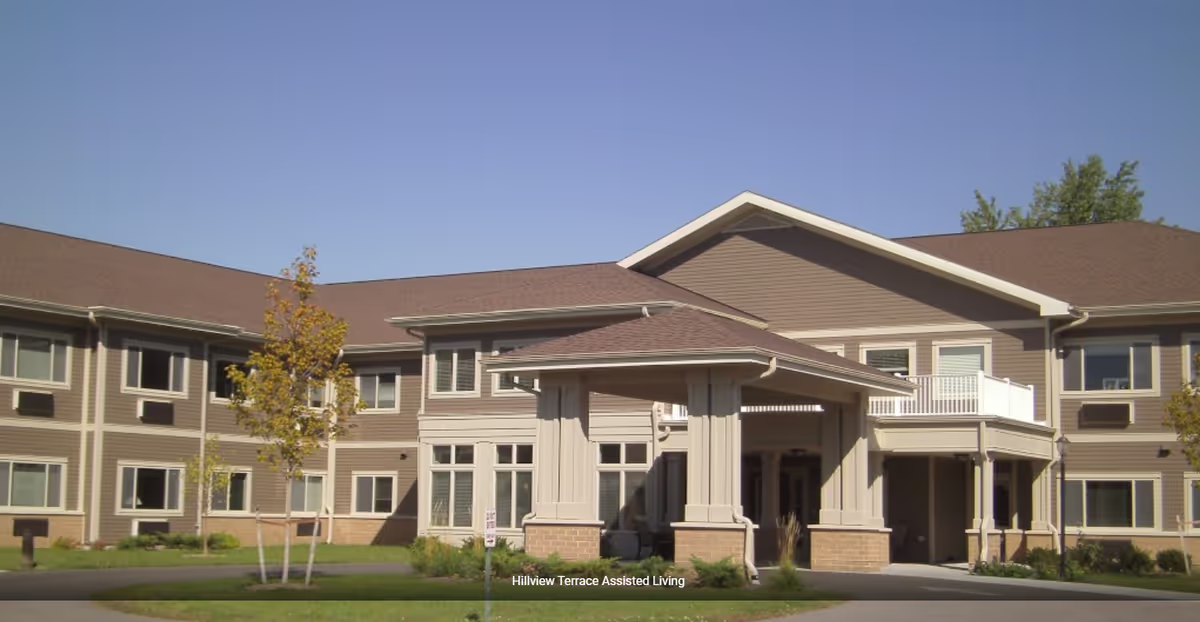
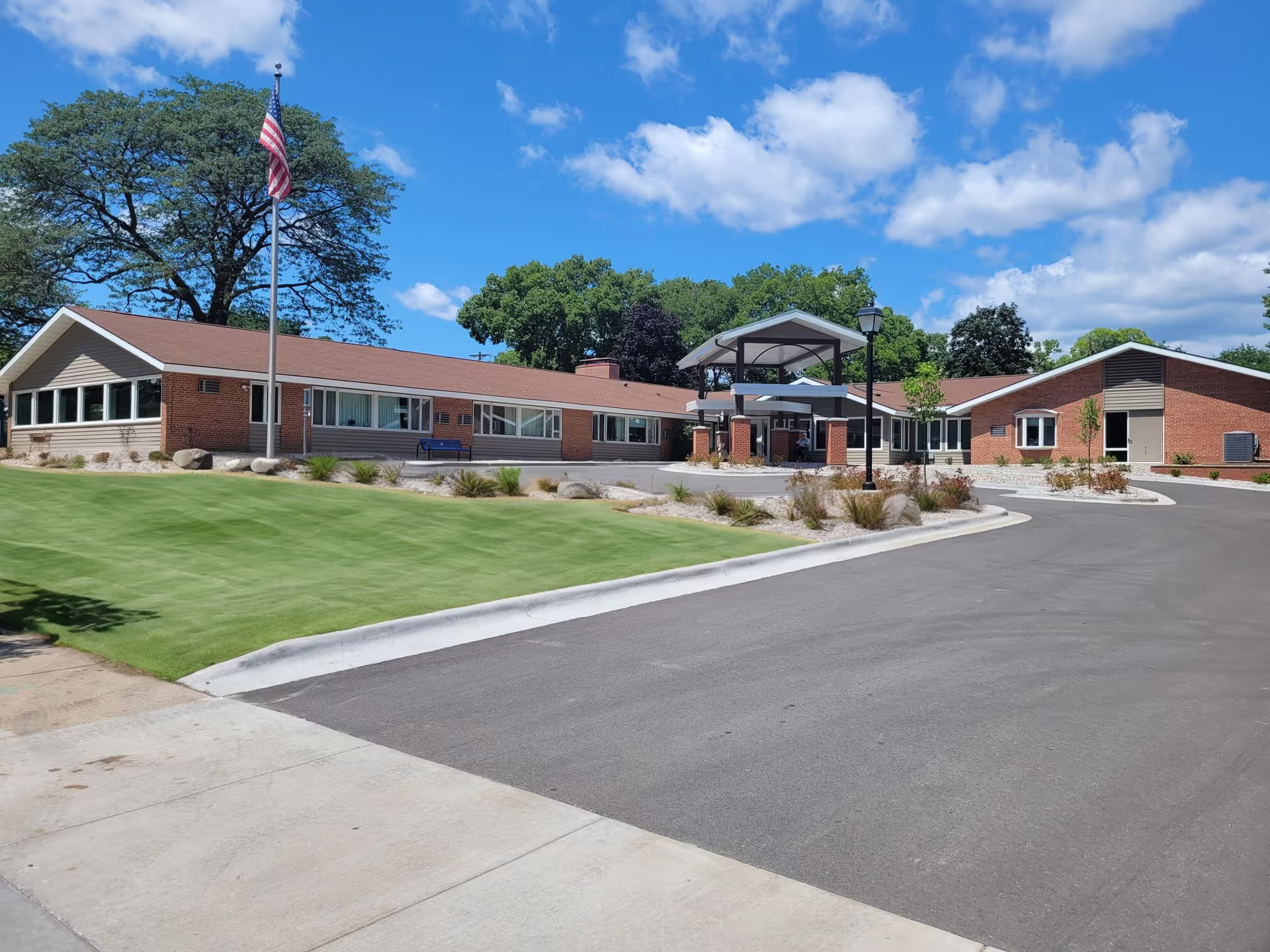
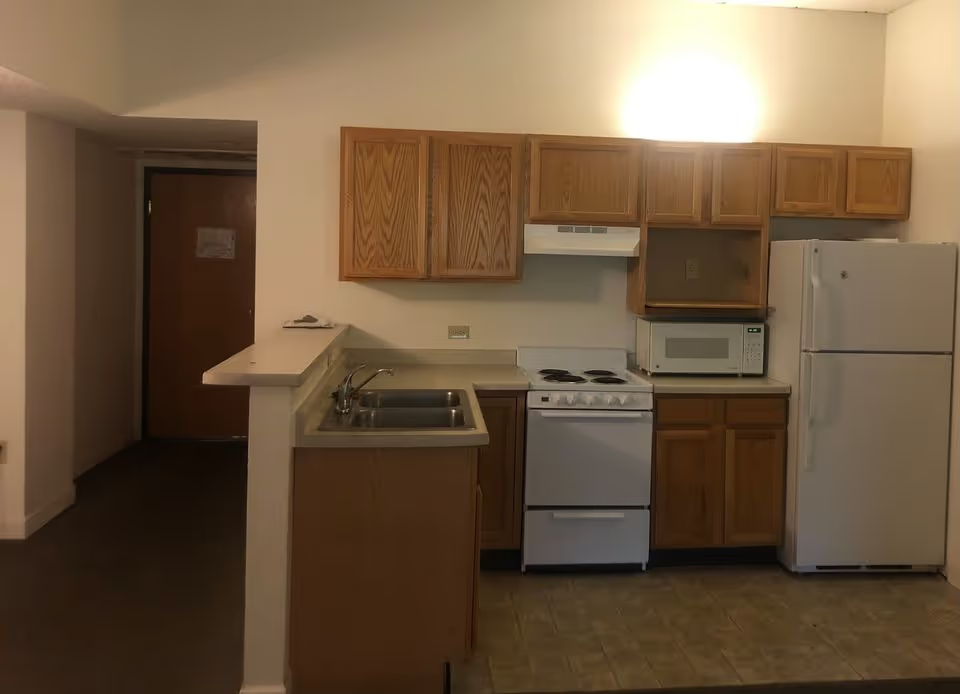
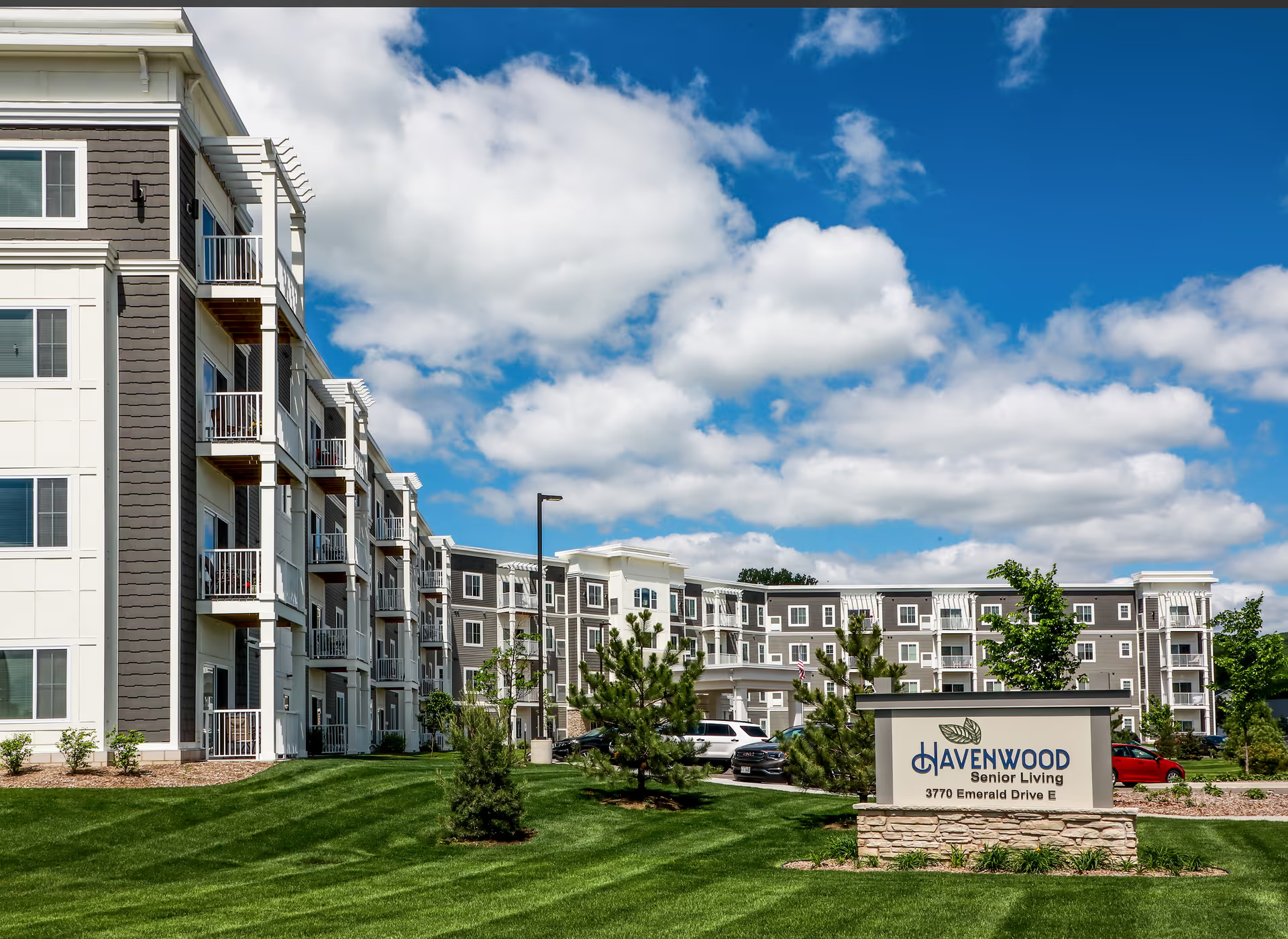
Reviews present a mixed but clear pattern of strengths and operational weaknesses. On the positive side, families and residents frequently describe a physically welcoming community with ample common areas, bright lounges, and opportunities for personalization within apartments. The campus layout and policies support independent roaming, outdoor engagement (including gardening and bird-feeder views), and a pet-friendly environment. Several accounts highlight practical conveniences associated with independent-living apartments: routine trash removal, light housekeeping, laundry services, on-site maintenance and salon access, and assistance with move-in and admissions processes.
Staffing and direct care elicit divided impressions. A substantial portion of feedback praises the staff as warm, compassionate, and responsive — with specific individuals and the memory-care and hospice teams singled out for supportive, above-and-beyond help. Activity programming is often described as robust when offered: scheduled calendars, socialization opportunities, and structured recreational options contribute to an engaged atmosphere. However, contrasting comments describe inconsistent staffing levels (notably during night shifts), delayed responses to call lights and care requests, and occasions where clinical follow-through such as bathing, feeding, or medication adjustments was slow. These operational shortfalls are associated with concerns about safety monitoring and fall prevention.
Dining and lifestyle services similarly show variability. The facility provides formal dining, multiple meal options, and accommodations for dietary needs; some residents report nutritious and well-served meals. Other reviewers note inconsistent food quality and meal-service reliability. Activity availability has also been affected by infection-control measures; while safety protocols such as screening and masking were appreciated by some during visiting restrictions, program reductions were described by others as limiting social engagement.
Facility-level operational issues recur across reviews. Communication between families and staff is inconsistent: unclear escalation paths, limited written updates, and difficulty reaching management or the director were commonly mentioned. Financial and administrative concerns include unexpected price adjustments, billing inaccuracies, and perceptions of paying for services that were not consistently delivered. Sanitation and laundry quality inconsistencies, along with isolated accounts of unsecured medications and missing personal items, raise property-security and medication-management questions that the administration should address through strengthened controls and transparency.
In summary, Brookdale LaCrosse appears to offer a well-appointed living environment with many of the conveniences and social resources families seek, supported in many instances by dedicated and attentive staff. At the same time, prospective residents and their families should evaluate operational reliability: confirm staffing patterns (especially overnight coverage), review communication protocols and escalation contacts, ask for details about medication handling and care-planning documentation, and verify billing practices and service inclusions. These targeted inquiries can help align expectations with the facility's current performance and ensure an informed move-in decision.