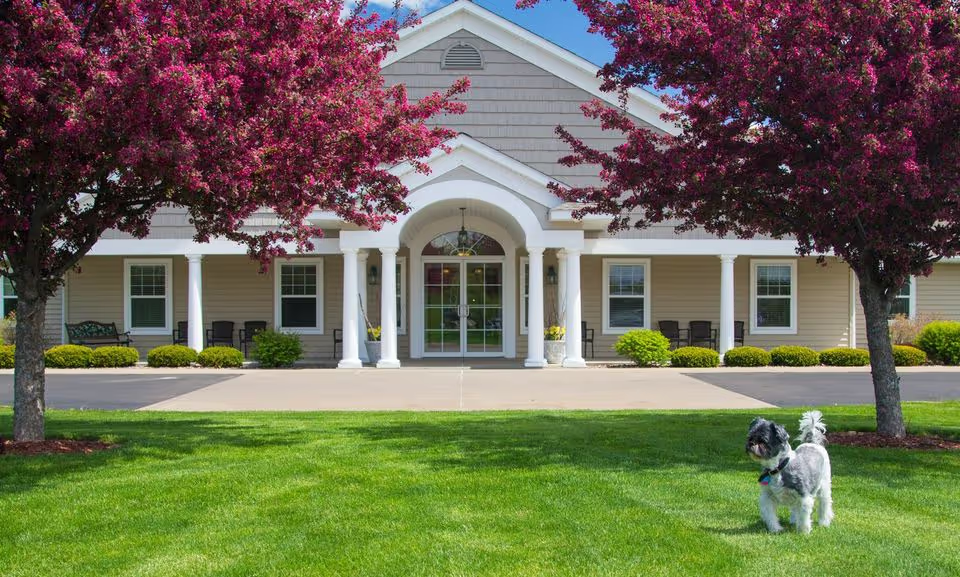
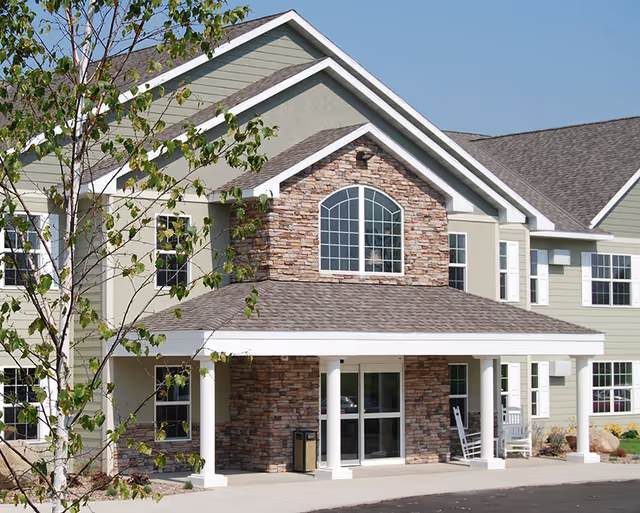
The reviews for VitaCare Living Ladysmith I present a consistently positive picture, with multiple reviewers highlighting strong care quality and a supportive, family-oriented atmosphere. Care quality is frequently emphasized: reviewers note that residents receive good, individualized attention and that staff are attentive and compassionate. Specific care-related strengths mentioned include reliable medication management (staff "ensures meds") and assistance with eating, which suggests competency in both clinical oversight and hands-on daily care. Reviewers characterize staff as patient and kind, including in interactions with residents who have dementia, indicating that the facility is perceived as capable of meeting needs associated with cognitive impairment.
Staff performance and interpersonal qualities emerge as the central theme across the summaries. Descriptors such as "helpful," "caring," "attentive," "compassionate," and "treat like family" recur, painting a picture of a workforce that builds warm relationships with residents and their families. The presence of humor is noted, suggesting staff can blend professionalism with a personal touch that contributes to residents' quality of life. Multiple reviewers explicitly state they would recommend the facility, reinforcing that the staff-resident rapport and day-to-day interactions leave a favorable impression.
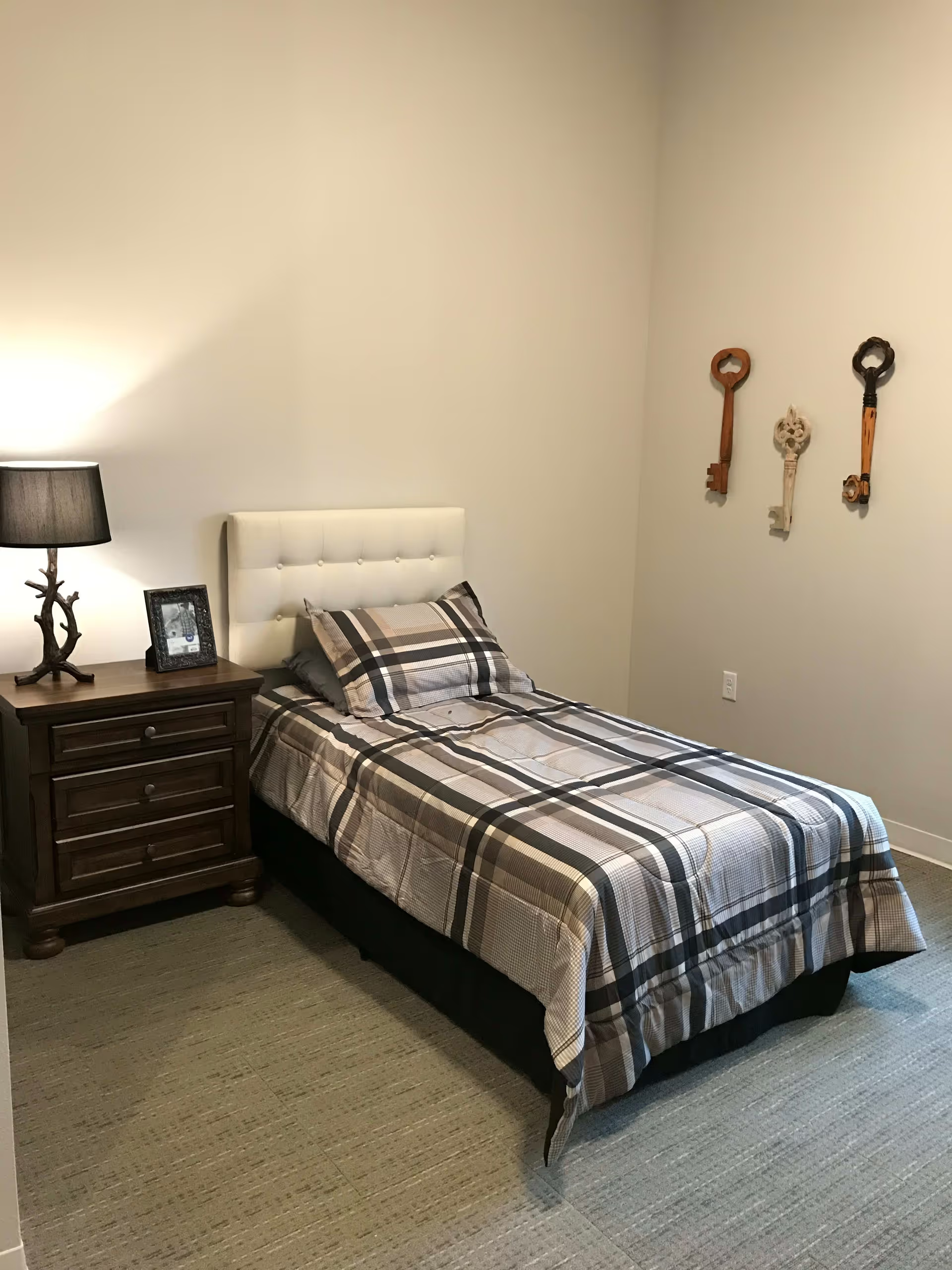
Facility upkeep and daily living aspects are also positively reported. The environment is described as clean, with room cleaning and general tidiness called out specifically. Dining receives favorable mention—reviewers "liked meals"—and the combination of enjoyable meals plus staff assistance with feeding where needed indicates attention to both nutrition and comfort. Regular activities are noted, implying the facility offers programs that engage residents socially and recreationally, which supports emotional and cognitive wellbeing.
While direct references to management, administrative processes, safety protocols, or staffing levels are not provided in these summaries, the operational implications can be inferred cautiously: consistent praise for medication oversight, assistance with meals, and routine cleaning implies organized care processes and dependable staff practices. However, the reviews do not provide specifics on response times to urgent needs, staffing ratios, costs, or specialized clinical services beyond dementia care. These areas are therefore not assessable from the supplied comments.
Overall sentiment is strongly positive and centered on human elements—compassionate caregiving, individualized attention, and a family-like culture—supported by clean facilities, regular activities, and satisfactory meals. The most notable patterns are (1) consistently high praise for staff demeanor and relationship-building with residents, (2) specific competence in caring for residents with dementia and managing medications, and (3) good housekeeping and meaningful daily programming. The primary limitation of this assessment is the narrow review content: no reviewers mentioned negatives or concerns, nor did they provide detail on cost, clinical outcomes, safety incidents, or long-term care planning. For prospective residents or families seeking a fuller evaluation, follow-up questions about staffing levels, clinical credentials, emergency procedures, and sample activity/dining menus would be recommended to complement the uniformly positive experiential feedback reflected here.