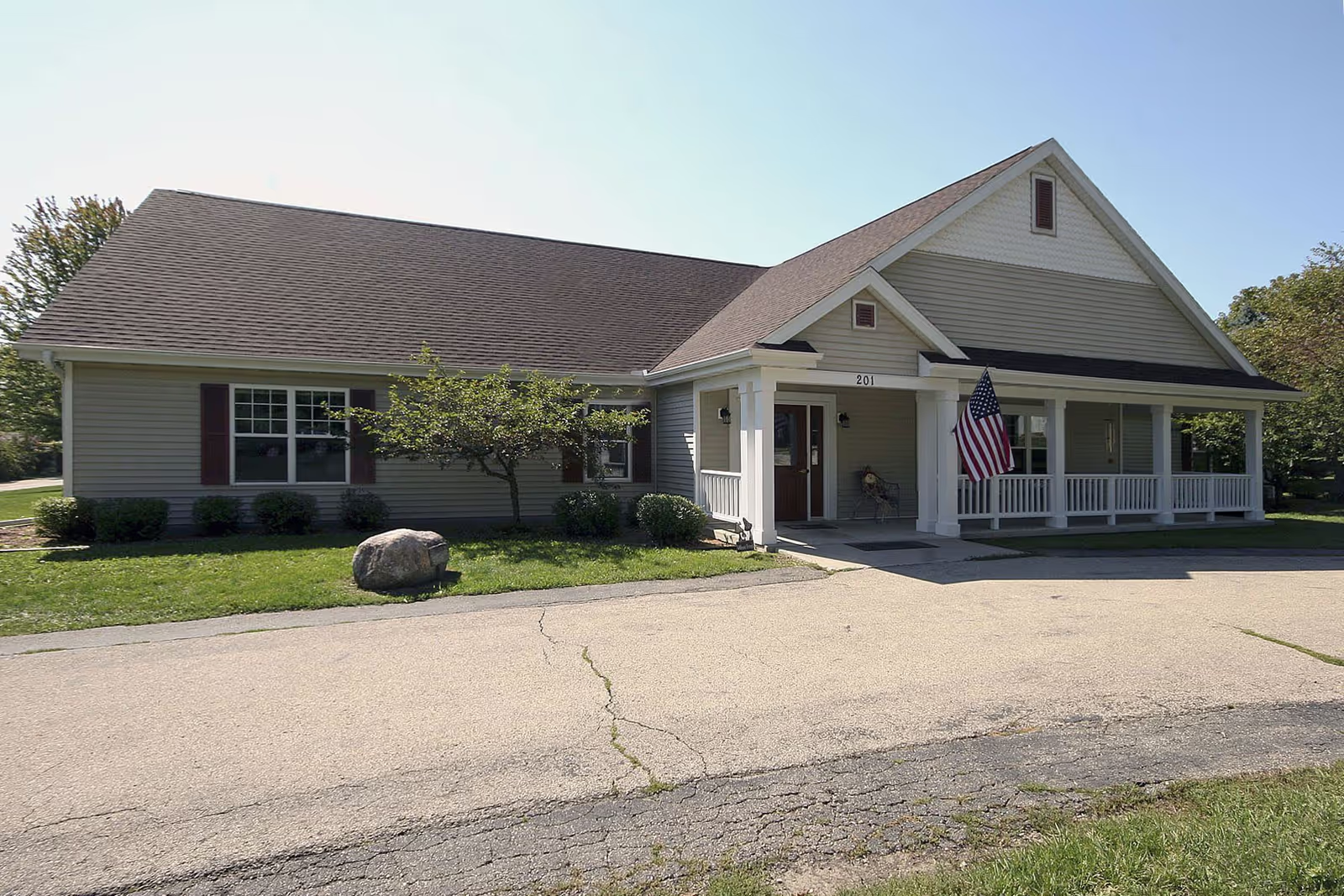
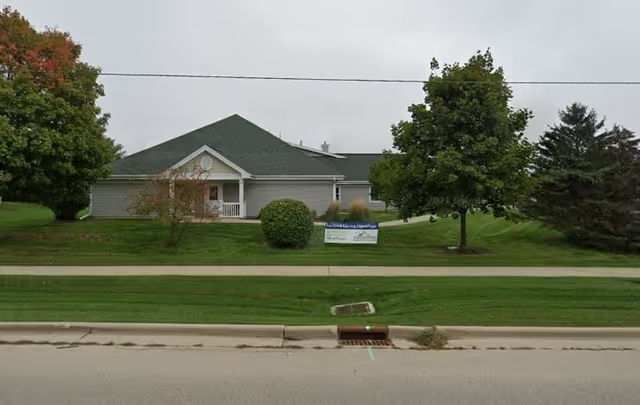
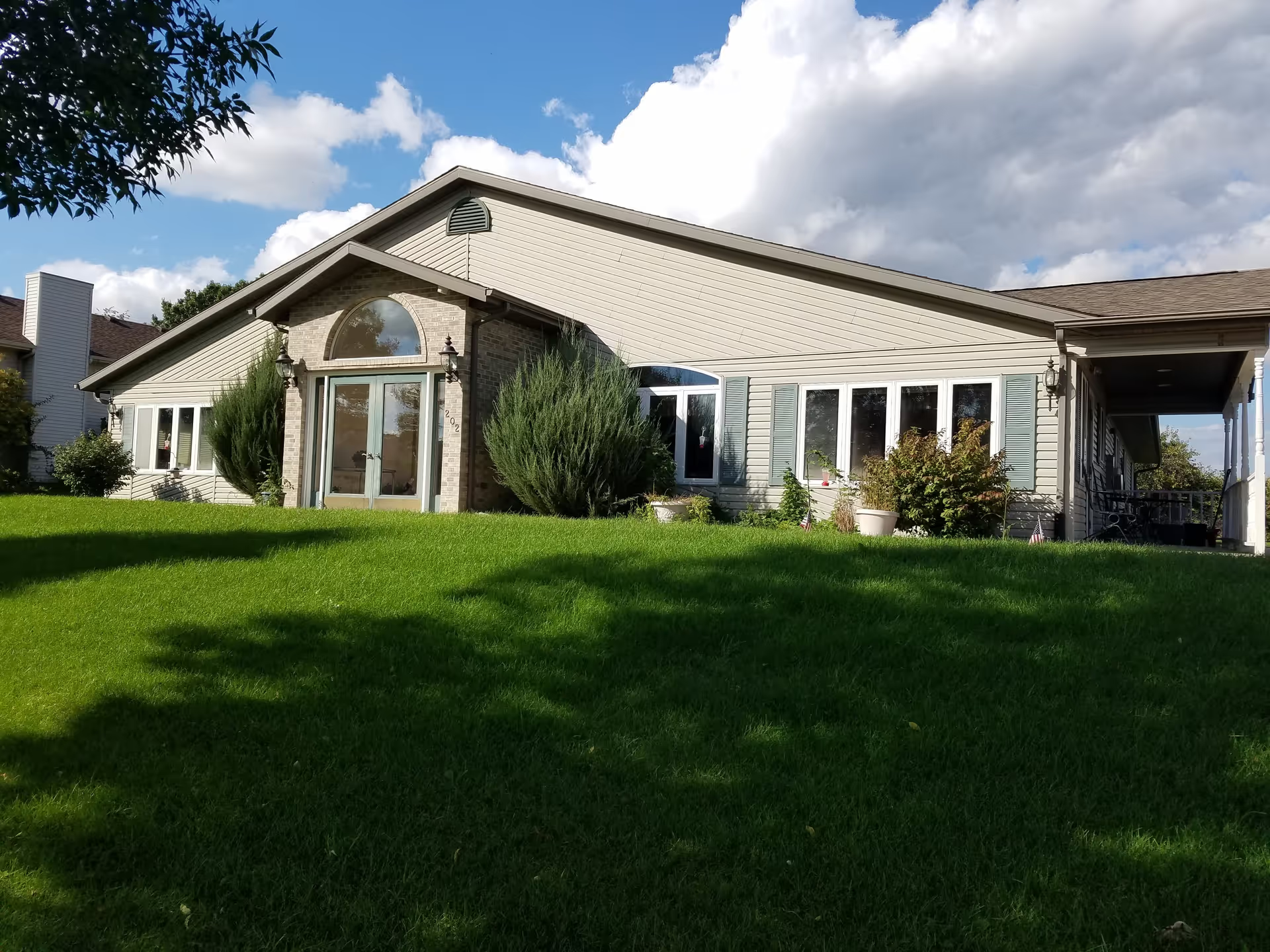
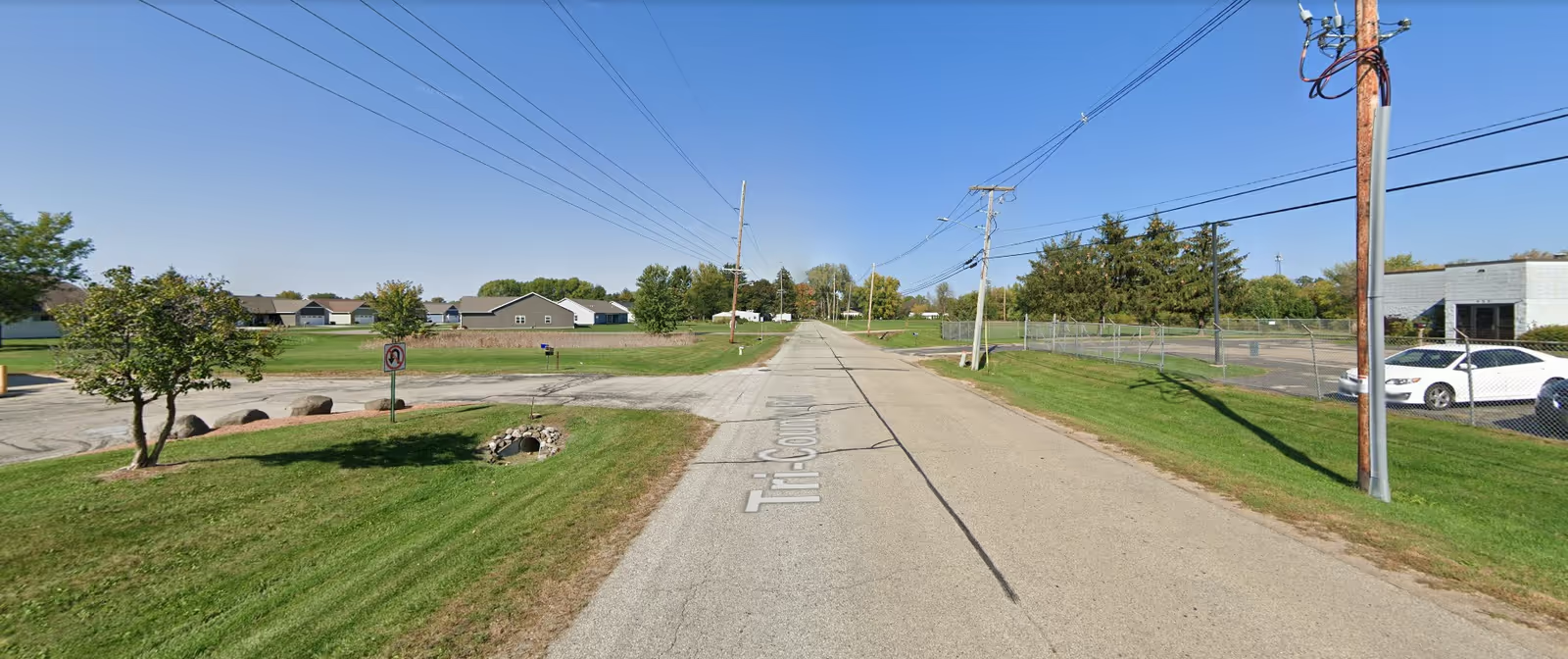
Reviewers describe Lilac Springs as a small, home-like assisted living with a bright, well‑maintained physical plant and active common spaces, including an outdoor patio. Many families praised the facility’s intimate size, cleanliness, and the availability of daily activities and social programming. Several accounts highlighted a positive dining environment and compassionate direct-care staff who provide hands-on support, personal gestures for residents, and collaboration with hospice when appropriate.
Care quality assessments are mixed. Positive remarks emphasize caring, attentive caregivers who are present around the clock and who make individualized efforts for residents. At the same time, concerns center on inconsistent clinical practices: variability in staff training, occasional medication-administration and timing lapses, and incontinence-care delays leading to sanitation concerns. Dementia care was described as a strength by some families but as inconsistent or unsuitable by others, indicating variation in staff capability and experience with memory‑care needs.
Staff culture appears to be a primary strength and a primary liability depending on timing and personnel. Many reviewers conveyed that current caregivers and some administrators are compassionate, communicative, and willing to go above and beyond for residents; a number of comments describe staff using personal resources to enhance resident comfort. Conversely, other reviewers described periods of unfriendly or unprofessional conduct, and several cited administrative turnover that disrupted continuity of care and introduced documentation errors.
Administrative and operational themes recur across reviews. Families reported episodes of lost paperwork, repeated signatures, disputed price increases, and uneven responsiveness from ownership or leadership—particularly following resident health events and deaths, which produced additional family concern about communication and follow-up. These operational weaknesses were often described in tandem with staffing instability, suggesting that leadership and staffing practices are key determinants of the day‑to‑day experience.
For prospective residents and families: many current comments indicate a warm, small-scale community with caring direct-care staff and a pleasant facility. At the same time, the pattern of variable management, training gaps, and occasional clinical and documentation problems suggests due diligence is warranted. Recommended questions on a tour include staffing ratios and turnover, dementia‑care training and protocols, medication-administration procedures, incontinence-care routines, how the facility communicates after significant health events, and the specifics of billing and price-change policies. Observing staff–resident interactions and requesting recent inspection or staffing records can help clarify whether the positive caregiver culture is stable and whether operational gaps have been addressed.