Overall impression: Reviews show a strongly mixed but explainable pattern: many families praise the interpersonal culture, activities, and environment, while others describe operational and clinical gaps that can materially affect resident experience. The facility presents as a well-kept, amenity-rich senior community with visible strengths in social programming and dementia-focused services, but with recurring concerns about staffing stability, clinical processes, and administrative follow-through.
Care quality and clinical oversight: Clinical reports are mixed. Positive accounts emphasize compassionate, attentive caregivers, hospice-capable staff, and an on-site medical director who is a geriatrician; some families said medication management and clinical responsiveness were handled well. Conversely, other reviews describe inconsistent clinical oversight (including limited RN coverage on some shifts), unreliable medication administration, and delays in personal-care tasks such as bathing and continence support. There are also recurring mentions of falls and bruising that point to gaps in fall-prevention and safe-transfer practices. The pattern suggests that the community can provide good everyday care and palliative/hospice support, but prospective families should verify nursing coverage, medication protocols, and fall-prevention systems if the resident has complex medical needs.
Staff and management: Staff demeanor is frequently singled out as a major strength — caregivers are commonly described as kind, respectful, and engaging, with many families noting specific employees and leadership who respond quickly and personally. At the same time, there are repeated comments about high turnover, understaffing, variable training levels (some caregivers not certified at the expected levels), and inconsistent middle-management performance. Many reviewers praised prompt executive-level responses when concerns were raised, but others experienced poor shift-to-shift communication and chaotic moments. This mixed pattern indicates capable frontline employees and responsive leadership in some situations, tempered by operational instability that can affect continuity of care.
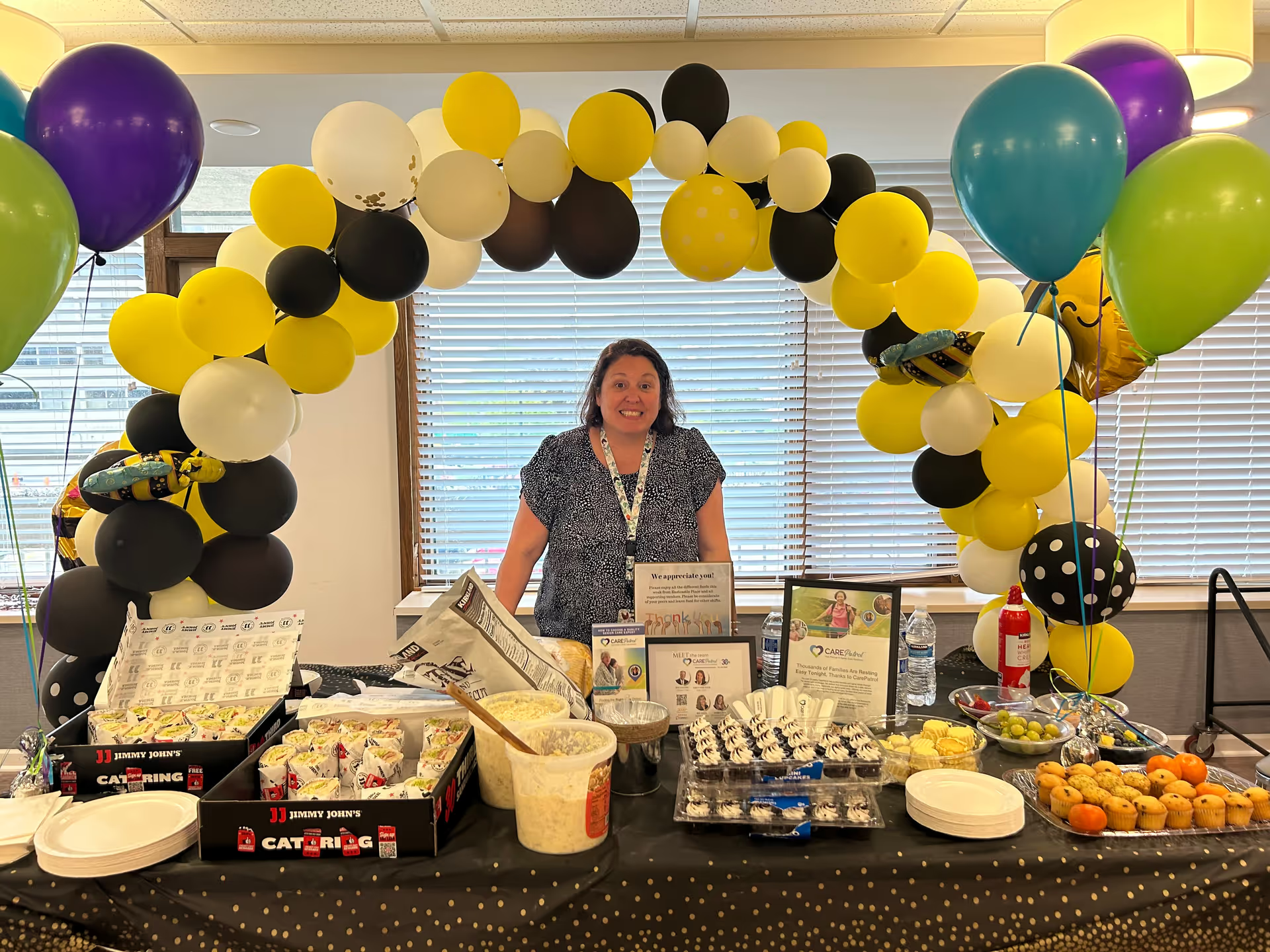
Dining and activities: Dining is a consistent positive: reviewers report fresh, well-prepared meals, an involved chef, and enjoyable communal dining experiences. The activity program is robust and varied — bowling, bingo, trivia, music events, cooking activities, therapy animals, and frequent social events are commonly mentioned — and is a strong contributor to resident engagement and quality of life. However, activity scheduling and execution have sometimes been inconsistent; some residents require staff assistance to get to activities, and reviewers noted situations where scheduled programming did not occur or staffing was insufficient to support participation.
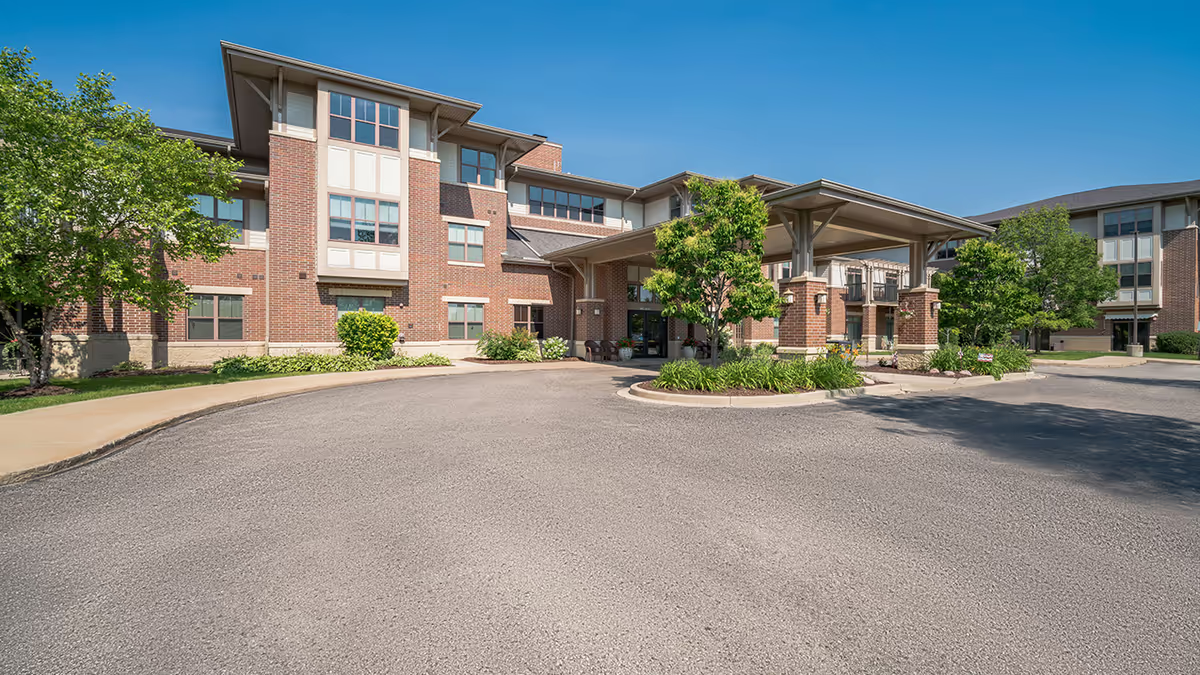
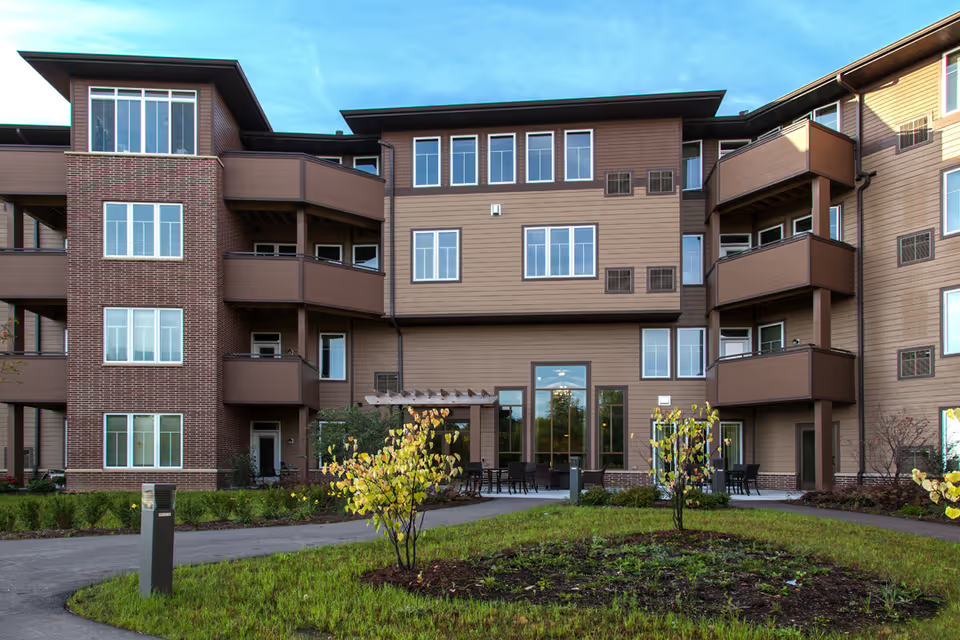
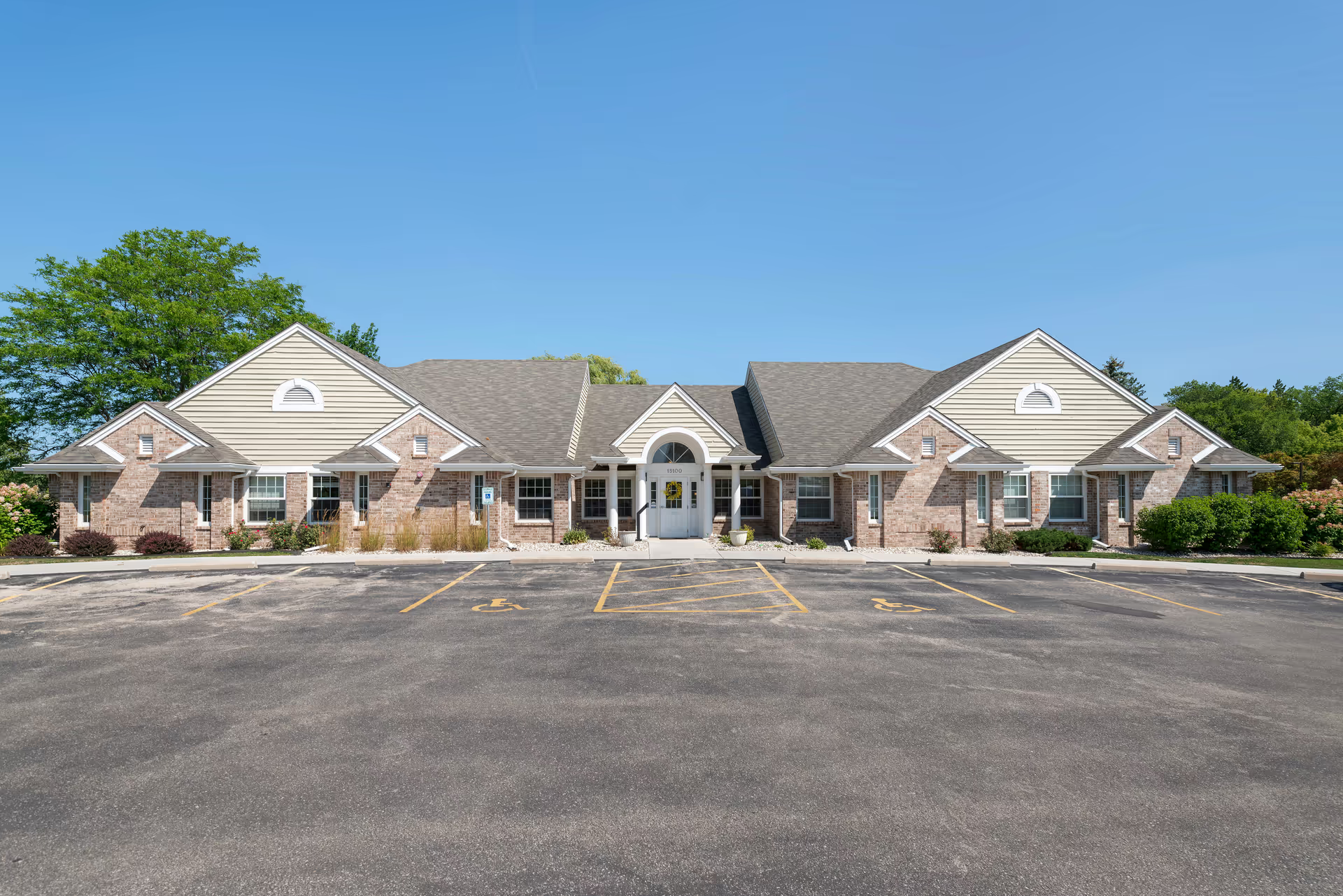
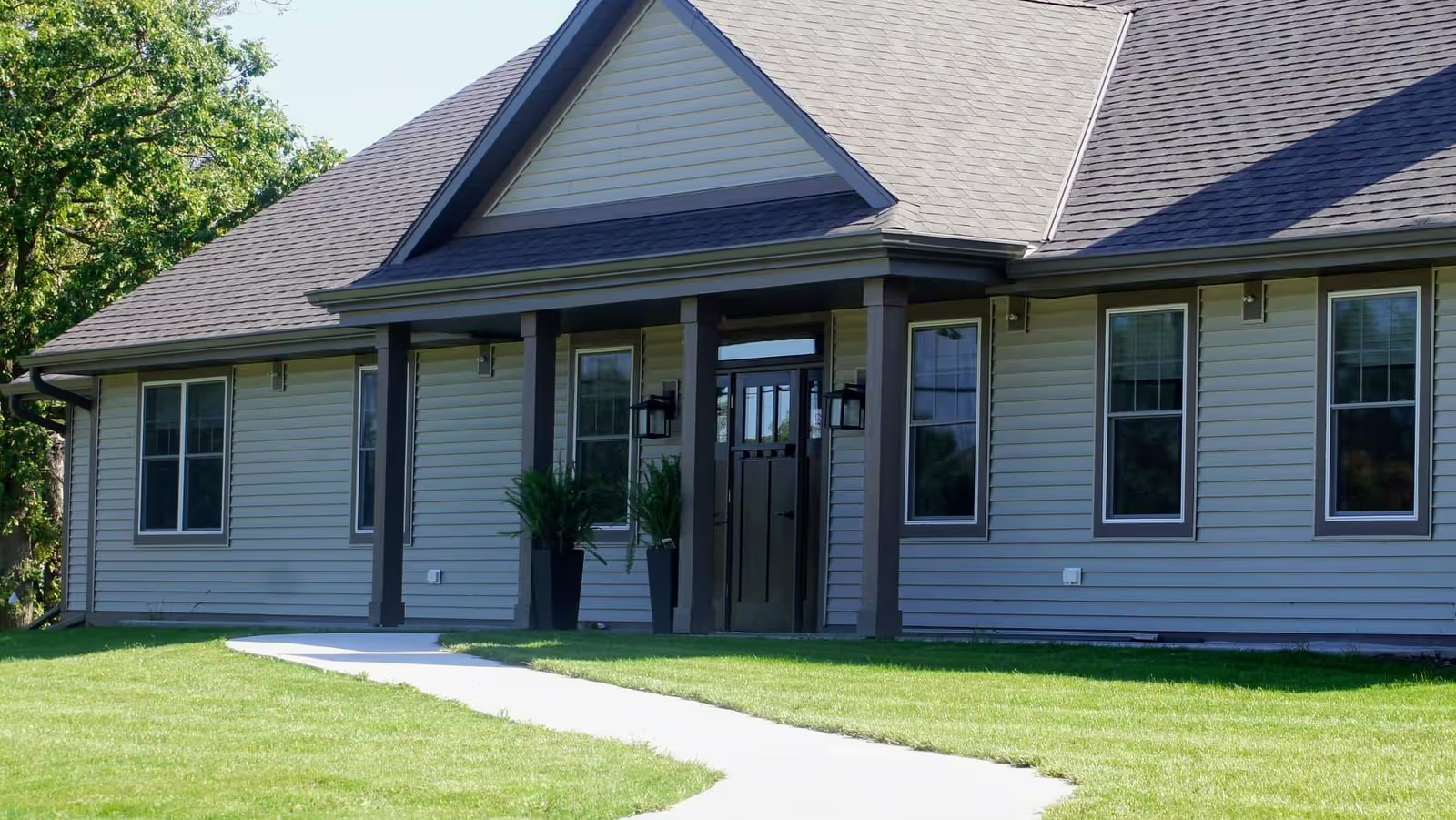
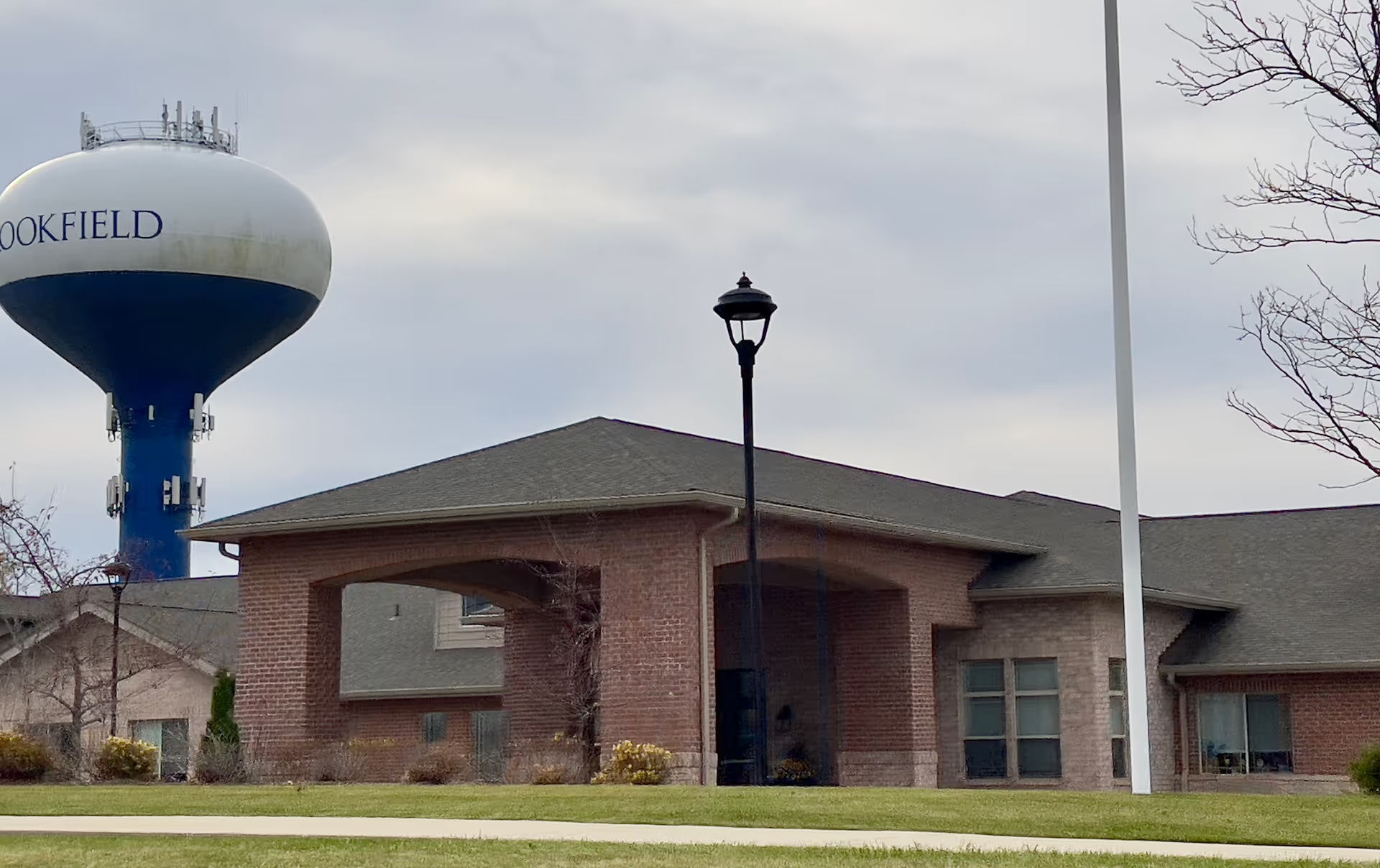
Facilities and amenities: The physical environment is generally described as clean, attractive, and home-like, with large common areas, memory-care design features (memory boxes, specialized units), and pet-friendly policies that include therapy animals and allowances for larger pets. Room configurations vary from private to semi-private and shared, and a few reviewers noted that shared rooms are small and limit personalization. Ongoing renovation work was mentioned but not consistently framed as disruptive. Security and transportation offerings (e.g., rides to medical appointments) were reported positively.
Administration, billing, and operations: Operational weaknesses include billing and insurance-authorization delays and inconsistent property-management controls that have led to lost items in some cases. Communication lapses between families and staff, and variability in visitation processes, were also noted. A few reviews referenced infection-control events; while some families reported quick remediation, these events underline the importance of asking about recent infection-control history and protocols during a tour.
Patterns and guidance for families: The pattern across reviews is polarized: many families describe a warm, active, and well-cared-for community where residents thrive socially and receive compassionate support; other families report clinically significant inconsistencies that affected safety, hygiene, or trust. Silverado Oak Village appears well suited to residents who prioritize social engagement, memory-care programming, and a family-like atmosphere. For residents with high medical complexity or fragile clinical needs, families should confirm staffing ratios, RN availability, medication-administration auditing, fall-prevention protocols, and incident-communication practices before admitting. Recommended due diligence includes an in-person observation of mealtimes and activities, direct questions about clinical coverage and training, review of billing and authorization procedures, and a discussion with the medical director about care plans for higher-acuity needs.