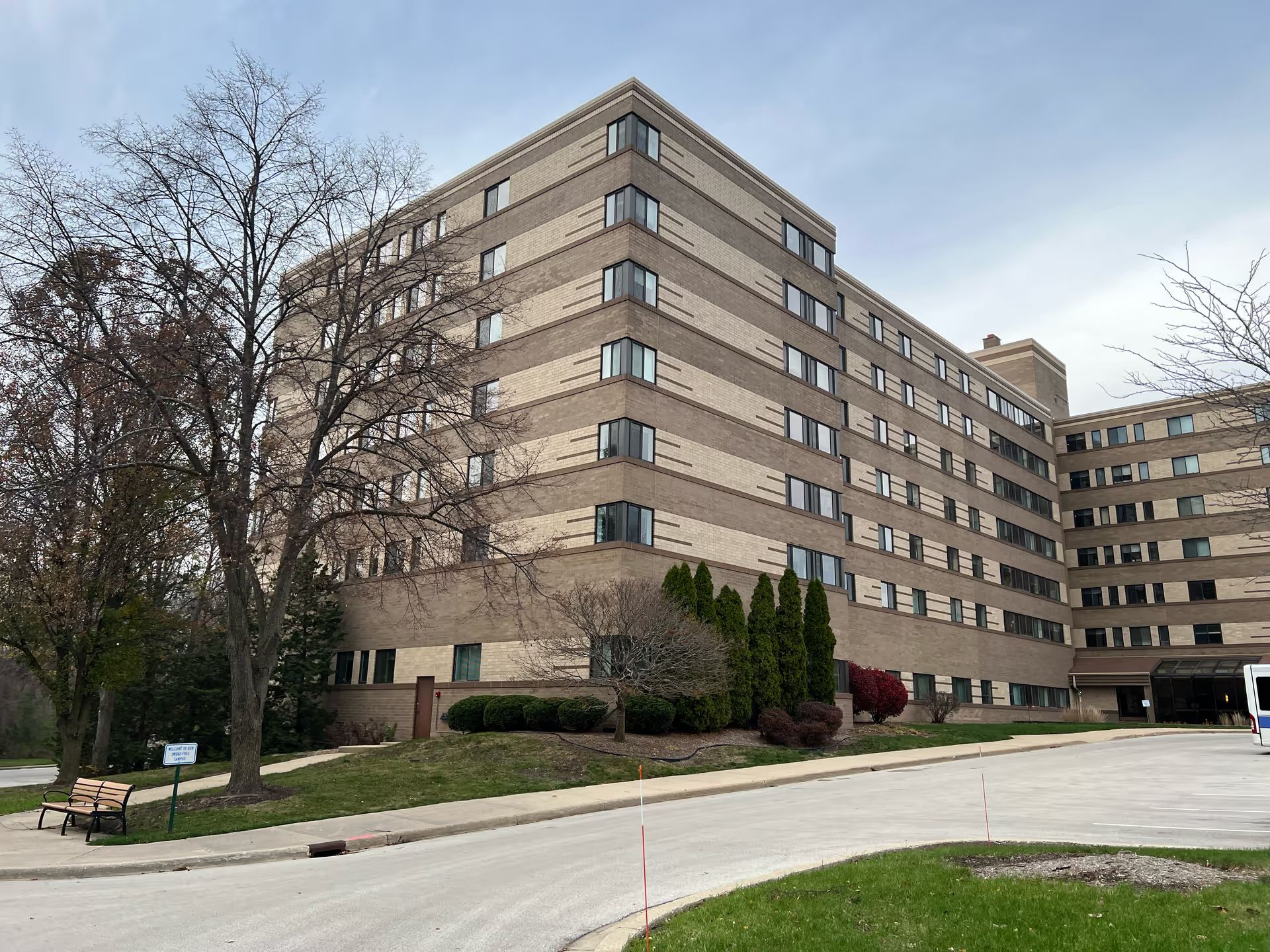
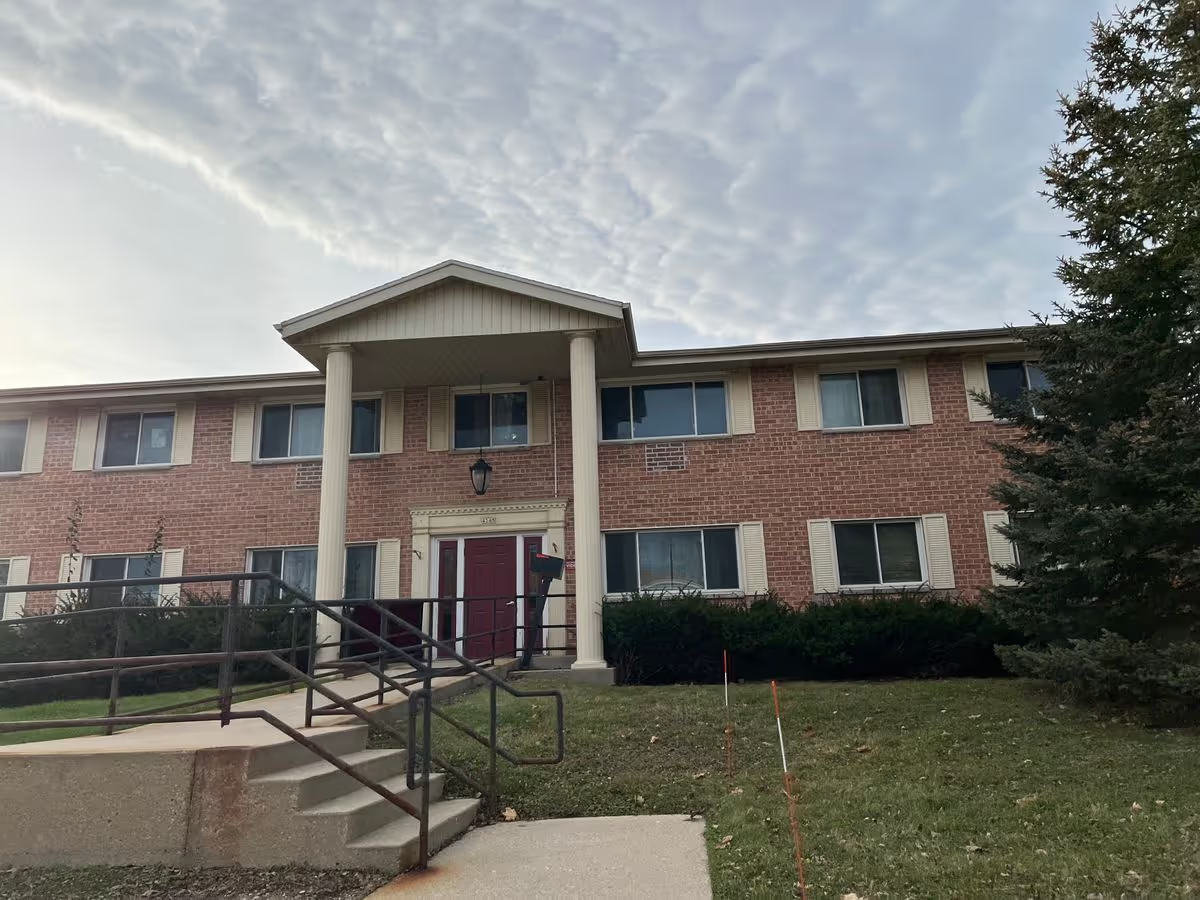
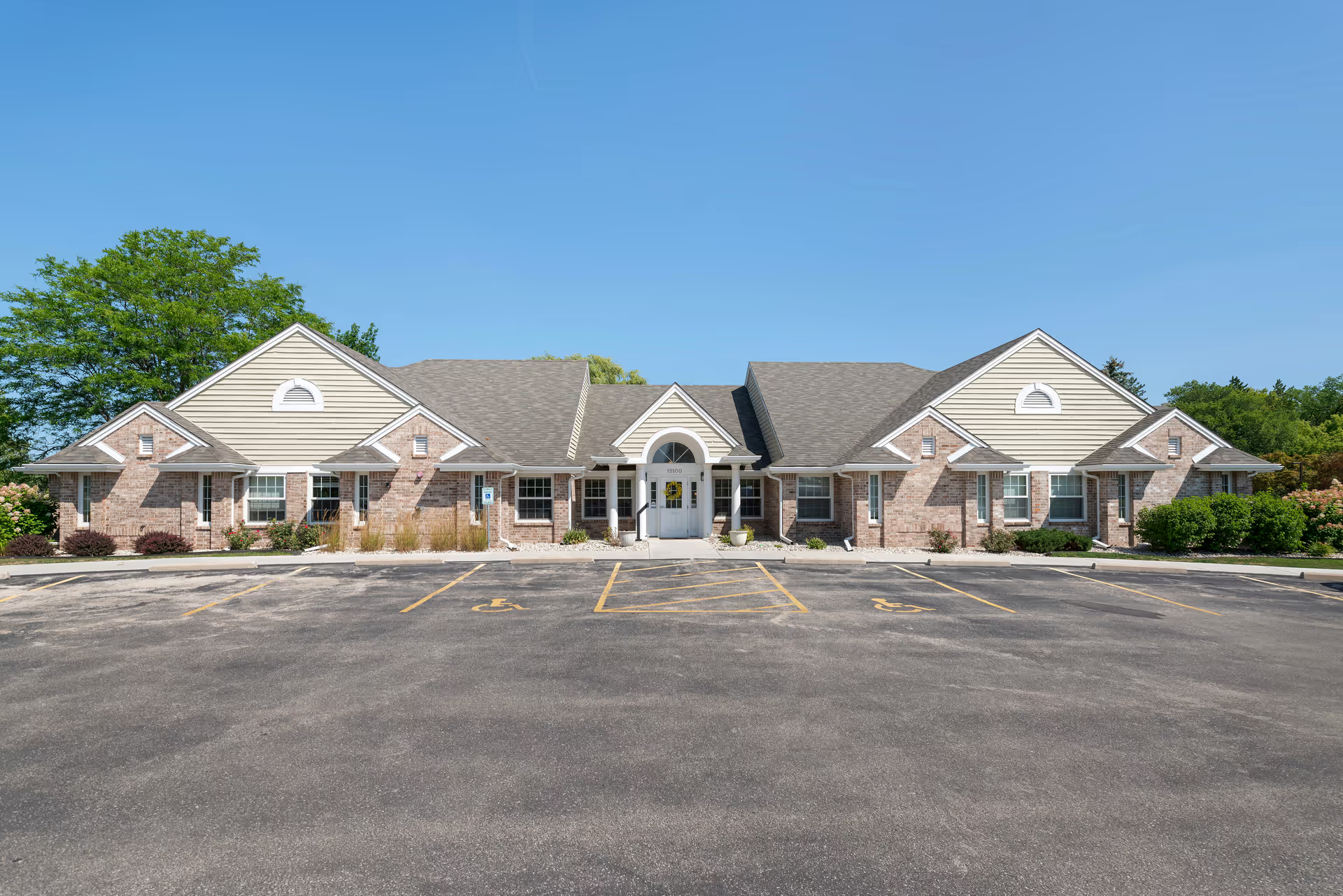
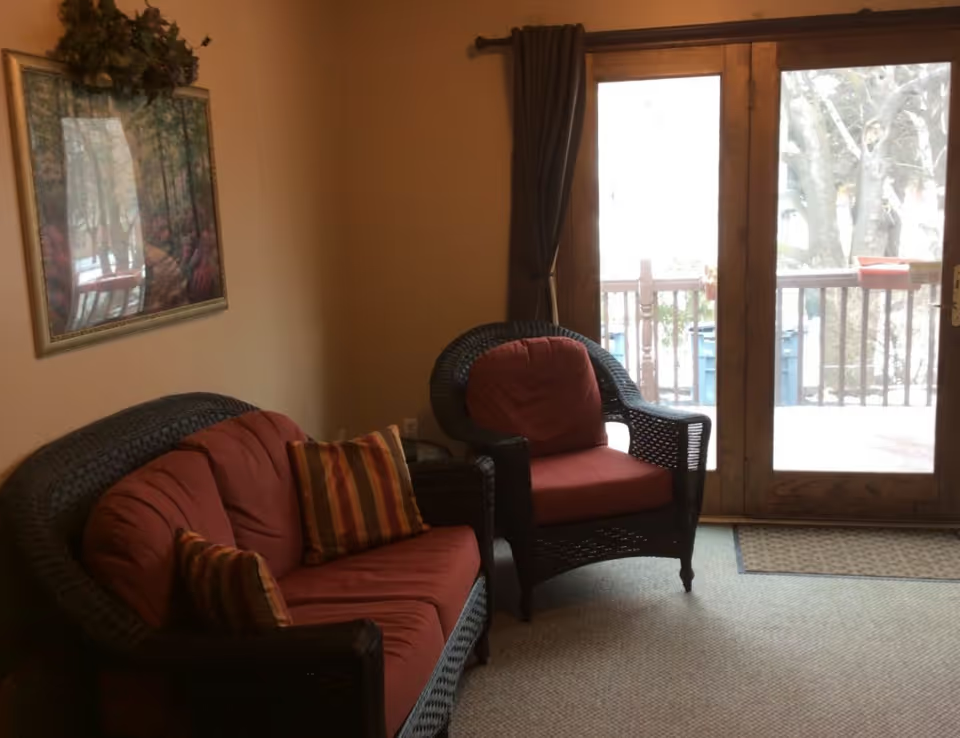
Across the summaries, CarePatrol of Milwaukee is consistently described as a highly engaged placement resource that facilitates transitions to a range of senior living options (independent living, assisted living, memory care, CBRF). Families repeatedly highlight advisors who combine clinical knowledge with practical advocacy: they arrange and accompany tours, ask targeted questions of facility staff, create apples-to-apples comparisons, and help with logistics such as move coordination, moving vendors, and follow-up visits after move-in. This hands-on model appears particularly valuable for families facing stressful, time-sensitive placements; many reviewers emphasize reduced stress and expedited placements as direct outcomes.
Care and staff at referred facilities are often described positively when highlighted: reviewers noted caring, accessible facility staff, rehabilitation services (PT/OT), salon services, podiatry availability, daily activities, and well-regarded meal service in newer facilities. Advisors from CarePatrol are repeatedly characterized as compassionate, responsive, and knowledgeable — several staff members are named and singled out for consistent, effective support. The placement team’s capabilities extend beyond selection to practical facilitation: scheduling tours quickly, narrowing choices to fit clinical and budgetary needs, and recommending complementary professionals such as elder-law attorneys and hospice agencies.
At the facility level, strengths appear to be uneven. When facilities are newer or well managed, reviewers describe attractive environments, good programming, and appropriate clinical supports. However, summaries also reveal variability in facility operational quality: some placements led to significant family concern about facility performance. That variability underscores the importance of on-the-ground verification of sanitation, staffing, and care coordination once a placement is made. Dining and activities are generally noted as positive in highlighted facilities, but these observations are facility-specific rather than universal across the network.
Management- and referral-related patterns emerge as the main area of concern. Reviewers point to inconsistent continuity of advisors (turnover or gaps in availability), and to variable reliability and coverage among partner home-health and hospice providers. There are mentions of coordination lapses between CarePatrol and referral partners, unexpected pricing changes from referred agencies, and occasional perceptions that referral incentives might influence options offered. A more systemic issue implied by several comments is incomplete verification of a facility’s real-time operating condition prior to placement, which can lead to families encountering operational problems that were not anticipated.
In summary, families seeking placement support from CarePatrol of Milwaukee can generally expect active advocacy, rapid coordination, emotional support, and helpful local knowledge of facilities and services. The principal caveats are operational: confirm advisor continuity, clarify partner-service coverage and pricing up front, and perform independent, current verification of a facility’s day-to-day operations before finalizing placement. These steps will help mitigate the documented variability in partner and facility performance while preserving the clear logistical and emotional benefits that many families experienced.