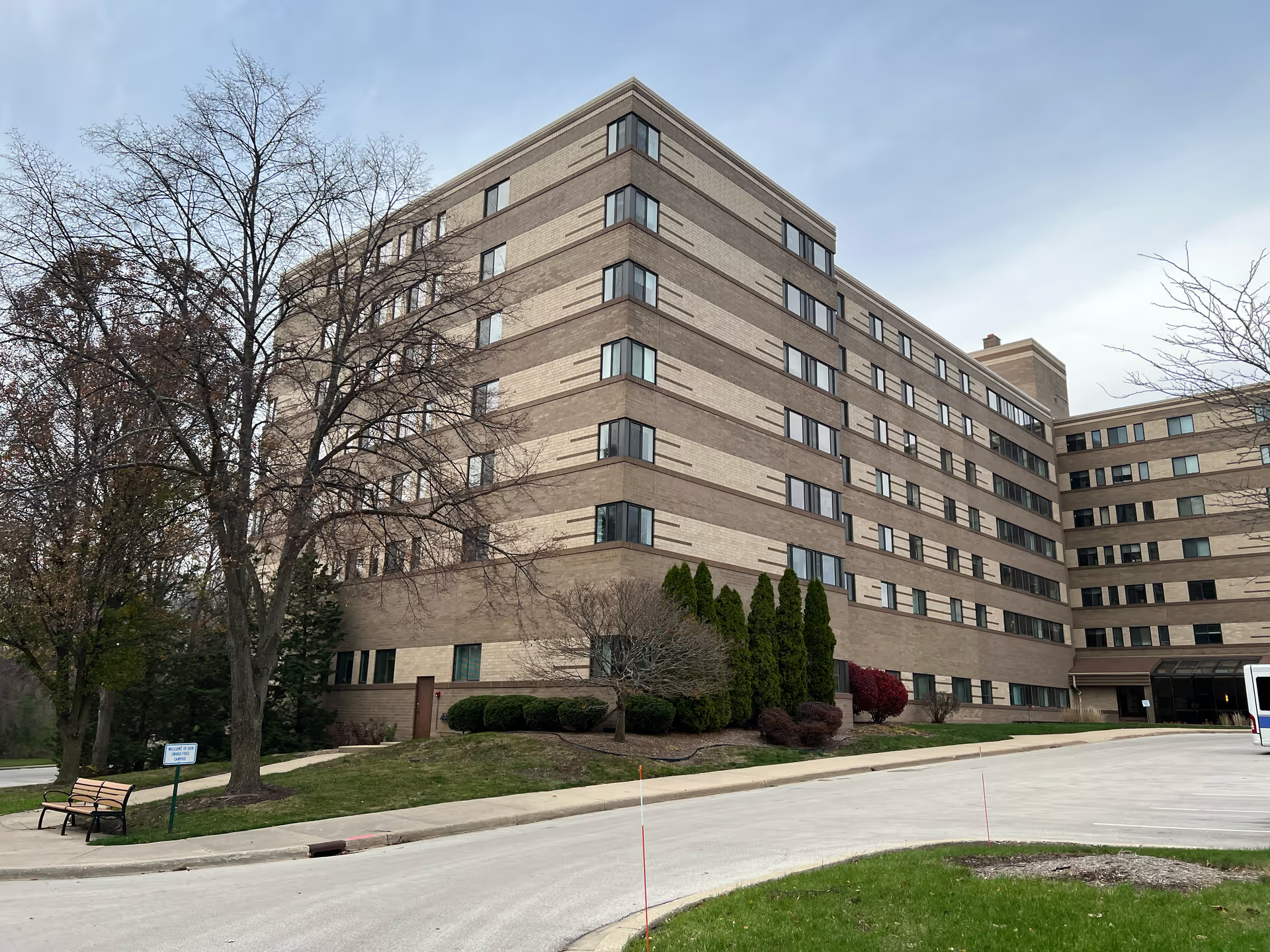
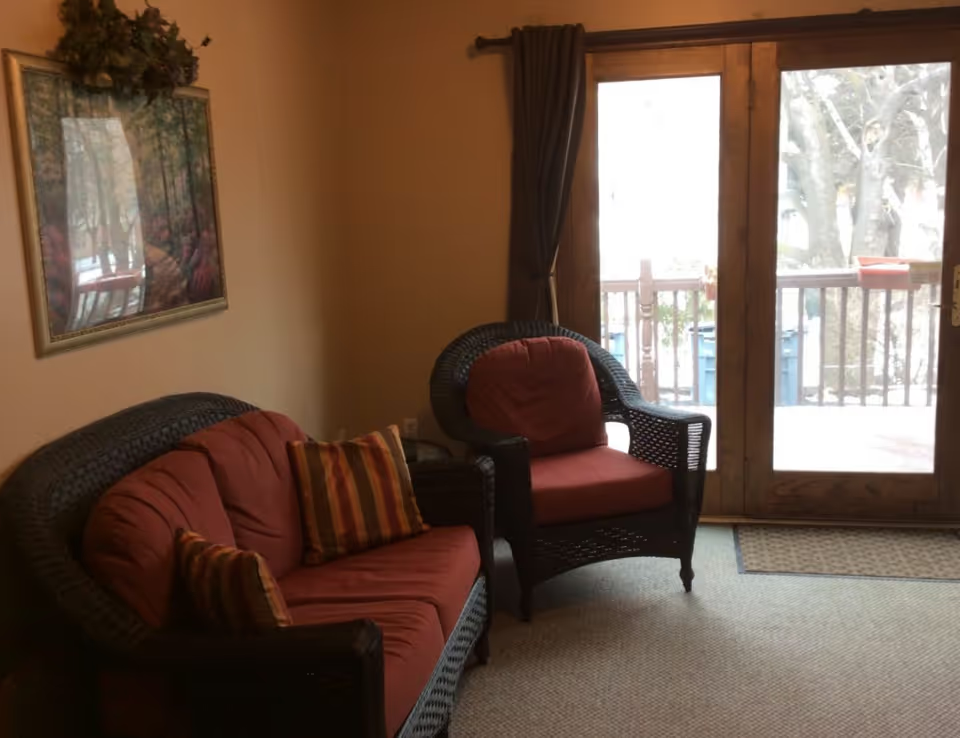
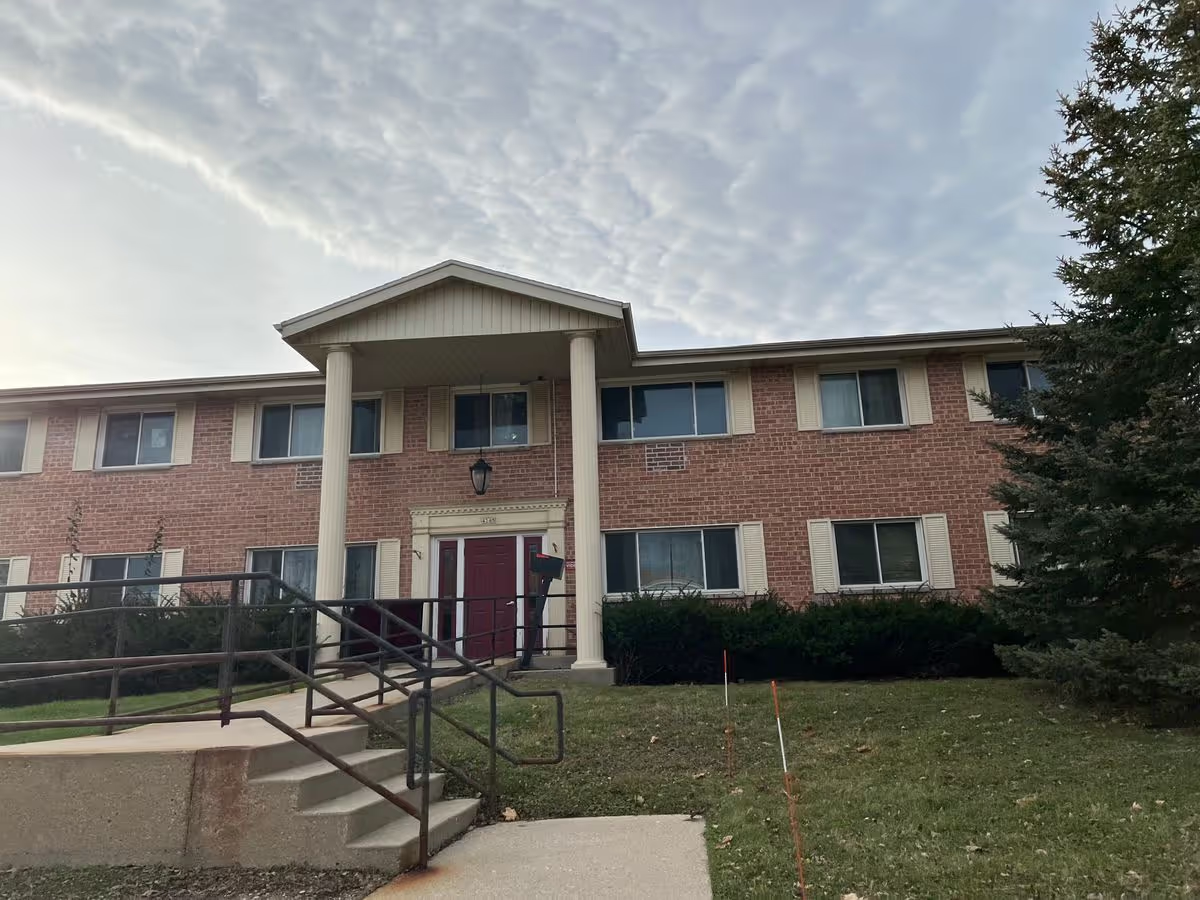
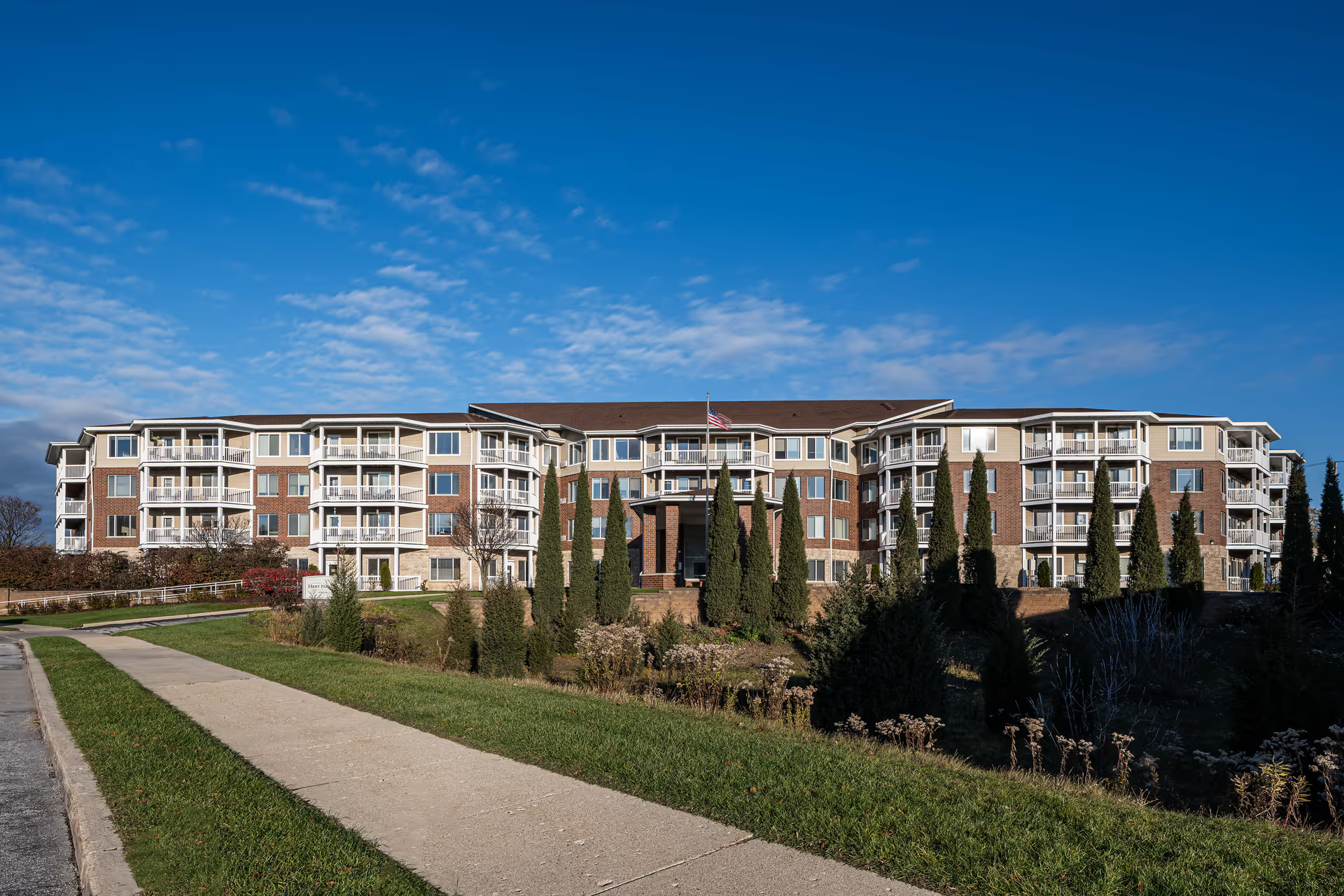
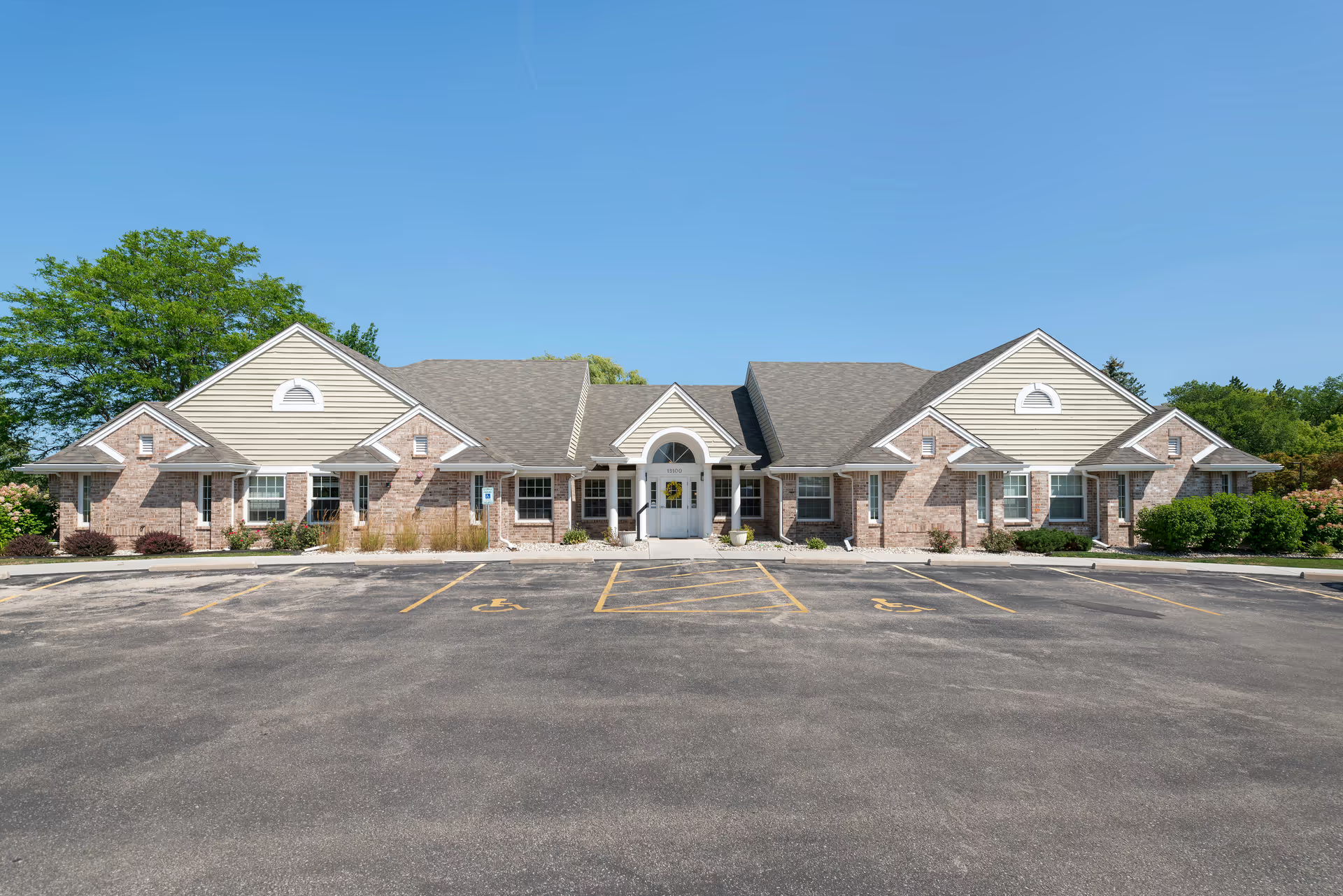
Oak Park Place Wauwatosa elicits strongly mixed impressions. Many families and residents describe a modern, bright facility with spacious apartments, accessible bathrooms, and pleasant outdoor areas. Numerous reviewers praised direct caregivers, activity staff, and therapy partners for creating a warm, social environment and for individualized attention. The memory‑care unit is noted as secure and focused, with alarms and programming designed for residents with cognitive impairment.
Clinical care experiences vary. Positive accounts cite responsive nursing, helpful supervisors, and attentive medication administration that helped stabilize residents’ health. Conversely, other comments describe inconsistent clinical oversight: concerns about medication management, wound‑care practices, hydration, and follow‑through on care plans. There are recurring mentions of falls and instances where fall‑prevention or incident‑reporting processes did not meet family expectations, which suggests operational gaps in transfer and safety protocols rather than isolated events.
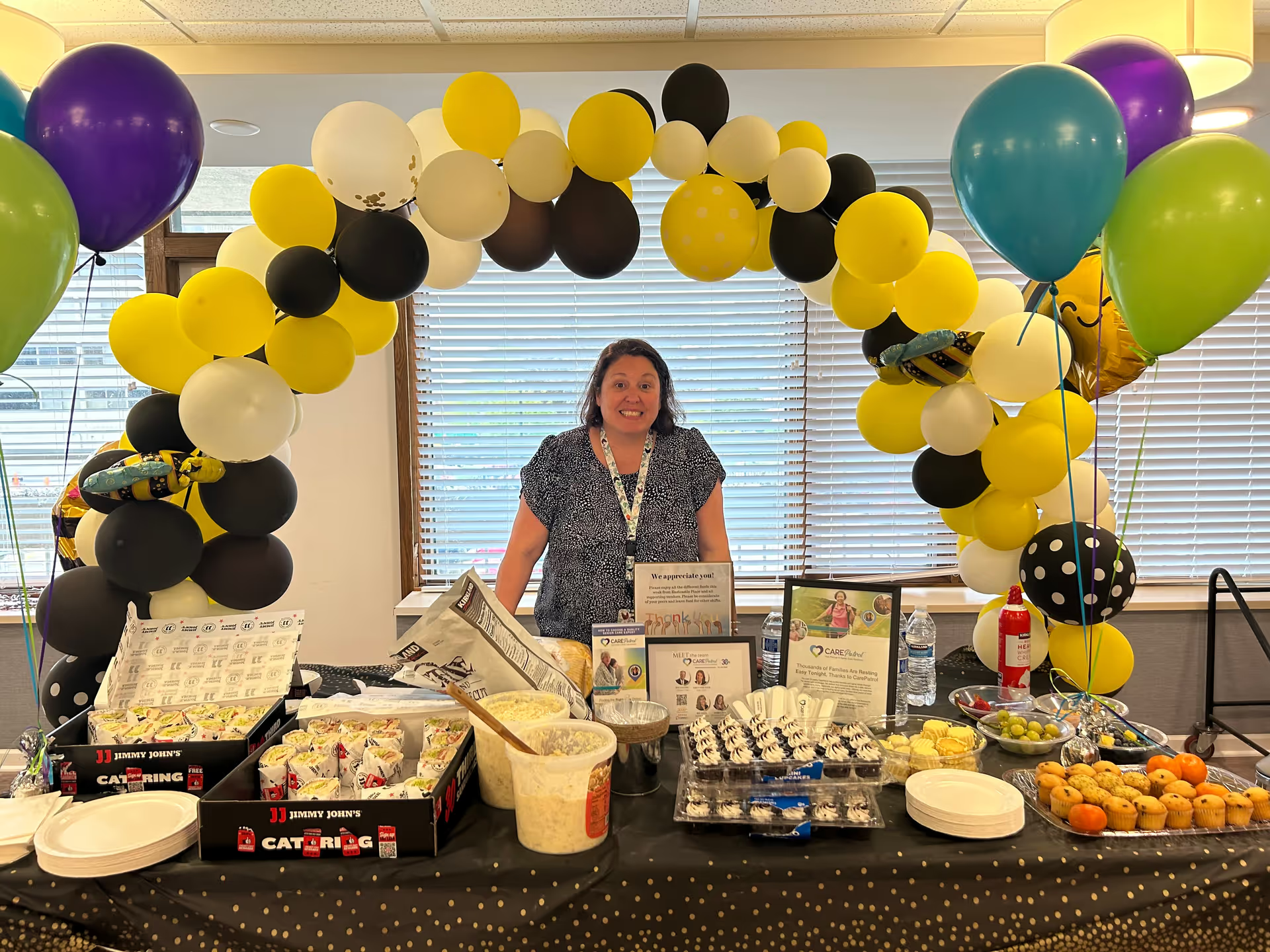
Dining and activities are similarly mixed. The community offers a robust calendar — outings, musical events, games, and customized memory‑care programming receive frequent praise. Food quality is described as excellent by many (with specific favorites noted), but some families found meals unappetizing, carbohydrate‑heavy, or lacking balanced nutrition; promised dietician follow‑up has not always been completed in reported cases.
Facility upkeep and housekeeping produce divergent reports. Many describe a clean, hotel‑like atmosphere with reliable laundry and housekeeping, while others report sanitation concerns, dusty rooms, inconsistent bathroom cleaning, laundry mix‑ups, and occasional pest‑control issues. These differences indicate variability in execution across units or shifts rather than a uniform facility condition.
Management and administration are another area of contrast. Reviewers praise individual leaders and staff members who are attentive and solution‑oriented; at the same time, the facility has experienced leadership turnover and reported lapses in administrative responsiveness, billing clarity, and promise fulfillment. There are mentions of serious complaints, including legal action and concerns following a resident’s death; these are atypical but important to investigate and to review with the provider and regulators as part of due diligence.
Overall pattern: the community can provide a safe, engaging, and well‑appointed setting when direct care staff and leadership are aligned and adequately staffed. The primary operational risks to evaluate during a visit are staffing stability and training, clinical oversight (medication and wound care), fall‑prevention and incident‑communication processes, consistent housekeeping and laundry practices, and how management addresses complaints and regulatory concerns. Prospective residents and families should tour multiple units, ask for recent staffing ratios and training protocols, review incident‑reporting practices, confirm housekeeping and meal‑service schedules, and request documentation about any legal or regulatory actions before making a placement decision.