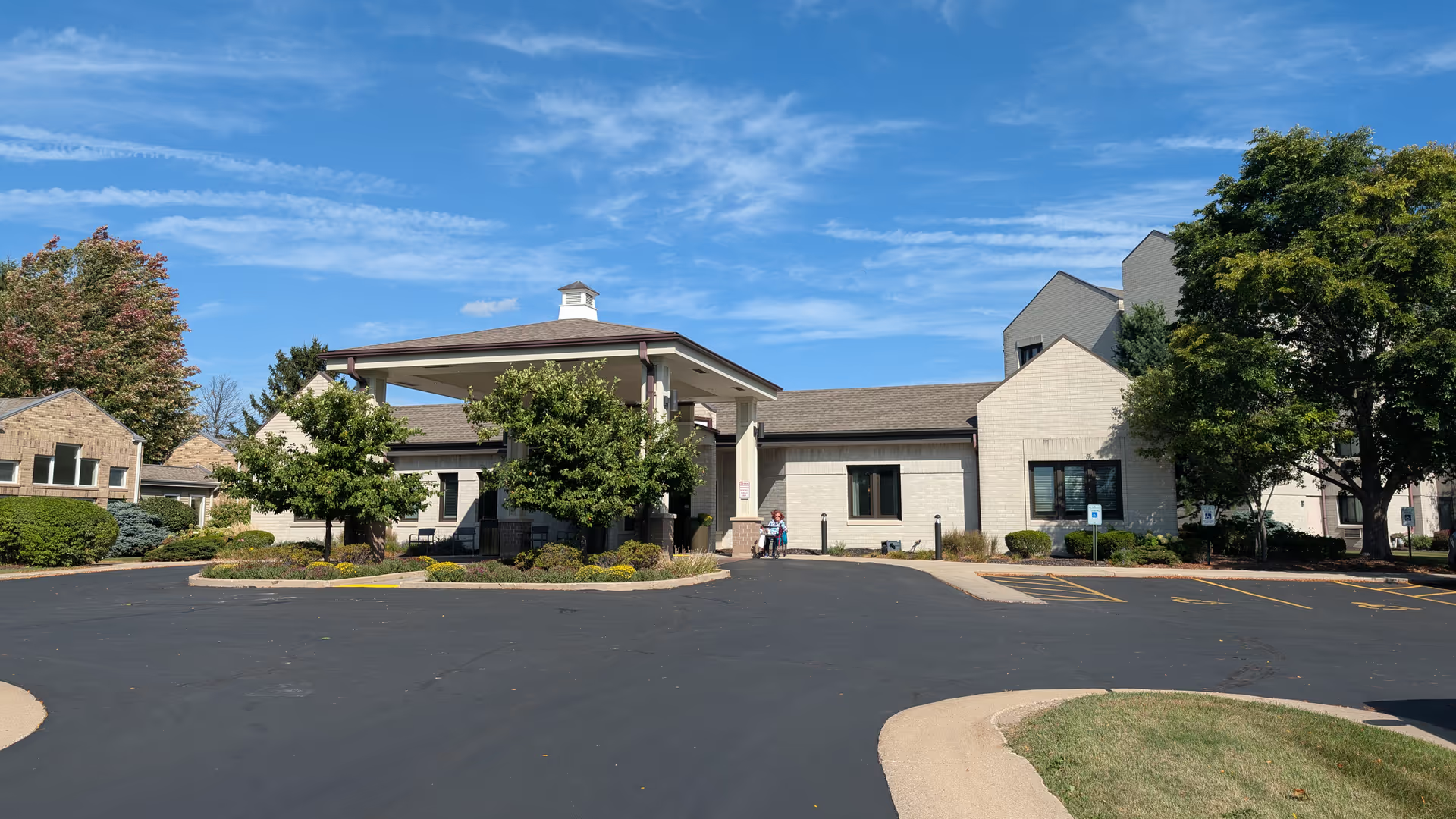
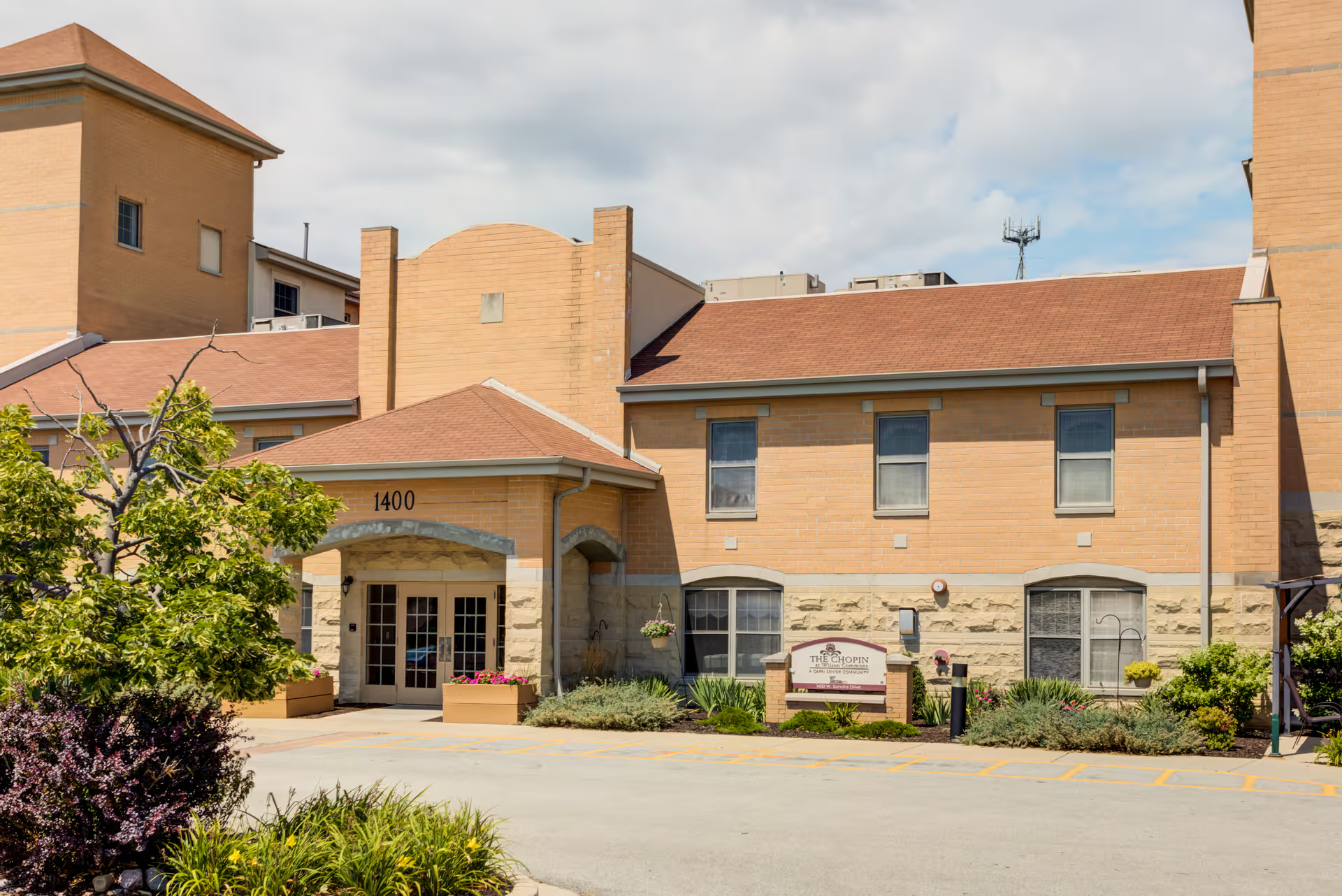
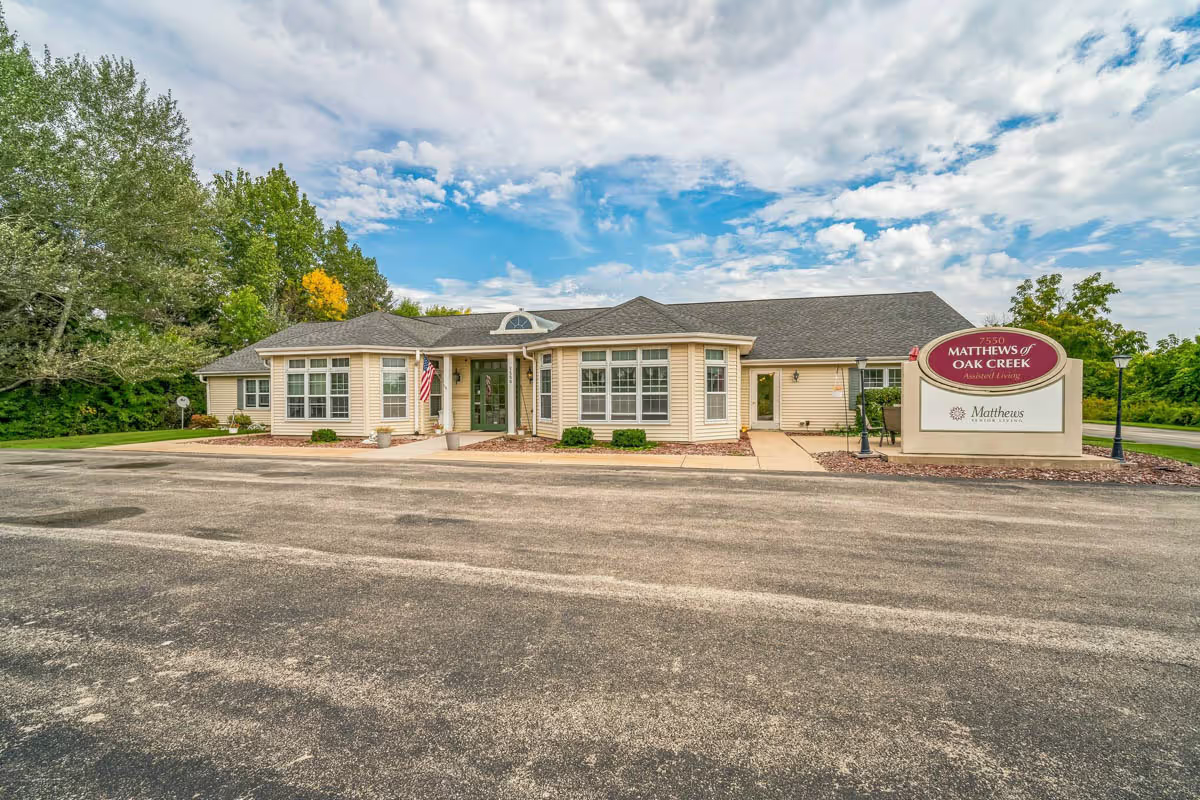
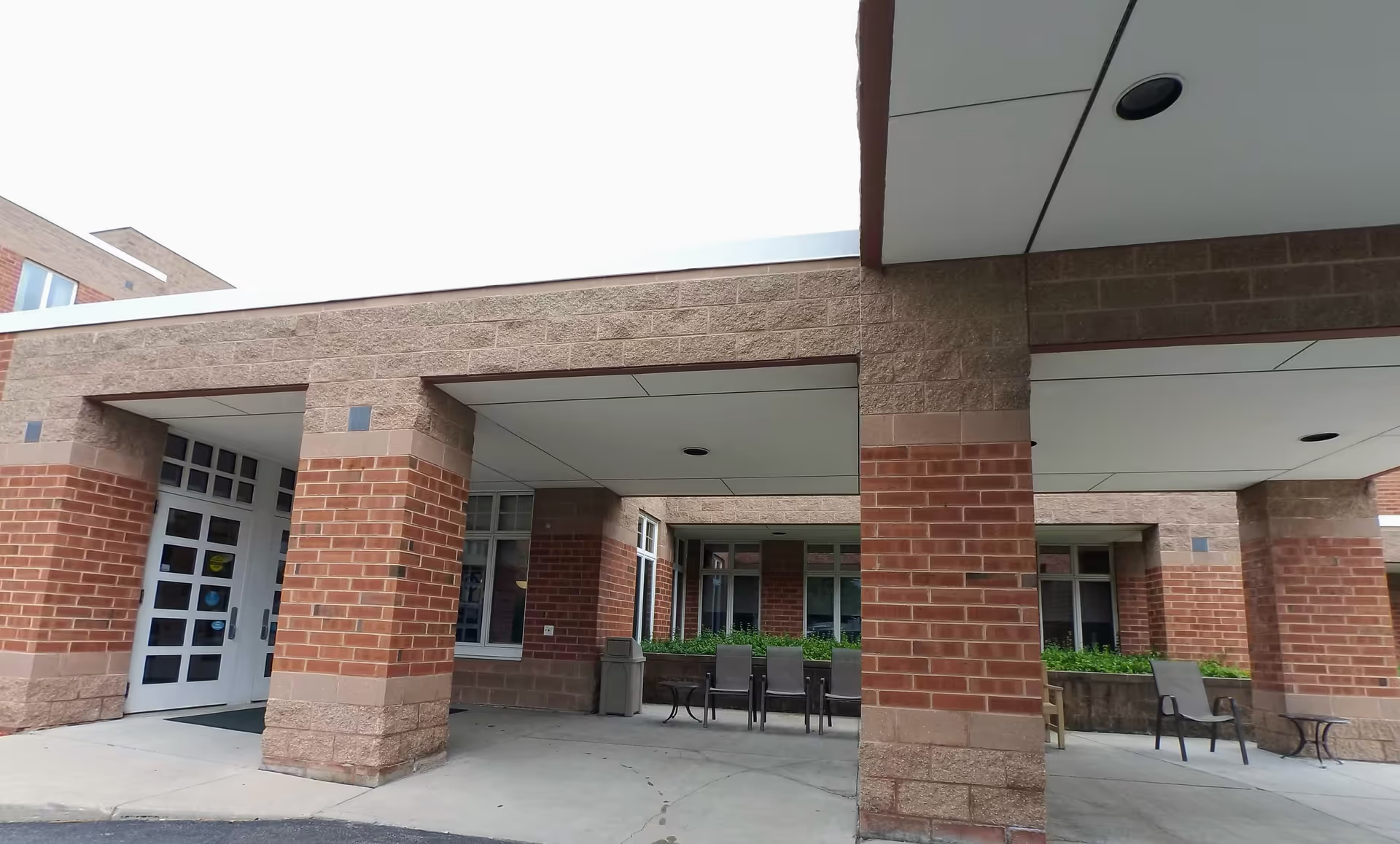
Autumn Lake Healthcare at Greenfield elicits strongly polarized experiences from families and residents. On the positive side, many reviewers describe a facility with a bright, well-maintained physical plant, spacious private rooms (often with en-suite showers), and a visible continuum of services ranging from short-term rehabilitation to longer-term care and assisted living. Several families specifically praised the rehabilitation teams (physical, occupational, and speech therapy), noting measurable functional gains and supportive therapists. Multiple reviewers also highlighted compassionate individual caregivers, nursing staff, and administrative employees by name, and noted conveniences such as on-site barber services and the facility’s willingness to accommodate virtual family contact.
Care quality and staffing are areas of divergence. Numerous accounts describe attentive, skilled nurses and aides and a director of nursing who is responsive; these accounts emphasize individualized care, good communication about clinical status, and positive end-of-stay outcomes for some residents. Conversely, a substantial set of reviews raise concerns about inconsistent staffing—particularly at night—delays in responding to call lights and personal-care requests, and uneven performance among nursing assistants and other care staff. Several reviewers reported medication-timing issues and other medication-management lapses, which have contributed to family anxiety about clinical safety.
Dining and activities also show mixed performance. Some families appreciated restaurant-style dining, varied menus, and energetic activity staff who organize social events and exercises. Others described inconsistent meal service, missed meal opportunities, and limited daily activity engagement or exercise for residents confined to rooms. Therapy availability was praised by some but described as intermittent or abbreviated by others, indicating variability in scheduling or resource allocation.
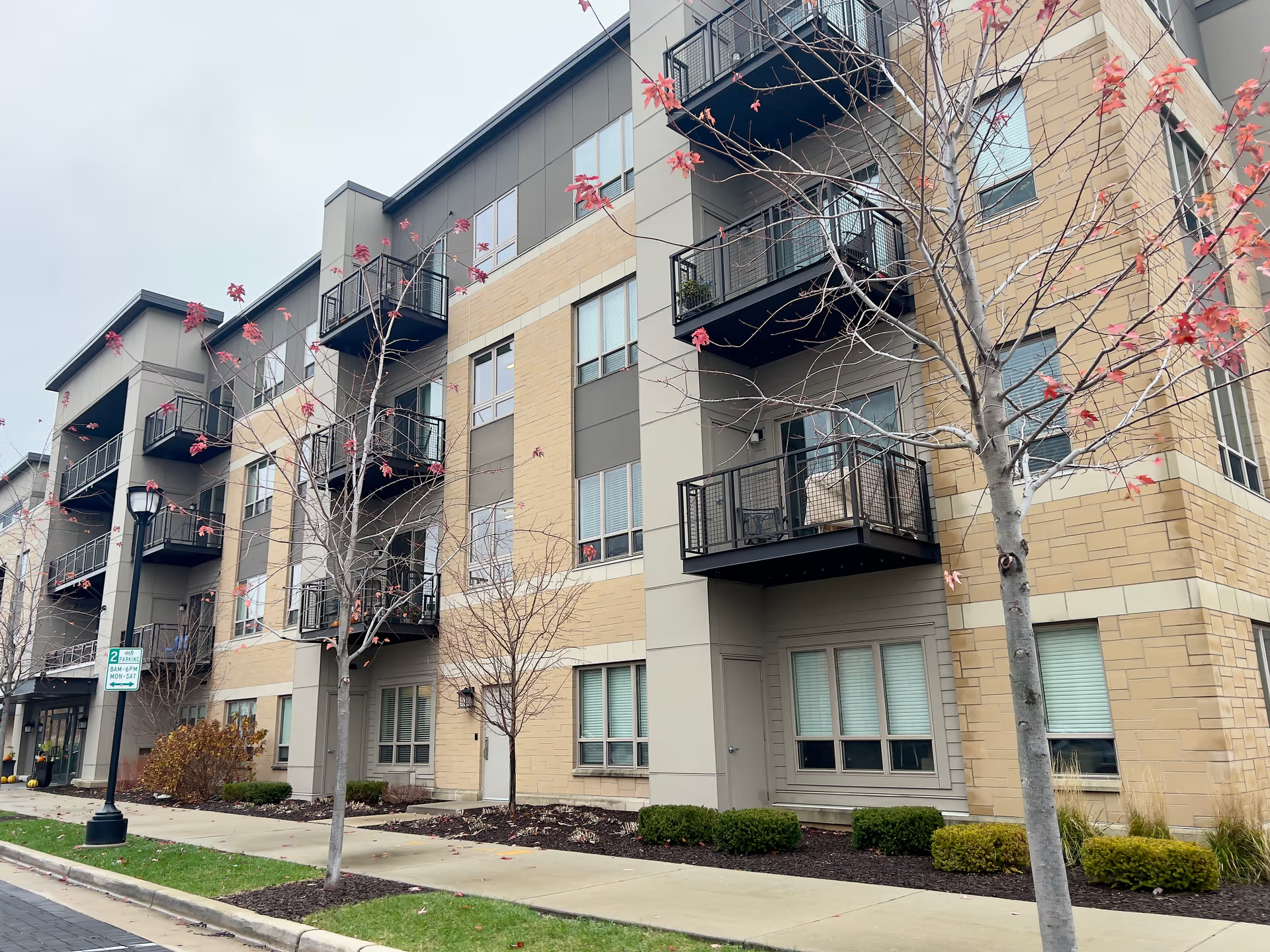
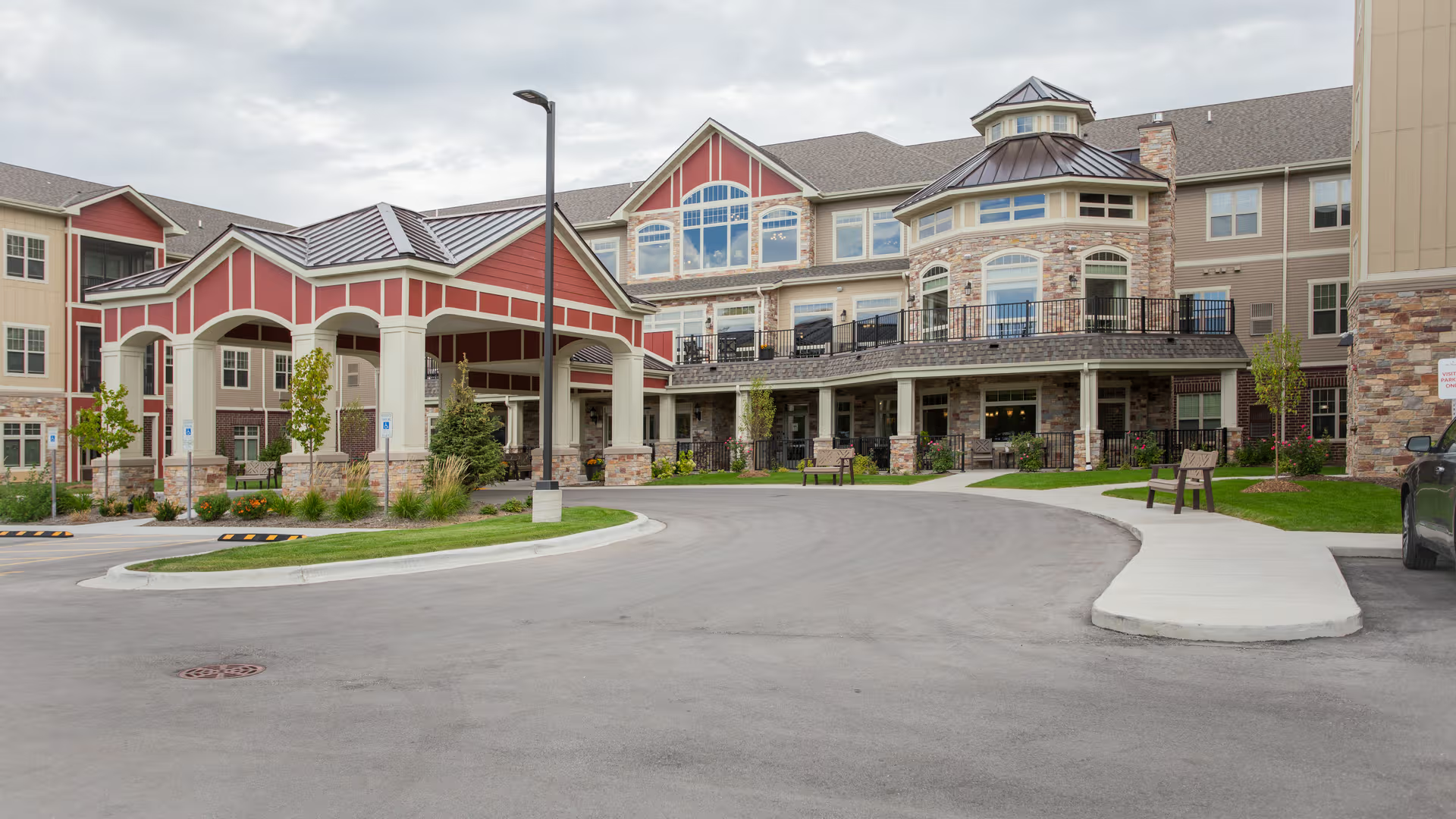
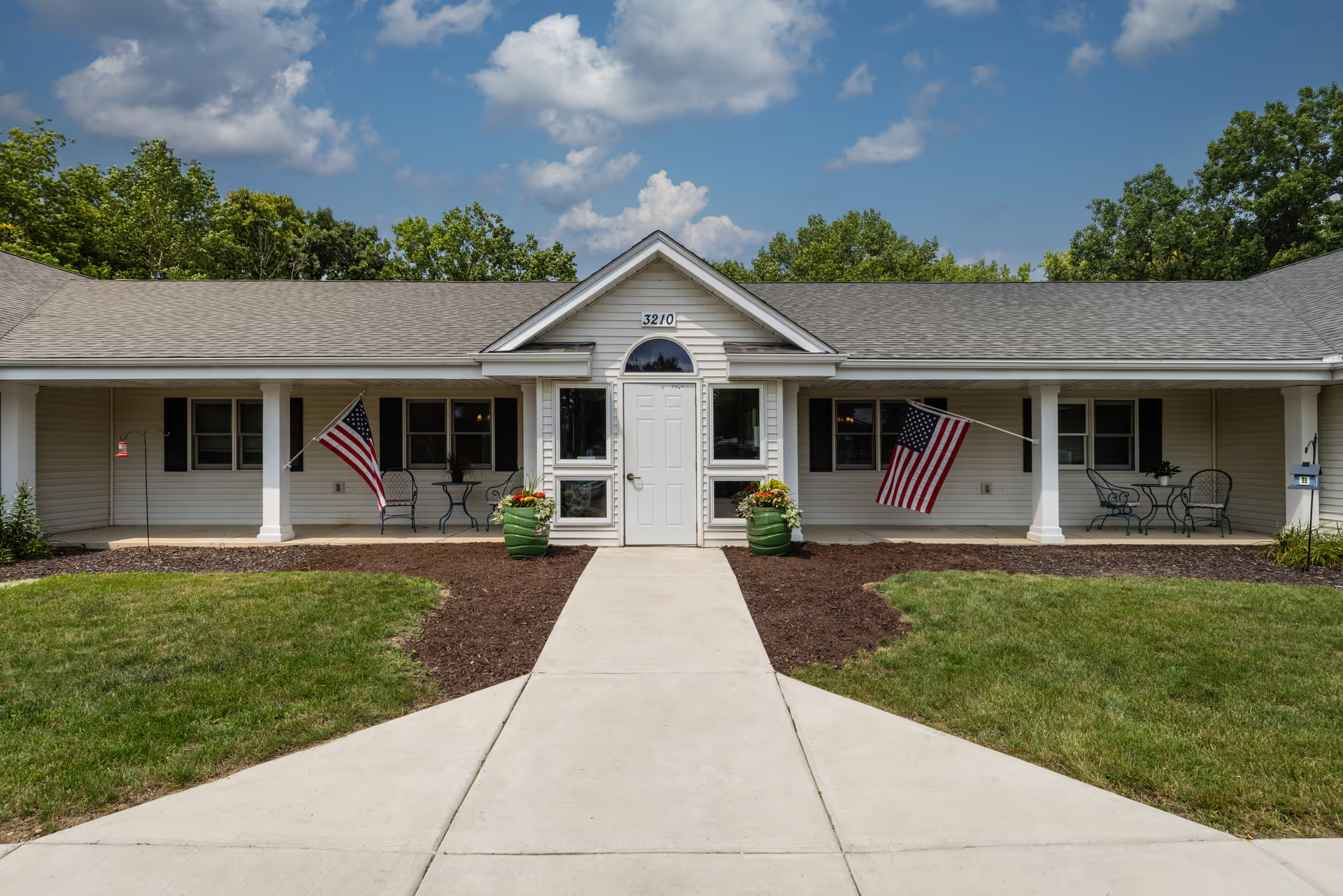
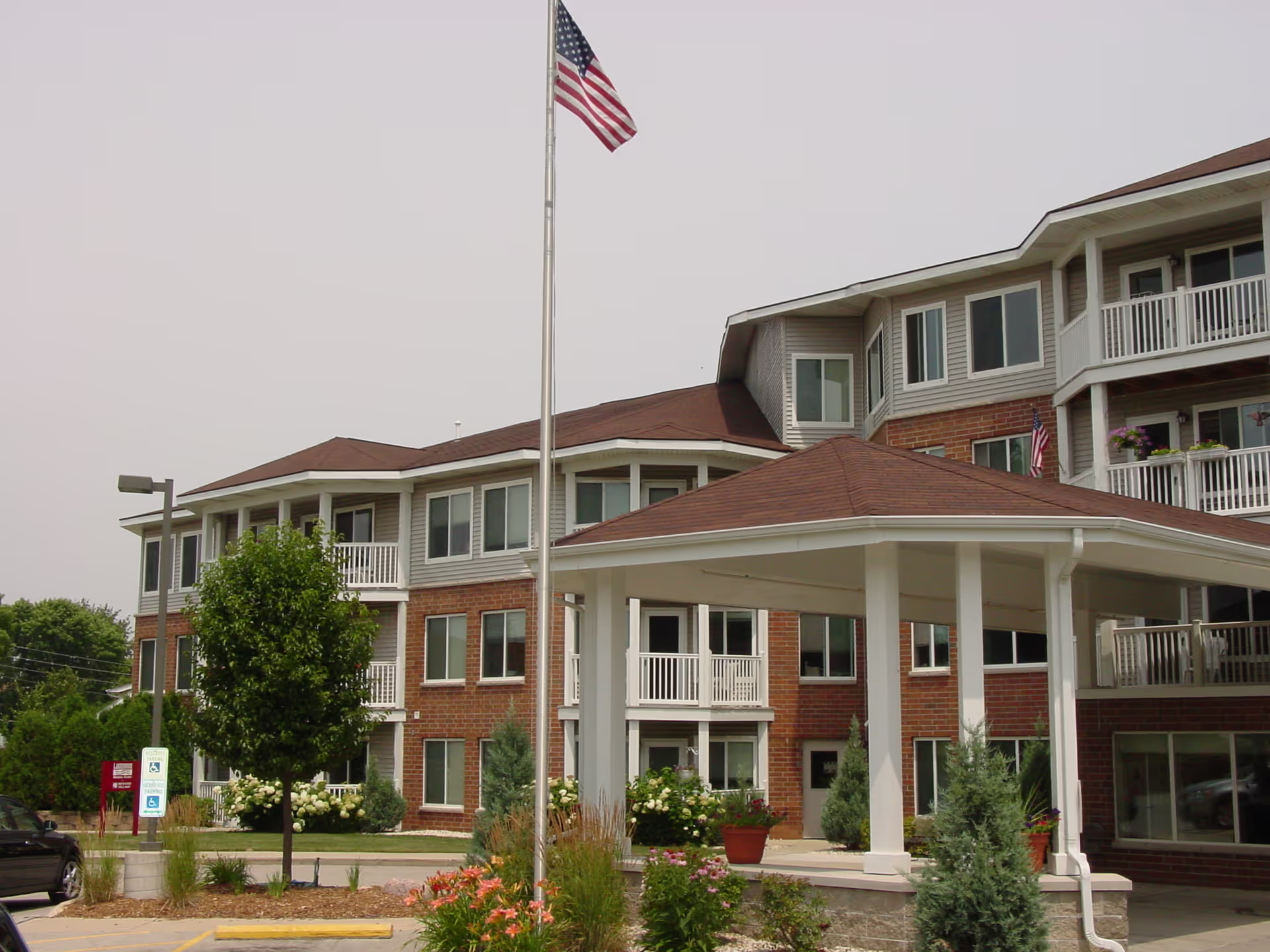
Facility amenities and maintenance receive generally positive remarks—reviewers often mention light-filled common areas, clean suites, and modernized rooms. At the same time, there are isolated but notable reports of sanitation and pest-control concerns and maintenance issues (e.g., broken fixtures or lighting) that warrant verification during a tour. Transportation accessibility and outing costs were also flagged as logistical challenges for family visits and off-site trips.
Management and administrative practices are a recurrent source of concern and praise. Several families named specific managers and staff who provided consistent, compassionate leadership; others described unprofessional communication, difficulty getting timely callbacks, abrupt billing practices, and at least a few allegations of aggressive billing or financial misconduct. There are also reports of high staff turnover and perceived gaps in accountability following clinical incidents. Taken together, these patterns suggest that leadership and consistency of policy enforcement are uneven.
For prospective residents and families: this facility offers clear strengths in therapy services, physical environment, and pockets of strong, compassionate caregiving. However, variability in staffing, medication practices, response times, sanitation follow-through, and administrative communication are recurring themes. A targeted tour should include questions about night staffing ratios, medication-administration protocols, incident reporting and family notification processes, pest-control and housekeeping procedures, billing policies, and typical therapy schedules. Meet the day and night nursing leaders if possible, observe meal service and an activity session, and request written policies on family communication and transfers to set expectations before admission.