St. Ann Center is repeatedly described as an organization with strong programmatic strengths and a meaningful intergenerational mission. Many families and referrals praise the center’s child–senior interactions, pet visits, and a broad range of creative activities — music, choir, art, sewing and similar pursuits — that contribute to a sense of purpose for participants. The facility offers day programs, respite care, and an aquatic center that families find useful; on-site services such as a beauty salon and active volunteer involvement further reinforce its community role.
Care quality is characterized by a split in experience. On the positive side, reviewers commend the dementia-care offerings and many direct-care staff as compassionate, knowledgeable, and engaged. Families report that long-term clients can thrive there and describe staff who foster engagement, laughter, and meaningful daily structure. However, several reviewers raise substantive concerns about clinical follow-up: examples include nutritional decline, unplanned hospitalizations, and what families perceived as gaps in monitoring and timely intervention. Those concerns suggest a need for stronger clinical oversight and clearer protocols for nutritional and medical changes.
Staffing and culture are also mixed. The center benefits from many dedicated employees who create a friendly, inclusive environment and who meet children’s and seniors’ social and emotional needs. At the same time, reviewers describe high staff turnover and inconsistent assignments that undermine continuity of care. Other staff-related concerns include inconsistent personal-care practices (for example, bathing and grooming schedules), occasional unprofessional communication or expression of personal beliefs, and instances where consent and boundaries were questioned. These patterns point to opportunities for training, clearer professional boundaries, and more consistent supervisory oversight.
Dining and activity programming receive mostly positive comments: meals are described as nutritious and activities as stimulating and well run. Nonetheless, some families raised safety concerns about meal supervision and the need for attentive feeding protocols for residents with swallowing or intake issues. Administrative issues appear as recurring themes: long wait lists, variable responsiveness to inquiries, website and phone-contact challenges, and examples of inconsistent admissions/deposit handling. These operational gaps have led some families to seek alternative care despite positive impressions of program content.
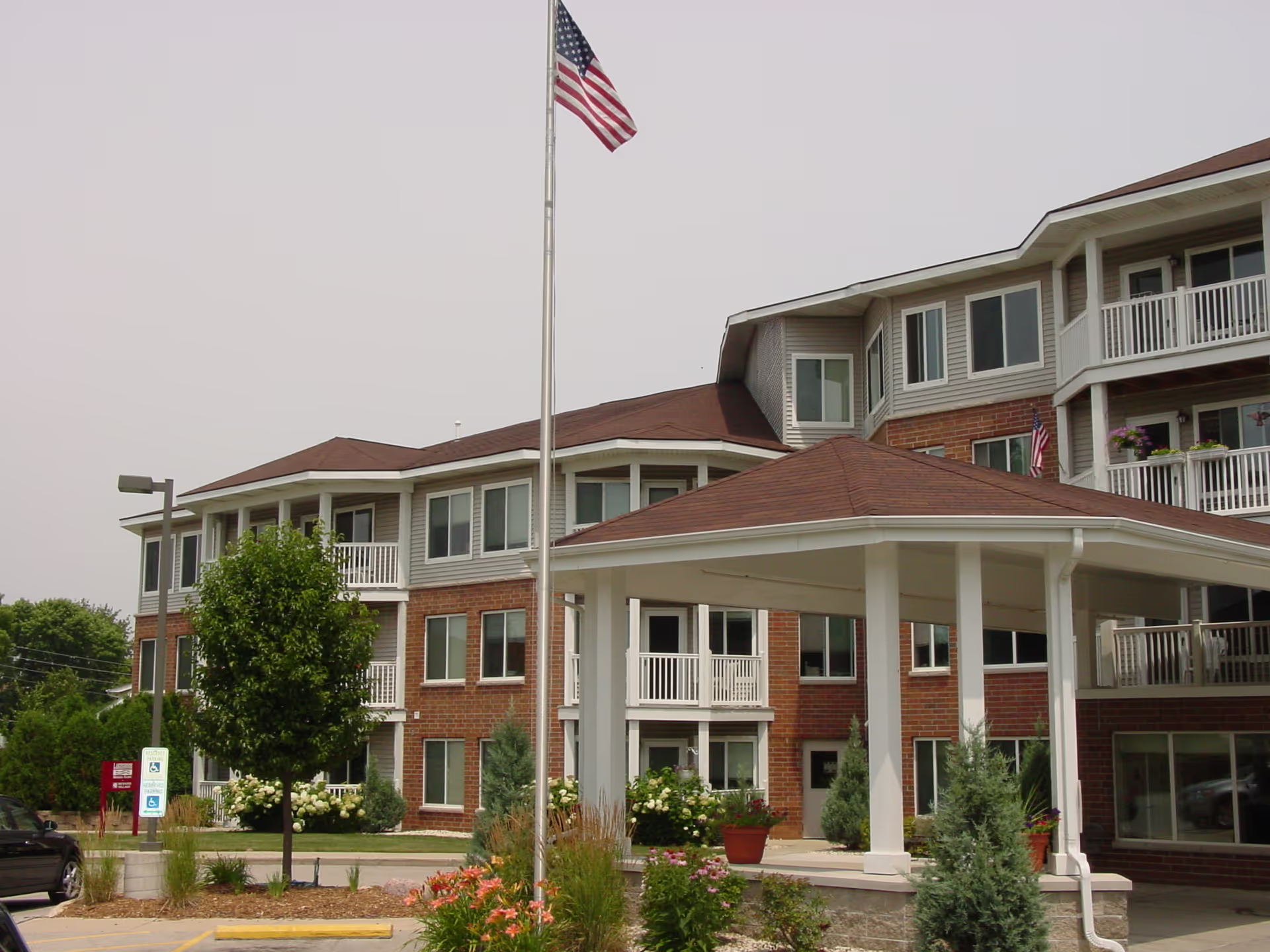
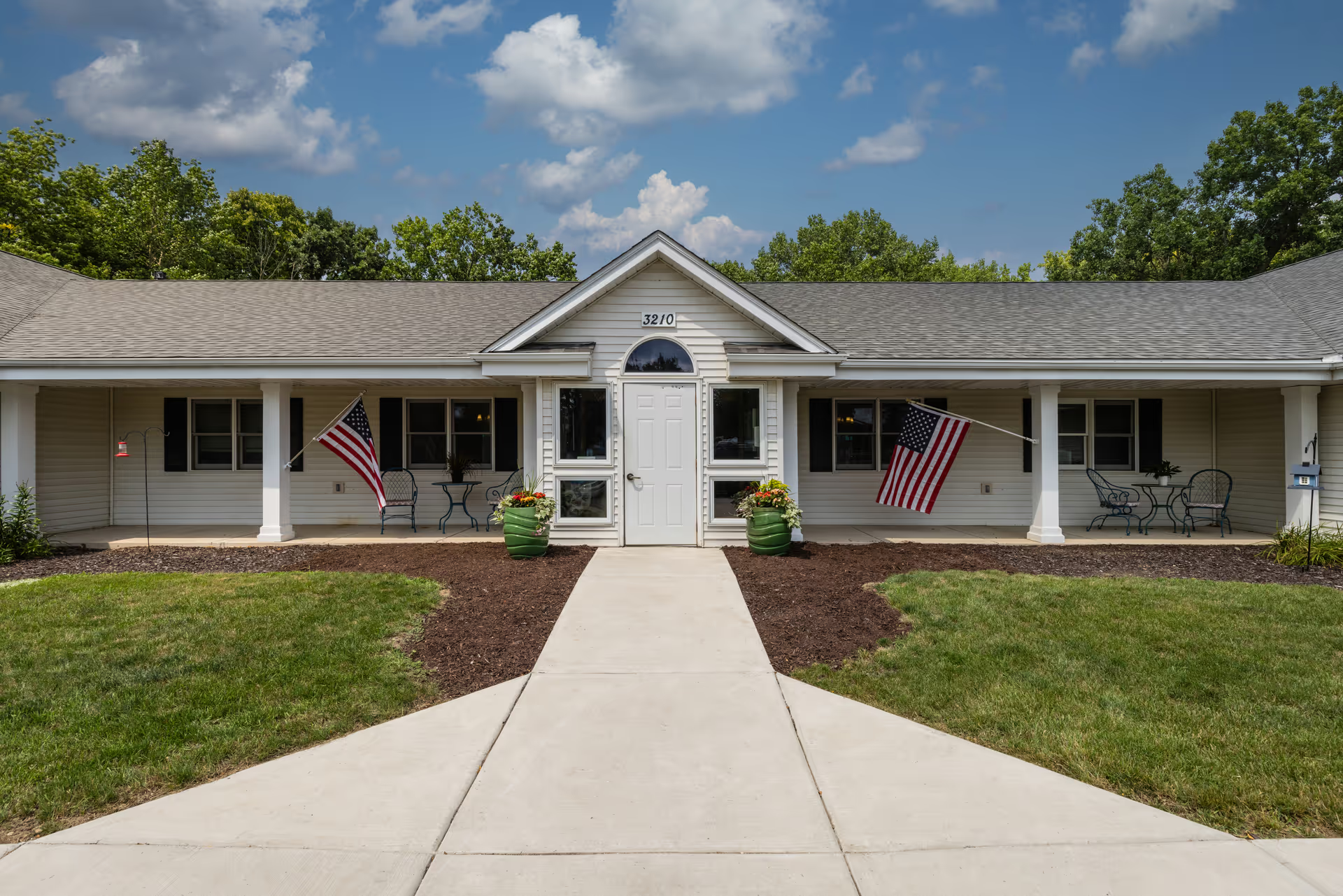
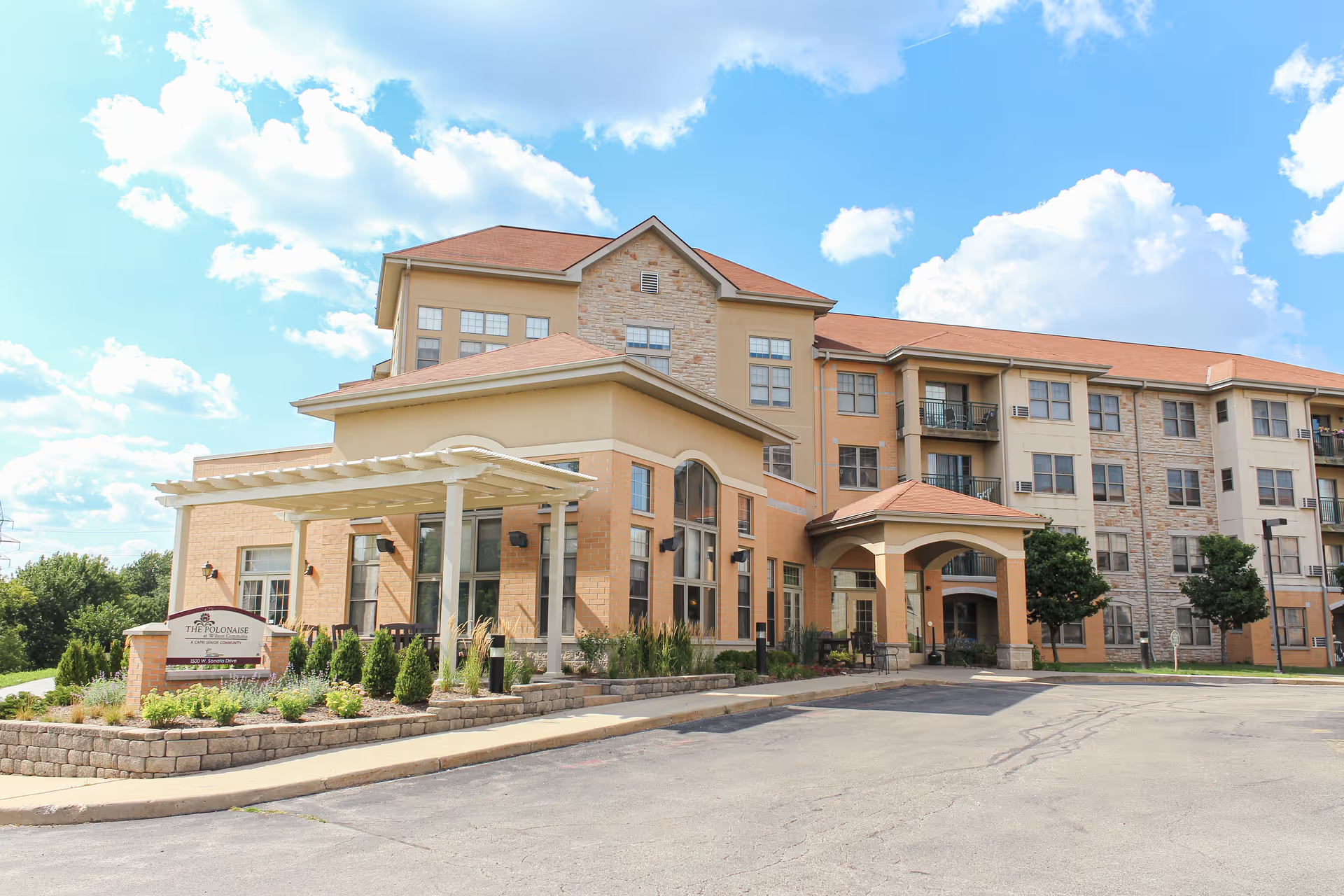
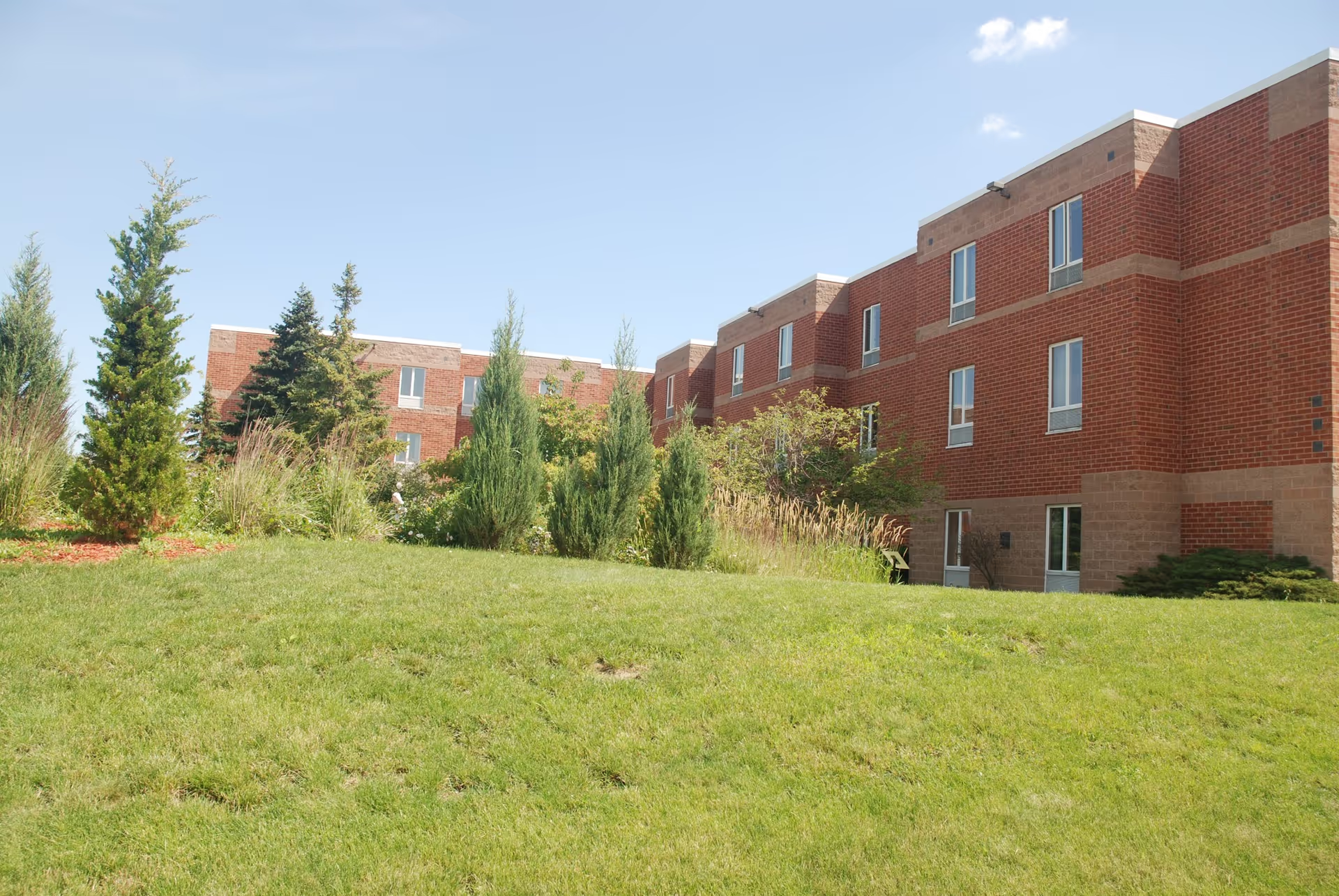
Facility features such as the pool and aquatic programs, intergenerational spaces, and a reopened memory-care unit are viewed positively, though reviewers note sanitation and housekeeping inconsistencies in some areas and point to uneven access-control practices in specific units. There are also community-level concerns about financial handling and consent-related practices that some families framed as serious; these underscore the importance of transparent policies and clear family communication.
Overall, the center demonstrates clear strengths in programming, engagement, and dementia-specific activities, making it an attractive option for families seeking intergenerational and activity-rich care. Prospective families should weigh those strengths against operational concerns highlighted by others — notably staffing consistency, clinical-monitoring protocols, communication responsiveness, and admissions transparency — and seek concrete assurances about individualized clinical oversight, staffing continuity, consent/privacy policies, and administrative procedures during any tour or intake discussion.